Like
Share
멍실장
고령묘 10-15세 케어 완벽 가이드

The Ultimate Guide to Caring for Senior Cats (10–15 Years Old)

ImmunityQ&AMeongsiljang Veterinary Advisory Board

Senior cats (10–15 years old) are at a sharply increased risk of chronic diseases. You can help extend their healthy lifespan by scheduling health check-ups every six months, feeding a high-protein, low-phosphorus diet, and making environmental adjustments.

How to Manage Senior Cats (10–15 Years Old)
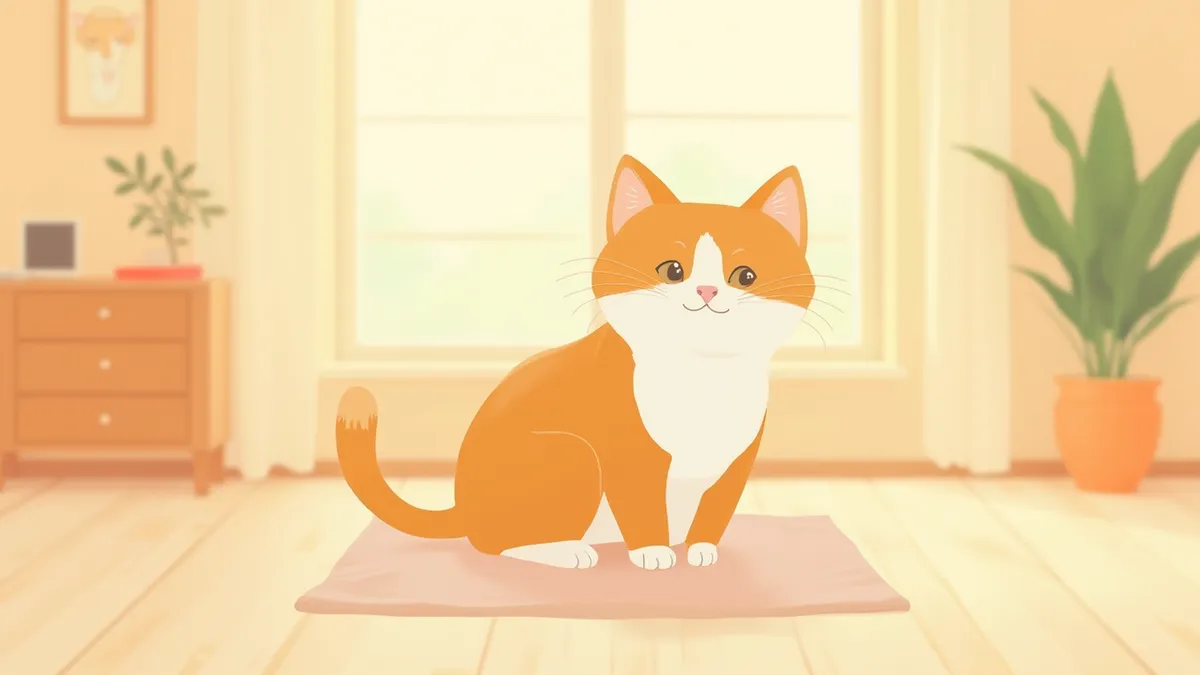
An elderly cat sitting comfortably
Senior cats are those between 10 and 14 years of age, a stage in which the risk of chronic conditions such as kidney disease, thyroid disorders, and joint problems increases. The most important thing is to have a health check-up every six months. In the senior stage, diseases that are not easily visible on the outside can progress rapidly, so it is easy to miss changes with only an annual check-up. Therefore, it is recommended to have your cat examined at least every six months. Regular blood, urine, and blood pressure tests are the most reliable way to detect abnormalities early and extend your cat’s healthy lifespan.

Age-Based Classification of Cats

The American Association of Feline Practitioners (AAFP) divides a cat’s life cycle into age-based stages to provide management guidelines. According to AAFP standards, cats aged 11 to 14 years are classified as “senior,” a stage when physical changes and disease risks become more apparent. Cats aged 15 years and older are categorized as “geriatric.” While some sources consider cats 10 years and older as senior, there is consensus in classifying those 15 years and older as geriatric. Because health status can vary significantly among individual cats of the same age, personalized care based on veterinary check-up results is more important than chronological age alone.

Cat Life Stages and Recommended Check-up Intervals

ItemMature cat (7-10 years)Senior (11-14 years)Geriatric (15 years and older)
Life stage characteristicsMiddle age, onset of agingSenior yearsGeriatric period
Recommended checkup intervalOnce a yearOnce every 6 monthsAt least once every 6 months (more often if needed)
Essential testsBasic blood and urineBlood, urine, blood pressure, thyroid (T4)Full panel + cardiac evaluation
Major risk diseasesDental disease, obesityChronic kidney disease, hyperthyroidismTumors, heart disease (hypertrophic cardiomyopathy), cognitive decline

Based on the AAFP feline senior care guidelines

Common Health Signs in Senior Cats
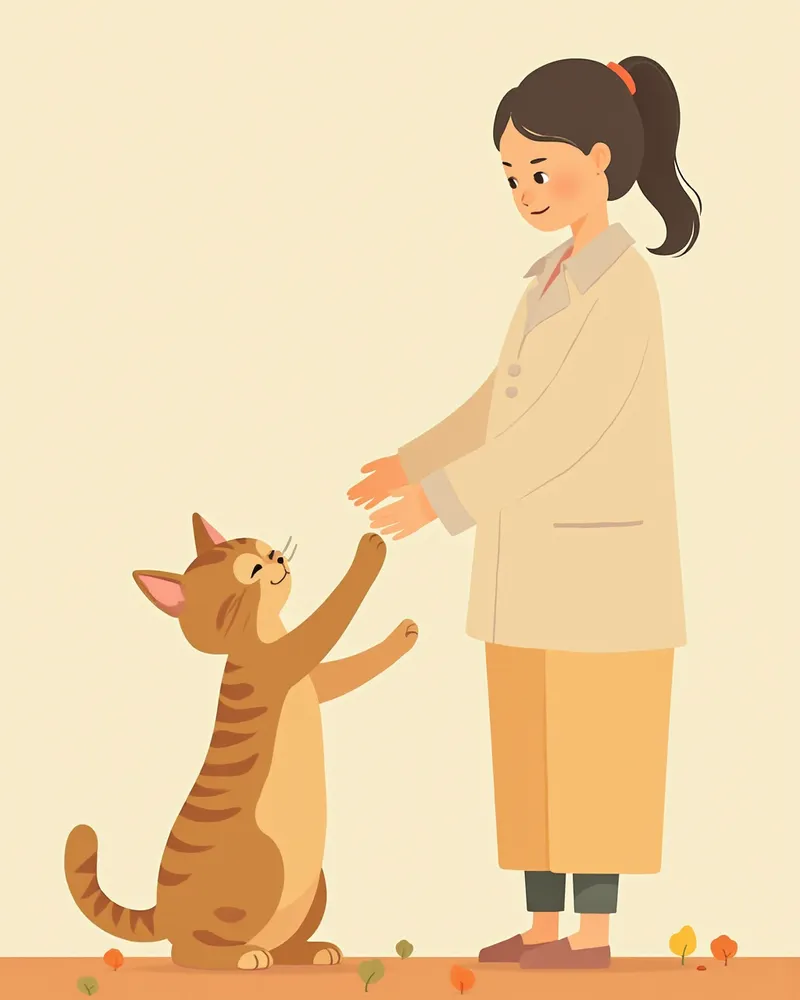
If you notice any of the following signs, it is likely a medical condition rather than simple aging.
Weight loss: Steady or rapid weight loss may indicate hyperthyroidism, diabetes, or kidney disease.
Increased water intake: When accompanied by increased daily urine output, this is often the first sign of chronic kidney disease.
Changes in appetite: Approaching food but not eating can signal dental pain or kidney issues.
Neglected grooming: A decrease in grooming behavior may indicate arthritis (degenerative joint disease) or oral pain.
Nighttime vocalization: Sudden loud crying at night may suggest cognitive dysfunction or high blood pressure.
A guardian checking on the health of an elderly cat

Signs Requiring Veterinary Care Within 24 Hours

Seek immediate veterinary care if you notice any of the following: • Refusal to drink water for more than 24 hours • Complete inability to urinate (a medical emergency in male cats due to urethral obstruction) • Rapid breathing or panting with the mouth open • Body temperature dropping below normal (hypothermia) • Pale or yellowish gums • Seizures or convulsions Senior cats have reduced physiological reserves, making them far more vulnerable to acute illnesses and prone to rapid deterioration. Waiting even a single day to "see how they do" can lead to irreversible consequences.

Essential Health Check-up Items for Senior Cats
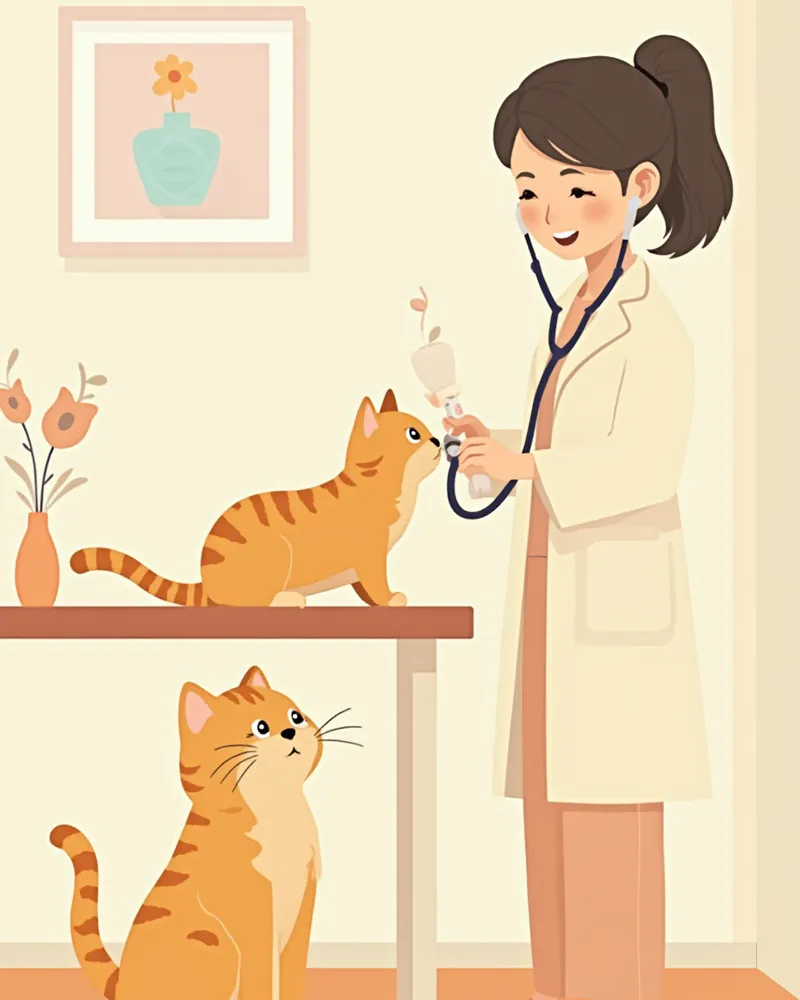
This is a basic set of tests that should be performed every six months. If cost is a concern, please ensure at least these three essentials are included: blood work, urinalysis, and blood pressure measurement.
Complete Blood Count (CBC): Checks for anemia, infection, and inflammation
Biochemistry Panel: Measures liver, kidney, and pancreatic function
SDMA Test: Early detection of kidney disease
T4 Test: Screens for hyperthyroidism
Urinalysis: Assesses kidney concentrating ability, diabetes, and urinary tract infections
Blood Pressure Measurement: Detects hypertension (often associated with kidney disease or thyroid complications)
Abdominal Ultrasound: Identifies tumors or structural abnormalities in the kidneys
An elderly cat undergoing a health checkup at the veterinary clinic

Key Points for Dietary Management in Senior Cats

As pets age, their muscle mass and digestive and absorptive capacities decline, so their diet needs to change accordingly.
High protein, high digestibility: To prevent muscle loss (sarcopenia), provide ample high-quality, easily digestible protein.
Low phosphorus: Reduces the burden on the kidneys. A prescription diet is essential if kidney disease is diagnosed.
Omega-3 fatty acids: Help alleviate joint inflammation and cognitive decline.
Increased water intake: Increase the proportion of wet food and place water fountains in multiple locations.
Antioxidant nutrients: Maintain immunity with vitamins E and C, and taurine.
However, if your pet has kidney or heart disease, you must consult your veterinarian before switching to a prescription diet. Feeding smaller, more frequent meals helps maintain body weight and muscle mass.

Checkpoints for the Living Environment of Senior Cats

Arthritis (degenerative joint disease, DJD) is highly prevalent in senior cats. Even small environmental adjustments can significantly improve their quality of life. • Lower the litter box rim or switch to one with a wide entry • Distribute food and water stations across different levels • Add stairs or ramps to cat trees • Lay non-slip mats on the floor • Provide warm resting spots (to compensate for reduced thermoregulation) • Maintain adequate lighting (to support declining vision and cognitive function)

Practical Methods for Maintaining Immunity
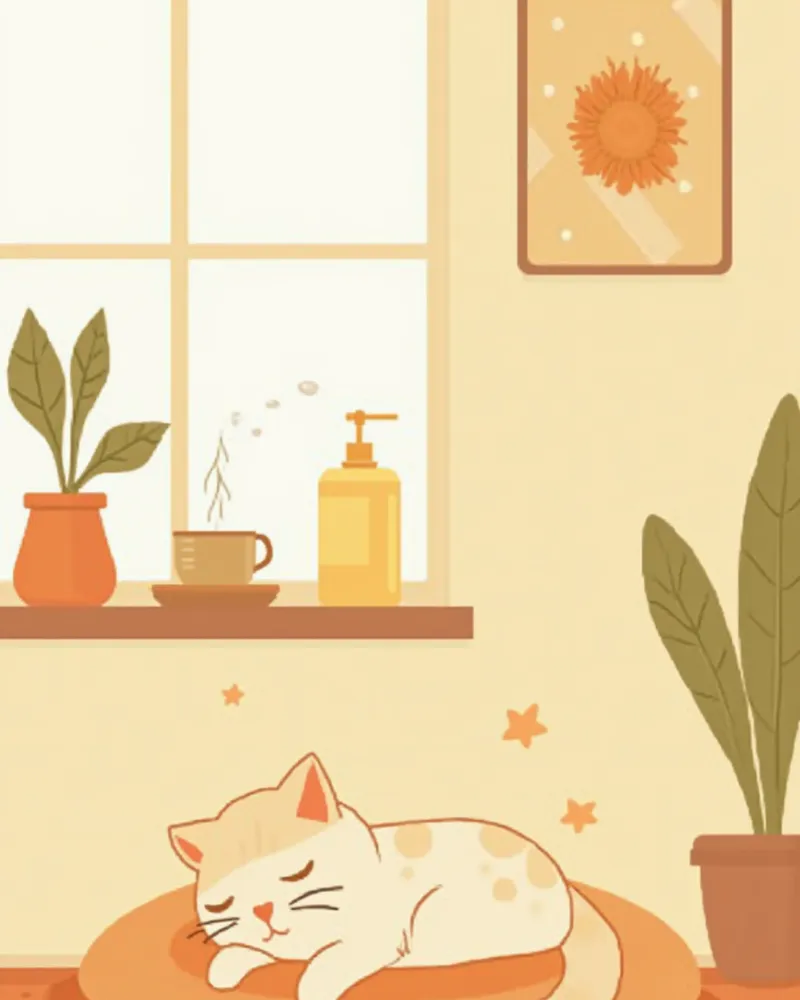
As cats age, their immune function gradually declines, making systematic care—including vaccinations—essential.
Vaccinations: Consult your veterinarian to maintain a comprehensive vaccination schedule appropriate for your cat’s health status.
Parasite Prevention: Administer regular internal and external deworming, even for indoor cats.
Oral Care: Brush teeth frequently and have your veterinarian periodically assess the need for professional dental cleaning.
Minimize Stress: Keep changes to furniture arrangements and household composition to a minimum.
Separate Sleeping Areas: In multi-cat households, provide independent resting spaces.
Compromised immune function can also be exacerbated by inadequate protein and calorie intake (malnutrition), so ensuring sufficient consumption of high-quality protein is important. You may also find it helpful to review our guide on Managing Chronic Kidney Disease in Cats.
An elderly cat resting in a space designed to be senior-friendly

Reviewed by a veterinarian

Dr. Tony — Punnawat Phongkittirak

Dr. Tony — Punnawat Phongkittirak

Veterinarian

A veterinarian who majored in veterinary medicine at Khon Kaen University, Thailand, and completed the IVSA program at North Carolina State University in the United States. Drawing on clinical experience at animal hospitals, he works in the pet healthcare field and is dedicated to building a digital care environment that connects pet parents with veterinarians.

Frequently Asked Questions

Should senior cats continue to receive vaccinations?
If your pet is in good health, it’s best to keep up with routine vaccinations on schedule. The timing of each shot depends on the type of vaccine and your pet’s overall health, so be sure to consult your veterinarian to determine the right plan. For pets with chronic conditions or significantly weakened immune systems, we recommend testing antibody levels first to decide whether vaccination is necessary. Even indoor cats should not skip these essential shots.
Is it normal for a senior cat to sleep all day?
It’s common for senior cats to spend most of the day sleeping. However, if they seem sluggish when awake, don’t respond well to their name, or startle easily, it may indicate cognitive dysfunction, hearing loss, or high blood pressure.
My pet suddenly stopped eating. What should I do?
If your pet refuses to eat for more than a day, it could be an emergency. Prolonged fasting can strain the liver, and the underlying cause may include oral pain, worsening kidney disease, or thyroid issues. Before trying high-palatability wet food or prescription diets, please have your pet examined at a veterinary clinic first.
Do I really need to give my pet nutritional supplements?
A prescription diet alone provides all the essential nutrients. However, if your pet has arthritis or cognitive decline, you may consider adding supplements like omega-3 fatty acids after consulting with your veterinarian. Avoid giving any supplements without professional advice, as this can place unnecessary strain on the liver and kidneys.
Is it okay if my pet loses a tooth?
Periodontal disease is common in senior cats, but tooth loss is often accompanied by severe inflammation and pain. If you notice a decreased appetite or excessive drooling, seek an oral examination immediately. Dental issues should be evaluated alongside kidney and heart disease management.

Share

Related Guides

References

[1] Little S, The Cat: Clinical Medicine and Management, 2nd Edition, 2020

[2] Silverstein DC, Hopper K, Small Animal Critical Care Medicine, 3rd Edition, 2022

[3] AAFP Senior Care Guidelines for Cats, Journal of Feline Medicine and Surgery, 2021

This information is based on veterinary literature and does not replace diagnosis or treatment. Please consult a veterinarian for specific health concerns.

Metapet Co., Ltd. | CEO: Park Sung-yong | Business Reg. No. 417-88-02562 | Seoul, South Korea | Customer Center

Senior Cat Care (Ages 10–15): Checkups, Diet & Immunity | Meongsiljang