

Guide to Avoiding Allergen-Containing Dog Food
Here’s a guide to choosing dog food that avoids common allergens, including how to read labels. We’ll also explain the differences between limited-ingredient diets and hydrolyzed protein diets.
What Are Allergen-Avoidance Diets?

Why Should You Avoid Allergens?
Top 7 Common Allergens in Dogs
| Item | Frequency | Key caution |
|---|---|---|
| Beef | Very high | Most commonly reported cause |
| Dairy products | High | Includes milk/cheese treats |
| Chicken | High | Included in most foods |
| Wheat | Medium | Wheat protein is commonly reported, but grain gluten itself is not a common cause |
| Egg | Medium | Be cautious with treats/homemade treats |
| Soy (soybean) | Medium | Plant-based protein ingredient |
| Lamb | Medium–high | Often used as a novel protein but is one of the common allergens |
Based on food allergens commonly reported in various veterinary textbooks; the actual cause can differ from individual to individual.
What to Check on the Label
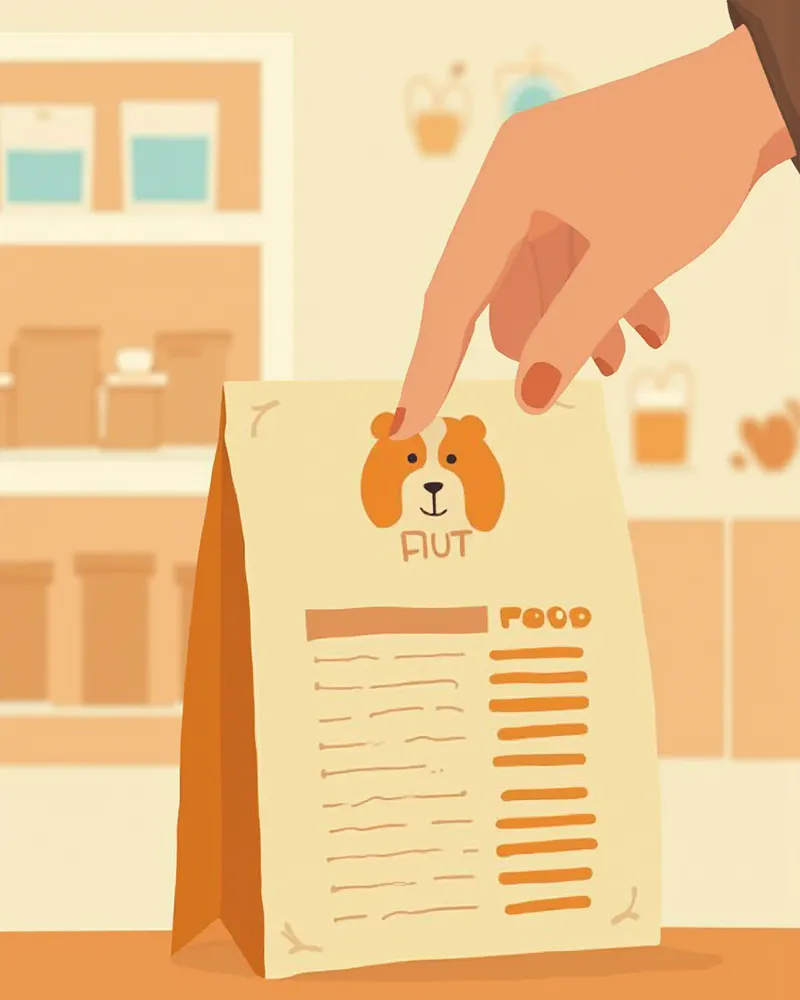
Before Switching Diets Based on Self-Diagnosis
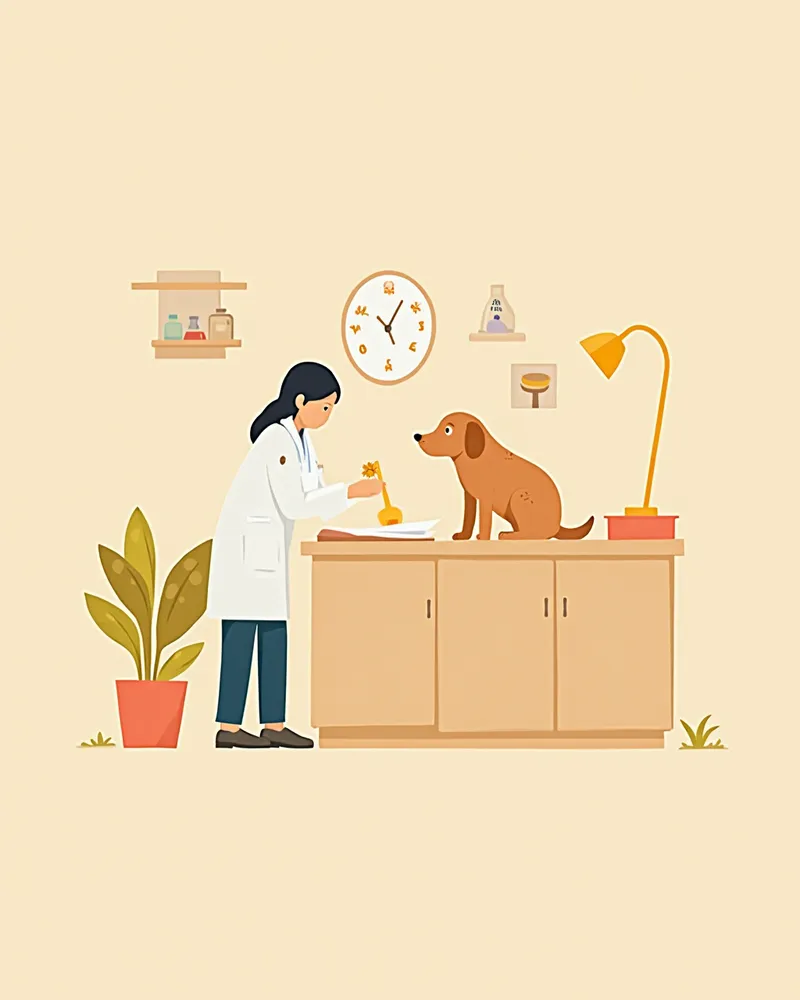
Itching and diarrhea aren’t always caused by food allergies. Fleas, mites, atopic dermatitis, intestinal parasites, and pancreatic dysfunction can produce similar symptoms. Repeatedly switching diets without a veterinary diagnosis can lead to nutritional imbalances and mask the true underlying cause. An elimination diet trial lasting at least eight weeks should be conducted under veterinary supervision to ensure accurate results.
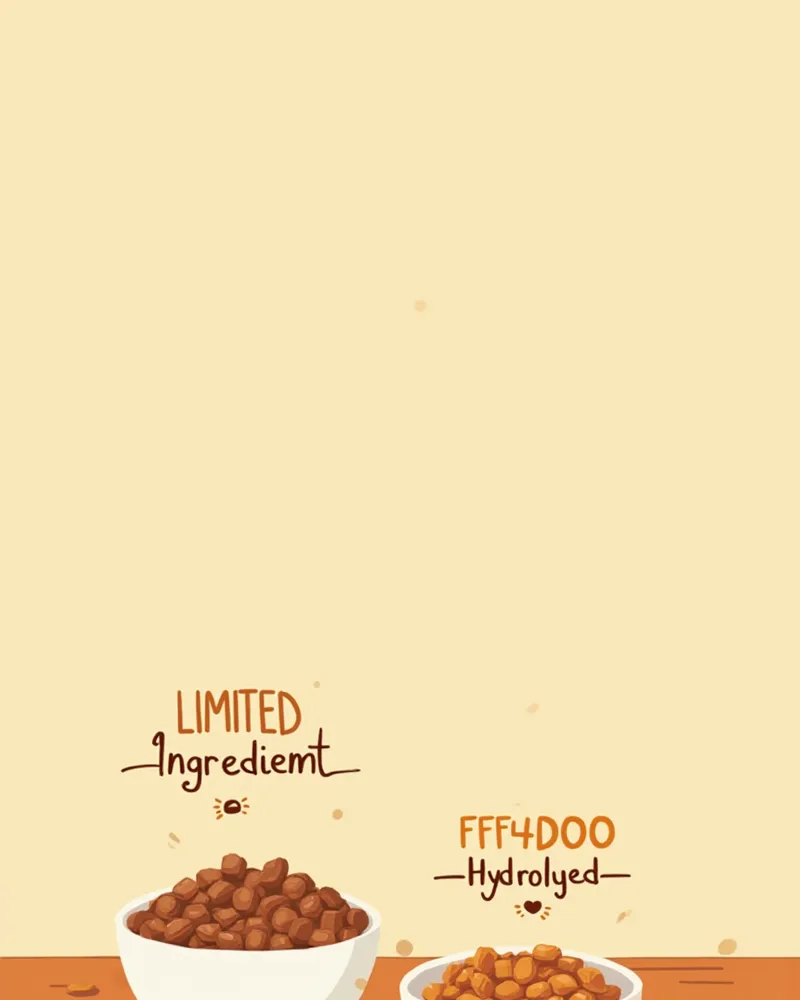
Limited-Ingredient Diets vs. Hydrolyzed Protein Diets
Steps for Transitioning Food
Confirming the Cause with a Food Challenge
Check Treats and Supplements Too
The most common reason for failure is switching the main food while keeping the same treats. You need to check the protein sources in all treats, including dried meat snacks, cheese treats, dental chews, and even the flavorings in joint supplements. If you're unsure, it's safest to only offer treats with the same protein source from the prescription diet company or boiled vegetables (such as sweet potatoes or pumpkin) during the transition period.
Reviewed by a veterinarian

Dr. Tony — Punnawat Phongkittirak
VeterinarianA veterinarian who majored in veterinary medicine at Khon Kaen University, Thailand, and completed the IVSA program at North Carolina State University in the United States. Drawing on clinical experience at animal hospitals, he works in the pet healthcare field and is dedicated to building a digital care environment that connects pet parents with veterinarians.
Reviewed 2026-04-27
Frequently Asked Questions
Are grain-free diets safe for pets with allergies?
Can allergy tests (blood or skin) pinpoint the exact cause?
Does switching to a homemade diet make it easier to avoid allergens?
If a pet has had an allergic reaction to a certain ingredient, does that mean they can never consume it again for the rest of their life?
Which new protein source should I choose?
Share
Related Guides

My Senior Cat Won’t Eat — A Complete Guide to Choosing Food for Cats with Weak Digestion

Top 5 Prescription Diets for Feline Pancreatitis Recommended by Veterinarians — Low-Fat, Highly Digestible Food Guide

Royal Canin vs Hill’s vs Purina vs Orijen — Which Brand Is Right for Your Pet, According to Veterinarians?
Drugs and substances that damage your dog’s kidneys? — What is dangerous and how to avoid it

What Stage Is My Dog’s CKD? — IRIS Staging and Stage-Specific Management

Will High Blood Pressure Damage Your Dog’s Kidneys? — Key Q&A for Pet Owners

What is canine hydronephrosis? — Symptoms and treatment

Canine Glomerulonephritis: Is Proteinuria the First Sign? — A Complete Guide to Symptoms, Treatment, and Prognosis

What is CKD palliative care for dogs? — How to maintain quality of life in the end stages
Will My Dog’s Kidney Disease Get Worse? — CKD Progression Monitoring Indicators and Testing Timing
References
[1] Fascetti AJ, Delaney SJ. Applied Veterinary Clinical Nutrition, 2nd Ed — Chapter 8: Commercial and Home-Prepared Diets
[2] Ettinger SJ, Feldman EC. Textbook of Veterinary Internal Medicine — Adverse Food Reactions
[3] Hand MS et al. Small Animal Clinical Nutrition, 5th Ed — Adverse Reactions to Food