

Comparison of Anemia Types (Regenerative, Non-Regenerative, IMHA)
Anemia is broadly categorized into regenerative, non-regenerative, and immune-mediated hemolytic anemia (IMHA). Because the underlying causes and treatment approaches vary depending on the type, early differentiation is crucial.
Anemia Types at a Glance
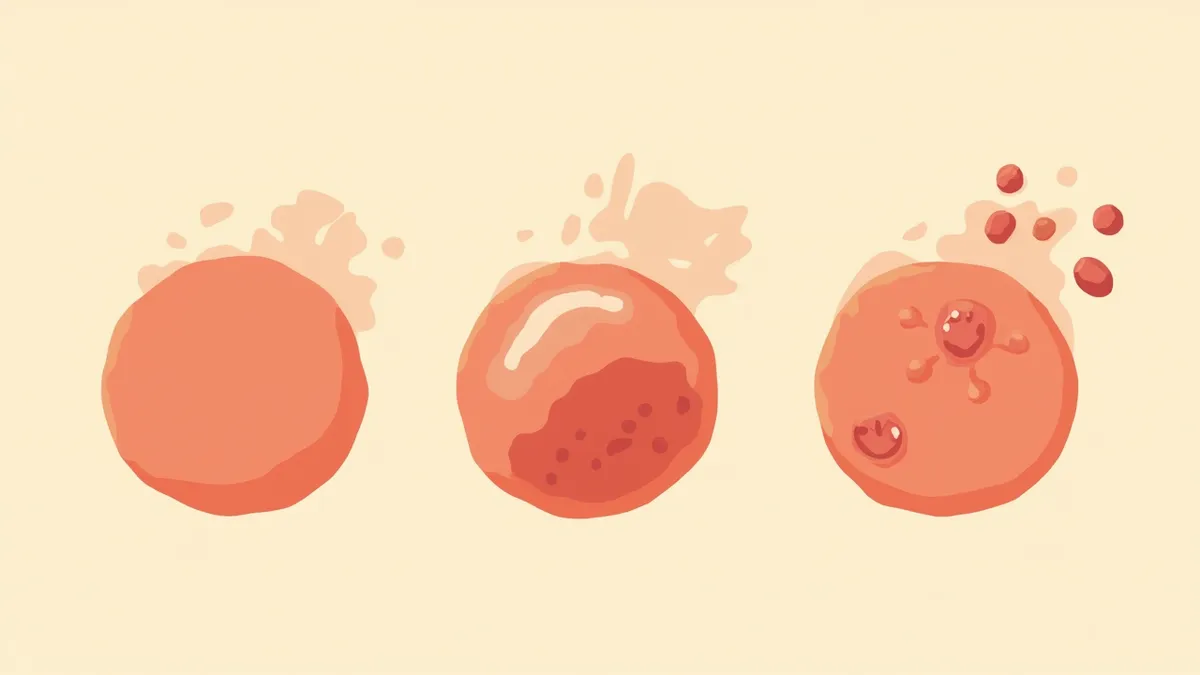
Why Is It Important to Differentiate Anemia Types?
Regenerative vs. Non-Regenerative vs. IMHA Comparison
| Item | Regenerative anemia | Non-regenerative anemia | IMHA (immune-mediated) |
|---|---|---|---|
| Cause | Hemorrhage, hemolysis | Bone marrow suppression, chronic disease | Immune system attacks red blood cells |
| Reticulocytes | Increased | Decreased or absent | Mostly increased (occasionally decreased) |
| Key diagnostics | CBC, hemorrhage cause workup | Bone marrow test | Coombs test, autoagglutination check |
| Treatment approach | Remove cause, transfusion | Treat underlying disease, long-term management | Immunosuppressants, transfusion, hospitalization |
| Urgency | Moderate to high | Moderate | Very high |
Accurate classification is determined by a veterinarian through CBC, blood smear, and bone marrow tests
Regenerative Anemia — The Bone Marrow Is Working
Non-Regenerative Anemia — There Is a Problem With the Bone Marrow
Go to the Vet Immediately If You See These Symptoms
If your pet’s gums, tongue, or the whites of their eyes appear pale or yellow (jaundice), their urine is cola-colored or dark brown, they are breathing rapidly and lethargic to the point of collapsing, or they suddenly lose their appetite and have an abnormally high or low body temperature, seek emergency veterinary care immediately, as these signs may indicate immune-mediated hemolytic anemia (IMHA) or acute hemolysis. Cocker Spaniels, Collies, English Springer Spaniels, Poodles, and Old English Sheepdogs are breeds particularly predisposed to IMHA.
IMHA — The Immune System Attacks Your Pet’s Red Blood Cells
Feline Anemia — Different From Dogs
Observation Points You Can Do at Home
Investing just 2–3 seconds each day can help detect anemia early. - Gum color: Pink is normal; white or yellow indicates a potential problem. - CRT (capillary refill time): If it takes longer than usual for the color to return after gently pressing and releasing the gums, it may signal a circulatory issue. - Respiratory rate: Persistently rapid breathing while at rest can be a sign of anemia. - Activity level: Monitor if your pet is lying down more than usual or struggling with stairs. If you notice any of these abnormalities, record them and bring the notes to your veterinarian.
Reviewed by a veterinarian

Dr. Tony — Punnawat Phongkittirak
VeterinarianA veterinarian who majored in veterinary medicine at Khon Kaen University, Thailand, and completed the IVSA program at North Carolina State University in the United States. Drawing on clinical experience at animal hospitals, he works in the pet healthcare field and is dedicated to building a digital care environment that connects pet parents with veterinarians.
Reviewed 2026-04-21
Frequently Asked Questions
Can I check for anemia at home?
Can IMHA be cured?
Does regenerative anemia also require a blood transfusion?
How long does treatment for non-regenerative anemia take?
Are Cocker Spaniels more prone to anemia?
Share
Related Guides

Primary vs. Secondary Veterinary Hospitals: A Comparison

5 Easy-to-Raise Cat Breeds for First-Time Owners — Grooming Difficulty Comparison

Top 7 Short-Legged Dog Breeds

Do Cats Grieve Too? — Behavioral Changes and Care Q&A After Pet Loss

If Your Cat Licks Until It Loses Fur — Signs of Compulsive Behavior and When to Visit the Vet

Why Do Cats Fight? — Causes and Management of Same-Species Aggression

Why Has My Cat Changed Since the Baby Arrived? — Behavioral Changes and Adaptation Timing
Dog Mammary Tumors FAQ — Key Information Every Pet Owner Must Know

My Cat Is Urinating Outside the Litter Box — Is It a Simple Mistake or a Sign of Disease?

Why Does Feline Cognitive Dysfunction Occur? — Causes, Behavioral Modification, and Treatment
References
[1] Notes on Canine Internal Medicine, 4th Ed — Chapter 5.4.2 Immune-Mediated Haemolytic Anaemia (IMHA)
[2] Fundamentals of Veterinary Clinical Pathology, 3rd Edition — Anemia Classification & PIMA
[3] Clinical Medicine of the Dog and Cat, 4th Ed — Chapter 16 Hematologic Disorders