Like
Share
멍실장
동물병원 진료비 얼마나 들까? 항목별 가이드

How Much Do Veterinary Clinic Fees Cost? A Guide by Category

ImmunityQ&AMeongsiljang Veterinary Advisory Board

Veterinary clinic fees vary depending on the specific services, the size of the animal, and the clinic itself. We've outlined the structure of these fees, the characteristics of each service, and how to prepare for them reasonably.

Why Do Veterinary Clinic Fees Vary So Much?

An illustration of a dog and a cat sitting in front of the reception desk at an animal hospital.
Veterinary clinic fees vary depending on the consultation charge, diagnostic tests, scope of treatment, and the size of the clinic. Since health insurance does not cover pet medical care as it does for humans, costs can differ between clinics even for the same procedure. Understanding the cost breakdown by category—such as consultation, diagnostics, surgery, hospitalization, and medication—helps you prepare more rationally. Since 2023, veterinary clinics have been required to display their fees for major services on-site. Knowing the cost structure before your visit can give you much greater peace of mind.

Why Is It Different from Human Hospitals?

Humans benefit from national health insurance, which covers a significant portion of medical expenses. However, there is no such health insurance for pets, meaning pet owners must cover all costs themselves, including diagnostics and surgeries. Additionally, veterinary clinics operate under a free-fee system, so prices for the same treatment can vary depending on the clinic’s equipment, expertise, and location. Higher costs don’t necessarily mean better care, and lower prices don’t indicate poor quality. Because of this structure, it’s important for pet owners to understand the breakdown of veterinary fees and communicate openly with their veterinarian about which tests and treatments are truly necessary.

Overview of Major Fee Categories

Veterinary clinic fees are generally divided into five main categories.
CategoryWhat’s IncludedFactors Affecting Cost
Consultation FeeMedical history review, physical examination, temperature and weight measurementInitial vs. follow-up visit, after-hours or emergency status
Diagnostic FeeBlood tests, X-rays, ultrasounds, etc.Type and number of tests performed
Treatment/Surgery FeeTherapeutic procedures, surgery, anesthesiaType of condition, surgical complexity, pet’s weight
Hospitalization FeeHospital room, monitoring, intravenous fluidsLength of stay, intensive care unit (ICU) use
Medication FeePrescribed medications, injections, topical treatmentsType of medication, duration of treatment

Let’s Look at Each Category in More Detail

Consultation Fee: This is the basic cost for the veterinarian to assess your pet’s condition. The initial visit is more expensive than follow-up visits, and additional charges apply for nighttime or emergency care.
Diagnostic Fees: These include blood tests, X-rays, ultrasounds, and urinalysis. While undergoing multiple tests at once, such as during a comprehensive health checkup, increases the overall cost, it enables early detection of diseases, which can ultimately save money in the long run.
Treatment and Surgical Fees: Costs vary significantly depending on the type of procedure, such as dental scaling, tumor removal, or patellar surgery. Anesthesia fees are often charged separately.
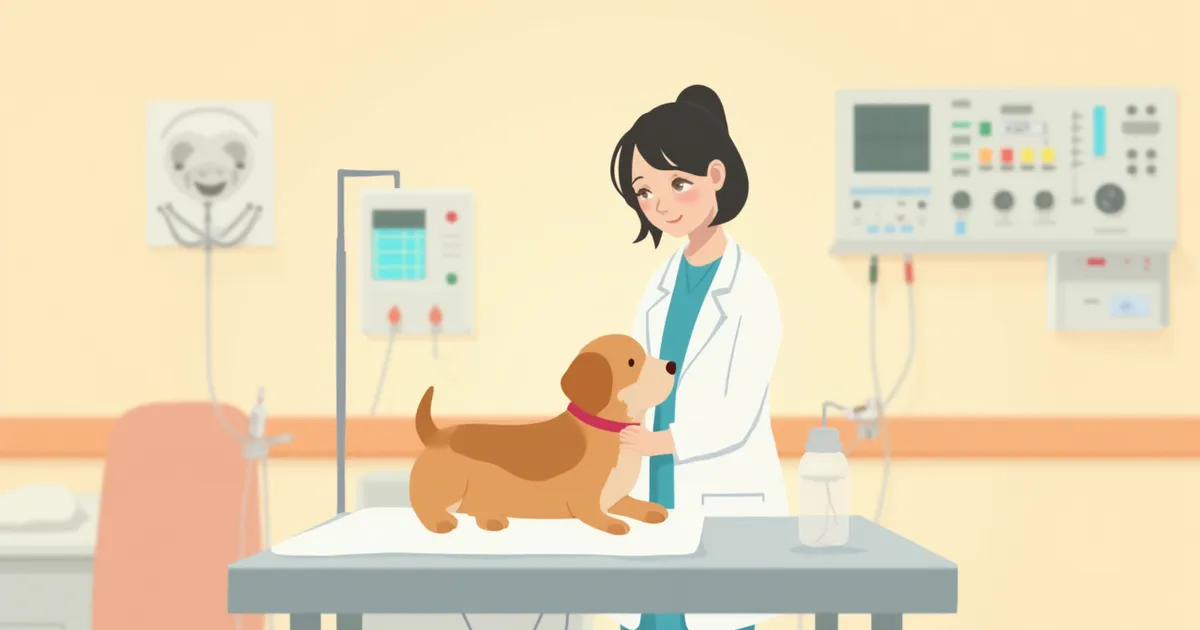
An illustration of a puppy being examined by a veterinarian.

How to Check Costs Before Treatment

Since 2023, veterinary clinics have been required to publicly display the costs of major medical services. You can check the fee schedule at the reception desk or in the waiting area when you visit. Before any tests or surgeries, please ask your veterinarian to explain the expected costs and specific items in advance. It is your right as a pet owner to know the costs beforehand.

Practical Tips to Reduce the Burden of Veterinary Fees

Schedule regular health check-ups: Routine wellness exams are a valuable opportunity to detect diseases even when symptoms are subtle or absent. Early detection can shorten treatment duration and help reduce veterinary costs.
Stay on schedule with vaccinations and deworming: Treating preventable diseases often costs far more than prevention. Vaccinations and regular deworming are fundamental, cost-effective measures to protect against infectious diseases.
Manage weight diligently: Excess weight and obesity can negatively impact your pet’s overall health. Working with your veterinarian to maintain a healthy weight helps prevent various health issues and reduces long-term medical expenses.
Visit the same clinic consistently: When your pet’s medical records are kept in one place, your veterinarian can reference previous test results, helping to avoid unnecessary duplicate testing.
Illustration of a dog and a cat undergoing a health checkup

Is Pet Insurance Worth Using?

With pet insurance, you can receive coverage for a portion of your veterinary bills. Since coverage limits and scopes vary by policy, it’s important to compare options carefully.
Coverage Scope: Check whether the policy covers outpatient visits, hospitalization, surgery, or all of the above.
Deductible: This is the amount you, as the pet owner, must pay when filing a claim. Generally, a lower deductible results in a higher premium.
Waiting Period: There is typically a waiting period after enrollment during which claims are not covered. It’s advantageous to enroll before your pet falls ill.
Pre-existing Conditions: Most policies exclude conditions that were diagnosed prior to enrollment.
An illustration of a puppy sitting next to an insurance protection icon.

Don’t Delay Treatment Due to Cost

Many pet owners delay visiting the vet because they’re worried about the cost. However, conditions that can be easily treated in the early stages may require major surgery if left untreated. If cost is a concern, be open with your veterinarian. They can help prioritize essential tests and treatments to ensure your pet receives the most critical care first.

Criteria for Choosing a Good Veterinary Clinic

Don’t choose a clinic based on treatment costs alone. There are other important factors to consider.
Clear explanations: Look for a clinic that thoroughly explains why each test or treatment is necessary and provides clear information about the associated costs.
Facilities and equipment: Make sure the clinic is equipped with basic diagnostic tools such as blood testing equipment, X-ray machines, and ultrasound devices.
Emergency care: Emergencies can happen at night or on weekends, so it’s a good idea to know the location of a nearby 24-hour emergency clinic in advance.
Medical record management: Clinics that maintain organized medical records are better suited for providing consistent, ongoing care.

Reviewed by a veterinarian

Dr. Tony — Punnawat Phongkittirak

Dr. Tony — Punnawat Phongkittirak

Veterinarian

A veterinarian who majored in veterinary medicine at Khon Kaen University, Thailand, and completed the IVSA program at North Carolina State University in the United States. Drawing on clinical experience at animal hospitals, he works in the pet healthcare field and is dedicated to building a digital care environment that connects pet parents with veterinarians.

Frequently Asked Questions

Why do veterinary fees vary from one clinic to another?
Veterinary clinics operate on a free-fee system. Unlike human hospitals, there are no standardized health insurance rates, so costs vary depending on the clinic's equipment, level of expertise, and location.
How often should pets have a health checkup?
Regular health check-ups help detect diseases early, even before symptoms appear. The ideal frequency of check-ups varies depending on your pet’s age, breed, and overall health, so it’s best to discuss a specific schedule with your veterinarian. Senior pets are generally advised to have more frequent check-ups, as their health can change more rapidly.
Does emergency care at night cost more?
Nighttime and emergency care are provided outside regular clinic hours, so additional fees are added to the standard consultation charge. While costs vary by clinic, they tend to be higher than regular consultation fees. In an emergency, however, prompt treatment is far more important than cost.
Do I need to get a receipt for the veterinary visit?
Yes, please be sure to receive it. You can check the costs for each item, and it is also necessary when filing a claim for pet insurance. Veterinary clinics are obligated to issue receipts that include detailed breakdowns of medical expenses.
When is the best time to enroll in pet insurance?
It’s best to enroll when your pet is young and healthy. If your pet is older or has already been diagnosed with a condition, enrollment may be restricted or certain conditions may be excluded from coverage.

Share

Related Guides

References

[1] The Dog Care Handbook: Things I Wish My Vet Had Told Me — Chapter: Cost of Veterinary Care

[2] 100 Top Consultations in Small Animal General Practice — General Practice Economics

[3] 농림축산식품부 — 동물병원 진료비용 등 고지 의무 관련 고시 (2023)

This information is based on veterinary literature and does not replace diagnosis or treatment. Please consult a veterinarian for specific health concerns.

Metapet Co., Ltd. | CEO: Park Sung-yong | Business Reg. No. 417-88-02562 | Seoul, South Korea | Customer Center

Veterinary Clinic Fees: A Guide by Category | Meongsiljang