
Like
Share
멍실장
BAER 청각 검사 (선천성 난청)

BAER Hearing Test (Congenital Deafness)

Brain & CognitionQ&AMeongsiljang Veterinary Advisory Board

BAER testing is the only way to objectively measure a puppy’s hearing. It’s essential if congenital deafness is suspected.

What is a BAER test?

A puppy undergoing a BAER test
A BAER (Brainstem Auditory Evoked Response) test is a precise neurological examination that objectively assesses hearing by measuring the electrical activity of a puppy’s brainstem in response to sound using electrodes. Because it records the brain’s electrical signals, it differs fundamentally from behavioral observation, which relies on visually monitoring a dog’s reaction to sound. The key point is that relying solely on behavioral responses makes it difficult to accurately identify unilateral hearing loss. Therefore, we recommend that dogs of breeds with white or merle coat patterns—known to be associated with congenital sensorineural deafness—undergo this test at least once in their lifetime. However, for the safest approach, please consult with a veterinary neurologist to confirm the best course of action for your pet.

When is a BAER test necessary?

BAER testing can be performed once the auditory nerves have sufficiently developed. It is particularly recommended in the following cases: - Breeds prone to hearing loss: Boxers, Dachshunds, and Jack Russell Terriers (associated with congenital sensorineural hearing loss and white or merle coat colors), and Collie breeds (risk of adult-onset hereditary hearing loss) - White or merle coat color: Congenital sensorineural hearing loss is most commonly associated with white or merle coat colors - Puppies that do not respond when called: Especially if they are difficult to wake from sleep - Responding to sound from only one direction: Possible unilateral hearing loss - Pre-breeding screening: For breeds at risk of hereditary hearing loss, consider testing to screen breeding dogs

How is the test performed?

BAER testing is usually completed in a relatively short amount of time. There is little to no pain involved, and if your dog cooperates well, the test can be performed without anesthesia. 1. Electrode placement: Small needles or adhesive electrodes are attached to the top of the head, in front of both ears, and at the back of the neck. 2. Earphone insertion: Small insert earphones are placed in both external ear canals to deliver click sounds. 3. Waveform recording: The computer measures the brainstem response waveforms (Waves I–V) to the sound stimuli. 4. Unilateral measurement: Each ear is tested separately to distinguish unilateral hearing loss. If your dog moves excessively, muscle signals can interfere with and distort the waveforms. Therefore, active or sensitive puppies may be given a mild sedative. The exact duration and need for sedation vary depending on the testing facility and your dog’s condition, so it’s a good idea to confirm these details before your visit.
BAER testing equipment and waveform measurement screen

Behavioral Observation vs. BAER Test

ItemBehavioral ObservationBAER Test
Detection of bilateral deafnessPossiblePossible
Detection of unilateral deafnessFalseTrue
ObjectivitySubjectiveObjective waveform recording
Breeding dog screeningUnsuitableApplies specialized neurological test criteria
Time requiredDays to weeks of observationCompleted in a short time

The BAER test can objectively distinguish even unilateral deafness, making it a precise neurological test that behavioral observation alone cannot replace.

Cases Where Testing is Strongly Recommended

If any of the following apply, we strongly recommend having a BAER test performed at a veterinary neurology clinic: - Your dog belongs to a breed at high risk for congenital sensorineural deafness, such as the Boxer, Dachshund, or Jack Russell Terrier, and has no prior testing history. - Your dog has a white or merle coat pattern, raising concerns about hearing ability. - One of the parents is deaf or has a history of deafness. - Your dog exhibits behaviors suggesting a difference in response between the two ears. - The puppy was acquired for breeding purposes.

How to Interpret the Test Results
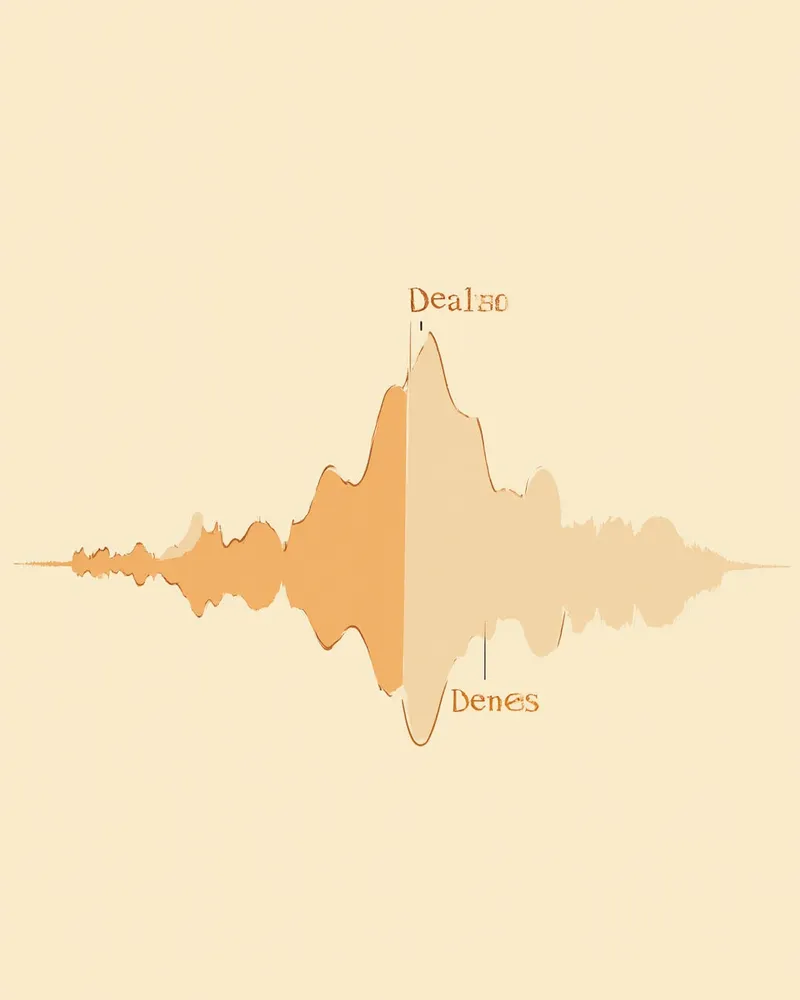
BAER waveforms typically appear as a series of peaks, from Wave I to Wave V. The results are generally categorized into three types: - Normal: Clear waveforms are present in both the left and right ears, indicating no hearing issues. - Unilateral deafness: Only one ear shows a flat waveform. While this often doesn’t significantly impact daily life, it’s best to consult with your veterinarian before deciding whether to use the dog for breeding. - Bilateral deafness: Both ears show flat waveforms. This requires adjustments in daily care and training methods. The result sheet will include waveform records for both ears in response to sound stimuli. Be sure to keep the original waveform sheet for future reference, such as when comparing results or undergoing retesting at another clinic.
Comparison of normal and hearing-impaired waveforms

What to Do If Your Dog Is Diagnosed with Deafness

There is currently no cure for congenital deafness, but with proper training and environmental adjustments, your dog can still live a happy and fulfilling life. - Hand signal training: Teach basic commands like "sit" and "stay" using visual cues instead of verbal ones. - Vibration collar: Use this to get your dog's attention from a distance (it vibrates only, no shock). - Always use a leash outdoors: Since your dog can't hear car horns or other dogs barking, letting them off-leash can be dangerous. - Be careful when waking them: Sudden touch may startle them and cause a bite. Gently tap near their paws to alert them with vibration.

Test Cost and Where to Get It

BAER testing requires specialized equipment and a neurologist, so not all veterinary clinics offer it. It’s typically performed at university-affiliated veterinary hospitals or secondary-care neurology specialty clinics. Be sure to call ahead to confirm whether the clinic has BAER equipment and to check available appointment dates before visiting.

Reviewed by a veterinarian

Dr. Tony — Punnawat Phongkittirak

Dr. Tony — Punnawat Phongkittirak

Veterinarian

A veterinarian who majored in veterinary medicine at Khon Kaen University, Thailand, and completed the IVSA program at North Carolina State University in the United States. Drawing on clinical experience at animal hospitals, he works in the pet healthcare field and is dedicated to building a digital care environment that connects pet parents with veterinarians.

Frequently Asked Questions

From what age can a puppy or kitten undergo a BAER test?
Testing can be performed once the auditory nerves have fully developed. It’s best if the breeder conducts the test in advance before placing the puppy with a new home.
Is anesthesia absolutely necessary?
Most procedures are performed without anesthesia. However, for very active or nervous dogs, we may use a mild sedative.
Can a dog live a normal daily life with hearing loss in just one ear?
Yes, unilateral hearing loss often doesn’t cause significant inconvenience in daily life. However, it may be difficult to accurately determine the direction of sounds, and whether to use the dog for breeding should be carefully decided in consultation with a veterinarian.
Do all white-coated or merle-patterned puppies have hearing loss?
Not exactly. However, congenital sensorineural hearing loss is known to be strongly associated with white or merle coat colors, so extra caution is advised for breeds with these coat patterns. A definitive diagnosis can only be made through a BAER test.
Can test results change as my pet gets older?
Congenital deafness is lifelong. In contrast, age-related hearing loss (presbycusis) progresses gradually with age, so if your senior dog stops responding to their name, it may be worth having their hearing rechecked.

Share

Related Guides

References

[1] Strain, G.M., Deafness in Dogs and Cats, CABI, 2011

[2] Ettinger, S.J. et al., Textbook of Veterinary Internal Medicine, 8th ed., 2017

[3] Platt, S. & Olby, N., BSAVA Manual of Canine and Feline Neurology, 4th ed., 2013

This information is based on veterinary literature and does not replace diagnosis or treatment. Please consult a veterinarian for specific health concerns.

Metapet Co., Ltd. | CEO: Park Sung-yong | Business Reg. No. 417-88-02562 | Seoul, South Korea | Customer Center

BAER Hearing Test: Diagnosing Congenital Deafness in Dogs | Meongsiljang