

What Is a Veterinary Technician? A Complete Guide to Their Roles and How to Become One
Veterinary technicians are specialized medical professionals in animal hospitals who assist veterinarians by taking charge of animal care, examinations, and surgical support. Here’s an overview of their roles, how to become one, and the current situation in Korea.
What Is a Veterinary Technician?
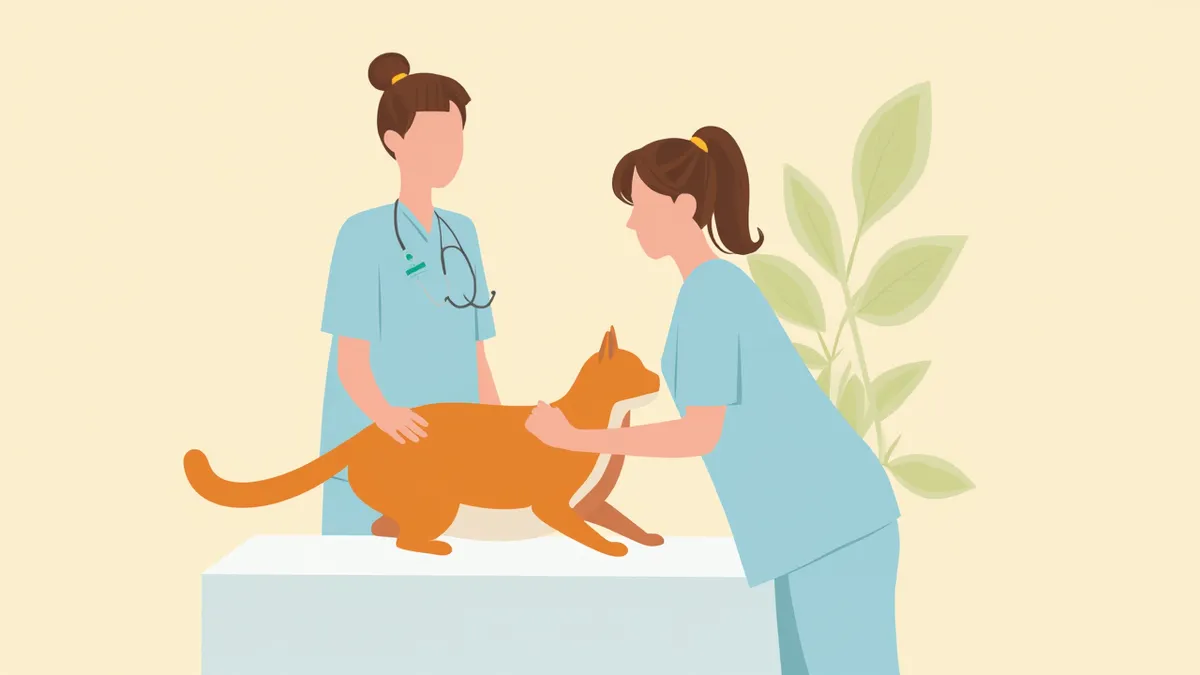
Why Are Veterinary Technicians Gaining Attention Recently?
What Veterinary Technicians Actually Do
Key Roles by Area of Responsibility
| Item | Nursing Area | Diagnostics Area | Surgery/Anesthesia Area |
|---|---|---|---|
| Representative Tasks | Checking body temperature, respiration, and appetite of hospitalized animals | Blood draw, urine collection, and imaging preparation | Anesthesia monitoring and operating room sterilization prep |
| Required Skills | Animal restraint and medication administration | Venous blood draw and microscopy reading assistance | Aseptic technique and anesthesia equipment operation |
| Frequency | Daily | Daily | According to surgery schedule |
Performed under the direction and supervision of a veterinarian; diagnosis and prescription are the exclusive authority of the veterinarian.
What’s the Difference Between Animal Health Technician and Veterinary Technician?
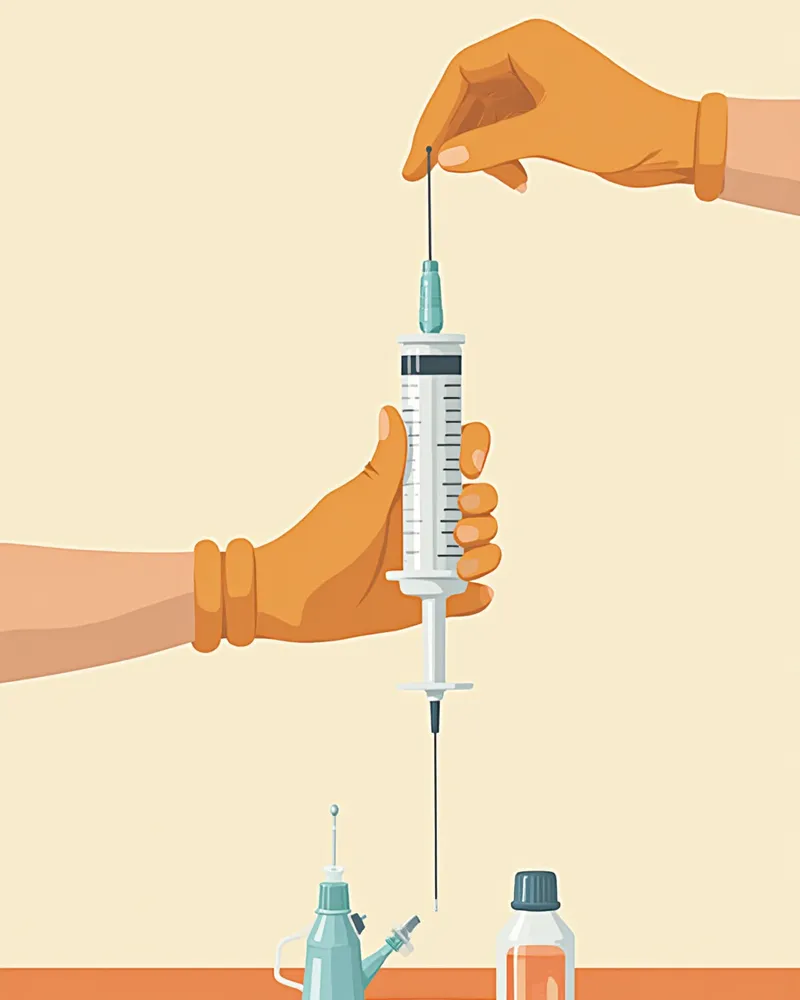
Do Veterinary Technicians Administer Injections and Perform Surgeries Directly?
Veterinary technicians can only perform procedures such as blood draws, IV fluid administration, and anesthesia assistance under the direct supervision and instruction of a veterinarian. It is illegal under the Veterinary Medical Act for them to independently diagnose conditions or perform surgeries. Occasionally, you may hear claims that a technician performed surgery, but this is a misrepresentation of their role in assisting with the procedure, such as passing instruments or monitoring anesthesia. As a pet owner, it is important to understand this distinction.
How to Become a Veterinary Technician

What Are the Salary and Working Conditions Like?
Key Points for Pet Owners to Know When Visiting the Clinic
At the veterinary clinic, the person responsible for blood draws, IV fluids, and inpatient care is likely a veterinary technician (animal health technician). Since they monitor your pet’s condition most frequently, providing them with detailed information about your pet’s usual appetite, bowel movements, and activity levels can greatly assist in the diagnosis and treatment. They also typically provide guidance on post-discharge care and medication administration.
Reviewed by a veterinarian

Dr. Tony — Punnawat Phongkittirak
VeterinarianA veterinarian who majored in veterinary medicine at Khon Kaen University, Thailand, and completed the IVSA program at North Carolina State University in the United States. Drawing on clinical experience at animal hospitals, he works in the pet healthcare field and is dedicated to building a digital care environment that connects pet parents with veterinarians.
Reviewed 2026-04-29
Frequently Asked Questions
What’s the difference between a veterinary technician and a veterinarian?
Can I work at a veterinary clinic without a license?
How difficult is the Animal Health Technician exam?
Can someone who studied humanities become a veterinarian?
Is it possible to work abroad?
Share
Related Guides

Primary vs. Secondary Veterinary Hospitals: A Comparison

5 Easy-to-Raise Cat Breeds for First-Time Owners — Grooming Difficulty Comparison

Top 7 Short-Legged Dog Breeds
How to Administer Eye Drops to Dogs and Cats
Types and Usage of Gastrointestinal Medications (Including Omeprazole)

Types and Precautions of NSAID Pain Relievers for Dogs and Cats

Long-Term Steroid Use in Dogs and Cats: Side Effects and Safe Management

How to Care for Drainage Tubes in Dogs and Cats

Suture Removal Timing and Precautions for Dogs and Cats
Types of Anesthesia for Dogs and Cats — Differences Between General, Regional, and Local Anesthesia
References
[1] Assessing Essential Skills of Veterinary Technology Students, 4th Edition
[2] AALAS, Laboratory Animal Technician Training Manual, 2021
[3] 농림축산식품부, 동물보건사 자격제도 운영 지침