Like
Share
멍실장
마취 회복기 모니터링 (체온·통증·구토)

Monitoring Anesthesia Recovery (Body Temperature, Pain, Vomiting)

ImmunityQ&AMeongsiljang Veterinary Advisory Board

We’ve compiled a guide on the essential signs to monitor during your dog or cat’s anesthesia recovery—such as body temperature, pain, and vomiting—along with proper care tips for managing their recovery at home.

What Is Anesthesia Recovery Monitoring?
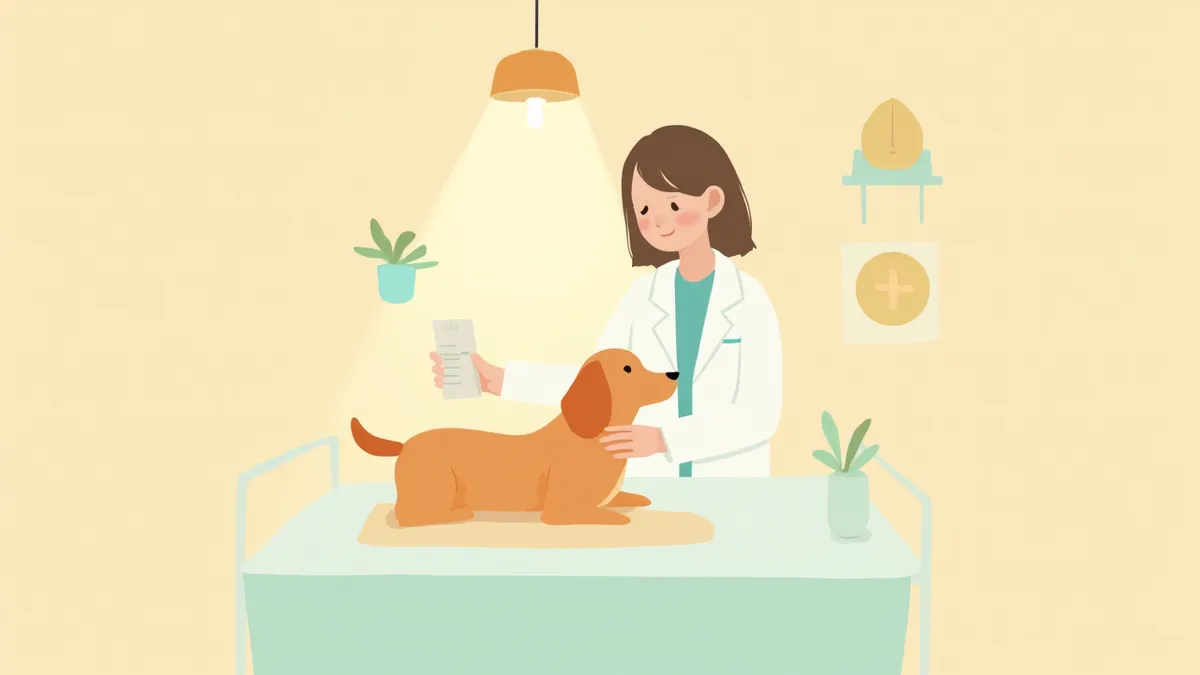
A veterinarian checking the body temperature of a dog wrapped in a blanket in the recovery room after surgery.
Monitoring during the recovery from anesthesia is a process of observing vital signs such as body temperature, pain, and vomiting while the animal wakes up after surgery or a procedure, in order to detect complications early. It is essential to keep a close watch on your pet and not leave them alone until they are fully awake, moving independently, and behaving normally. Veterinary guidelines recommend continuously checking vital signs like consciousness and respiration throughout the recovery period, with more frequent observations during the initial stages. Recovery doesn’t end when you leave the clinic; you must also consistently monitor these three indicators (body temperature, pain, and vomiting) at home using the same standards.

When Does the Recovery Period Start and End?

The recovery period from anesthesia spans from the initial stage of regaining consciousness to the later stage of returning to normal daily life. It is safer to monitor the animal’s condition rather than relying solely on a set timeframe. - Early recovery: This is the phase when consciousness returns, and it is observed at the veterinary clinic. According to clinical guidelines, frequent monitoring is necessary until the animal is fully awake, able to move independently, and behaving normally. - Mid-term recovery: This is the phase when the ability to stand, drink water, and urinate gradually returns. - Late recovery: This is the phase managed at home, where pain, vomiting, and loss of appetite are common issues. It is safer not to assume that the animal has fully returned to its normal routine immediately after discharge.

Normal/Abnormal Criteria for the 3 Key Indicators: Body Temperature, Pain, and Vomiting

ItemNormal rangeWarning signsGo to hospital immediately
Temperature (rectal)38.0–39.2℃37.5℃ or below / 39.5℃ or above37.0℃ or below / 40.0℃ or above
Pain signsLies down quietly and comfortablyWhimpering, crouching, rapid breathingUnable to move, trying to bite, persistent trembling
Number of vomiting episodes0–1 times (day of surgery)2–3 times within 24 hours4 or more times within 24 hours / with blood

The values are based on generally healthy adult dogs and cats. For animals with underlying conditions or young animals, follow the veterinarian's criteria.

Pain Signal Checklist

Dogs and cats cannot speak, so they tend to hide their pain. Cats, in particular, are skilled at masking discomfort, making it essential to closely monitor their posture and facial expressions. Pet owners should personally watch for the following signs: - Posture: Hunched abdomen, arched back, or crouching. They may guard the affected area or exhibit changes in posture and movement, such as repeatedly lying down and standing up. - Breathing: Shallow, rapid breathing or continuous panting. - Facial Expression: Half-closed eyes and ears pinned back (especially in cats). - Response: Flinching when touched, growling or hissing, and displaying fear-induced aggression. - Appetite and Grooming: Decreased appetite; in cats, grooming may either increase or decrease. If you notice these signs, pain management may be insufficient. Consult your veterinarian to determine whether pain medication adjustments are needed, based on validated pain assessment scales and professional judgment.
A cat curled up on a cushion with its eyes half-closed

Emergency Signs Requiring Immediate Veterinary Care

Seek emergency veterinary care immediately—even in the early morning or at night—if you notice any of the following signs: - A noticeably lower-than-normal body temperature, with cold lips and paw pads, and shivering - Vomiting that contains blood or resembles dark coffee grounds - Prolonged cloudiness of consciousness or lack of response to your voice - Bright red blood dripping from the surgical site - Abnormally rapid or labored breathing that does not subside Small-breed dogs and cats are particularly vulnerable to hypothermia, so prioritize checking their body temperature and ensure their recovery area is well-warmed. If you are unsure, do not hesitate to contact your veterinarian.

What to Do When Vomiting Occurs

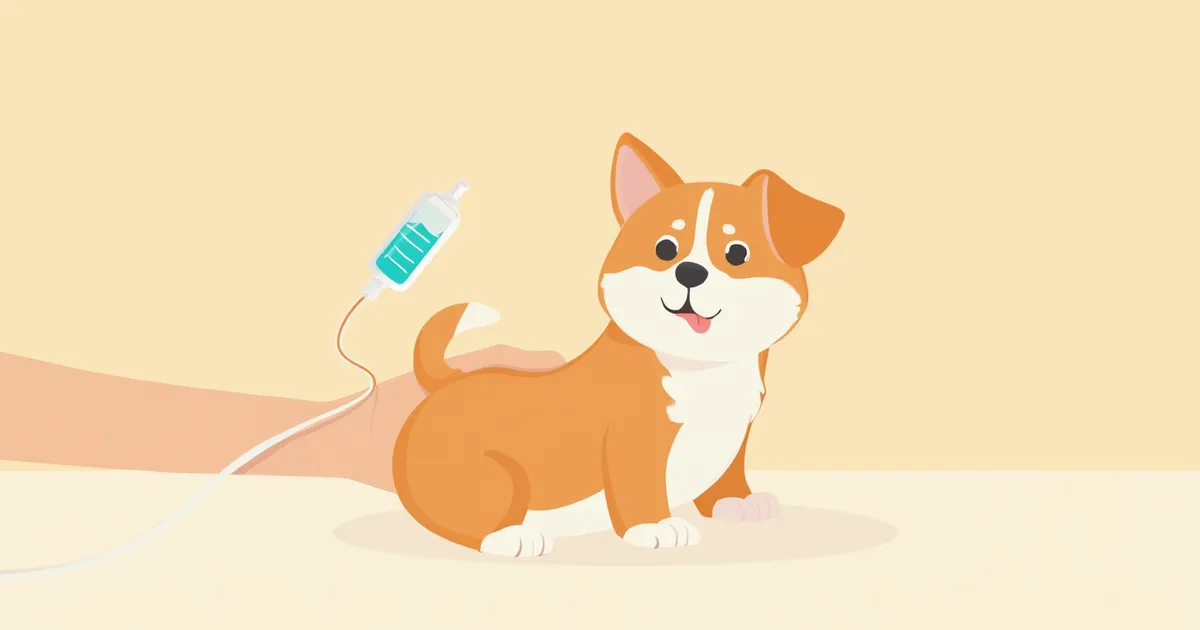
Vomiting once or twice on the day of surgery is common after anesthesia. However, if the frequency increases, the risk of aspiration pneumonia rises significantly. Same-day care 1. Do not offer water for at least 2–4 hours after surgery (follow your veterinarian’s instructions). 2. Once your pet is fully alert, progress in this order: licking ice chips → small amounts of water → soft, moist food. 3. If vomiting occurs immediately after eating, skip the next meal and reduce the portion size by half. If vomiting persists for more than 24 hours, antiemetic medications such as maropitant may be necessary. Your veterinarian will prescribe the appropriate dosage based on your pet’s weight.
A puppy being carefully given a small amount of water in a low bowl by its caregiver.

How to Manage Body Temperature and Environment at Home

After discharge, your pet needs a warm and safe recovery space, as maintaining body heat is crucial during this period. Veterinary guidelines recommend providing a heat source and soft flooring, allowing your pet to choose their own comfortable spot. - Warmth: Lay down blankets and set heating devices to a low setting, placing a towel over them to prevent direct skin contact. Ensure there is enough space for your pet to move away if it gets too warm. - Lighting: A dark and quiet environment aids recovery. - Movement: Avoid stairs and jumping; carry your pet to the litter box or toilet area. - Temperature Monitoring: Check temperature regularly with a rectal thermometer, following the frequency recommended by your veterinarian. Cats have an instinct to hide, so providing a low box lined with a blanket within their line of sight can help them feel secure.

Additional Precautions by Breed and Body Type

- Brachycephalic breeds (French Bulldogs, Pekingese, Persians): Due to their airway anatomy, extra care may be needed during the recovery period to monitor breathing. Minimize excitement and barking, and frequently check their breathing status. - Small dogs and young animals: They may be more susceptible to changes in body temperature and blood sugar levels. Do not administer food or supplements on your own after recovery; always follow your veterinarian’s instructions. - Cats: They rarely show signs of pain. According to available information, decreased appetite or changes in grooming behavior may be the only indicators of discomfort. - Senior animals: Recovery may take longer. Please assess based on the animal’s actual recovery condition rather than strictly adhering to a set timeframe.

Reviewed by a veterinarian

Dr. Tony — Punnawat Phongkittirak

Dr. Tony — Punnawat Phongkittirak

Veterinarian

A veterinarian who majored in veterinary medicine at Khon Kaen University, Thailand, and completed the IVSA program at North Carolina State University in the United States. Drawing on clinical experience at animal hospitals, he works in the pet healthcare field and is dedicated to building a digital care environment that connects pet parents with veterinarians.

Frequently Asked Questions

My pet is still sleeping after waking up from anesthesia. Is this normal?
Yes, it’s common for pets to be in a semi-drowsy state during the first 12 hours of recovery. However, if they don’t respond at all when called, or if their breathing is shallow and rapid, hypothermia or pain may be suspected. Please check their body temperature first.
When should I feed my pet on the day of surgery?
Once your pet is alert and their swallowing reflex has returned, start with small amounts of water. Typically, 4 to 6 hours after surgery, it is safe to offer one-quarter to one-half of their usual food portion as a soft, moist diet, following your veterinarian's instructions.
My pet is still whimpering even after giving pain medication. Can I give more?
Do not increase the dosage on your own. Your veterinarian will determine the appropriate dose based on your pet's weight. If your pet continues to show signs of pain within the prescribed dosing interval, call the clinic for further pain management adjustments.
My pet keeps trying to lick the surgical site. How can I stop them?
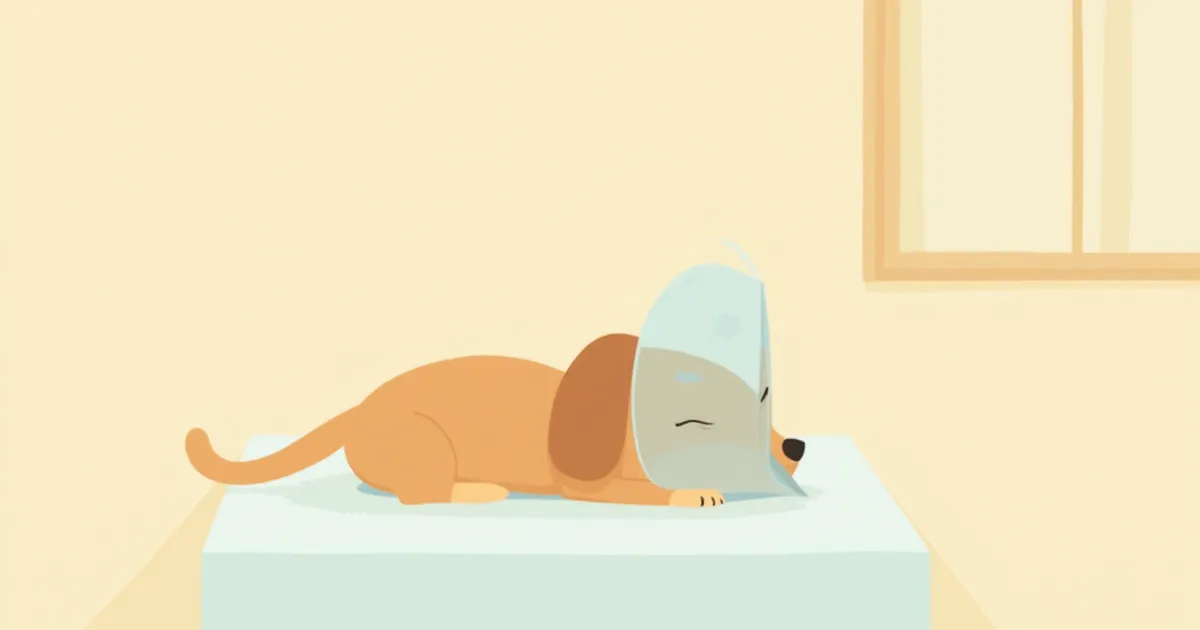
It’s important to keep the Elizabethan collar on your pet around the clock. Licking can cause sutures to come undone or lead to infection, which may require additional surgery. Even if your pet seems uncomfortable, please keep the collar in place for at least 7–10 days, or until the sutures are removed.
My pet threw up—should I go to the vet right away?
Vomiting one to two times on the day of surgery is common due to the effects of anesthesia. However, if the vomit contains blood, occurs more than three times within 24 hours, or if your pet continues to show signs of nausea without having eaten, immediate veterinary attention is required.

Share

Related Guides

References

[1] Schaer M., Gaschen F., Clinical Medicine of the Dog and Cat, 4th Ed — Vomiting and Postoperative Care

[2] Ahern T., Handbook of Veterinary Pharmacology — Antiemetics (Maropitant, Metoclopramide, Ondansetron)

[3] Grimm K. et al., Veterinary Anesthesia and Analgesia — Recovery Period Monitoring

This information is based on veterinary literature and does not replace diagnosis or treatment. Please consult a veterinarian for specific health concerns.

Metapet Co., Ltd. | CEO: Park Sung-yong | Business Reg. No. 417-88-02562 | Seoul, South Korea | Customer Center

Monitoring Anesthesia Recovery: Temperature, Pain & Vomiting | Meongsiljang