Like
Share
멍실장
강아지 종양 CT·MRI 스테이징 자주 묻는 질문 Q&A — 보호자가 꼭 알아야 할 핵심

What is canine tumor staging? — Do you need a CT or an MRI?

Oncology/CancerQ&AMeongsiljang Veterinary Advisory Board

We’ve compiled the essential information every pet owner should know about why CT and MRI scans are crucial for accurately staging canine tumors, when they should be performed, and what precautions to take before and after the procedures.

Why are CT and MRI staging important for canine tumors?

The MRI image shows a tumor in the dog's brain that is strongly highlighted.
CT and MRI staging are essential for accurately assessing a dog’s tumor size, location, invasion into surrounding tissues, and the presence of metastasis. These imaging studies help guide surgical planning, define radiation therapy fields, and evaluate treatment response. While chest X-rays remain a standard initial test for detecting lung metastasis, CT scans offer superior sensitivity, identifying pulmonary nodules as small as 1 mm and providing detailed visualization of bone involvement and soft tissue extension. This makes CT an invaluable tool for obtaining a comprehensive, three-dimensional understanding of tumor extent and developing an effective treatment strategy.

What are the differences between CT and MRI?
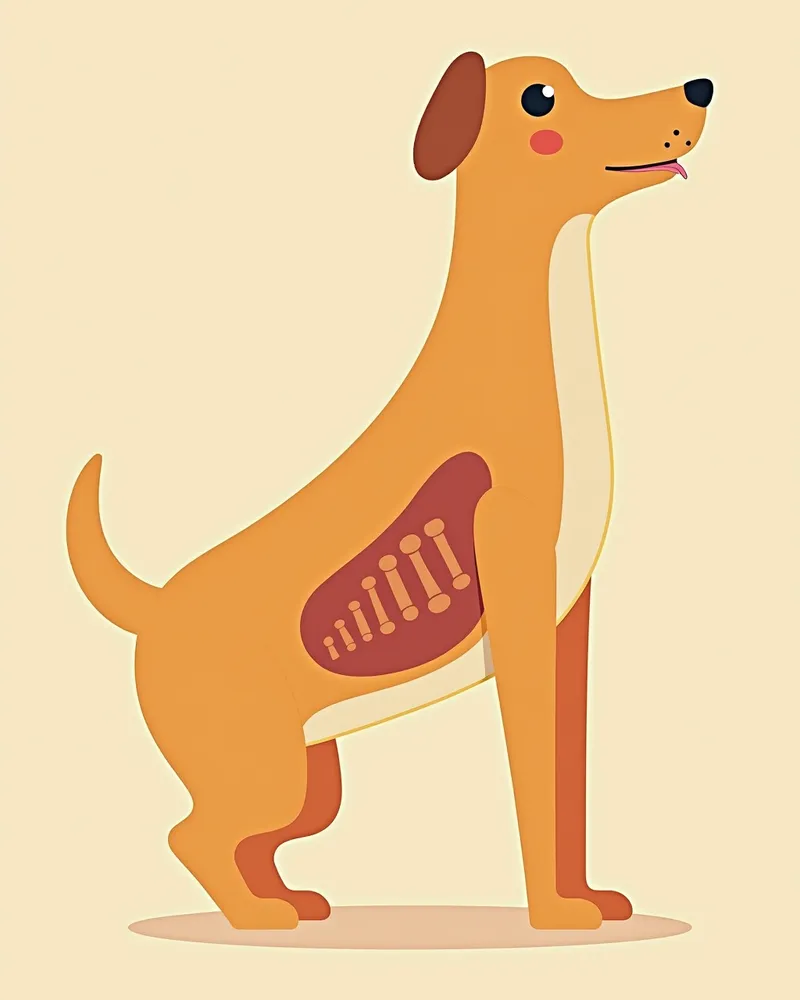
CT scans excel at quickly visualizing the structure of bones and lung tissue, making them particularly useful for determining whether a tumor has invaded the bone or spread to the lungs. MRI, on the other hand, offers very high resolution for soft tissues, allowing for precise observation of tumors in the brain, spinal cord, and muscles. In cases of brain or spinal cord tumors, MRI is essential. These two imaging modalities complement each other, and the choice between them depends on the specific equipment and expertise available at each veterinary hospital.
A comparison of abdominal CT and MRI imaging in dogs

When should the tests be performed?

This step is essential before deciding on a treatment strategy after a tumor diagnosis. Before surgery, it’s crucial to accurately assess the tumor’s size and its relationship with surrounding bones, nerves, and blood vessels. When planning radiation therapy, confirming the tumor’s precise location and size is equally important. In many cases, abdominal or chest CT scans are also performed to check for metastasis to the lungs, liver, or lymph nodes. The scan is conducted under anesthesia, and the veterinarian determines the optimal timing based on the patient’s overall health and the tumor’s characteristics. Therefore, adjusting the timing of the examination can directly impact treatment outcomes.
A veterinarian explaining the dog’s MRI results to its owner.

What preparations are needed before the test?

Before the procedure, dogs are typically fasted for 8 to 12 hours. Since anesthesia is required, an empty stomach ensures greater safety. Prior to anesthesia, a basic blood panel is performed to check parameters such as hematocrit, total protein, blood glucose, and electrolytes, allowing us to assess the patient’s overall health. Depending on the dog’s age and medical history, additional tests may be conducted. The veterinarian will evaluate the patient’s condition and adjust medications as needed. During the procedure, anesthesia is maintained to keep the dog still, and afterward, the dog is given ample time to recover under close observation. Owners should carefully monitor their pet’s condition both before and after the procedure.
A puppy recovering after an MRI scan

Immediate veterinary visit is required in these cases

If your pet shows signs of difficulty breathing, irregular heartbeat, low body temperature, or a strong reaction to anesthesia during the procedure, immediate action is required. Especially in older pets or those with heart conditions, the risk of anesthesia is higher, so a thorough pre-anesthesia evaluation is essential. After the procedure, if your pet continues to show excessive drowsiness, vomiting, or muscle stiffness, please contact us right away. Be sure to follow your veterinarian’s instructions carefully.

How are the test results interpreted?
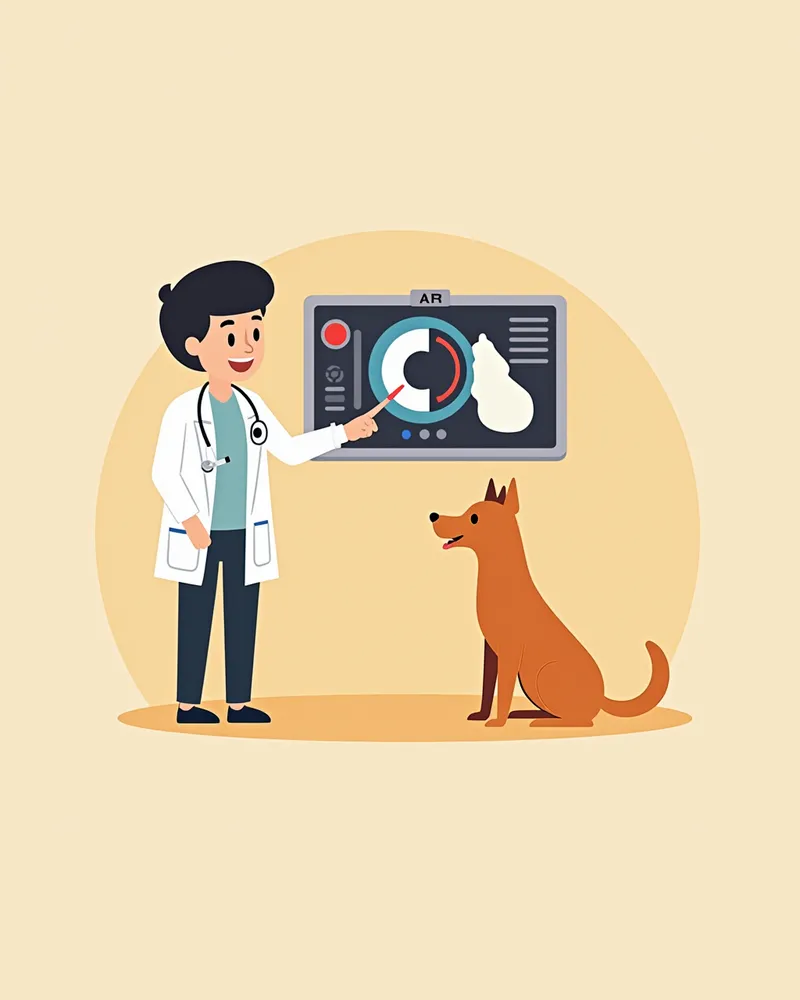
Veterinarians comprehensively analyze imaging results to assess tumor size, location, invasion into surrounding tissues, and the presence of metastasis. - CT scans: Precisely evaluate bone invasion and the potential for lung metastasis. - MRI scans: Clearly delineate tumor boundaries and internal structures within soft tissues such as the brain, spinal cord, and muscles. While the definitive determination of whether a tumor is benign or malignant requires a biopsy, imaging findings serve as a critical basis for establishing the treatment plan. Results are explained to pet owners in clear, accessible terms and directly inform the development of the treatment strategy. Reviewing these findings together with your veterinarian is the safest and most accurate approach.
A veterinarian pointing to a tumor on a puppy's MRI scan

CT vs MRI: Comparison in tumor staging

ItemCTMRI
ResolutionModerateVery high
Key advantageAssessing bone and lung structuresDetailed soft-tissue analysis
Need for anesthesiaRequiredRequired
CostLowHigh
Examination timeFastSlow

Choosing the right examination based on the tumor's location and nature is important. MRI is essential for brain and spinal cord tumors.

Post-test care points

- Monitoring during anesthesia recovery: Your pet may experience drowsiness or dizziness for 1–2 hours after the procedure. Please allow them to rest in a quiet environment. - Dietary management: Offer small amounts of water and food starting 4–6 hours after anesthesia. - Activity restriction: Limit activity for one day after the procedure, then gradually return to normal daily routines. - Monitoring for abnormal symptoms: Contact us immediately if vomiting, seizures, or muscle rigidity persist. - Regular check-ups: Even after establishing a treatment plan, regular imaging examinations are necessary to evaluate treatment efficacy.
A dog resting comfortably after the examination

Reviewed by a veterinarian

Dr. Tony — Punnawat Phongkittirak

Dr. Tony — Punnawat Phongkittirak

Veterinarian

A veterinarian who majored in veterinary medicine at Khon Kaen University, Thailand, and completed the IVSA program at North Carolina State University in the United States. Drawing on clinical experience at animal hospitals, he works in the pet healthcare field and is dedicated to building a digital care environment that connects pet parents with veterinarians.

Frequently Asked Questions

Which is more accurate, CT or MRI?
It depends on the tumor's location. MRI is far more precise for brain or spinal cord tumors, while CT is better suited for bone or lung tumors. These two imaging tests are complementary.
Is anesthesia dangerous?
All anesthesia carries some risk, but pre-anesthetic testing and careful management by a veterinary professional can significantly enhance safety. Extra caution and thorough evaluation are especially important for senior pets or those with chronic health conditions.
How much will the test cost?
A CT scan typically costs between $100 to $200, while an MRI ranges from $200 to $400. The exact cost can vary depending on the clinic, location, and the tumor’s position.
Is one test enough?
Additional tests may still be necessary during treatment. For example, follow-up exams after surgery, assessments of response during radiation therapy, and checks for recurrence may require further testing.
My dog is afraid of exams. What should I do?
The veterinarian performs the examination under anesthesia, ensuring your dog remains calm and stress-free. Be sure to discuss the procedure thoroughly with your vet beforehand.

Share

Related Guides

References

[1] Clinical Medicine of the Dog and Cat, 4th Ed, Chapter 14: Disorders of the Nervous System and Muscle, 2023

[2] Advanced Monitoring for Small Animal Emergency and Critical Care, 2nd Ed, 2021

[3] Veterinary Radiology & Ultrasound, Volume 58, Issue 4, 2017, 'MRI in Canine Tumor Staging: Clinical Applications and Prognostic Value'

This information is based on veterinary literature and does not replace diagnosis or treatment. Please consult a veterinarian for specific health concerns.

Metapet Co., Ltd. | CEO: Park Sung-yong | Business Reg. No. 417-88-02562 | Seoul, South Korea | Customer Center

What Is Dog Tumor Staging? CT vs. MRI: Which Do You Need? | Meongsiljang