Like
Share
멍실장
강아지 종양 수술 절제연 평가 자주 묻는 질문 Q&A — 보호자가 꼭 알아야 할 핵심

Did the Dog’s Tumor Get Completely Removed? — Why Surgical Margin Assessment Determines Recurrence

Oncology/CancerQ&AMeongsiljang Veterinary Advisory Board

Evaluating the surgical margins after a dog’s tumor removal is key to determining the risk of recurrence. We’ve compiled the essential questions and answers every pet owner should know.

Why Is Surgical Margin Assessment Important After Dog Tumor Surgery?
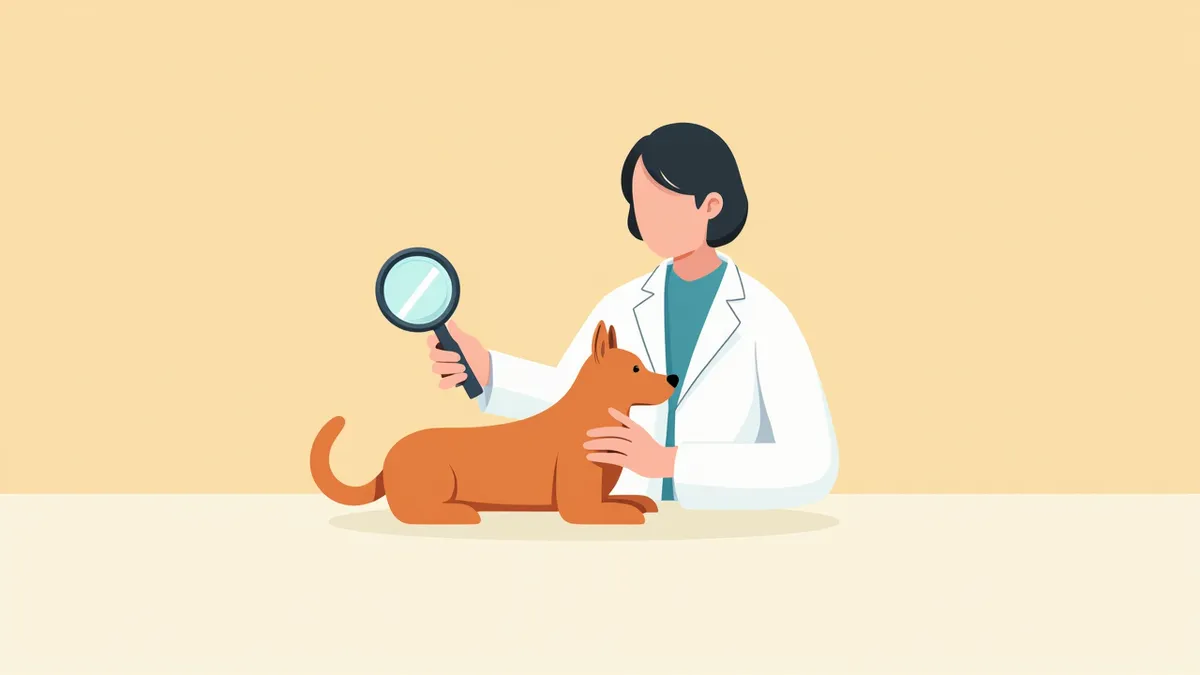
A veterinarian examining the margins of a surgically removed tumor under magnification.
Assessing surgical margins is a critical step to determine whether cancer cells remain at the edges of a tumor that has been surgically removed. In the pathology lab, cross-sections of the resected tissue’s margins are examined under a microscope, and these results provide important information for evaluating the risk of tumor recurrence. - Negative surgical margins: No cancer cells were found within the examined area, indicating complete removal. However, even with clear margins, this does not always guarantee a cure. - Positive surgical margins: This means cancer cells remain at the tissue edges. That said, margin status does not always directly correlate with recurrence; interpretation and the need for additional treatment depend on the tumor type, grade, and size. Therefore, your veterinarian’s assessment of the results is the most important factor in developing a treatment plan. Ultimately, surgical margin results are the first step in managing recurrence.

How Is Surgical Margin Assessment Performed?
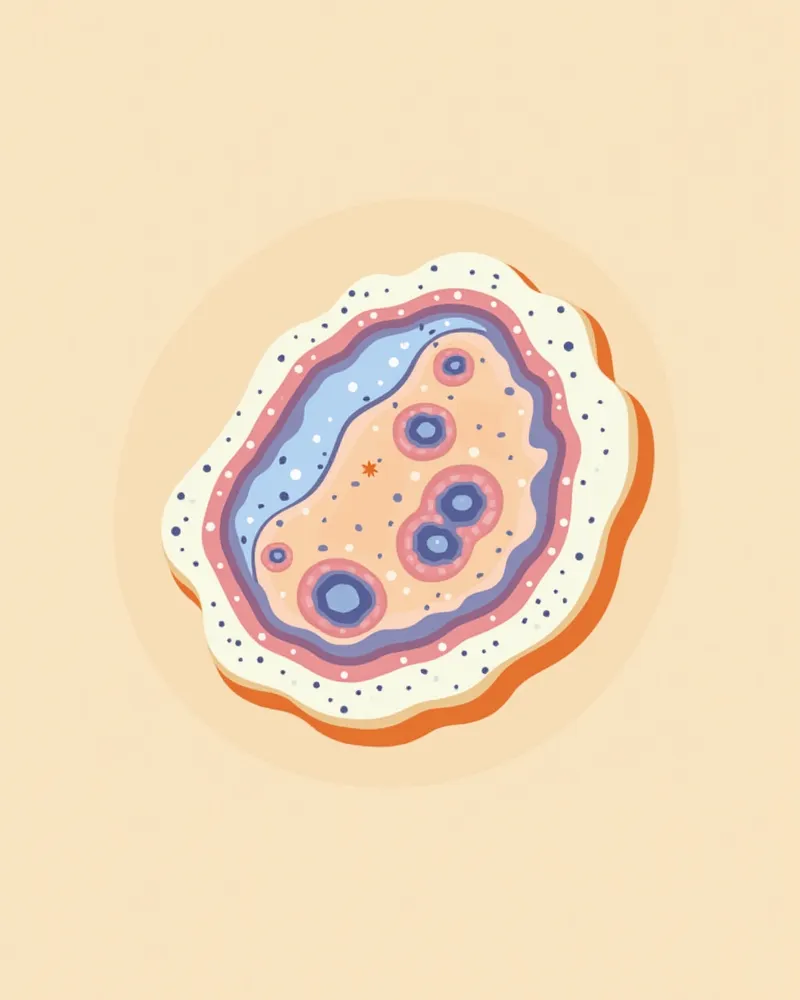
Margin assessment involves a pathological examination of the outer edges of tumor tissue removed during surgery. Typically, the tissue is sectioned in multiple directions (anterior, posterior, superior, and inferior) to microscopically determine whether cancer cells are present at the margins. Marking the surgical margins with ink or similar agents allows the pathology department to more accurately identify which surfaces represent the actual resection margins. - Pathological analysis: The cellular structure of the tissue is closely examined to determine the presence or absence of cancer cells. - Importance of result interpretation: Beyond a simple negative or positive determination, the tumor type and grade must also be considered. - Consultation with your veterinarian is essential: To ensure accurate interpretation, discuss the results with your veterinarian. This step is critical in determining the direction of any additional treatment.
A tissue biopsy sample viewed under a microscope, showing cancer cells present at the margins.

Is It Safe If the Surgical Margin Is 'Negative'?

A negative surgical margin is a positive sign that the tumor was completely removed within the scope of the examination. However, this does not guarantee that the tumor will not recur. Even with clear margins, complete removal does not always lead to a cure, as some tumors may have already spread to blood vessels or other tissues before surgery. - Risk of Metastasis: Even with negative margins, cancer cells may still be present in other areas. - Consider Additional Treatment: Depending on the type of tumor, you may discuss radiation or chemotherapy with your veterinarian. - Regular Check-ups Are Essential: Even with negative results, it is important to follow the regular check-up schedule recommended by your veterinarian. - Owner Awareness: Rather than feeling relieved by the results, ongoing care is crucial.
A puppy recovering after surgery, resting comfortably.

What Should Be Done Next If the Surgical Margin Is 'Positive'?
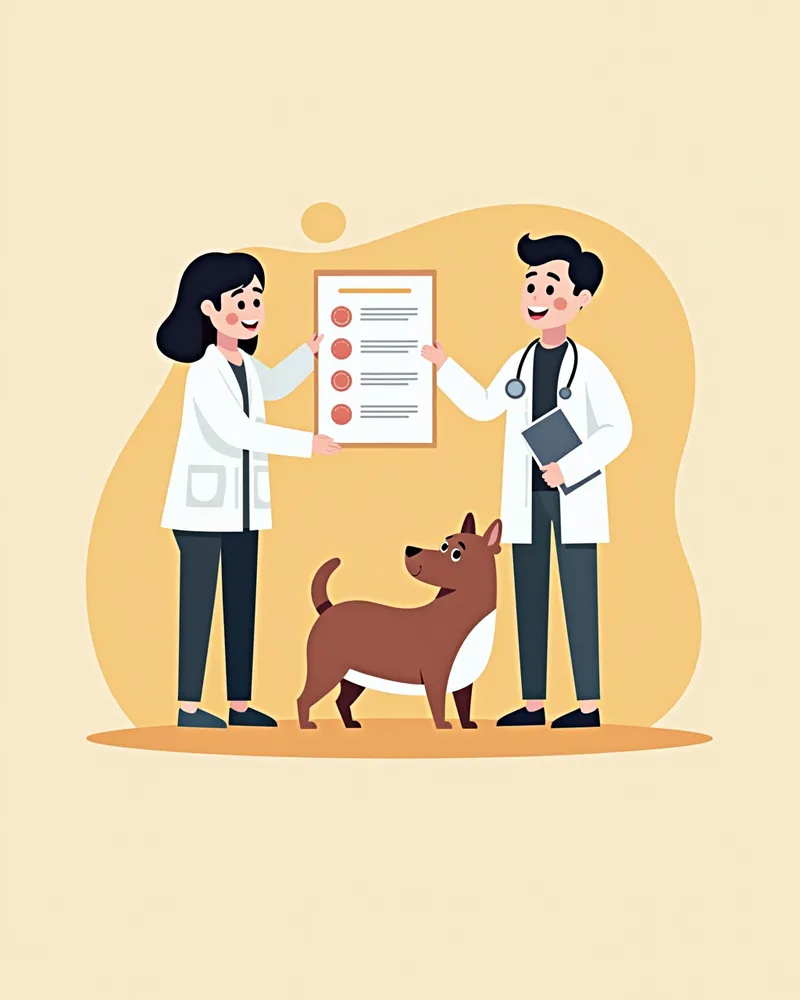
A positive surgical margin means that cancer cells were found at the edge of the removed tissue, suggesting that the tumor may not have been completely excised. In such cases, additional treatment or further surgery may be considered, depending on the tumor type and grade. - Radiation therapy: Can help control any remaining cancer cells locally. - Chemotherapy: May be used as a systemic treatment, depending on the tumor type. - Consultation with your veterinarian: It is important to develop a treatment plan together based on the biopsy results. - Importance of early intervention: Timely decisions are necessary to reduce the risk of recurrence. - Role of the pet owner: Actively participate in managing the treatment schedule and side effects.
A scene where a veterinarian discusses a radiation therapy plan with a pet owner.

Comparison of Next Steps by Surgical Margin Result

ItemRecurrence riskNeed for additional treatmentRecommended action
NegativeRelatively lowDepends on tumor typeRegular check-ups / consult if needed
BorderlineModerateDepends on tumor typeDiscuss additional treatment with the veterinarian
PositiveMay be relatively highDepends on tumor typeDiscuss re-excision, radiation, etc.

Margin results may be interpreted differently depending on the tumor type, grade, and location, and margin status is not always directly linked to recurrence. Be sure to consult your veterinarian.

Wait for the Surgical Margin Results

Margin results are typically available within 5 to 7 days after surgery. During this waiting period, it’s important to avoid unnecessary worry or relying on unverified information. The safest approach is to patiently wait for the official results.

Management Points After Surgical Margin Assessment
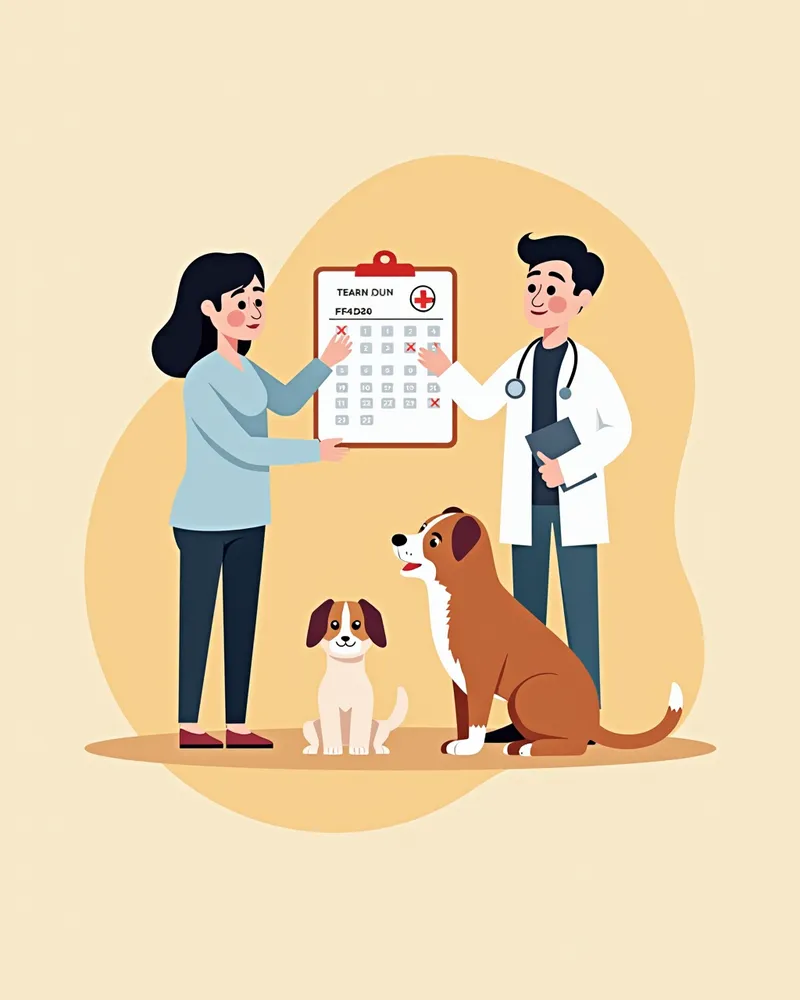
Once the biopsy results are available, you should discuss the next steps with your veterinarian. - Treatment decisions: Base any decisions about additional treatment on the biopsy and margin results. - Recovery timeline: Adjust your schedule to accommodate your pet’s post-surgical recovery. - Regular check-ups: Monitor your pet’s condition through blood tests and imaging as recommended by your veterinarian. - Owner observation: Carefully track changes in appetite, activity level, and signs of pain. - Communication: Feel free to ask your veterinarian any questions you may have. Open communication helps ensure the highest quality of care throughout this process.
A scene where the pet owner and the veterinarian discuss the post-operative care schedule together.

5 Frequently Asked Questions

Here are the most common questions pet owners have about evaluating surgical margins after tumor removal in dogs. Can the tumor recur even if the margins are negative? Yes, because metastasis may have already occurred. Is additional treatment always necessary if the margins are positive? In most cases, further treatment is recommended. When will the results be available? Typically within 5 to 7 days after surgery. Must a veterinarian interpret the results? Yes, pathology reports should be interpreted by a professional. What can pet owners do? Regular check-ups, monitoring for symptoms, and open communication with your vet are key.
Questions about evaluating the surgical margins for tumor removal in dogs

Reviewed by a veterinarian

Dr. Tony — Punnawat Phongkittirak

Dr. Tony — Punnawat Phongkittirak

Veterinarian

A veterinarian who majored in veterinary medicine at Khon Kaen University, Thailand, and completed the IVSA program at North Carolina State University in the United States. Drawing on clinical experience at animal hospitals, he works in the pet healthcare field and is dedicated to building a digital care environment that connects pet parents with veterinarians.

Frequently Asked Questions

When will the results of the histopathological examination be available?
Results are typically available within 5 to 7 days after surgery. The clinic will contact you separately with the results.
If the excised tissue is benign, is another surgery necessary?
The choice between surgical re-excision, radiation therapy, and chemotherapy depends on the type and grade of the tumor. Your veterinarian will help you determine the most appropriate treatment plan based on the biopsy results.
Even if she’s spayed, can the condition come back?
Yes, even if the surgical margins are negative, the tumor may have already spread. Regular check-ups are essential.
How should I care for my pet at home while we wait for the results?
Avoid touching the surgical site, limit your pet’s activity, and provide meals on a regular schedule. Follow your veterinarian’s instructions.
If the test results are back and your vet says no further treatment is needed, what should you do?
Regular check-ups are essential to monitor for any signs of recurrence. It’s important to follow the veterinary-recommended schedule for these check-ups.

Share

Related Guides

References

[1] Fossum TW. Preoperative and intraoperative care of the surgical patient. In: Fossum TW, Duprey LP, O’Connor D, editors. Small animal surgery. 3rd ed. Boston, MA: Elsevier; 2007.

[2] Hosgood G, Scholl DT. Evaluation of age as a risk factor for perianesthetic morbidity and mortality in the dog. J Vet Emerg Crit Care. 1998;8(3):222-36.

[3] Reader RC, McCarthy RJ, Schultz KL, et al (2020) Comparison of liposomal bupivacaine and 0.5% bupivacaine hydrochloride for control of postoperative pain in dogs undergoing tibial plateau leveling osteotomy. J Am Vet Med Assoc 256:1011–19.

This information is based on veterinary literature and does not replace diagnosis or treatment. Please consult a veterinarian for specific health concerns.

Metapet Co., Ltd. | CEO: Park Sung-yong | Business Reg. No. 417-88-02562 | Seoul, South Korea | Customer Center

Was the Dog's Tumor Fully Removed? Margins & Recurrence Risk | Meongsiljang