
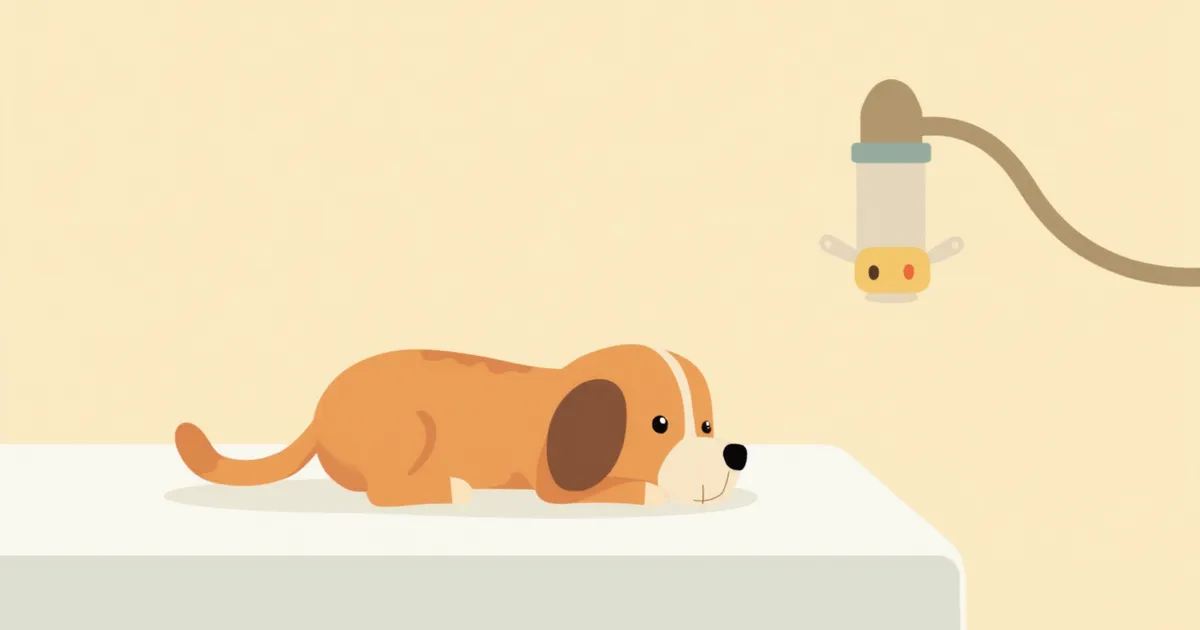
Punch Biopsy (Skin) Procedure
A punch biopsy is a skin tissue test in which a cylindrical blade is used to remove a small, cylinder-shaped sample of skin. Here’s an overview of this essential diagnostic procedure for accurately identifying the cause of skin diseases.
What is a Punch Biopsy? Key Essentials
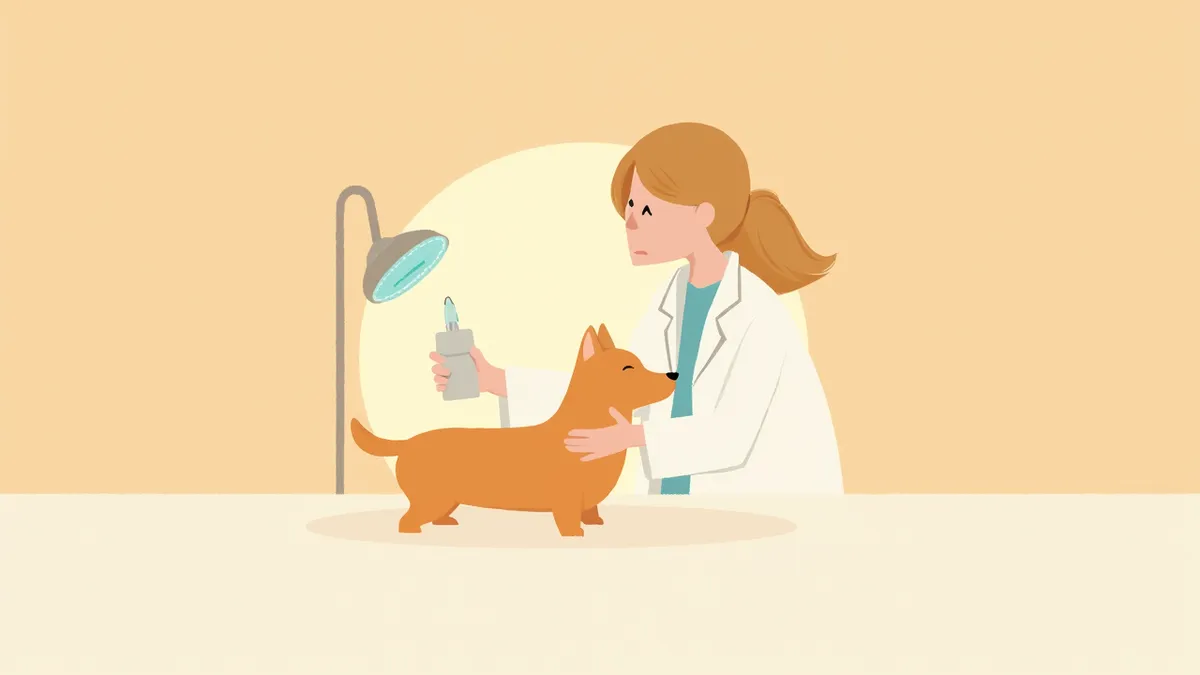
When is a Punch Biopsy Needed?
Step-by-Step Punch Biopsy Process
Punch Biopsy Procedure Steps
| Item | Time Required | Key Details |
|---|---|---|
| 1. Site Selection | 2–5 min | Select several of the most representative primary lesions (usually 3–4 sites for systemic disease) |
| 2. Anesthesia & Hair Removal | 5 min | Local anesthesia (with sedation if needed); only remove hair and do not scrub or disinfect the surface, preserving lesion information |
| 3. Tissue Collection | 2–3 min | Rotate the punch in one direction to collect a cylindrical column of skin |
| 4. Suturing | 3–5 min | Usually one or two sutures (simple cruciate suture), or treatment with staples or tissue adhesive |
| 5. Pathology Submission | Varies by clinic | Submit along with signalment, history, and differential diagnoses to an experienced veterinary dermatopathologist |
When collecting tissue, twisting the punch back and forth or using a dull punch can damage the sample and make interpretation difficult.
Is Anesthesia Necessary?

What to Tell Your Veterinarian Before the Test
Be sure to inform your veterinarian before a punch biopsy. 1) Whether your pet has taken steroids or immunosuppressants in the past 2–4 weeks (these can skew results) 2) Whether any ointments or shampoos have been applied to the area being tested 3) Any history of bleeding tendencies or difficulty stopping bleeding 4) Any history of heart or kidney disease, or adverse reactions to anesthesia In particular, steroids can mask lesions and lead to misdiagnosis, so your veterinarian may recommend discontinuing them for a specific period before the procedure.
Recovery Period and Home Care After the Test

How Are the Test Results Delivered?
Reviewed by a veterinarian

Dr. Tony — Punnawat Phongkittirak
VeterinarianA veterinarian who majored in veterinary medicine at Khon Kaen University, Thailand, and completed the IVSA program at North Carolina State University in the United States. Drawing on clinical experience at animal hospitals, he works in the pet healthcare field and is dedicated to building a digital care environment that connects pet parents with veterinarians.
Reviewed 2026-04-28
Frequently Asked Questions
Is a punch biopsy very painful?
I’m worried about scarring.
How much does the test cost?
Do cats follow the same procedure?
Can I bathe my pet right after the examination?
Share
Related Guides

Primary vs. Secondary Veterinary Hospitals: A Comparison

5 Easy-to-Raise Cat Breeds for First-Time Owners — Grooming Difficulty Comparison

Top 7 Short-Legged Dog Breeds
The Complete Guide to Dietary and Exercise Management of Osteoarthritis in Senior Dogs

How Much Should You Walk a Senior Dog? — How to Adjust Intensity and Duration
Complete Guide to Hepatic Encephalopathy (HE) Symptoms and Dietary Management
Diabetic Ketoacidosis (DKA) Emergency

Causes of Hypercalcemia and Emergency Steps
If Your Dog’s Gums Are Pale — IMHA Symptoms and Emergency Signs
Emergency Response for Acute Kidney Failure (AKI) in Dogs
References
[1] Miller, Griffin, Campbell, Muller & Kirk's Small Animal Dermatology, 7th Edition, Chapter 2: Diagnostic Methods
[2] Hnilica & Patterson, Small Animal Dermatology: A Color Atlas and Therapeutic Guide, 4th Edition
[3] Ettinger, Textbook of Veterinary Internal Medicine, 8th Edition, Dermatologic Diseases