

Why Do Cats Bring Home Dead Animals — Hunting Instinct or Affection?
When cats bring home dead mice, birds, or insects, it’s an instinct inherited from their wild ancestors—rooted in hunting and nurturing behaviors. Rather than scolding them, the key is to maintain good hygiene and provide appropriate outlets for their natural hunting instincts.
What Is the Behavior of Bringing Home Prey?
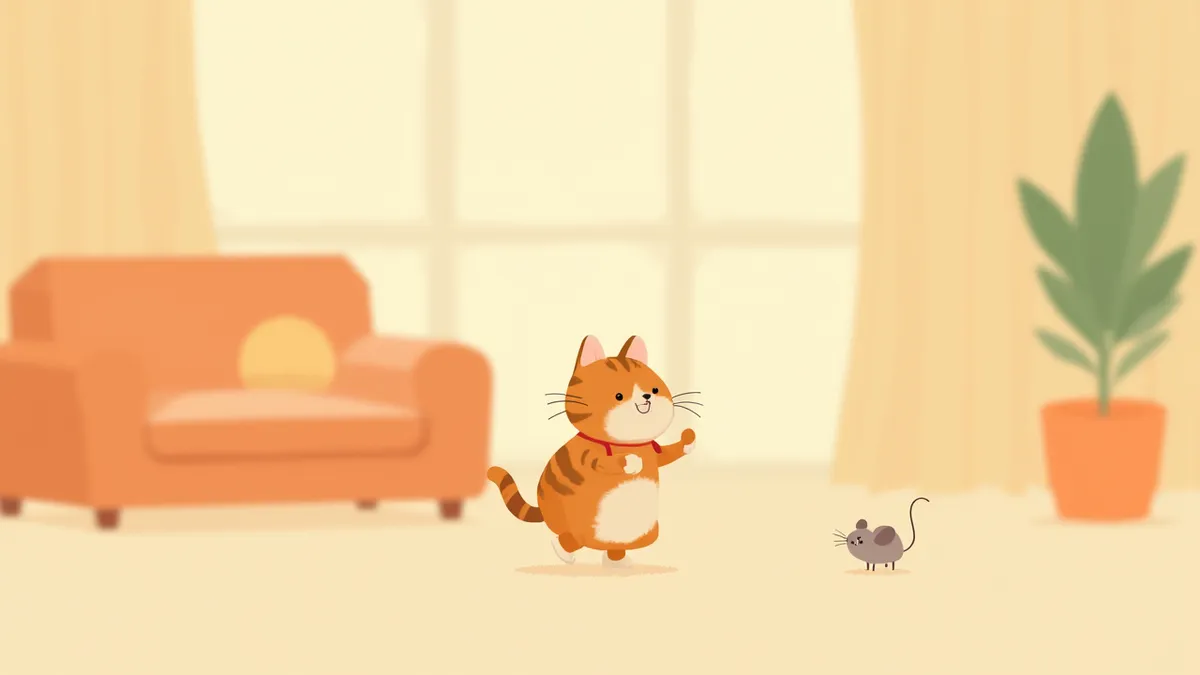
Why Does This Instinct Persist?
5 Reasons Why Cats Bring Home Prey

If You’ve Touched a Dead Animal, Be Sure to Check This
Carcasses of dead mice, birds, or lizards may carry zoonotic pathogens—such as parasites, bacteria, and viruses that can also infect humans—or external parasites like fleas and ticks. If your cat, especially one that frequently goes outdoors, shows abnormal symptoms such as diarrhea, vomiting, loss of appetite, or weight loss, it is safest to have a veterinarian examine them and perform fecal and parasite tests to rule out other potential diseases. As for pet owners, avoid handling carcasses with bare hands; wearing gloves is the safest approach. If you do come into contact with a carcass, wash your hands thoroughly immediately with warm water and soap.
3 Steps for Proper Handling by Owners

Comparison of Outcomes by Response Method
| Item | Scolding | No Reaction | Calmly Cleaning Up and Praise-Based Separation |
|---|---|---|---|
| Cat's stress | Very high | Low | Low |
| Repeats next time | True | True | True |
| Risk of hiding and bringing prey | High | Moderate | Low |
| Hygiene management possible | Low | Low | High |
| Recommendation level | ❌ | △ | ✅ |
Based on veterinary behavioral science — punishment (scolding) cannot eliminate the instinct to bring prey itself, and it increases the cat's stress and anxiety. Suppressed instincts easily manifest in other forms, so calmly cleaning up and channeling the hunting drive into play is more advantageous for both hygiene and behavior management.
The Root Solution Is “Satisfying the Hunting Instinct

Indoor Cats Can Also Exhibit This Behavior
Even indoor cats often bring toys, strings, bugs, or dead cockroaches to their owners’ beds or shoes. This is a healthy sign that their hunting instincts are still strong. However, if the items they bring are small rubber bands, strings, or plastic, there is a risk of ingestion, so it’s best to keep such objects out of your cat’s reach indoors.
Reviewed by a veterinarian

Dr. Tony — Punnawat Phongkittirak
VeterinarianA veterinarian who majored in veterinary medicine at Khon Kaen University, Thailand, and completed the IVSA program at North Carolina State University in the United States. Drawing on clinical experience at animal hospitals, he works in the pet healthcare field and is dedicated to building a digital care environment that connects pet parents with veterinarians.
Reviewed 2026-04-28
Frequently Asked Questions
Is my cat bringing me prey a sign of affection?
Will scolding them prevent them from bringing it?
My cat brings me prey after hunting but doesn’t eat it—Is this normal?
Is washing your hands enough after touching a dead mouse?
Can I completely stop my dog from bringing home prey?
Share
Related Guides

Primary vs. Secondary Veterinary Hospitals: A Comparison
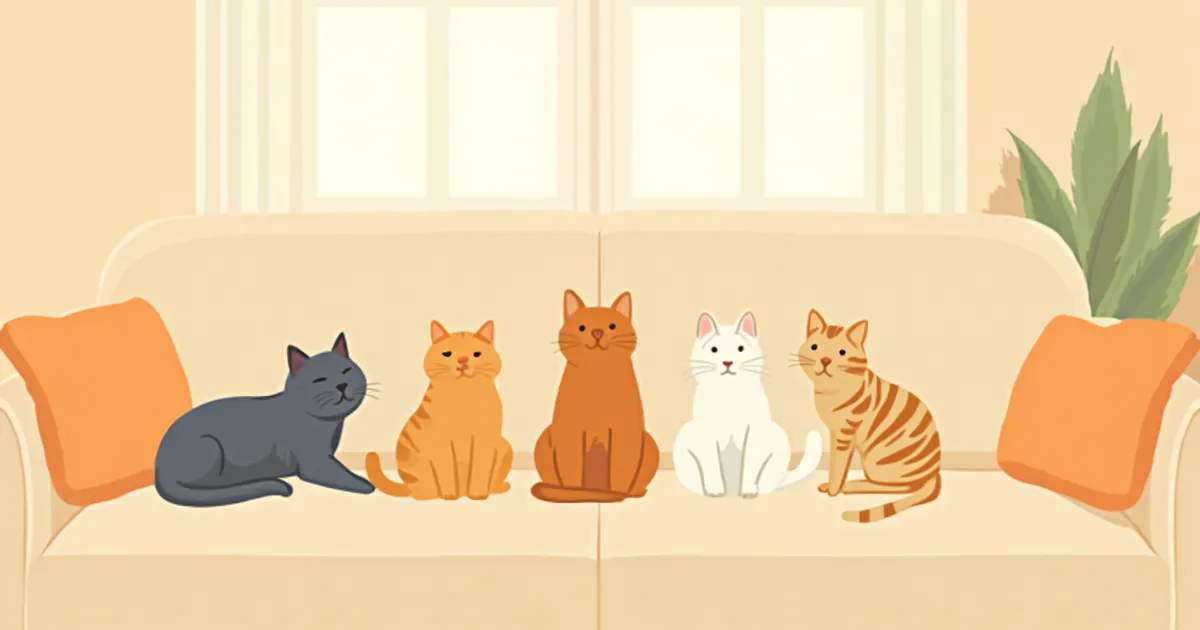
5 Easy-to-Raise Cat Breeds for First-Time Owners — Grooming Difficulty Comparison

Top 7 Short-Legged Dog Breeds
Anesthesia for Senior Pets: How to Ensure Safety — Pre-Anesthetic Tests You Must Check

Brachycephalic Breed Anesthesia Protocol and Risks
What is Peritoneal Dialysis for Dogs and Cats? — Possibilities, Indications, and When It’s Needed
Pet Kidney Transplants: Are They Really Possible? Reality and Limitations
Nephrotic Syndrome (Proteinuria, Hypoalbuminemia)
What is Immunohistochemistry (IHC) Staining? Its Significance in Tumor Diagnosis
Bone Marrow Aspiration Test (Diagnosis of Blood Disorders)
References
[1] Little, S.E. (ed.), The Cat: Clinical Medicine and Management, 2nd Edition, Chapter on Feline Behavior
[2] Horwitz, D.F. & Mills, D.S., Introduction to Animal Behavior and Veterinary Behavioral Medicine, Feline Predatory Behavior
[3] Bradshaw, J.W.S. et al., The Behaviour of the Domestic Cat, 2nd Edition, CABI