
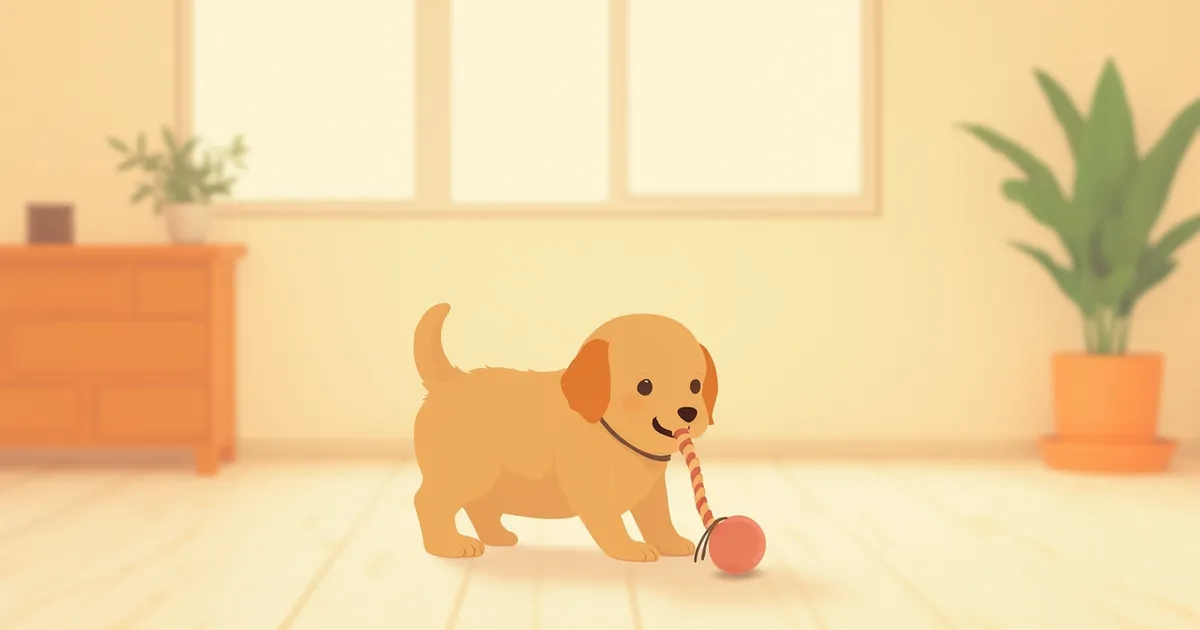
Puppy Biting Correction Methods Vary by Stage
The causes and correction methods for puppy biting vary depending on the dog's age. We've outlined the essential correction points for each stage from 2 to 8 months that you shouldn't miss.
What Is Stage-Specific Puppy Biting Correction?
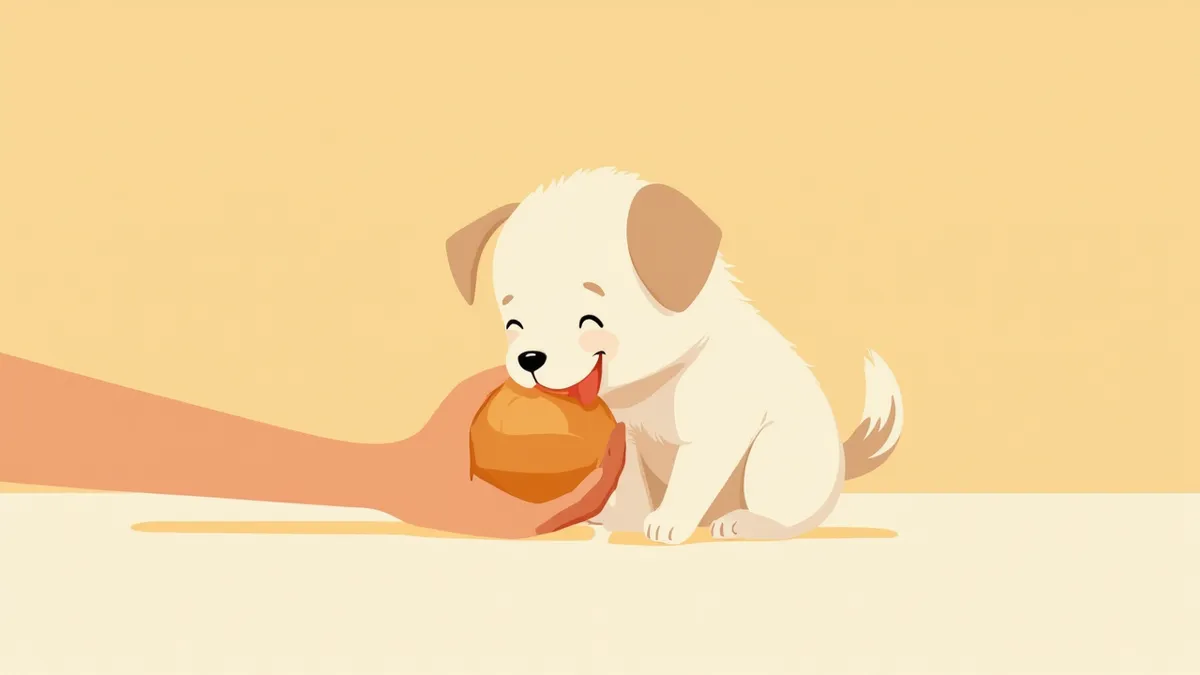
Why Should We Approach It by Stage?
Biting Characteristics and Correction Methods by Age
| Item | 2–3 Months (Milk Teeth Stage) | 4–6 Months (Teething Stage) | 7–8 Months (Late Socialization) |
|---|---|---|---|
| Main Cause | Exploration and curiosity | Gum itching and pain | Play and attention-seeking |
| Biting Pattern | Generally tends to bite gently | Increased biting frequency due to teething | May bite hard when excited |
| Key Correction Method | Bite inhibition (learning force control) | Provide cold toys | Stop play and time-out |
| Reactions to Avoid | Shouting loudly | Pushing away with hands | Physical punishment and excited reactions |
Ages are averages and vary by individual. Medically, nipping due to teething is usually prominent at 3–7 months of age, and biting intensity depends more on the individual and situation (level of excitement) than on age
2–3 Months: Bite Inhibition Is Key

4–6 Months: Soothe Teething Pain
Never Do These Things
Physical punishment, hitting the snout, or forcibly closing the mouth can actually worsen biting behavior. According to veterinary behavior textbooks, aversive techniques (such as physical punishment and coercion) increase a dog’s fear, anxiety, and stress levels and are less effective than positive reinforcement-based training. Repeated physical punishment carries the risk of escalating into fear-based aggression. Additionally, pulling your hand away abruptly or screaming loudly when the dog bites can stimulate excitement and reinforce the biting behavior, so calm and consistent responses are most important.
7–8 Months: Time-Outs and Teaching Alternative Behaviors

Common to All Stages — Energy Release Comes First
When to Consult a Vet
Consider consulting a veterinary behaviorist in the following situations: ① when your pet bites hard enough to draw blood and refuses to let go; ② when they growl and bite around food or toys (resource guarding aggression); or ③ if they have not learned bite inhibition by six months of age. These signs may indicate aggression beyond simple mouthing, making early intervention crucial.
Reviewed by a veterinarian

Dr. Tony — Punnawat Phongkittirak
VeterinarianA veterinarian who majored in veterinary medicine at Khon Kaen University, Thailand, and completed the IVSA program at North Carolina State University in the United States. Drawing on clinical experience at animal hospitals, he works in the pet healthcare field and is dedicated to building a digital care environment that connects pet parents with veterinarians.
Reviewed 2026-04-27
Frequently Asked Questions
My puppy bites whenever I try to touch his paws. What should I do?
When does teething end?
Can I correct the behavior with a spray or muzzle?
Will my dog naturally correct its behavior by learning through play with its littermates?
At what age should we start orthodontic treatment?
Share
Related Guides
7 Behavioral Enrichment Strategies for Mental Stimulation Recommended by Veterinarians
Top 5 Calming Supplements for Dogs and Cats in 2026

L-Theanine Effects and Calming Support
Dog Water Intake Monitoring FAQ — Key Points Every Pet Owner Should Know
Breed-Specific Dog Exercise Recommendations: Frequently Asked Questions — Key Points for Owners
Dog Annual Deworming Schedule FAQ — Key Information Every Pet Owner Must Know
Frequently Asked Questions on Regular Health Check-ups by Puppy Age — Key Points for Pet Owners
Feline Weight and Obesity Prevention Management FAQ — Key Points Every Owner Must Know
Frequently Asked Questions on Cat Travel and Transport Health Care — Key Points Every Owner Must Know
Frequently Asked Questions on Cat Summer Heat Management and Heatstroke Prevention — Key Points Every Owner Must Know
References
[1] Horwitz D., Mills D., BSAVA Manual of Canine and Feline Behavioural Medicine, 2nd Ed, Chapter: Puppy Development and Socialization
[2] Landsberg G. et al., Handbook of Behavior Problems of the Dog and Cat, 3rd Ed, Chapter: Aggression - Classification and Overview
[3] Overall K., Manual of Clinical Behavioral Medicine for Dogs and Cats, Chapter: Normal Canine Behavior and Ontogeny