Like
Share
멍실장
다묘 가정 고양이 합사 가이드

Guide to Introducing Cats in Multi-Cat Households

Brain & CognitionQ&AMeongsiljang Veterinary Advisory Board

The key to successfully introducing cats is to proceed gradually through isolation, scent swapping, visual contact, and finally direct face-to-face meetings. Here’s a step-by-step guide along with important precautions.

How to Start Introducing Cats
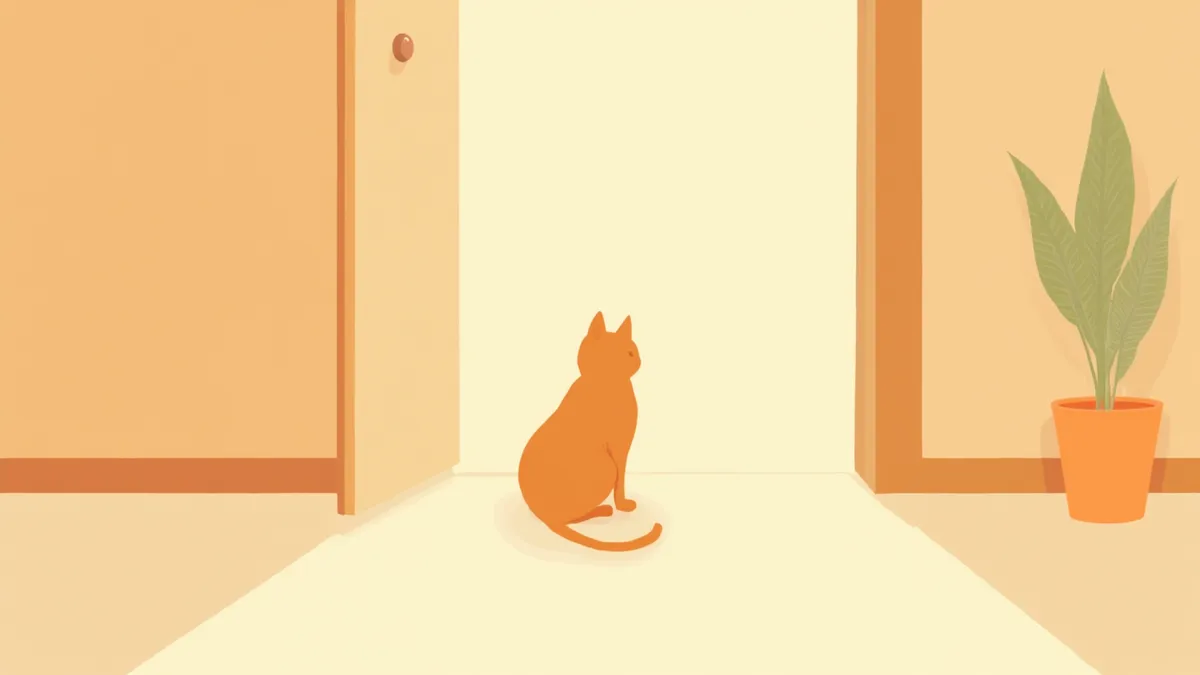
A cat curiously gazing toward the closed door in a sunlit room
The key to successfully introducing cats is to take it slow and proceed step by step. As territorial animals, cats can experience severe stress when a new cat suddenly appears. Veterinary behavior textbooks emphasize that introductions must be gradual, with each new step only taken when both cats are comfortable. The most important thing is to follow this sequence: isolation, scent exchange, visual contact, and finally direct face-to-face interaction. The time required can vary greatly depending on each cat’s age, personality, and past socialization experiences, so the key is to base your decision to move to the next step on the cats’ behavioral responses rather than a fixed timeline.

Essential Preparations Before Introducing Cats

There are several important steps to take before introducing a new cat to your home.
Health Checkup: The new cat must undergo testing for infectious diseases at a veterinary clinic to prevent any potential transmission to your existing cat.
Neutering/Spaying: Unneutered or unspayed cats may exhibit strong territorial or reproductive behaviors, which can complicate the introduction process. Please consult with your veterinarian about neutering or spaying before bringing the new cat home.
Separate Space: Prepare a dedicated room for the new cat, equipped with its own litter box, food and water bowls, and scratching post.

The 4 Stages of Cat Introduction at a Glance

Introducing a new cat to your resident cat can be broken down into four key stages. Taking the time to properly complete each stage significantly increases your chances of success.
Stage 1 — Complete Separation: Keep the new cat in a separate room with the door closed, allowing them to become accustomed to each other’s sounds and scents without direct contact. Maintain this separation until both cats appear relaxed and unbothered near the door.
Stage 2 — Scent Swapping: Exchange items like towels or blankets between the two cats so they can gradually get used to each other’s scent.
Stage 3 — Visual Contact: Allow the cats to see each other through a baby gate or a slightly ajar door.
Stage 4 — Direct Interaction: Begin with short, supervised meetings and gradually increase the amount of time they spend together.

Stage 1: Complete Separation and Scent Swapping

The quarantine period is the most critical step in introducing cats to share a home. Keeping the new cat in a separate room establishes that space as its safe, core territory, while the resident cat feels less stressed because its own territory remains undisturbed. Once both cats appear relaxed and comfortable near the door, begin scent swapping. Exchange blankets each cat has used, or pet one cat and then gently stroke the other with the same hand. Do not allow them to meet face-to-face at this stage. If they sniff each other’s scent without growling, hissing, or showing signs of tension, they are ready to move on to the next step.
A cat curiously sniffing a blanket that smells like another cat

Stop the Introduction If You See These Reactions

If any of the following behaviors occur during the introduction process, you should step back to the previous stage: persistent growling and hissing, one cat hiding constantly or refusing to eat, sudden onset of spraying (urine marking), or actual physical aggression. In these cases, immediately separate the cats and return them to isolation for several days. Rushing the introduction can cause severe stress responses and reinforce negative associations between the cats, making future reintroduction attempts even more difficult.

Stage 2: From Visual Contact to Direct Face-to-Face Meetings
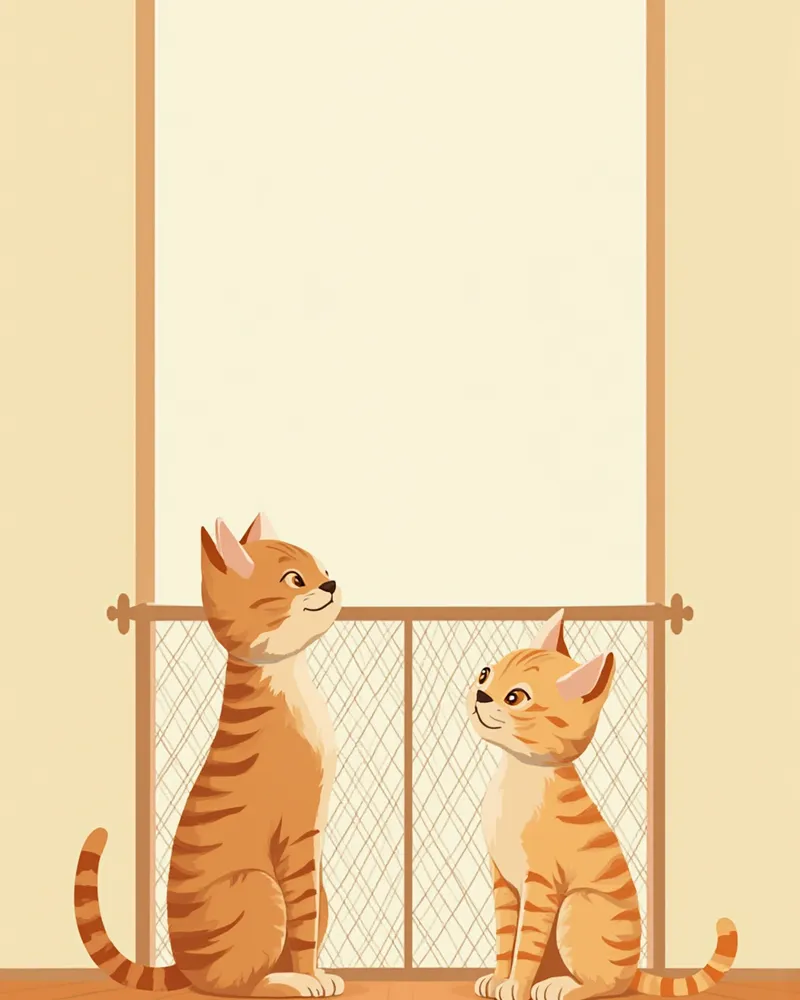
Once scent swapping has gone well, move on to the visual contact stage. Place a baby gate or a door with a mesh screen between the cats so they can see each other. Offering treats to both cats at this time helps create a positive association, linking the presence of the other cat with good things. If both cats remain calm during visual contact for several days, you can attempt a direct face-to-face meeting. Start with short sessions under close supervision. If you observe natural behavior without signs of tension or aggression, gradually increase the amount of time they spend together. Use treats and toys to maintain a positive atmosphere.
Two cats gazing at each other through a safety gate

Resource Management Formula for Multi-Cat Households
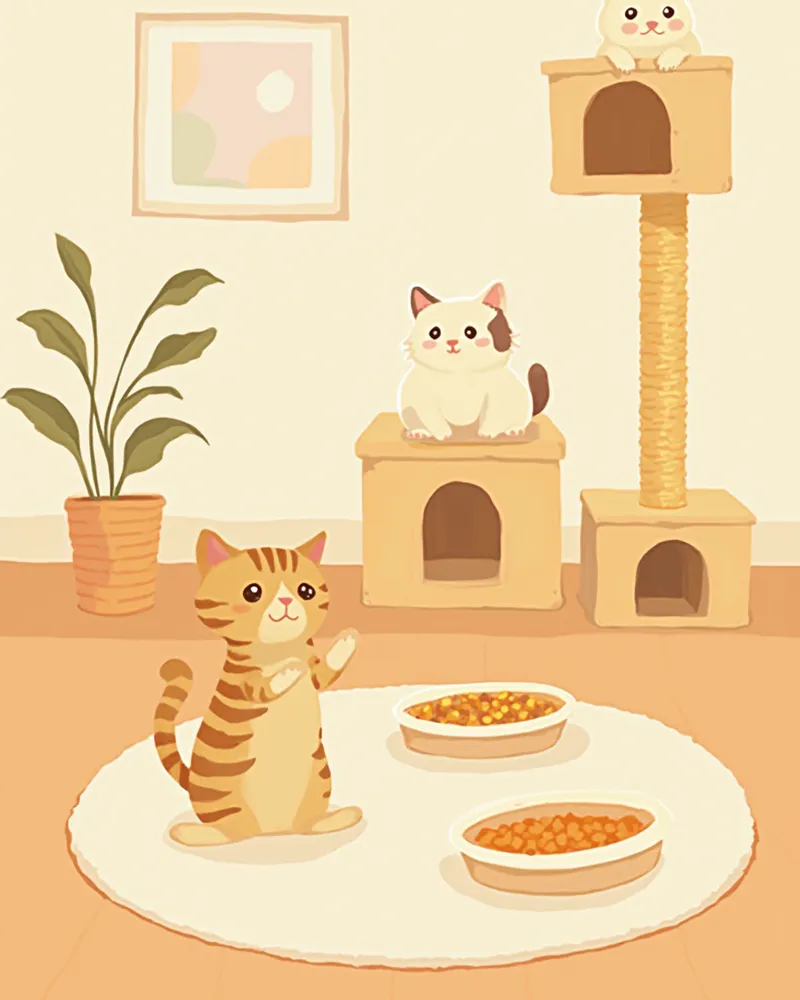
In multi-cat households, resource management is just as important as the cats’ compatibility. Cats don’t like sharing resources, so conflicts can arise if there aren’t enough of them.
Litter boxes: Provide enough litter boxes and place them in different locations so every cat can access them comfortably at any time. It’s important to keep them away from feeding and resting areas.
Food and water bowls: Prepare separate bowls for each cat and place them in different spots.
Vertical spaces: Offer plenty of high places to climb, such as cat trees, shelves, and window perches.
Hiding spots: Make sure each cat has a quiet place to retreat and rest alone.
A multi-cat household equipped with multiple litter boxes, individual food bowls, cat trees, and hiding spots

Managing the Stable Period After Successful Introduction

If your cats have started to feel comfortable sharing the same space, it means they’re getting along well. However, even during this stable period, there are still a few things you need to manage carefully. For the first few weeks, it’s safest to keep them separated when you’re out. Conflicts can arise suddenly when you’re not around to intervene. Once they’ve spent enough time together and you start seeing them groom each other or sleep side by side, it’s safe to leave them together. Even after they’ve adjusted to living together, make sure resources remain plentiful. Even if they seem to be getting along well, suddenly reducing the number of litter boxes or food bowls can cause stress.

Things to Know When Introducing Adult Cats

Introducing adult cats to each other is a process that requires patience and a gradual, step-by-step approach. This is especially true if the resident cat has lived alone for a long time, as they may find it difficult to accept a new feline companion. The time needed for successful cohabitation varies significantly depending on each cat’s personality, past socialization experiences, and ability to adapt to new environments. Rather than aiming for a specific timeline, it’s important to adjust the pace based on the cats’ behavioral responses. If challenges persist or intense conflicts recur, consider consulting a veterinary behaviorist.

Reviewed by a veterinarian

Dr. Tony — Punnawat Phongkittirak

Dr. Tony — Punnawat Phongkittirak

Veterinarian

A veterinarian who majored in veterinary medicine at Khon Kaen University, Thailand, and completed the IVSA program at North Carolina State University in the United States. Drawing on clinical experience at animal hospitals, he works in the pet healthcare field and is dedicated to building a digital care environment that connects pet parents with veterinarians.

Frequently Asked Questions

How long does the introduction period usually take?
Because each cat’s personality, age, and past experiences vary so widely, it’s difficult to set a fixed timeline. Rather than relying on a calendar, the most important thing is to observe your cat’s behavior and adjust your pace accordingly.
The cats are hissing at each other during the introduction process. Does this mean it’s failing?
It's natural for dogs to snap or show aggression when they first meet. However, if this behavior persists or worsens after a few days, it's best to go back to the previous step and proceed more slowly.
What should I do if the mating attempt fails?
It’s best to start from scratch. Keep the two cats completely separated until each shows signs of being settled and calm, then gradually reintroduce them by exchanging their scents first. If you’re still having trouble, consider consulting a veterinary behaviorist for professional guidance.
How many cats can I keep together?
While there’s no set number, space and resources are the most important factors. Having too many cats in a small area can cause significant stress. The key is ensuring you have enough litter boxes, food bowls, and vertical spaces to comfortably accommodate the number of cats you have.
How should I feed my pets when they’re sharing a home?
During the isolation period, feed each cat separately in their own room. Cats are naturally solitary hunters and eaters, so providing regular meals while another cat is nearby can actually cause stress. Therefore, it’s best to feed them separately in different locations throughout the introduction process and even after they’ve been fully introduced, whenever possible. However, you can create a positive association by giving small treats to both cats while they’re on opposite sides of a closed door, helping them associate each other’s presence with good things. Start with a comfortable distance between them, and gradually reduce the gap as they become more relaxed.

Share

Related Guides

References

[1] Landsberg G, Hunthausen W, Ackerman L. Veterinary Guide to Preventing Behavior Problems in Dogs and Cats, Wiley-Blackwell, 2024

[2] Tynes VV. Introduction to Animal Behavior and Veterinary Behavioral Medicine, Wiley-Blackwell, 2024

[3] Ley JM. Feline Environmental Needs and Welfare, Journal of Feline Medicine and Surgery, 2020

This information is based on veterinary literature and does not replace diagnosis or treatment. Please consult a veterinarian for specific health concerns.

Metapet Co., Ltd. | CEO: Park Sung-yong | Business Reg. No. 417-88-02562 | Seoul, South Korea | Customer Center

Introducing Cats: A Step-by-Step Multi-Cat Guide | Meongsiljang