

Frequently Asked Questions About Dog Teeth Grinding — Key Points Every Pet Owner Should Know
Teeth grinding in dogs isn’t just a harmless habit—it can be a sign of stress, pain, or an underlying medical condition. Here’s a summary of the key questions and responses every pet owner should know.
Dog teeth grinding is a behavior that varies depending on the environment and emotional state.
The causes of teeth grinding are diverse. Pain, stress, anxiety, and even hormonal changes can have an impact.

Identify the main signs of teeth grinding. These are symptoms that pet owners often miss.

If teeth grinding worsens and wounds appear around the mouth, an immediate veterinary visit is necessary.
If your pet continues to grind its teeth or develops wounds, bleeding, or swelling around the mouth, the risk of infection increases. Additionally, it can lead to tooth damage or jaw joint issues, so consulting a veterinarian is the safest course of action. Prompt action is crucial.
Comparison of Management Strategies Based on Severity of Teeth Grinding
| Item | Mild | Moderate | Severe |
|---|---|---|---|
| Main characteristics | Intermittent, occurring for short periods | Recurrent, occurring several times a day | Persistent, occurring even during sleep |
| How to respond | Environmental adjustment, removing stress factors | Behavioral correction training, veterinary consultation | Dental examination, medication needed |
| Need for a clinic visit | Not needed | Recommended | Essential |
Since the appropriate response differs depending on the severity of the teeth grinding, an accurate assessment is important.
Management strategies for teeth grinding vary depending on the cause. Identifying the underlying cause is key.
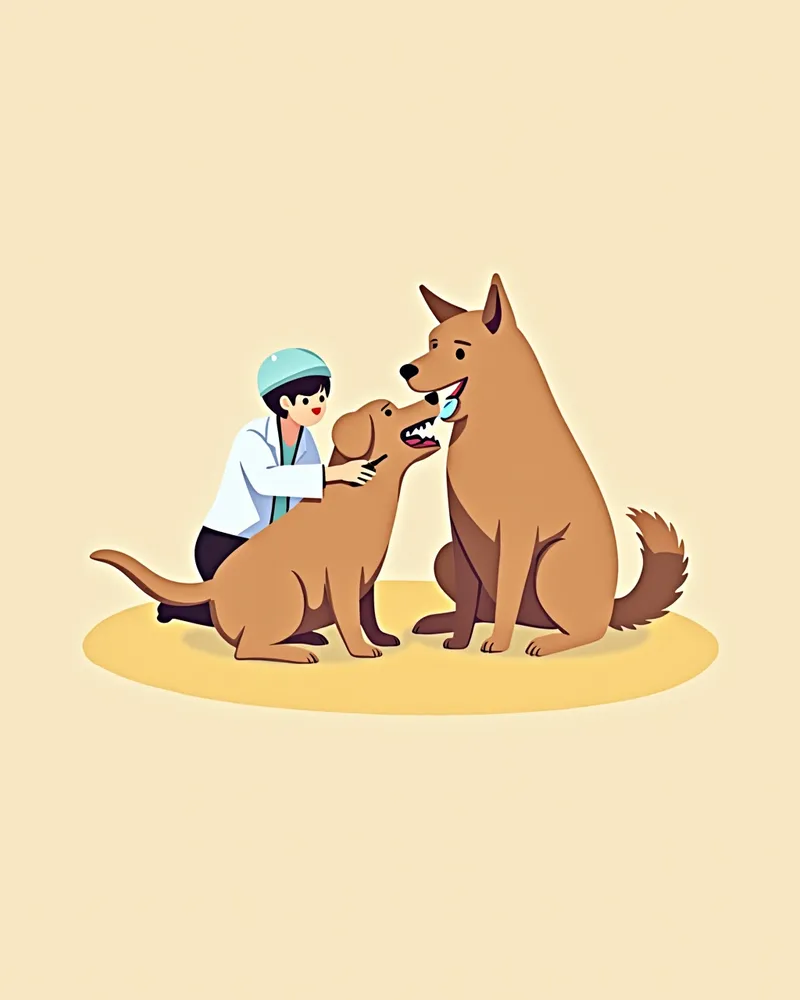
Here are daily care tips to prevent teeth grinding.
Ignoring teeth grinding behavior or trying to resolve it solely through training can worsen the condition.
Teeth grinding isn’t just a simple habit—it can be a sign of underlying physical or mental health issues. Ignoring it or trying to force your pet to stop can actually increase their stress, so the safest approach is to have a veterinarian evaluate them.
Reviewed by a veterinarian

Dr. Tony — Punnawat Phongkittirak
VeterinarianA veterinarian who majored in veterinary medicine at Khon Kaen University, Thailand, and completed the IVSA program at North Carolina State University in the United States. Drawing on clinical experience at animal hospitals, he works in the pet healthcare field and is dedicated to building a digital care environment that connects pet parents with veterinarians.
Reviewed 2026-06-29
Frequently Asked Questions
Why do dogs grind their teeth?
Can teeth grinding be corrected through training?
Can teeth grinding cause damage to the teeth?
Are there any toys that can help prevent teeth grinding?
If the teeth grinding stops but then comes back, what should I do?
Share
Related Guides
7 Best Cat Dental Chews for Tartar Prevention Recommended by Veterinarians and Selection Criteria

Top 5 Recommended Dental Treats for Dogs in 2026 — VOHC Certification Criteria

7 Criteria for Choosing Dog Tartar Prevention Dental Chews Recommended by Veterinarians
10 Warning Signs of Dog Cancer — Symptoms Pet Owners Often Miss
Guide to Prescription Abbreviations — Meanings of SID, BID, and PRN at a Glance
Early Signs of Congestive Heart Failure in Dogs and Management
Doggy Skin Itch and Red Ears — A Complete Guide to Choosing Food for Food Allergies
Can Cats Get Heartworm Disease? — Why It’s More Dangerous Than in Dogs and How to Prevent It

Guide to Traveling with Pets on KTX and Trains

How to Check Lymph Nodes at Home