Like
Share
멍실장
고양이 부신 종양 자주 묻는 질문 Q&A — 보호자가 꼭 알아야 할 핵심

What Are Feline Adrenal Tumors? From Warning Signs to Treatment Timing

Oncology/CancerQ&AMeongsiljang Veterinary Advisory Board

Feline adrenal tumors are tricky because their early symptoms are subtle and easy for pet owners to miss. In this article, we’ll walk you through diagnosis, treatment, and management step by step, based on five frequently asked questions.

What Are Feline Adrenal Tumors?

An anatomical diagram showing the location of the adrenal glands in cats
Feline adrenal tumors are growths that develop in the adrenal glands, which play a crucial role in regulating hormone secretion. - Adrenal dysfunction: Excessive hormone production can lead to systemic symptoms. In the early stages, these signs are often subtle and easy to overlook. - Age of onset: These tumors are primarily reported in older cats, so heightened vigilance for tumor-related conditions is necessary as cats age. - Benign vs. malignant: Adrenal cortical tumors in cats are classified as benign (adenomas) or malignant (carcinomas). Studies indicate that their occurrence rates are nearly equal, or that malignant tumors may even be slightly more common than benign ones. Early detection is critical for malignant tumors due to the risk of metastasis. - Diagnostic challenges: While imaging tests can identify the tumor’s location, they cannot determine whether there is excessive hormone secretion. Therefore, a combination of diagnostic tests is required for an accurate diagnosis. - Treatment options: Tumors confined to one adrenal gland may be surgically removed through adrenalectomy. Depending on the situation, medications may also be used to regulate hormone levels.

Why Are Feline Adrenal Tumors Dangerous?

Adrenal tumors can cause systemic issues such as high blood pressure, diabetes, muscle weakness, and weight changes by secreting excessive hormones. - Hormonal Imbalance: An overproduction of hormones like cortisol from the adrenal glands can disrupt various bodily functions. Approximately 77–80% of cats with hyperadrenocorticism are reported to also have diabetes. - Risk of Metastasis: Malignant adrenal cortical tumors are slightly more common than benign ones in cats, and because malignant tumors can metastasize, careful monitoring is essential. - Difficulty in Early Detection: Early symptoms are often subtle, such as slight changes in appetite or lethargy, making them easy for pet owners to overlook. - Importance of Timely Treatment: Diagnosing the condition before symptoms worsen is beneficial for both treatment and managing the prognosis. - Need for Regular Check-ups: For senior cats, it is advisable to undergo blood and hormone tests along with ultrasound examinations if any abnormal signs appear.
A cat that looks tired is lying on the sofa.

5 Main Symptoms

The most common signs of adrenal tumors in cats include:
Excessive thirst and urination: Drinking water frequently and needing to use the litter box more often.
Increased appetite with weight loss: Eating more than usual but still losing weight.
Fatigue and lethargy: Sleeping most of the day or showing little interest in moving around.
Abdominal enlargement: A visibly distended belly that may feel firm or have a palpable mass.
Symptoms of high blood pressure: Dizziness, fainting, or vision problems may occur.
If you notice any of these symptoms, we recommend visiting your veterinarian right away.
A cat with a distended abdomen due to an adrenal tumor

Signs Requiring Immediate Veterinary Visit

If your cat suddenly faints or shows severe difficulty breathing, seek veterinary care immediately, as these symptoms may indicate acute cardiovascular complications caused by excessive adrenal hormones. Additionally, a sudden loss of appetite or repeated vomiting are warning signs that require prompt attention. Early diagnosis significantly improves the chances of successful treatment.

How to Respond Based on Symptom Severity

ItemMildModerateSevere
Main SymptomsIncreased water intake, weight lossFatigue, abdominal enlargement, hypertensionFainting, difficulty breathing, repeated vomiting
Diagnostic MethodBlood test, hormone testUltrasound, CT scanBiopsy, checking for metastasis
Treatment DirectionMedication adjustment, observationAdrenalectomy surgery or medication (trilostane, etc.)Emergency treatment, tumor removal

The more severe the symptoms, the more complex the treatment and the worse the prognosis. Early intervention is important.

Diagnosis and Treatment Process
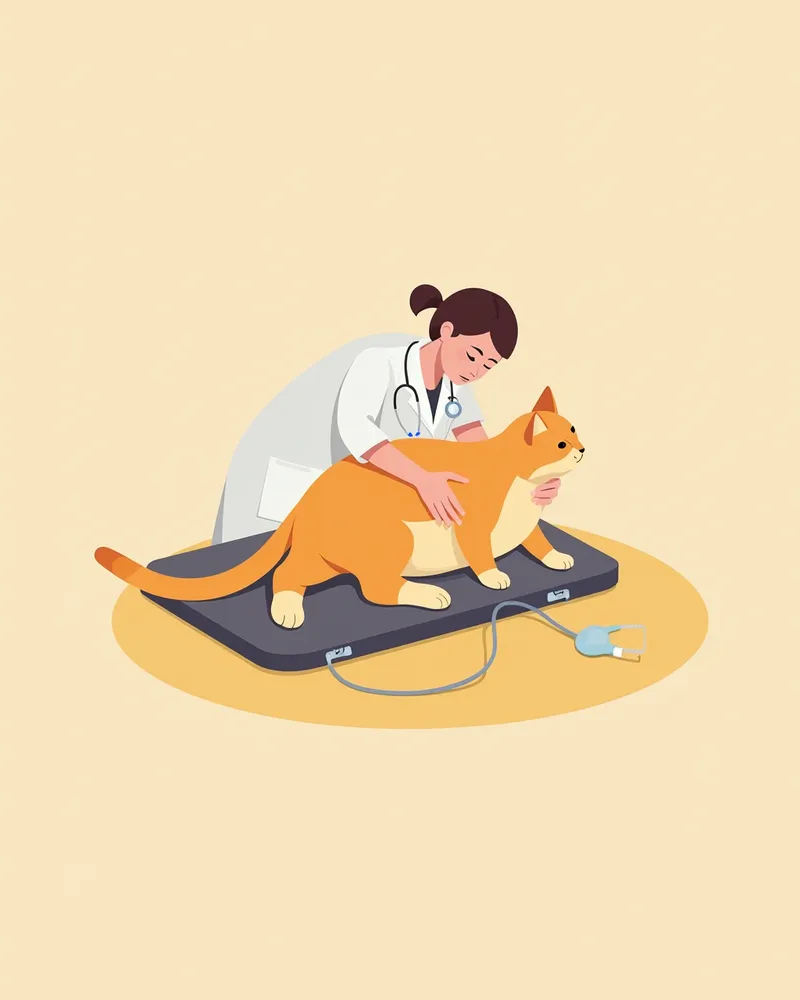
Adrenal tumors are diagnosed through blood tests, hormone level measurements, ultrasound, or CT scans. - Ultrasound examination: Essential for determining the tumor’s location and size. - Hormone testing: Assesses cortisol levels to identify any abnormalities. - Need for biopsy: A tissue biopsy is necessary to accurately determine whether the tumor is malignant. - Treatment options: Depending on the situation, treatment may involve surgery, radiation therapy, and/or medication. - Treatment goals: The primary aim is to maintain quality of life by removing the tumor or regulating hormone levels. - Post-treatment care: Regular check-ups and ongoing medication are essential for long-term management.
A veterinarian performing an abdominal ultrasound on a cat

Management Points at Home

It’s important to maintain a consistent feeding routine for your cat during treatment. - Dietary Management: Follow the diet plan recommended by your veterinarian and avoid adding supplements or specific diets without professional advice. - Medication Administration: Give medications at the exact prescribed times to ensure they work effectively. - Environmental Care: Provide a quiet and stable environment to minimize stress. - Routine Maintenance: Keep regular schedules for feeding, playtime, and rest. - Regular Vet Visits: Continuously monitor your cat’s condition through blood tests and ultrasounds. - Owner Observation: Carefully track changes in appetite, lethargy, increased urination frequency, and other symptoms.
A cat sleeping peacefully in a quiet indoor space

Points to Note: Drug Interactions

Medications used to treat adrenal tumors can interact with other drugs. Be sure to follow your veterinarian’s instructions closely, especially when combining them with antibiotics or pain relievers. Improper use can place additional strain on adrenal function, so always consult your vet before starting any medication.

Reviewed by a veterinarian

Dr. Tony — Punnawat Phongkittirak

Dr. Tony — Punnawat Phongkittirak

Veterinarian

A veterinarian who majored in veterinary medicine at Khon Kaen University, Thailand, and completed the IVSA program at North Carolina State University in the United States. Drawing on clinical experience at animal hospitals, he works in the pet healthcare field and is dedicated to building a digital care environment that connects pet parents with veterinarians.

Frequently Asked Questions

Can feline adrenal tumors be treated?
Yes, if the tumor is confined to one adrenal gland, it can often be cured by surgically removing that gland. In cases where surgery is difficult or there’s an excess of hormones, medications like trilostane may be used to help regulate hormone levels.
Are adrenal tumors common in cats?
No, adrenal tumors are relatively rare in cats. However, they are more commonly reported in older cats, so it’s a good idea to keep an eye out for any unusual signs in senior felines.
Are adrenal tumors hereditary?
The genetic factors involved have not yet been clearly identified, so early detection through regular check-ups is more important than trying to predict the condition.
How long can my pet live after treatment?
In cases where the tumor is removed surgically, the reported median survival time is approximately two years. However, because adrenalectomy carries a relatively high risk of complications and surgical mortality, and outcomes vary from patient to patient, it is essential to discuss the decision thoroughly with your veterinarian.
Can it be prevented?
There’s no clear way to prevent it at this point. However, early detection is possible through regular health check-ups, so we recommend that senior cats undergo routine veterinary exams.

Share

Related Guides

References

[1] Plumb's Veterinary Drug Handbook, 9th Edition. 2022. Wiley-Blackwell.

[2] Feline Endocrinology: A Practical Guide to Diagnosis and Management. 2021. Elsevier.

[3] Veterinary Surgical Oncology, 2nd Edition. 2019. Elsevier.

This information is based on veterinary literature and does not replace diagnosis or treatment. Please consult a veterinarian for specific health concerns.

Metapet Co., Ltd. | CEO: Park Sung-yong | Business Reg. No. 417-88-02562 | Seoul, South Korea | Customer Center

Feline Adrenal Tumors: Symptoms, Risks, and Treatment Timing | Meongsiljang