Like
Share
멍실장
고양이 식사 시간과 횟수, 하루 몇 번이 적당할까?

Cat Meal Times and Frequency: How Many Times a Day Is Right?

DigestiveQ&AMeongsiljang Veterinary Advisory Board

Since cats are obligate carnivores that thrive on small, frequent meals, it's best to divide their daily food into 3–5 feedings. We've outlined the guidelines, which vary depending on age, weight, and overall health.

How Many Times a Day Should You Feed Your Cat?

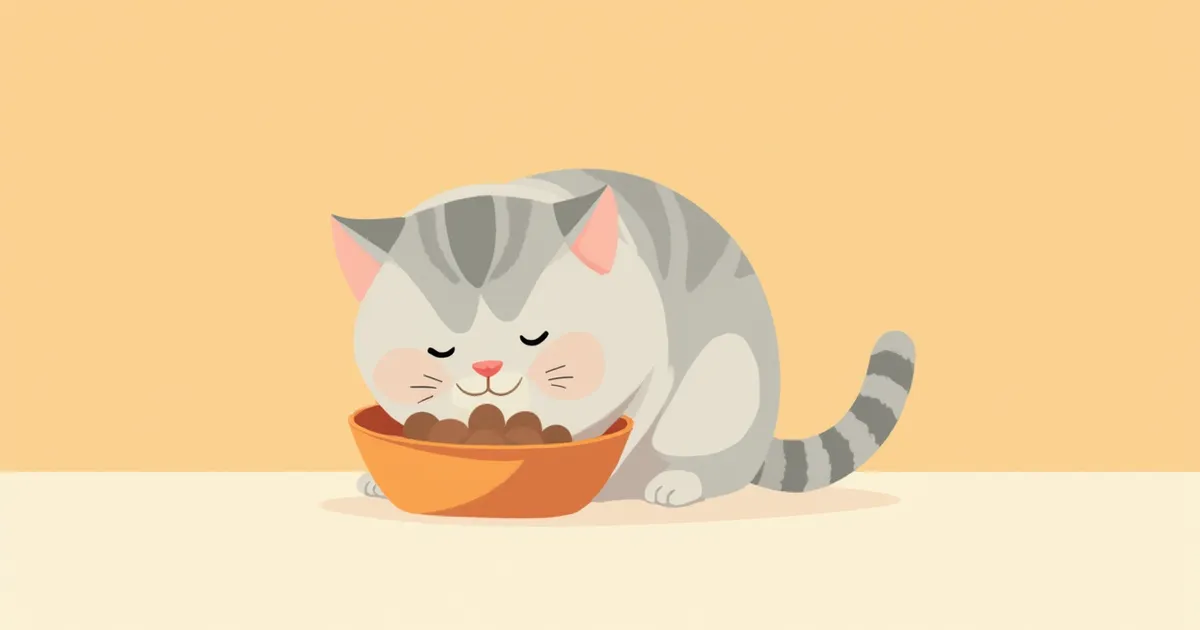
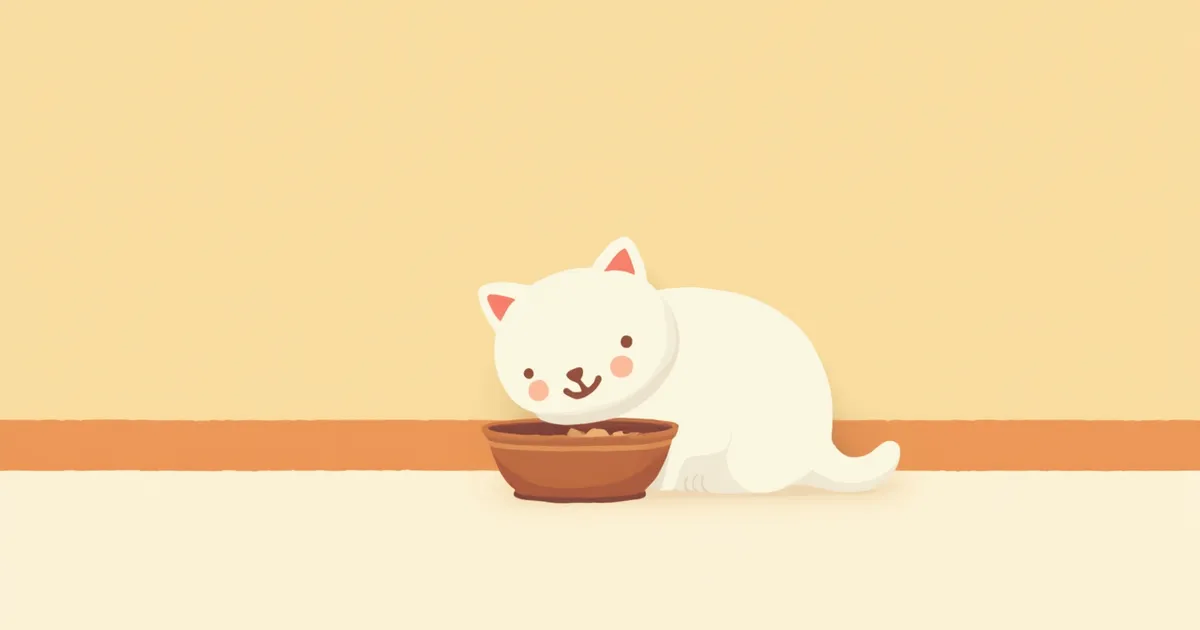
A cat sitting in front of its food bowl
Cats thrive on a feeding approach that divides their daily food allowance into several small, frequent meals. Veterinary nutrition textbooks note that cats are naturally inclined to eat multiple times a day, so offering just one large meal like we might for dogs isn’t ideal for them. Whether you have an adult cat or a kitten, splitting their daily portion into multiple feedings is more in line with their natural habits (please refer to the table below for specific meal frequencies). As obligate carnivores, cats evolved to hunt and consume small prey frequently in the wild. When given all their food at once, they’re prone to overeating, which can lead to obesity.

Why Is 'Small, Frequent' Feeding Right for Cats?

Cats are better suited to eating small, frequent meals rather than large amounts all at once. According to veterinary textbooks, domestic cats (Felis catus) are obligate carnivores, making a feeding pattern of small, frequent meals their natural instinct. In fact, textbooks state that it is normal for cats to eat multiple times a day, while eating only once a day is not a normal pattern for them. Therefore, reducing the portion size per meal and increasing the number of meals can help reduce gastrointestinal burden and aid in weight management. However, since 30–40% of cats fed ad libitum (free-choice) tend to become overweight, portion control is essential.

Recommended Meal Frequency by Age and Condition

The number of daily feedings varies depending on your pet’s age and overall condition. Please use the chart below as a guide and adjust the portions according to your pet’s weight changes.

Guide to Daily Meal Frequency by Age

ItemTimes per dayInterval
2–4 month-old kitten4–6 times3–4 hours
4–12 month-old kitten3–4 times5–6 hours
1–7 year-old adult cat2–4 times6–8 hours
Senior cat 7 years and older3–5 times (small portions)4–6 hours
Pregnant·nursing catFree feeding recommendedAlways available

Can be adjusted by ±1 depending on body weight, activity level, and health condition

Free-Feeding vs. Scheduled Feeding: Which Is Better?
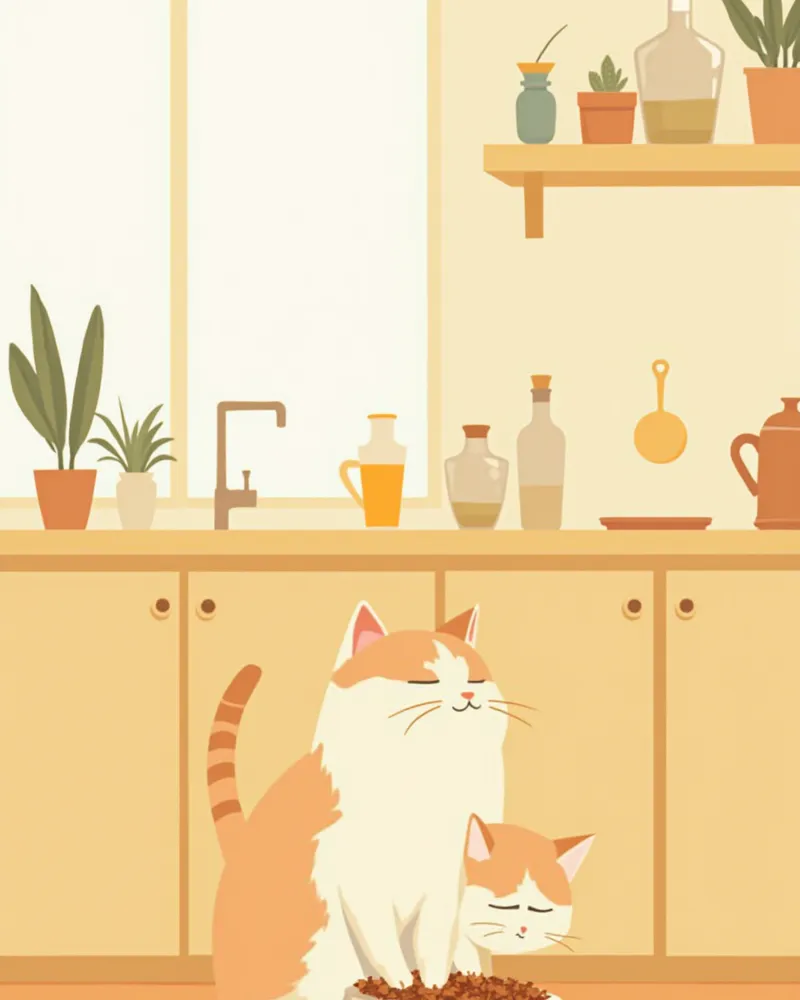
Each method has its own pros and cons. - Free-feeding: Leaving dry food out at all times, which is beneficial for cats that eat small amounts or for pregnant and nursing cats. - Scheduled feeding: Providing food only at set times, which is helpful for managing weight, diabetes, or multiple-cat households. If your cat tends to gain weight or eats large amounts at once, scheduled feeding is the safer option. Wet food can spoil, so it must always be given using scheduled feeding.
A cat waiting for food in front of an automatic feeder.

Check Your Feeding Pattern Immediately If You See These Signs

If your cat refuses food for more than 24 hours, vomits repeatedly right after eating, or suddenly drinks excessive amounts of water while losing weight, this may not be a simple change in eating habits but rather a sign of illness. In particular, if an overweight cat goes several days without eating properly, the resulting lack of energy and protein can rapidly lead to fatty liver disease (hepatic lipidosis). In such cases, it is safer to take your cat to a veterinarian promptly for diagnosis and treatment rather than force-feeding, as stress-related feeding can actually worsen food refusal.

Points to Check When Setting Meal Times
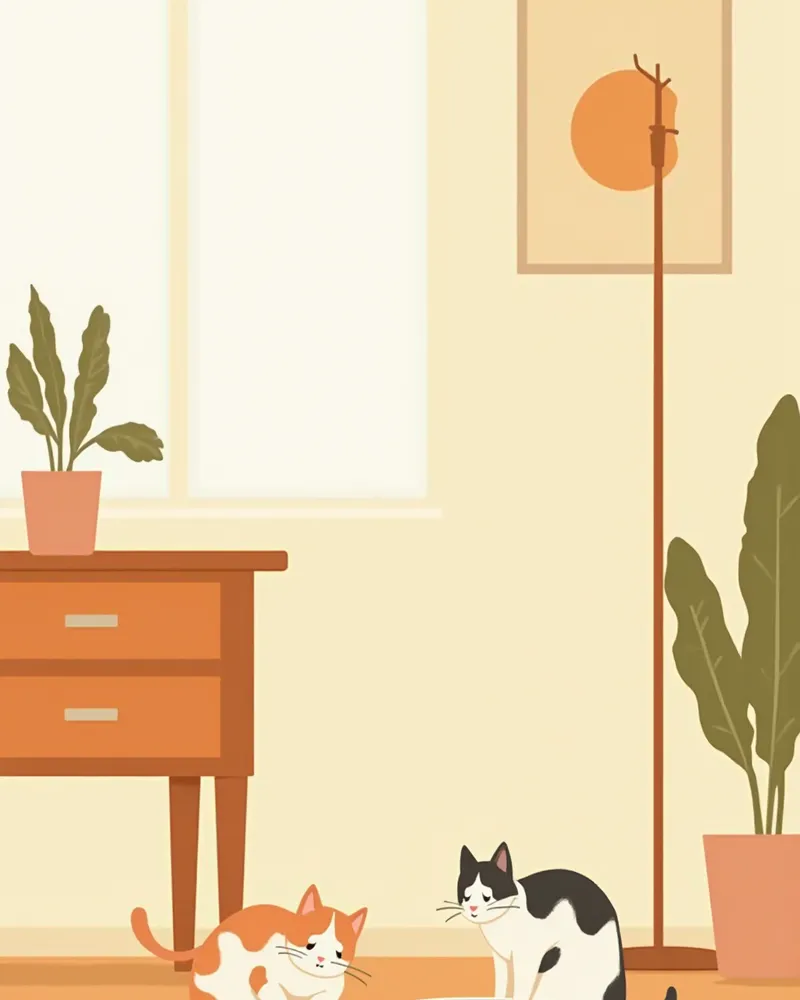
- Consistency: Feeding at the same time every day helps stabilize stomach acid secretion rhythms. - Interval: Leave at least 4 hours between meals to allow the stomach to rest. - Small evening meal: Offering the last meal 1–2 hours before bedtime can reduce nighttime crying due to hunger. - Water bowl placement: Placing the water bowl away from the food bowl encourages increased water intake. - Separate feeding areas: In multi-cat households, provide separate spaces for each cat to reduce stress-related eating.
A multi-cat household where each cat has its own separate feeding area.

How to Calculate Food Amounts and Calories

Start with the weight-based feeding chart on the food packaging as a baseline, then adjust the portion every two weeks based on regular weigh-ins. According to veterinary nutrition textbooks (NRC and Applied Clinical Nutrition standards), a cat’s resting energy requirement (RER) is calculated using the formula: RER = 70 × body weight (kg)^0.75 kcal/day. Because this formula scales with the 0.75 power of body weight, larger cats require fewer calories per kilogram of body weight; therefore, using a fixed “kcal per kg” conversion can lead to overfeeding in heavier cats. If your cat is obese, senior, or has kidney disease, your veterinarian will determine the appropriate amount based on weight and blood test results. For accuracy, measure food by weight in grams using a digital scale rather than relying on a measuring cup.

Feeding Habits to Avoid

Feeding human foods such as onions, garlic, chocolate, and milk as treats can lead to acute poisoning or chronic digestive issues. Additionally, giving food every time your pet cries can teach them to beg for food, which often leads to obesity. If you leave dry food out for free-feeding, it can become rancid after 24 hours, so be sure to replace it at least once a day.

Reviewed by a veterinarian

Dr. Tony — Punnawat Phongkittirak

Dr. Tony — Punnawat Phongkittirak

Veterinarian

A veterinarian who majored in veterinary medicine at Khon Kaen University, Thailand, and completed the IVSA program at North Carolina State University in the United States. Drawing on clinical experience at animal hospitals, he works in the pet healthcare field and is dedicated to building a digital care environment that connects pet parents with veterinarians.

Frequently Asked Questions

My cat only wants to eat once a day. Is that okay?
If your pet’s weight and activity level are normal, there may be no cause for concern. However, leaving the stomach empty for too long can lead to repeated fasting vomiting (yellow bile). We recommend splitting even small amounts of food into two meals—morning and evening.
How should I mix dry kibble with wet food?
A good starting point is to feed a mix of 70% dry food and 30% wet food within your pet's daily calorie allowance. After opening, wet food should be left out at room temperature for no more than 1–2 hours before being removed. Any leftover dry food should be stored in the refrigerator and warmed before serving.
What should I do if I can’t give the medication at the scheduled time due to work or going out?
Using an automatic feeder allows you to divide meals into 3–5 scheduled feedings per day. For wet food, opt for a model with a refrigerated compartment or combine it with a separate feeding routine after work.
Is it okay to free-feed kittens?
Free-feeding is generally fine right after weaning (2–4 months), but if your puppy gains weight quickly after 4 months, we recommend switching to portion-controlled feeding. After 6 months, portion-controlled feeding is safe for most dogs.
Are there any precautions to keep in mind when changing the number of meals per day?
Abruptly changing your pet’s routine within a day or two can lead to food refusal or vomiting. Instead, gradually shift the timing by 30 to 60 minutes every few days over the course of 1–2 weeks, while keeping the total daily amount unchanged.

Share

Related Guides

References

[1] National Research Council (NRC), Nutrient Requirements of Dogs and Cats, 2006

[2] Applied Veterinary Clinical Nutrition, 2nd Ed, Wiley-Blackwell

[3] The Cat: Clinical Medicine and Management, 2nd Edition — Normal Feeding Behavior & Life Stage Nutrition

This information is based on veterinary literature and does not replace diagnosis or treatment. Please consult a veterinarian for specific health concerns.

Metapet Co., Ltd. | CEO: Park Sung-yong | Business Reg. No. 417-88-02562 | Seoul, South Korea | Customer Center

Cat Meal Times & Frequency: How Many Times a Day? | Meongsiljang