

Types of Opioid Analgesics and Safe Usage
Here’s a summary of the types and mechanisms of opioid analgesics used in pets, along with precautions for their safe use.
What Are Opioid Analgesics?

Why Are Opioid Analgesics Necessary?
Comparison of Major Opioid Analgesic Types
| Item | Morphine | Fentanyl | Butorphanol | Buprenorphine |
|---|---|---|---|---|
| Potency | Strong (reference) | Very strong (more potent than morphine) | Weak to moderate | Moderate to strong |
| Duration | 4-6 hours | 1-2 hours (based on IV bolus) | Short to intermediate (variable by route and dose) | Intermediate (longer duration with higher doses) |
| Main use | Severe pain | Intra- and post-operative pain (continuous infusion) | Mild to moderate pain | Post-operative pain |
| Route of administration | Injection/oral | Injection/patch | Injection/oral | Injection/mucosal |
Actual prescription is determined by the veterinarian based on a comprehensive assessment of the patient's condition, weight, and disease.
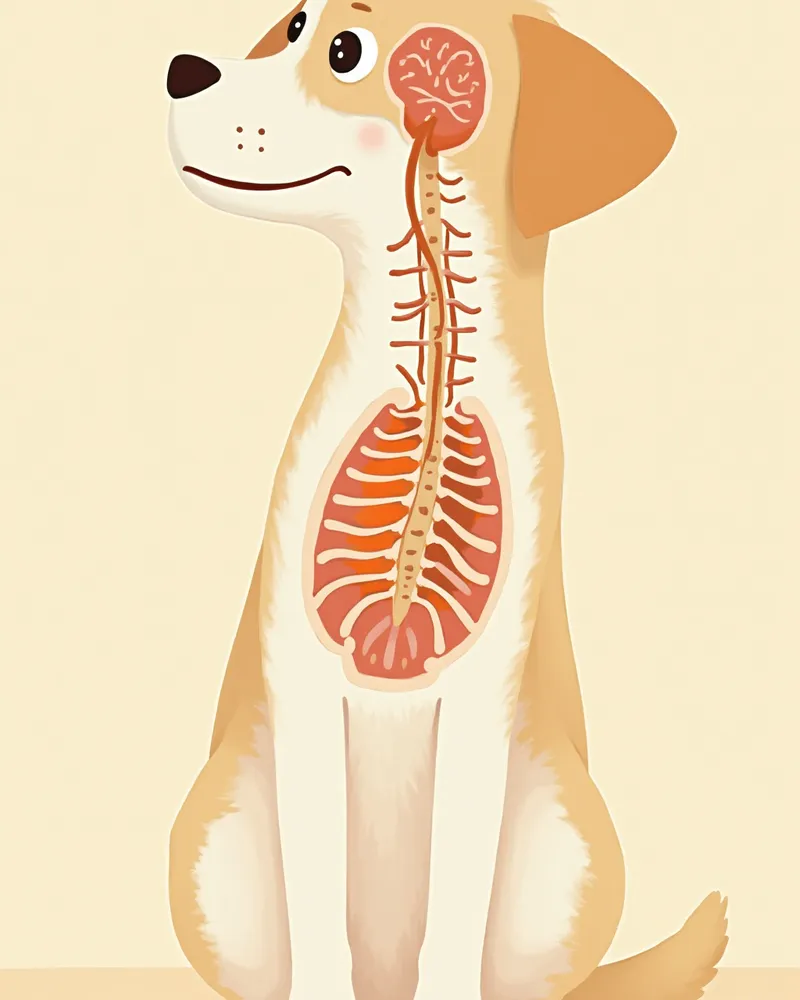
How Do They Work?
Side Effects You Must Know
Opioid analgesics are powerful, but their side effects are also clear. Respiratory depression is the most dangerous risk. Breathing rate can drop to abnormally low levels, so it is essential to have oxygen supply and airway management equipment (such as intubation tools) ready for immediate use and to closely monitor the patient in an inpatient setting. Other common side effects include bradycardia (a slowed heart rate), vomiting, constipation due to reduced gastrointestinal motility after defecation, and excessive sedation. In some patients, the bladder may become distended, leading to urinary retention; therefore, it is crucial to confirm whether urination has occurred. Changes in body temperature also require attention, so body temperature is monitored during hospitalization. Cats, in particular, may overreact to noise or stimuli, exhibiting excitement or pupil dilation, which makes dosage adjustment more challenging. If you notice any abnormal behavior after discharge, contact the clinic immediately.
What Should You Follow for Safe Use?

Cases Requiring Special Caution
Precautions for Home Management of Fentanyl Patches
In some cases, pets are discharged home with a fentanyl patch still in place. If the patch is peeled off or chewed, it can lead to a fatal overdose. To prevent your pet from licking it, keep an Elizabethan collar on them and ensure the patch stays dry. Even after removal, residual medication remains on the adhesive surface, so you must fold the patch in half and return it to the clinic for proper disposal or dispose of it safely at home. Accidental contact by children or other pets is also extremely dangerous.
Reviewed by a veterinarian

Dr. Tony — Punnawat Phongkittirak
VeterinarianA veterinarian who majored in veterinary medicine at Khon Kaen University, Thailand, and completed the IVSA program at North Carolina State University in the United States. Drawing on clinical experience at animal hospitals, he works in the pet healthcare field and is dedicated to building a digital care environment that connects pet parents with veterinarians.
Reviewed 2026-04-23
Frequently Asked Questions
Won’t opioid pain medications cause addiction?
Should I increase the dosage if my pet seems to need more pain relief at home?
Can I give my dog human opioid painkillers?
Can my pet eat after receiving opioid pain medication?
Can it be used for cats too?
Share
Related Guides

Primary vs. Secondary Veterinary Hospitals: A Comparison

5 Easy-to-Raise Cat Breeds for First-Time Owners — Grooming Difficulty Comparison

Top 7 Short-Legged Dog Breeds

Signs and Care for Cats in Their Final Days

How much playtime is recommended for cats?
Trilostane (Vetoryl) for Cushing’s Treatment: What You Must Know

What is Selamectin (Revolution)? — A Complete Guide to the Parasites It Prevents All at Once

Understanding Trazodone: The Medication for Canine Anxiety and Calming

Maropitant (Cerenia) Antiemetic: Is It Safe for Your Pet?

What is Meloxicam (Metacam)? — Key Summary of Effects and Side Effects in Dogs
References
[1] Plumb's Veterinary Drug Handbook, 10th Edition, Opioid Analgesics Chapter
[2] Small Animal Regional Anesthesia and Analgesia, 2nd Edition
[3] Advanced Monitoring for Small Animal Emergency and Critical Care, 2nd Edition
[4] BSAVA Manual of Canine and Feline Anaesthesia and Analgesia, 3rd Edition