
How does the pet traffic accident compensation process work?
We’ve outlined the entire process for claiming veterinary treatment costs and compensation from the at-fault party or their insurance company after your pet is involved in a traffic accident. This guide covers all the essential points you need to know, from gathering evidence to reaching a settlement.
How pet traffic accident compensation is handled
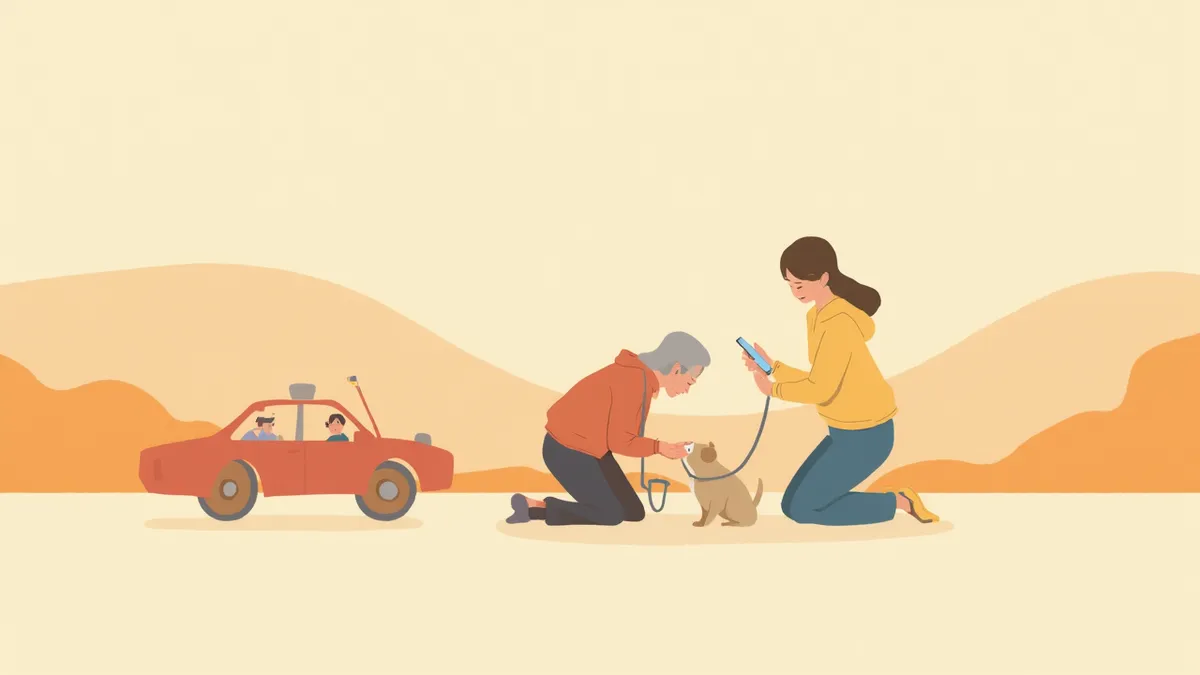
What to do in the first 30 minutes after an accident
Never agree to a verbal settlement at the scene
In many cases, the at-fault party may offer to settle on the spot by paying cash for medical expenses. However, signing a settlement agreement or accepting money at this stage will prevent you from claiming additional treatment, surgery, or compensation costs later. Animals involved in traffic accidents may appear fine on the surface but could have severe internal injuries. It is difficult to assess their condition based solely on minor skin bleeding, so a thorough veterinary examination, including checks of respiration and circulation, is essential. Therefore, always reach a settlement only after a veterinary diagnosis and the completion of treatment. At the scene, simply exchange contact information and insurance details.
Checklist of evidence you must secure
Comparison of three compensation claim channels
| Item | Offender's Auto Insurance | Personal Liability Insurance | Civil Lawsuit |
|---|---|---|---|
| Claim Target | Property damage liability of the at-fault vehicle | Offender's daily life liability insurance | The offender personally |
| Processing Period | 2–8 weeks | 3–6 weeks | 6 months–1 year |
| Consolation Money Recognized | Limited | Nearly impossible | Recognized by precedent |
| Treatment Cost Limit | Within property damage limit | Within policy limit | Actual amount of damages |
| Recommended Situation | General traffic accident | Pedestrian negligence accident | Settlement breakdown / fatal accident |
As of 2025, detailed conditions may vary depending on each insurer's terms and conditions.
You can also receive emotional distress compensation in addition to medical expenses

Documents to submit when filing a claim with the insurance company
How fault percentages are determined
It is rare for a pet owner to bear no responsibility at all. For instance, if the dog is not wearing a leash, the owner may be assigned 30–50% fault; if the dog crosses outside a designated crosswalk, 20–40% fault; and if the dog enters the roadway at night, 10–30% fault may be attributed to the owner. Conversely, if the at-fault vehicle was speeding or ran a red light, the owner’s liability will be significantly reduced. Do not immediately accept the insurance company’s initial fault assessment—instead, request a review using dashcam or CCTV footage.
Three things to check before settling
Reviewed by a veterinarian

Dr. Tony — Punnawat Phongkittirak
VeterinarianA veterinarian who majored in veterinary medicine at Khon Kaen University, Thailand, and completed the IVSA program at North Carolina State University in the United States. Drawing on clinical experience at animal hospitals, he works in the pet healthcare field and is dedicated to building a digital care environment that connects pet parents with veterinarians.
Reviewed 2026-04-29
Frequently Asked Questions
What should I do if the party responsible for the injury doesn’t have insurance?
Can I receive compensation for a hit-and-run accident?
What is the standard for calculating compensation in the event of a pet’s death?
If a stray cat is involved in an accident, who is responsible for filing a claim?
Does having pet insurance mean I’ll automatically get reimbursed?
Share
Related Guides

Top 7 Short-Legged Dog Breeds

Primary vs. Secondary Veterinary Hospitals: A Comparison

5 Easy-to-Raise Cat Breeds for First-Time Owners — Grooming Difficulty Comparison
Why Do Cats Fight? — Causes and Management of Same-Species Aggression

Do Cats with Behavioral Problems Need Medication? — A Complete Guide to Effects and Precautions

What is Feline Asthma? — Core Q&A from Symptoms and Attack Signs to Inhaler Treatment
Dog Mammary Tumors FAQ — Key Information Every Pet Owner Must Know
How to Care for Your Dog After Surgery — Key Recovery Steps Owners Must Follow
A Complete Guide to Dog Dewormer Types and Selection — Key Points for Pet Owners
A Complete Guide to Feline Rehabilitation Physical Therapy — Key Points for Pet Owners
References
[1] Shawcross G., The Road Traffic Accident, 100 Top Consultations in Small Animal General Practice, Ch.77
[2] 민법 제750조(불법행위의 내용) 및 제763조(손해배상 청구)
[3] 자동차손해배상 보장법 제3조(자동차손해배상책임)