Like
Share
멍실장
고양이 마취 치과 처치 안전성 자주 묻는 질문 Q&A — 보호자가 꼭 알아야 할 핵심

Is Feline Anesthetic Dentistry Really Safe? — Key Safety Q&A Answered by a Veterinarian

Oral HealthQ&AMeongsiljang Veterinary Advisory Board

While feline anesthesia for dental procedures is generally safe, there are key points pet owners should be aware of. Understanding the potential risks and preventive measures will help you feel more confident and at ease with the treatment.

Feline Anesthetic Dental Procedures Are Safe
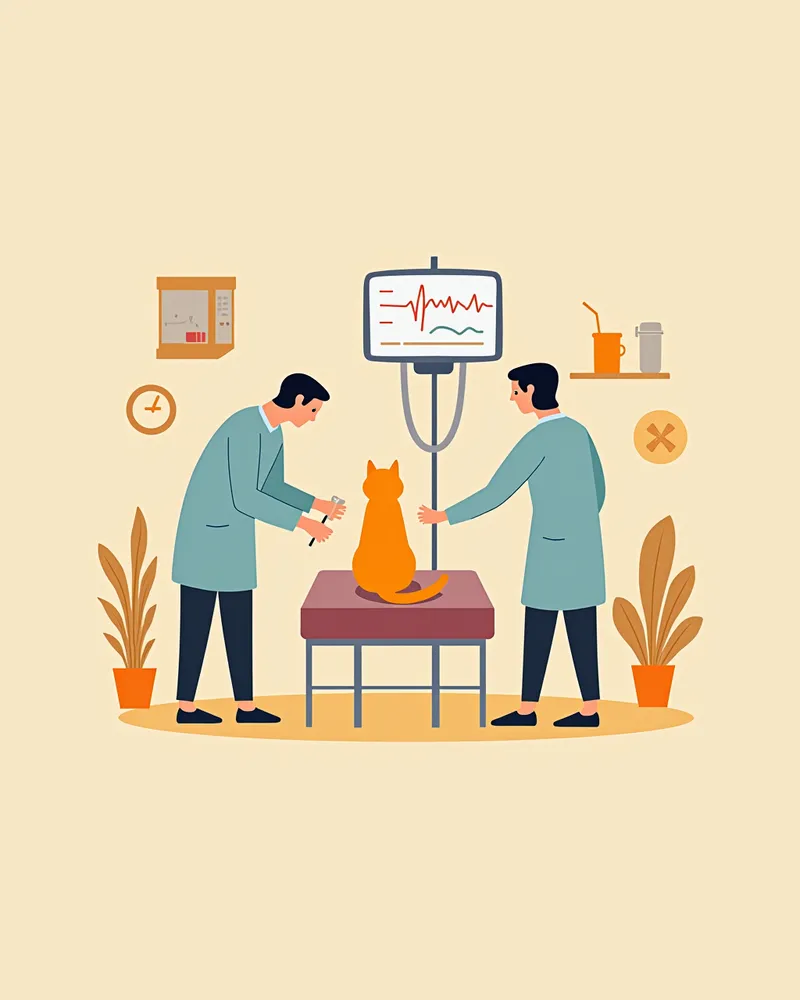
Feline anesthetic dental procedures can be performed relatively safely with thorough pre-procedure preparation and professional care. However, because cats may have underlying conditions that aren’t immediately apparent, meticulous management is essential. - Pre-anesthetic testing: Blood work (complete blood count and biochemistry panel) and cardiac evaluation are conducted before anesthesia to assess the cat’s overall health status. - Monitoring systems: During anesthesia, vital signs such as heart rate, oxygen saturation, and body temperature are monitored in real time to detect any risks early. - Veterinary judgment: If any abnormal signs appear, immediate intervention is taken to prevent complications. - Recovery environment: After anesthesia, the cat is closely observed for at least three hours in a warm, quiet space. A significant number of anesthesia-related fatalities in cats occur within the first three hours after the procedure ends. Thanks to this systematic approach, most cats recover safely.
A veterinarian monitoring a cat's vital signs

Why Are Pre-Anesthetic Tests Important?

Pre-anesthetic testing is a crucial step to accurately assess your cat’s internal health. - Blood tests: Complete blood count and biochemistry panels evaluate liver and kidney function, as well as overall blood health, to determine how well your cat can tolerate anesthesia. - Cardiac examination: Listening to the heart and other assessments help identify any underlying heart issues, reducing cardiac stress during the procedure. - Urinalysis: If needed, a urine test provides additional insight into kidney function and overall systemic health. - Individualized anesthetic plan: Based on the test results, we adjust the type and dosage of anesthetic agents to minimize risks. All of these steps are essential to ensuring your cat’s safety.
A cat undergoing a blood test

How to Monitor the Post-Anesthesia Recovery Period

After anesthesia, your cat should be kept in a quiet space and closely monitored for at least three hours following the end of the procedure, as a significant number of anesthesia-related fatalities in cats occur during this period. - Temperature control: Maintain a warm environment to prevent hypothermia, as cats are prone to dropping their body temperature during recovery. - Monitoring: Immediately contact your veterinarian if you notice any abnormal symptoms such as coughing, trembling, or vomiting. - Feeding schedule: It is safest to offer small amounts of water and food only after your cat has fully regained consciousness and their swallowing reflex has returned. - Activity restriction: Prevent your cat from running or jumping while they are recovering. - Regular checks: Monitor your cat’s appetite, activity level, and elimination habits two to three times a day. These care measures support a safe recovery.
A cat resting quietly after anesthesia

Comparison of Pre-Anesthesia Fasting Times

ItemAdult catSenior catYoung cat
Water fasting6 hours6 hours4 hours
Food fasting8 hours8 hours6 hours
Risk levelLowModerateHigh

Young cats have low hepatic glycogen stores and are at risk of hypoglycemia during prolonged fasting, so the fasting period should not be set excessively long.

What Complications Can Occur During Anesthesia?
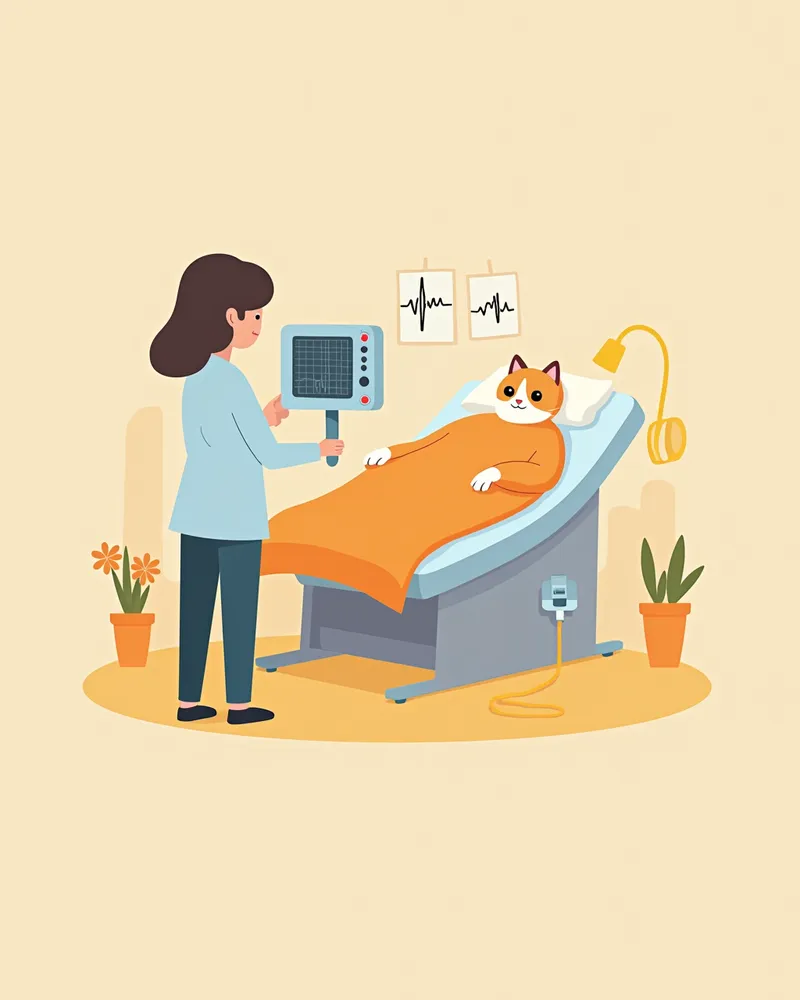
Complications that can occur during anesthesia include hypotension, hypoxia, cardiac arrhythmias, vomiting, and aspiration pneumonia. - Hypotension: A sudden drop in blood pressure can affect organ function. - Hypoxia: Insufficient oxygen supply can cause brain damage. - Cardiac arrhythmias: Irregular heartbeats can be dangerous. - Aspiration pneumonia: Vomited material entering the airway can cause inflammation in the lungs. However, most risks can be prevented with regular monitoring and immediate response.
A veterinarian monitoring vital signs during anesthesia.

Go to the Clinic Immediately for These Symptoms

If your cat continues to cough, breathes rapidly, or vomits repeatedly after anesthesia, please come to the clinic immediately. These could be signs of aspiration pneumonia. Early intervention significantly improves the chances of successful treatment.

Post-Anesthesia Daily Care Tips

Proper daily care for your cat after anesthesia is crucial for a speedy and safe recovery. - Dietary Adjustments: Since their mouth may be sore, offer soft food and avoid hard kibble or treats. - Monitor Appetite: Check how much and how eagerly they eat, aiming for 2–3 small meals a day. - Limit Activity: Restrict running and jumping while they are recovering. - Stable Environment: Provide a quiet, warm space to minimize stress. - Watch for Abnormal Symptoms: Contact your vet immediately if you notice coughing, vomiting, or signs of shock. These care steps support a healthy recovery.
A cat eating soft food

Reviewed by a veterinarian

Dr. Tony — Punnawat Phongkittirak

Dr. Tony — Punnawat Phongkittirak

Veterinarian

A veterinarian who majored in veterinary medicine at Khon Kaen University, Thailand, and completed the IVSA program at North Carolina State University in the United States. Drawing on clinical experience at animal hospitals, he works in the pet healthcare field and is dedicated to building a digital care environment that connects pet parents with veterinarians.

Frequently Asked Questions

How risky is anesthesia for a cat's dental procedure?
The mortality rate for anesthesia during feline dental procedures is very low at 0.24%. Risks can be minimized through pre-anesthetic testing and thorough monitoring.
Why is fasting before anesthesia essential?
Anesthetizing a pet that has recently eaten or drunk water increases the risk of vomiting and aspiration pneumonia. Fasting is an essential precaution for ensuring a safe anesthetic procedure.
What should you watch out for in the 24 hours after anesthesia?
If your pet shows symptoms such as coughing, difficulty breathing, vomiting, lethargy, or loss of appetite, contact your veterinarian immediately. These could be signs of complications.
Can senior cats undergo anesthesia for dental procedures?
Yes, senior cats can safely undergo anesthesia for dental procedures. Age alone is not a reason to avoid anesthesia. We assess their health through pre-anesthetic testing and develop a plan to minimize risks.
What should I do if my cat remains sleepy after anesthesia?
It’s common for cats to feel drowsy or less active for a while after anesthesia as part of the normal recovery process. This period may be even longer in senior cats. However, if your cat hasn’t started recovering after a full day, or if you notice any unusual behavior, please contact your veterinarian.

Share

Related Guides

References

[1] Bruno H. Pypendop and Jan E. Ilkiw. The Cat, Clinical Medicine and Management, 2nd Edition. 2023.

[2] Brodbelt D. Perioperative mortality in small animal anaesthesia. Vet J. 2009;182:152–161.

[3] Davies JA, Fransson BA, et al. Incidence of and risk factors for postoperative regurgitation and vomiting in dogs. J Am Vet Med Assoc. 2015;246(3):327-35.

This information is based on veterinary literature and does not replace diagnosis or treatment. Please consult a veterinarian for specific health concerns.

Metapet Co., Ltd. | CEO: Park Sung-yong | Business Reg. No. 417-88-02562 | Seoul, South Korea | Customer Center

Is Cat Dental Anesthesia Safe? Vet Answers Key Safety Q&A | Meongsiljang