Like
Share
멍실장
강아지 심장 질환 조기 선별 자주 묻는 질문 Q&A — 보호자가 꼭 알아야 할 핵심

Can My Dog’s Heart Disease Be Detected Early? — A Guide to Early Screening Timing and Methods

HeartQ&AMeongsiljang Veterinary Advisory Board

Early screening for heart disease in dogs is key to detecting risks before symptoms appear. Early detection significantly improves treatment outcomes.

Why Is Early Screening for Heart Disease in Dogs Important?
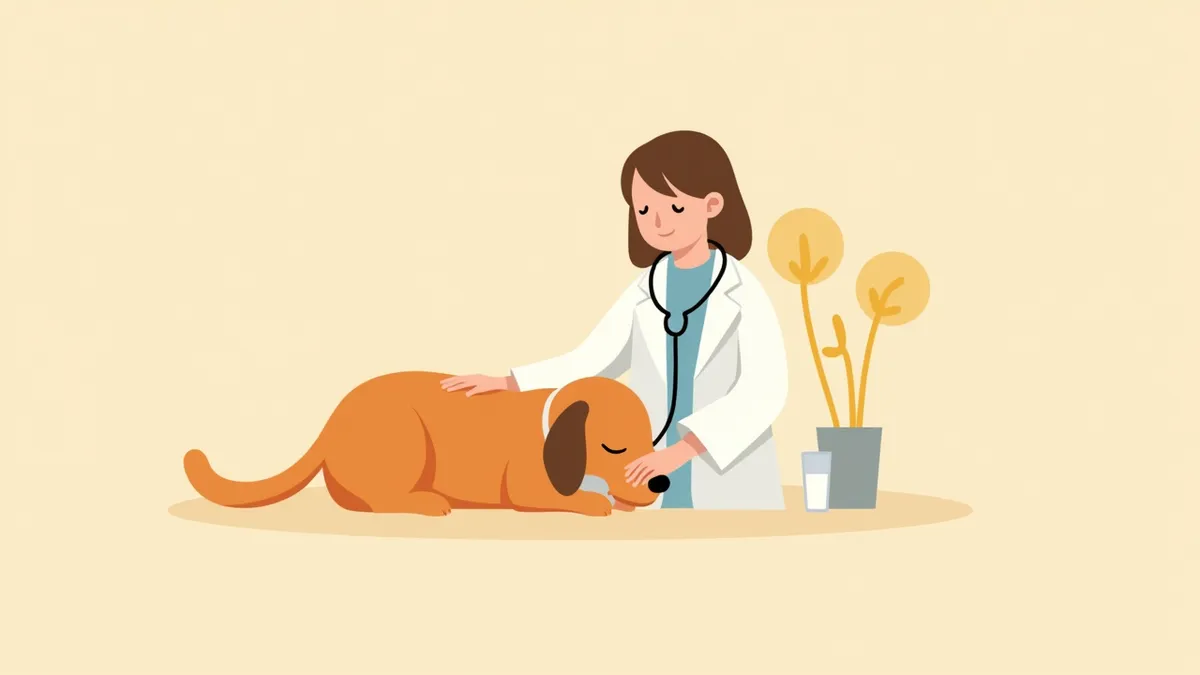
A veterinarian conducting a cardiac examination on a puppy
Early screening for heart disease in dogs is a crucial step to detect abnormalities in heart function before symptoms appear. In its early stages, heart disease often shows no obvious signs, but early detection significantly improves treatment outcomes. For senior dogs and breeds at genetic risk, regular check-ups play a vital role in extending their lifespan. Through early screening, we can identify declining heart function promptly and avoid missing the optimal window for treatment. This approach is essential for maintaining your dog’s quality of life for as long as possible.

What Tests Are Used for Early Screening of Heart Disease?
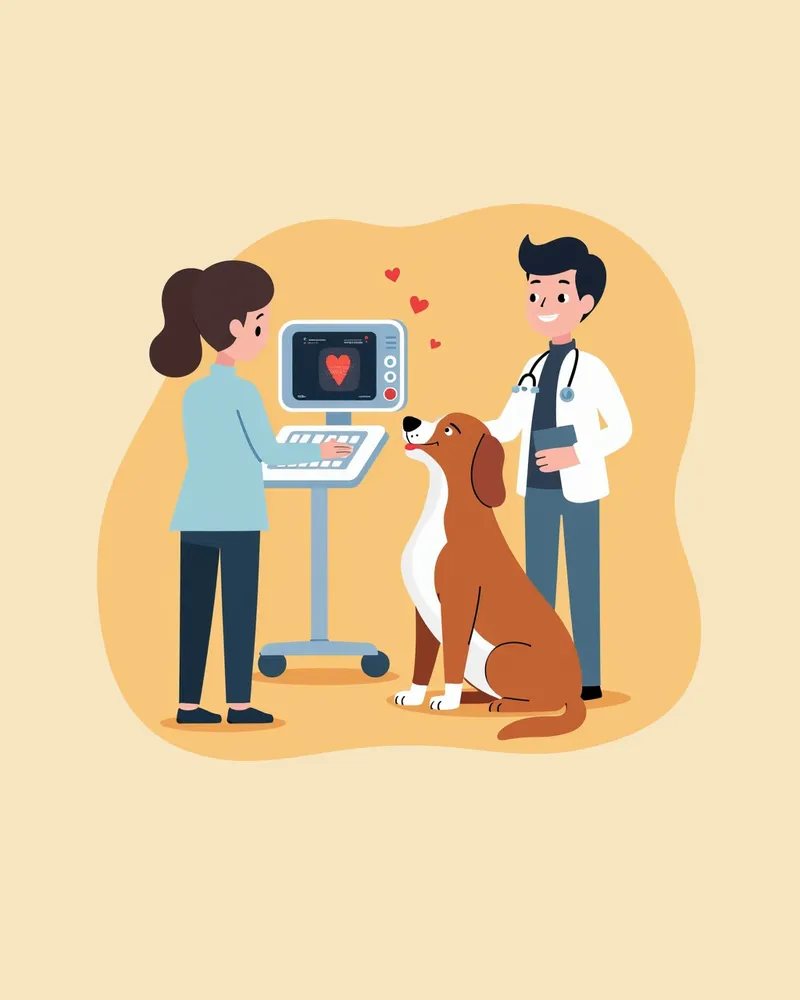
Early screening for heart disease involves auscultation, electrocardiography (ECG), and echocardiography. - Auscultation: A basic, simple, and non-invasive test that listens for abnormal sounds indicating heart valve abnormalities. - Electrocardiography (ECG): A test that identifies irregularities in heart rhythm to determine the presence of arrhythmias. - Echocardiography: An advanced test that precisely evaluates heart structure and contractile function, enabling accurate diagnosis of early abnormalities. These three tests complement each other by assessing different aspects, collectively aiding in a comprehensive evaluation of heart health.
Scene of a puppy undergoing an echocardiogram (ultrasound heart examination)

Which Dogs Need Early Screening for Heart Disease More?

As dogs age, the prevalence of heart disease increases, making regular screening essential for senior dogs. - Breed-specific genetic risks: Small to medium breeds, such as Cavalier King Charles Spaniels, are prone to myxomatous mitral valve disease (mitral valve disease), while large breeds like Doberman Pinschers, Boxers, Great Danes, and Irish Wolfhounds are more susceptible to cardiomyopathy (such as dilated cardiomyopathy). - Dogs with abnormal heart sounds: Heart murmurs can be a common sign of valvular abnormalities, so careful monitoring is necessary. - Dogs that tire easily after exercise: Exercise intolerance may signal declining cardiac function. - Dogs with a history of heart problems: Ongoing monitoring is needed to detect any changes in condition. Early screening is especially important for dogs with these risk factors.
The need for early screening of heart disease in Doberman Pinschers

Comparison of Early Screening Tests for Heart Disease

ItemAccuracyCostTime Required
AuscultationLowInexpensiveWithin 5 minutes
ElectrocardiogramModerateModerate15 minutes
EchocardiographyHighExpensive30–45 minutes

Echocardiography most precisely evaluates cardiac structure and function.

How Often Should Early Screening for Heart Disease Be Performed?

The frequency of early screening for heart disease varies depending on a dog’s age, breed, and cardiac status, so it’s best to determine the schedule in consultation with your veterinarian. - Senior dogs: As dogs age, the prevalence of heart disease increases, making regular monitoring essential. - At-risk breeds: Breeds predisposed to heart valve disease or cardiomyopathy benefit from breed-specific screening to detect abnormalities early. - Dogs with abnormal heart sounds: If a heart murmur is detected, your veterinarian may adjust the screening interval based on their assessment. Early detection enables appropriate intervention during the latent stage, helping to maintain quality of life. Regular check-ups are key to effective management.
Dog Heart Check-up Schedule Calendar

Visit the Vet Immediately If Heart Valve Abnormalities Are Suspected

Heart valve abnormalities may show no symptoms in the early stages, but severe cases can lead to difficulty breathing, coughing, and even shock. If your pet experiences worsening coughing or signs of labored breathing, seek veterinary care immediately.

What Should You Watch Out for After Early Screening for Heart Disease?
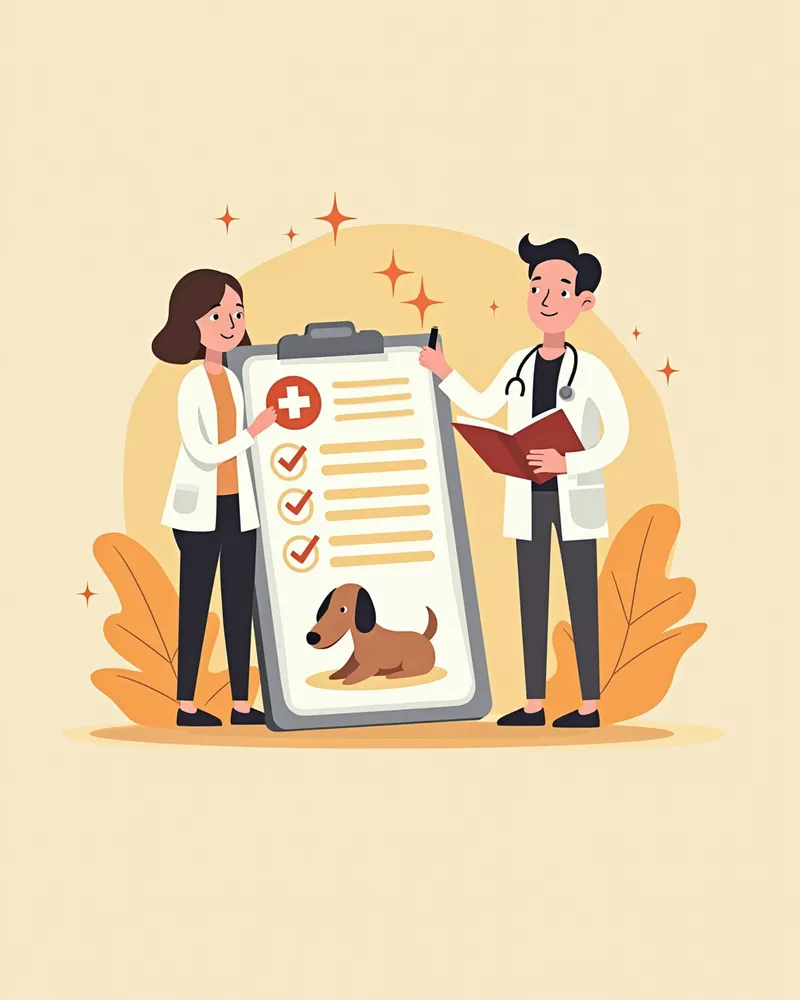
Even if the screening results show abnormalities, immediate treatment may not be necessary. Heart diseases often have a preclinical stage with no clinical symptoms, so veterinarians may set an observation period based on the situation and recommend treatment or management as needed. - Regular re-examinations: It is essential to continuously monitor changes in heart function through physical examinations, chest radiographs, echocardiograms, and other methods. - Lifestyle management: It is advisable to follow the lifestyle management recommended by your veterinarian, such as avoiding strenuous activities. - Dietary and nutritional management: Consulting with your veterinarian to maintain an appropriate diet and nutritional balance can be helpful. - Observation of warning signs: If symptoms such as coughing, shortness of breath, exercise intolerance, or shock appear, you should visit the clinic immediately. Early response is crucial.
Establishing a management plan after early screening for heart disease

Reviewed by a veterinarian

Dr. Tony — Punnawat Phongkittirak

Dr. Tony — Punnawat Phongkittirak

Veterinarian

A veterinarian who majored in veterinary medicine at Khon Kaen University, Thailand, and completed the IVSA program at North Carolina State University in the United States. Drawing on clinical experience at animal hospitals, he works in the pet healthcare field and is dedicated to building a digital care environment that connects pet parents with veterinarians.

Frequently Asked Questions

Is there any pain involved in early screening for heart disease?
No, auscultation and electrocardiograms are painless procedures. Ultrasound examinations are also performed without anesthesia, and we take every precaution to ensure your dog remains comfortable throughout the process.
When should early screening for heart disease begin?
The timing and frequency of health screenings vary depending on a dog’s age, breed, and heart condition, so it’s best to consult with your veterinarian to determine the appropriate schedule. For breeds at higher risk, breed-specific screening tests can be helpful, as early detection allows for identifying issues before symptoms appear.
How much does early screening for heart disease cost?
A stethoscope exam costs around $10, an ECG about $10, and an echocardiogram between $40 to $70. Regular check-ups can help you save on these costs.
Does early screening for heart disease require treatment?
The approach depends on the examination results. If the decline in heart function is mild or still in the latent stage, monitoring alone may be sufficient; however, more advanced cases require medication and management. Your veterinarian will provide a tailored care plan.
Is early screening for heart disease necessary for cats as well?
Yes, cats can also develop heart disease, particularly cardiomyopathy. Regular monitoring is important for senior cats, and checking their resting respiratory rate at home can be helpful. Please consult with a veterinarian for an accurate risk assessment.

Share

Related Guides

References

[1] Freid KJ, Freeman LM, Rush JE, et al. (2020) Retrospective study of dilated cardiomyopathy in dogs. Journal of Veterinary Internal Medicine, 35(1):58–67.

[2] Mattin MJ, Boswood A, Church DB, et al. (2015) Prevalence of and risk factors for degenerative mitral valve disease in dogs. Journal of Veterinary Internal Medicine, 29(3):847–854.

[3] MEURS KM. (2010) Genetics of Cardiac Disease in the Small Animal Patient. Veterinary Clinics of North America: Small Animal Practice, 40(4):701–715.

This information is based on veterinary literature and does not replace diagnosis or treatment. Please consult a veterinarian for specific health concerns.

Metapet Co., Ltd. | CEO: Park Sung-yong | Business Reg. No. 417-88-02562 | Seoul, South Korea | Customer Center

Can Your Dog's Heart Disease Be Caught Early? Screening | Meongsiljang