
Why Do Dogs and Cats Self-Harm, and How Can You Stop It?
We’ve compiled a veterinary-backed guide to the causes of self-harming behaviors, such as repetitive biting and licking, in pets, along with step-by-step management strategies.
What Is Self-Harming Behavior in Pets?
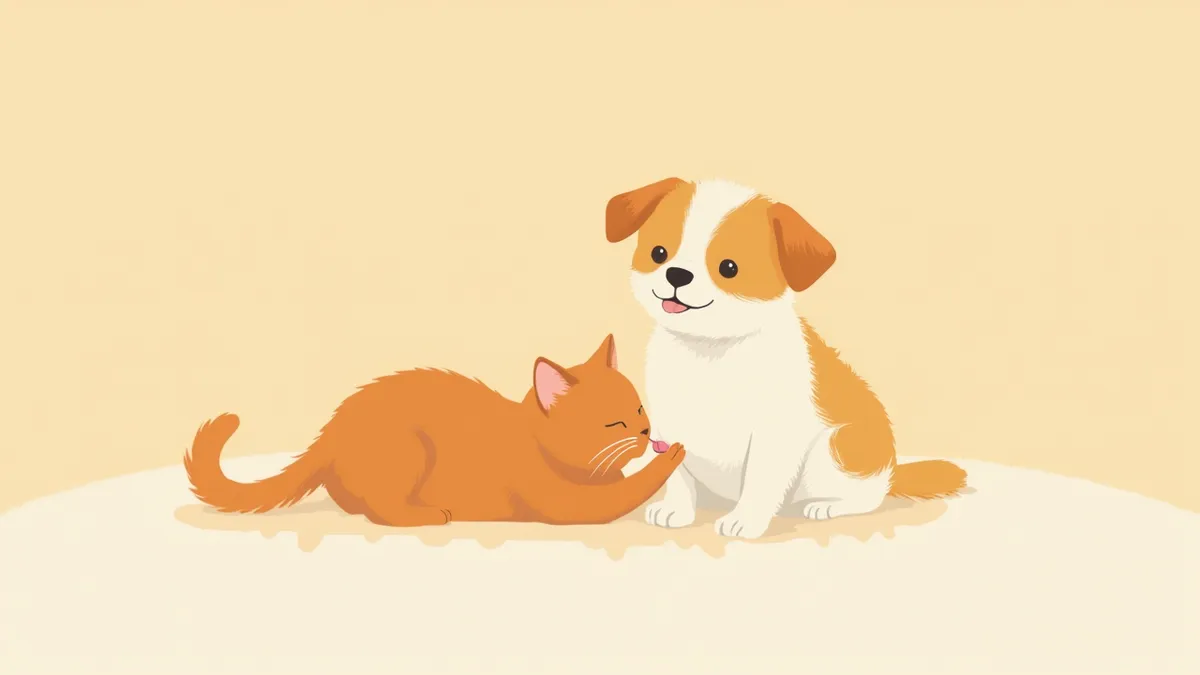
Why Do They Bite and Lick Their Own Bodies? 4 Main Causes
Comparison of Self-Harming Behavior Characteristics by Cause
| Item | Skin/allergy | Pain | Stress/anxiety | Obsessive-compulsive disorder |
|---|---|---|---|---|
| Main area | Whole body, belly, between toes | Specific area (joints, anus) | Forepaws, flank | Fixation on one area |
| Trigger timing | After seasonal or dietary changes | During movement or defecation | When the owner leaves | Even without any stimulus |
| Skin condition | Redness, oozing | Localized swelling, tenderness | Hair loss | Callus formation from licking |
| Response to interruption | Resumes when itchy | Resumes when in pain | Stops when called by name | Hardly stops even when called |
Two or more may overlap. Differentiation at a veterinary clinic is needed.
Self-Harming Behavior Checklist You Can Check at Home

Situations Requiring Immediate Veterinary Visit
If any of the following apply, your pet should be seen by a veterinarian within 24 hours. Leaving it untreated can lead to secondary infections and self-mutilation. - When biting causes bleeding and wounds - When one area is intensely attacked for more than two hours a day - When attacks shift to other areas despite wearing an Elizabethan collar - When appetite and activity levels both decrease - When neurological symptoms such as seizures or difficulty standing are present
How Is It Diagnosed at the Veterinary Clinic?
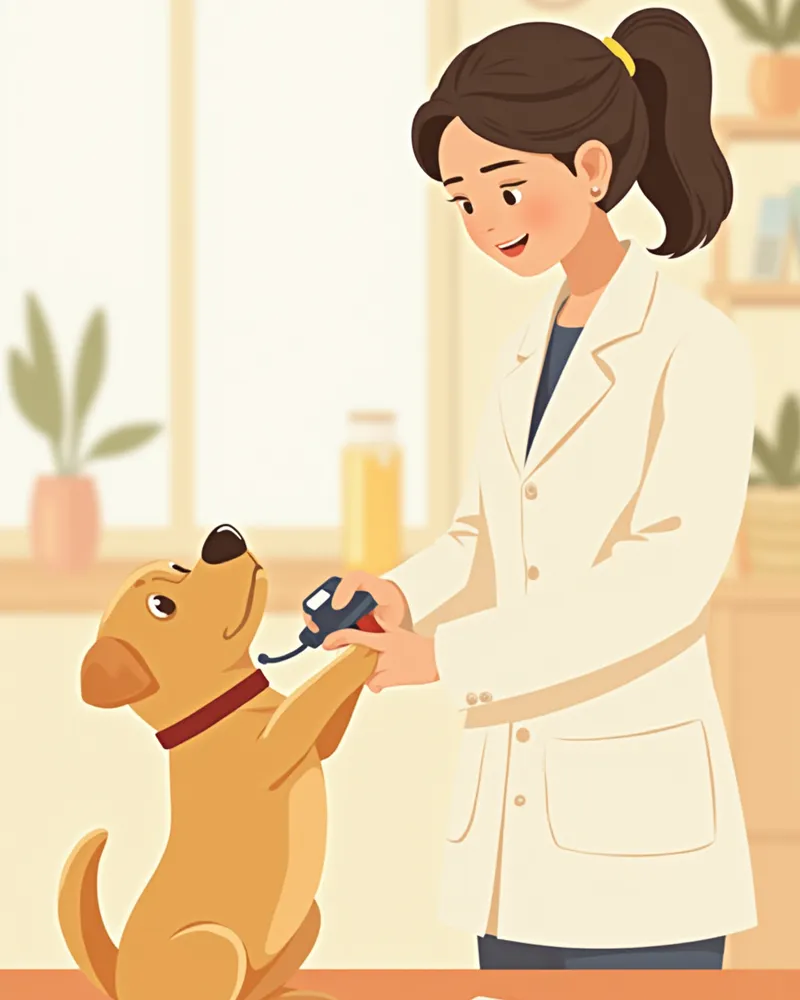
Step-by-Step Management Strategies You Can Do at Home
Medication and Behavioral Therapy for Compulsive Disorder
Breed and Individual-Specific Points of Attention
Compulsive self-harming behaviors are more commonly reported in certain breeds. - Dogs: Doberman Pinschers (flank licking), Labrador and Golden Retrievers (interdigital licking, also known as Acral Lick Dermatitis), Bull Terriers (tail chasing) - Cats: Siamese and Oriental breeds (psychogenic alopecia, excessive grooming of the flanks and abdomen) In breeds with a genetic predisposition, symptoms tend to manifest easily under stress. The key to prevention is providing an enriched environment and regular exercise from an early age.
Reviewed by a veterinarian

Dr. Tony — Punnawat Phongkittirak
VeterinarianA veterinarian who majored in veterinary medicine at Khon Kaen University, Thailand, and completed the IVSA program at North Carolina State University in the United States. Drawing on clinical experience at animal hospitals, he works in the pet healthcare field and is dedicated to building a digital care environment that connects pet parents with veterinarians.
Reviewed 2026-04-29
Frequently Asked Questions
Will putting on a neck collar stop self-harming behavior?
Is my cat pulling out its belly fur? Could this be a sign of self-harming behavior?
Do I need to give my pet medication for self-harming behavior for the rest of its life?
Is it safe to give human antidepressants to pets?
Will scolding or stopping the behavior make the self-harming stop?
Share
Related Guides

7 Behavioral Enrichment Strategies for Mental Stimulation Recommended by Veterinarians

Top 5 Calming Supplements for Dogs and Cats in 2026

L-Theanine Effects and Calming Support
If Your Cat Repeats the Same Behavior — Signs of Compulsive Disorder and Treatment

What are hookworms in puppies? — Why do anemia and weight loss occur?
Preventing Mammary Tumors in Dogs — Spaying Timing and Risk Reduction Effects
Emergency Response for Cat Exposure to Dangerous Spring Flowers — Tulips, Azaleas, Daffodils

What if a cat eats grapes or raisins? Kidney damage risks and symptoms different from dogs

Can Dogs Eat Walnuts and Pecans? — Key Facts on Poisoning Symptoms and First Aid

If Your Dog Ate Wild Mushrooms During a Walk — Emergency Steps and Risks by Type
References
[1] Landsberg G, Hunthausen W, Ackerman L. Behavior Problems of the Dog and Cat, 4th Edition, Chapter 10: Stereotypic and Compulsive Disorders
[2] Horwitz DF, Mills DS. BSAVA Manual of Canine and Feline Behavioural Medicine, 2nd Edition, Compulsive Behaviour
[3] Overall KL. Manual of Clinical Behavioral Medicine for Dogs and Cats, Chapter 9: Abnormal Canine Behaviors and Behavioral Pathologies
[4] Ethology and Veterinary Behavioral Medicine, Introduction to Animal Behavior, Ch.3 & Ch.9
[5] Miller PE, Dubielzig RR. Veterinary Dermatology, Acral Lick Dermatitis in Dogs