
Like
Share
멍실장
강아지 신장 기능 보조제(오메가3 등) 자주 묻는 질문 Q&A — 보호자가 꼭 알아야 할 핵심

Canine Kidney Supplements: Are They Effective? When and How to Give Omega-3

KidneyQ&AMeongsiljang Veterinary Advisory Board

Omega-3 is gaining attention as a supplement to support kidney function in dogs. We’ve compiled the key questions and answers that pet owners should know.

What Are Canine Kidney Support Supplements?

Omega-3 reducing inflammation in kidney cells
Canine kidney support supplements are nutritional aids used to help maintain kidney health or slow the progression of chronic kidney disease. However, supplements alone cannot reverse already impaired kidney function; dietary management remains the cornerstone of kidney disease care. - Omega-3 fatty acids (EPA and DHA): Primarily sourced from fish oil, these help regulate the body’s inflammatory response and support blood flow within the kidneys. They are commonly included in prescription renal diets. - Antioxidants: Often included alongside omega-3s in prescription renal diets, antioxidants help reduce the burden of oxidative stress. - Glucosamine: Primarily used for joint support, there is no clear veterinary nutritional evidence confirming its effectiveness for protecting canine kidneys. - Coenzyme Q10: While involved in cellular energy metabolism, there is insufficient evidence to support its efficacy for canine kidney function. Since supplements are intended for prevention and support rather than treatment, it is essential to consult your veterinarian before use.

Why Is Omega-3 Important for Kidney Supplements?
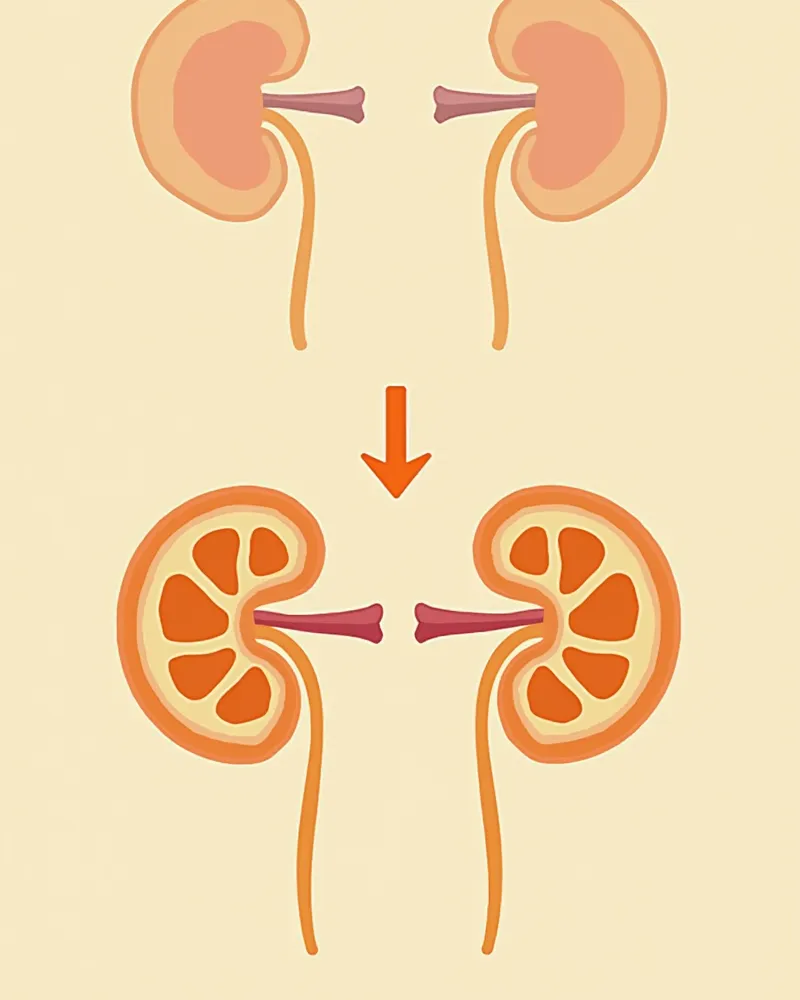
Omega-3 fatty acids, composed of EPA and DHA, are essential nutrients that the body cannot produce in sufficient amounts and must be obtained through the diet. - EPA and DHA: Help regulate inflammation associated with the kidneys and support blood flow within the kidneys. - Chronic Kidney Disease Management: According to veterinary nutrition literature, kidney-specific prescription diets supplemented with omega-3 fatty acids may help slow the rate of decline in kidney function. - Regulation of Inflammatory Mediators: Mediators derived from omega-3 fatty acids are less inflammatory, thereby helping to reduce the burden on the kidneys. - Improved Blood Flow: Positively influence blood flow within the kidneys, supporting kidney tissue health. - Consistent Dietary Management: However, diet alone cannot reverse existing damage, so it is important to manage your pet’s condition appropriately under the guidance of a veterinarian.
How omega-3 fatty acids reduce kidney inflammation

When Should You Start Omega-3 Supplements?

It’s best to start omega-3 supplementation for your dog after consulting with your veterinarian, based on their kidney health and test results. Rather than deciding on timing yourself, prioritize a professional assessment. - Decisions based on test results: If kidney disease is suspected, evaluate kidney function through blood or urine tests before determining whether supplementation is appropriate. - Senior dogs or those with underlying conditions: For older dogs or those with conditions that may stress the kidneys, it’s advisable to discuss supplementation with your vet in advance. - Regular monitoring: Diagnosing kidney disease often requires multiple tests, so consistent check-ups are essential to monitor your dog’s condition. - Consider dietary intake: Many kidney-specific prescription diets already contain omega-3s, so factor in the amount provided by food when determining supplemental doses. - Individualized dosing: The timing and dosage of omega-3s vary depending on your dog’s weight, overall health, and disease stage, so following your veterinarian’s guidance ensures safety.
Kidney Testing and Supplement Use for Senior Dogs

What to Watch Out for When Giving Omega-3 Supplements

Omega-3 supplements are generally safe, but exceeding the recommended dose can burden your pet’s digestive system. - Stick to the proper dosage: Because omega-3s are oil-based, giving too much can lead to soft stools or digestive upset. - Consult your veterinarian: Dosage should be determined based on your pet’s weight, overall health, and the amount of omega-3 already present in their diet. - Check for interactions with medications or diets: If you’re giving other medications or prescription diets, inform your vet beforehand to avoid overlapping ingredients. - Verify product quality: Choose products from reputable, trusted brands. - Store properly: Keep supplements away from direct sunlight and moisture. Ongoing care is essential to ensure safe administration.
A veterinarian checking precautions when administering omega-3

Comparison of Omega-3 Supplement Types

ItemFormMain IngredientsRecommended TimingPrecautions
Liquid TypeEPA+DHAVeterinarian-prescribed dose (based on EPA+DHA 1–3mg/kcal)Adult dogs and olderOily smell, possible indigestion
Capsule TypeEPA+DHAVeterinarian-prescribed dose (based on EPA+DHA 1–3mg/kcal)Senior dogsDifficult to chew
Powder TypeEPA+DHAVeterinarian-prescribed dose (based on EPA+DHA 1–3mg/kcal)Mixed into food for feedingDifficult to mix

The recommended dosage varies depending on the dog's weight/calories and the amount of omega-3 already included in the prescription diet. Do not decide arbitrarily; determine it after consulting your veterinarian.

Ingredients That Work Well with Omega-3 Supplements

Omega-3 fatty acids are most meaningful when incorporated into a comprehensive renal-support diet rather than used as a standalone supplement. Prescription renal diets typically include the following components: - Antioxidants: Often included alongside omega-3s in renal diets, these help alleviate oxidative stress as a supportive measure. - Phosphate restriction: A cornerstone of renal diets, this involves reducing phosphorus content to lessen the burden on the kidneys. - Appropriate protein levels: High-biological-value proteins are provided in controlled amounts to minimize waste product accumulation. - Glucosamine, coenzyme Q10, magnesium, etc.: While sometimes recommended, veterinary evidence supporting their efficacy for canine kidney health is insufficient, so avoid adding them without professional guidance. - Vitamin E: Occasionally mentioned for its antioxidant properties, but evidence for specific renal benefits is limited. Always consult your veterinarian before adding any supplement to ensure safety and appropriateness.
Supporting ingredients to take alongside omega-3

Visit the Vet Immediately for Sudden Kidney Function Decline

A sudden increase in water intake and urine output, or conversely, very little urine accompanied by vomiting, lethargy, and loss of appetite, may signal kidney dysfunction. In such cases, immediate veterinary care is essential. Omega-3 supplements are supportive only; in emergencies, proper medical treatment must take priority.

5 Signs Pet Owners Must Check

Even if your pet is taking an omega-3 supplement, close monitoring is still important. Consult your veterinarian if you notice any of the following signs:
Increased water consumption: Your pet may suddenly drink significantly more water than usual.
Changes in urine volume or frequency: You may notice either excessive urination or a noticeable decrease in urine output.
Increased lethargy: Your pet may sleep excessively or show little interest in moving around.
Decreased appetite: Your pet may refuse treats or leave most of their food uneaten.
Recurrent vomiting: Vomiting may occur multiple times throughout the day.
Signs of fatigue in dogs

Reviewed by a veterinarian

Dr. Tony — Punnawat Phongkittirak

Dr. Tony — Punnawat Phongkittirak

Veterinarian

A veterinarian who majored in veterinary medicine at Khon Kaen University, Thailand, and completed the IVSA program at North Carolina State University in the United States. Drawing on clinical experience at animal hospitals, he works in the pet healthcare field and is dedicated to building a digital care environment that connects pet parents with veterinarians.

Frequently Asked Questions

Should omega-3 supplements be taken daily?
Yes, taking it daily is effective for maintaining a consistent concentration. Please follow the dosage recommended by your veterinarian exactly.
Can omega-3 fatty acids completely restore kidney function?
No. Omega-3 is a supplement, not a treatment. It can help slow down kidney function decline and alleviate symptoms, but it is difficult to reverse already damaged kidney function.
Is it safe to give omega-3 supplements to puppies?
The decision depends on your pet’s weight and overall health, as determined by your veterinarian. While it can generally be considered for pets six months of age and older, early administration should only be done after consulting with a professional.
My pet developed constipation after starting an omega-3 supplement. Is this normal?
Constipation is rare but can occur, as the oil content in the supplement may affect digestion. If it’s temporary, you can monitor your pet, but if it persists, please consult your veterinarian.
Will giving omega-3 supplements cause a bad odor?
Some products may have a fishy odor that can temporarily intensify your pet’s breath. However, veterinary-grade products are typically virtually odorless, and any mild scent can often be managed through dietary adjustments.

Share

Related Guides

References

[1] BSAVA Manual of Canine and Feline Dermatology, 4th Ed, 2020

[2] Clinical Medicine of the Dog and Cat, 4th Ed, 2019

[3] NRC (National Research Council) Nutrient Requirements of Dogs and Cats, 2006

This information is based on veterinary literature and does not replace diagnosis or treatment. Please consult a veterinarian for specific health concerns.

Metapet Co., Ltd. | CEO: Park Sung-yong | Business Reg. No. 417-88-02562 | Seoul, South Korea | Customer Center

Dog Kidney Supplements: Do They Work? How and When to Give Omega-3 | Meongsiljang