Like
Share
멍실장
고양이 종양 CT·MRI 스테이징 자주 묻는 질문 Q&A — 보호자가 꼭 알아야 할 핵심

Feline Tumor CT/MRI Staging FAQ — Key Information Every Cat Owner Must Know

Oncology/CancerQ&AMeongsiljang Veterinary Advisory Board

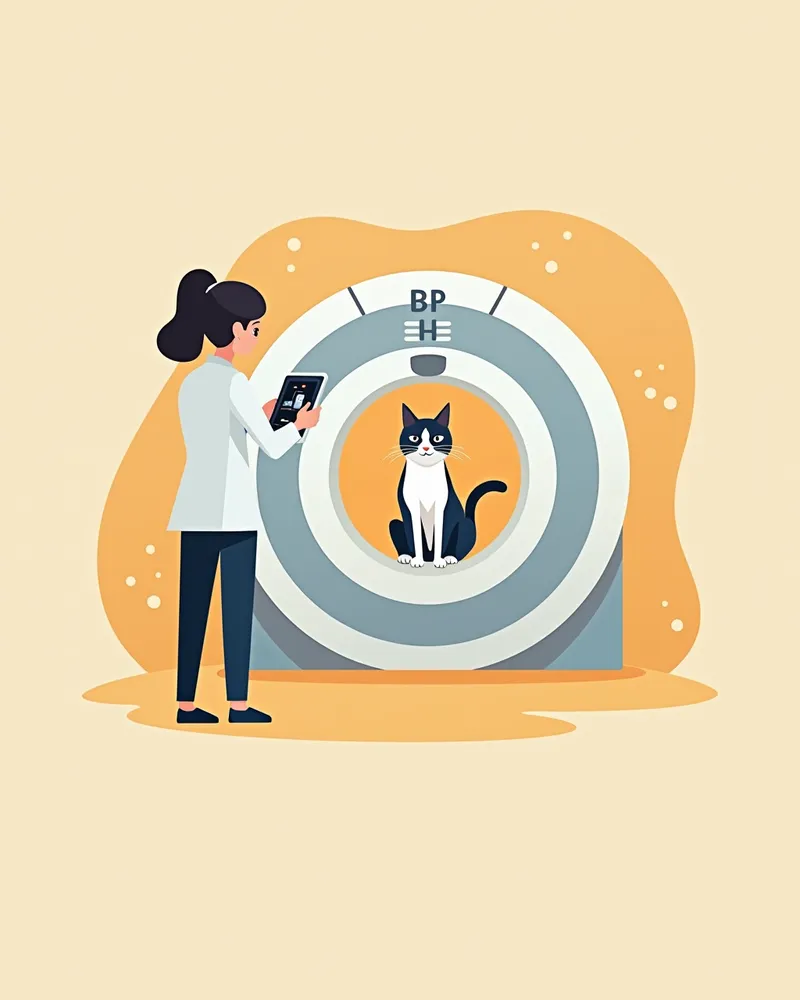
We’ve compiled the essential information every cat owner should know about why CT and MRI scans are crucial for accurately staging feline tumors, when they should be performed, and what precautions to take before and after the tests.

Why Is CT/MRI Staging Essential for Feline Tumors?
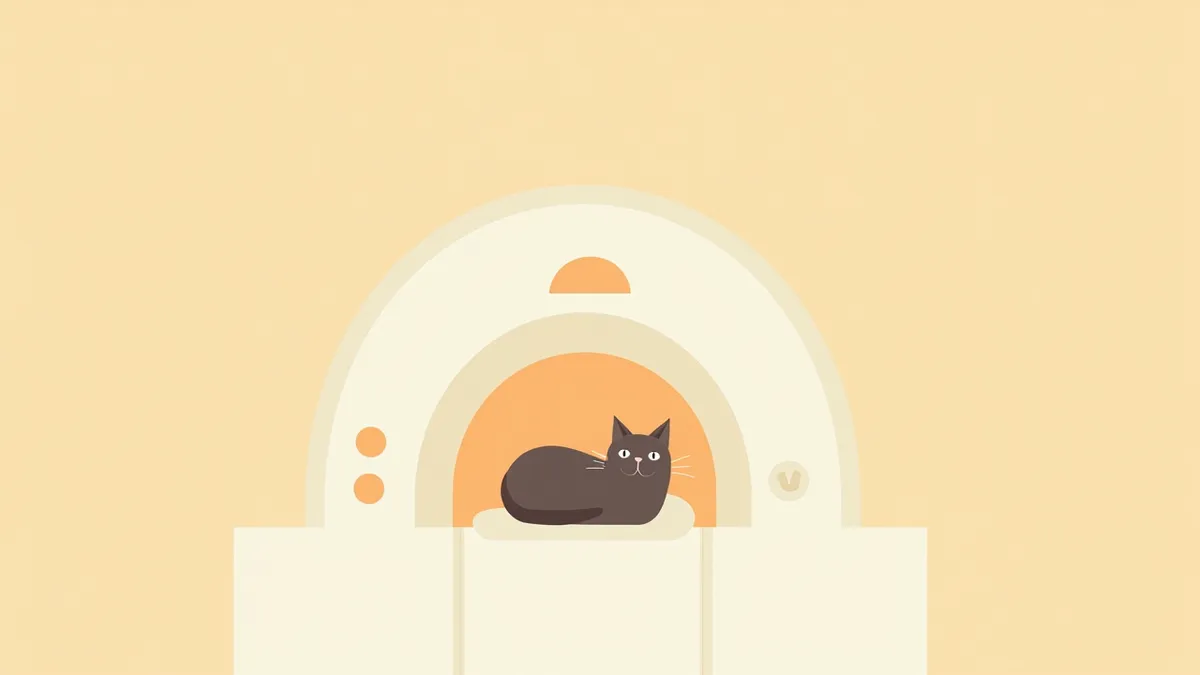
A cat undergoing an MRI scan
In staging feline tumors, three-view thoracic radiographs and abdominal ultrasound are the standard baseline tests, while CT and MRI play important roles in specific situations. - Precise localization: These imaging techniques help determine the tumor’s exact location and whether it has invaded surrounding tissues. - Surgical and radiation therapy planning: They allow for precise delineation of the tumor’s extent, aiding in the development of surgical or radiation therapy plans. - Assessment of metastasis: CT is particularly useful for evaluating metastasis to the lungs or lymph nodes, typically used in conjunction with baseline thoracic radiographs and abdominal ultrasound. - Evaluation of nervous system involvement: CT and MRI are essential when there is suspicion that the tumor has invaded the central nervous system, such as the brain or spinal cord. - Treatment strategy formulation: Imaging results provide critical evidence for determining the most appropriate treatment approach, whether surgery, radiation therapy, or medication. However, CT and MRI are not mandatory for every tumor case; veterinarians select these tests based on the tumor type and location.

What Are the Differences Between CT and MRI?
- CT Scan: CT scans excel at quickly assessing the structure of bones and lung tissue. They are particularly useful for determining whether cancer has spread to the lungs or invaded the bones. - MRI Scan: MRIs provide clearer images of the fine structures of the brain, spinal cord, and soft tissues, making them ideal for diagnosing nervous system tumors. - Selection Criteria: Your veterinarian will determine the most appropriate imaging test based on the tumor’s location and characteristics. - Complementary Use: CT and MRI scans are often used together to achieve more accurate staging. - Safety Considerations: Although anesthesia is required, your pet’s overall health will be thoroughly evaluated to ensure the procedure is performed safely.
Comparing CT and MRI images of a cat's brain

When Is CT/MRI Staging Necessary?

This test is essential after a cat is diagnosed with a tumor, especially when the tumor is suspected to be in deep areas such as the brain, spinal cord, abdomen, or lungs. - Accurate assessment of tumor extent before surgery: It is crucial to accurately determine the tumor’s size and whether it has invaded surrounding tissues before surgery. - Confirmation of metastasis: It is necessary to check for metastasis to lymph nodes, the liver, lungs, or other organs. - When symptoms are present: Loss of balance or paralysis may indicate lesions in the brain or spinal cord. - A mandatory step before establishing a treatment plan: Accurate staging is required before deciding on a treatment approach. - Veterinarian’s clinical judgment: The veterinarian’s diagnostic assessment takes precedence over the owner’s questions.
A veterinarian reviewing a cat’s MRI results

How to Prepare for the Test?

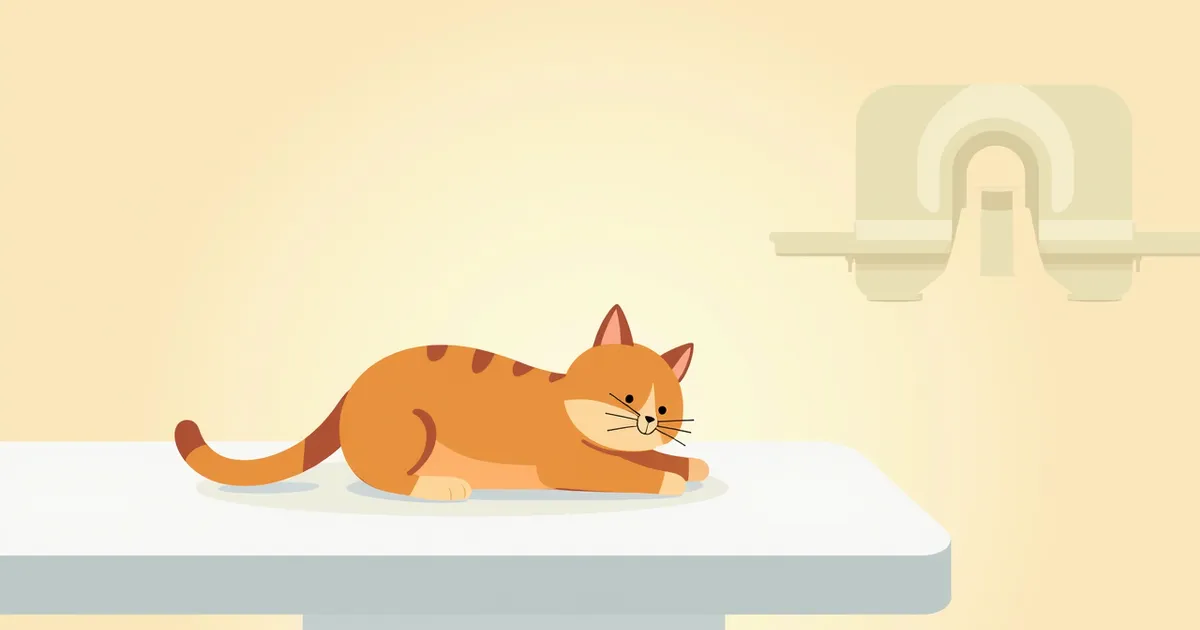
CT and MRI scans require anesthesia to keep your cat still. - Fasting: To prevent nausea or aspiration during anesthesia, withhold food for the duration specified by your veterinarian. For safety, always follow your vet’s instructions regarding fasting methods and timing. - Medication Use: If your cat is on regular medication, confirm with your veterinarian whether it should be administered before the scan. - General Health Assessment: Before anesthesia, evaluate overall health and cardiopulmonary function through tests such as blood work. Pre-anesthetic assessment is crucial because cats may have latent heart conditions, such as hypertrophic cardiomyopathy. - Monitoring: Continuously monitor blood pressure, heart rate, respiratory rate, breathing pattern, and oxygen saturation throughout the procedure. - Owner Presence: In some cases, owners may be allowed to stay with their cats before and after the scan to help reduce stress.
A cat calmly waiting before an MRI scan

Signs Requiring Immediate Veterinary Visit

If your cat suddenly becomes paralyzed, loses its balance and collapses, or appears disoriented, please come to the clinic immediately. These symptoms could indicate a brain tumor or spinal cord injury. An MRI may be urgently required, so please consult with a veterinarian without delay.

How to Interpret the Test Results?

Veterinarians analyze CT or MRI images to accurately determine the tumor’s size, location, and whether it has invaded surrounding tissues. - Combined with pathological examination: A comprehensive diagnosis is made together with the results of a tissue biopsy. - Determining the treatment direction: A treatment plan is established based on options such as surgery, radiation therapy, or medication. - Prognostic assessment: The tumor staging results serve as an important basis for predicting the prognosis. - Sharing results: Results are typically available within 1–3 days, and you should discuss them with your veterinarian to decide on the next steps. - Owner understanding is essential: It is important to fully understand the results and have a thorough discussion about treatment choices.
A veterinarian explaining the results of a cat's MRI scan.

CT vs MRI: Comparison in Feline Tumor Diagnosis

ItemCTMRI
Main AdvantageQuick assessment of bone and lung structuresDetailed imaging of soft tissue, brain, and spinal cord
Main DisadvantageLow soft tissue resolutionLong examination time and anesthesia required
Suitable CasesLung cancer, suspected bone metastasisBrain tumor, spinal cord tumor
Need for AnesthesiaRequiredRequired

It is important to select the appropriate examination depending on the tumor's location and nature.

Post-Test Care Points

After anesthesia, your cat may experience temporary dizziness or slowed responses. - Provide a quiet environment: Prepare a calm space where your cat can rest comfortably. - Offer food and water gradually: Even if your cat seems hungry, allow them to eat slowly. - Monitor for abnormal symptoms: Contact us immediately if you notice vomiting, lethargy, or difficulty breathing. - Medication and follow-up tests: Administer prescribed medications and complete any recommended follow-up tests as directed by your veterinarian. - Observe during recovery: Most cats return to normal within 24 hours, but individual recovery times vary, so please monitor your pet closely.
The cat resting comfortably after the examination

Reviewed by a veterinarian

Dr. Tony — Punnawat Phongkittirak

Dr. Tony — Punnawat Phongkittirak

Veterinarian

A veterinarian who majored in veterinary medicine at Khon Kaen University, Thailand, and completed the IVSA program at North Carolina State University in the United States. Drawing on clinical experience at animal hospitals, he works in the pet healthcare field and is dedicated to building a digital care environment that connects pet parents with veterinarians.

Frequently Asked Questions

Are CT and MRI scans dangerous for cats?
Although anesthesia carries certain risks, it is performed safely through comprehensive pre-anesthetic examinations and continuous monitoring. The procedure itself does not cause any direct harm to your cat.
How much will the test cost?
A CT scan costs about $100 to $200, while an MRI ranges from $150 to $250. Investing in these tests is important for an accurate diagnosis.
How long do I need to wait for the test results?
Results are typically available within 1 to 3 days. Since turnaround times may vary by clinic, please confirm with your veterinarian.
Is there any way to perform the examination without anesthesia?
If your cat moves, the images will become blurry and diagnosis will be impossible. Anesthesia is essential for accurate results.
What should I do if my cat exhibits unusual behavior after the examination?
Temporary lethargy or dizziness is normal, but if it persists or is accompanied by vomiting or difficulty breathing, contact your veterinarian immediately.

Share

Related Guides

References

[1] Clinical Medicine of the Dog and Cat, 4th Ed, Chapter 14: Disorders of the Nervous System and Muscle, 2023

[2] Advanced Monitoring for Small Animal Emergency and Critical Care, 2nd Ed, 2022

[3] Veterinary Oncology: Principles and Practice, 3rd Ed, 2021

This information is based on veterinary literature and does not replace diagnosis or treatment. Please consult a veterinarian for specific health concerns.

Metapet Co., Ltd. | CEO: Park Sung-yong | Business Reg. No. 417-88-02562 | Seoul, South Korea | Customer Center

Cat Tumor CT & MRI Staging: 5 Key Questions | Meongsiljang