

How to Perform Pet CPR: Golden Time and Steps for Cardiac Arrest
We’ve outlined the step-by-step CPR procedure and important precautions that pet owners can perform on-site for dogs and cats suspected of cardiac arrest, organized by weight.
What Is Pet CPR?

Three Signs Suggesting Cardiac Arrest
Chest Compression Location and Position by Weight
| Item | Small dogs/cats (2–10kg) | Medium dogs (10–25kg) | Large dogs (25kg or more) |
|---|---|---|---|
| Compression location | Directly over the heart (behind the left foreleg) | Widest part of the chest | Widest part of the chest |
| Hand position | Wrap one hand around the chest | Both hands stacked, pressing down | Both hands stacked, pressing down |
| Compression depth | 1/3–1/2 of chest thickness | 1/3–1/2 of chest thickness | 1/3–1/2 of chest thickness |
| Position | Lay on the side | Lay on the right side | Lay on the right side |
Based on the RECOVER veterinary emergency guidelines; for brachycephalic breeds with round chests such as Bulldogs and Pugs, laying them on their back and compressing the sternum is recommended.
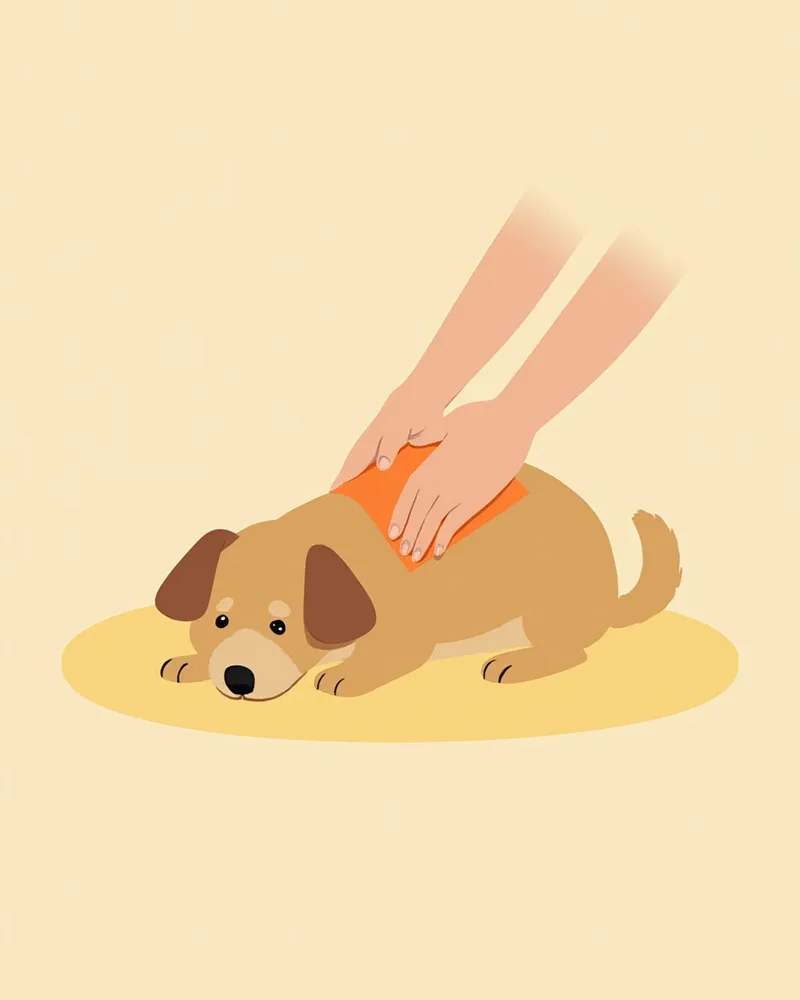
How to Perform Chest Compressions
What Never to Do During CPR
The most dangerous mistake during CPR is frequently pausing chest compressions. If you stop compressions to check for a pulse or clear the airway, blood flow to the brain will immediately drop. Never perform chest compressions on a conscious animal (one that is breathing or moving on its own). Only quickly remove food, vomit, or toys from the mouth with your fingers, then immediately resume compressions. Additionally, do not press too lightly on small animals, as this will be ineffective.
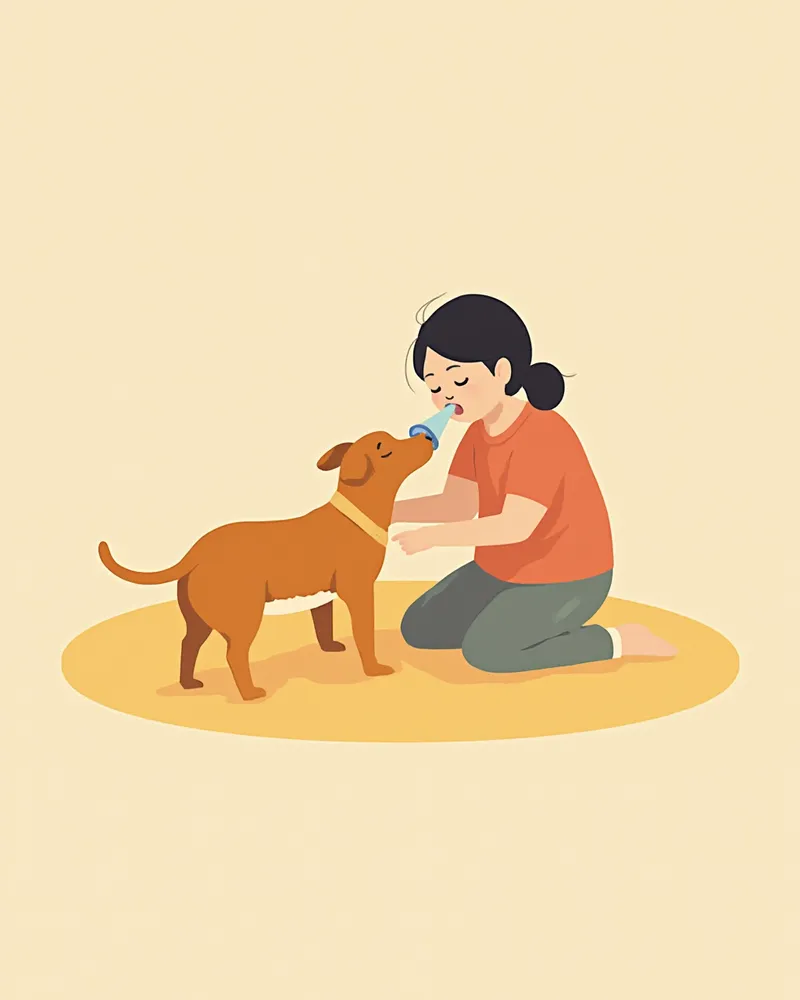
Rescue Breathing and the 2-Minute Cycle
Transport to the Hospital After Return of Spontaneous Circulation
Prepare in Advance to Improve Survival Rates
To avoid panic in the event that CPR is needed at home, it’s essential to prepare in advance. Save the phone numbers and directions to two or three 24-hour emergency veterinary hospitals, and keep a note with your pet’s weight, underlying health conditions, and current medications near your front door or on your phone. For small-breed dogs, senior dogs, or those diagnosed with heart disease, simply watching a RECOVER-based CPR training video beforehand can significantly improve your response time in an actual emergency.
Reviewed by a veterinarian

Dr. Tony — Punnawat Phongkittirak
VeterinarianA veterinarian who majored in veterinary medicine at Khon Kaen University, Thailand, and completed the IVSA program at North Carolina State University in the United States. Drawing on clinical experience at animal hospitals, he works in the pet healthcare field and is dedicated to building a digital care environment that connects pet parents with veterinarians.
Reviewed 2026-04-21
Frequently Asked Questions
Are there significant differences between performing CPR on dogs and cats?
What should I do if a rib breaks during cardiac massage?
How long should CPR be continued?
Can a human AED (automated external defibrillator) be used on pets?
Where can I get CPR training?
Share
Related Guides

Primary vs. Secondary Veterinary Hospitals: A Comparison

5 Easy-to-Raise Cat Breeds for First-Time Owners — Grooming Difficulty Comparison

Top 7 Short-Legged Dog Breeds

My Dog Changed After the Baby Was Born — Is This Normal?

Why Is My Cat Constantly Licking and Losing Hair? — Causes and Management of Psychogenic Alopecia

Is Your Cat’s Hunting Instinct Too Strong? — Just Play or Does It Need Management?

Is Your Cat Avoiding the Litter Box? — Key Q&A on Causes and Solutions

Do Cats Grieve Too? — Behavioral Changes and Care Q&A After Pet Loss

If Your Cat Licks Until It Loses Fur — Signs of Compulsive Behavior and When to Visit the Vet

Why Do Cats Fight? — Causes and Management of Same-Species Aggression
References
[1] Fletcher DJ, Boller M. Cardiopulmonary Resuscitation. Small Animal Critical Care Medicine, 3rd Ed, Elsevier
[2] Fletcher DJ, Boller M, Brainard BM, et al. RECOVER evidence and knowledge gap analysis on veterinary CPR. J Vet Emerg Crit Care, 2012
[3] Hopper K, Epstein SE, Fletcher DJ, Boller M. RECOVER evidence and knowledge gap analysis on veterinary CPR. Part 3: basic life support. J Vet Emerg Crit Care, 2012
[4] Smarick SD. Cardiopulmonary Resuscitation. Advanced Monitoring for Small Animal Emergency and Critical Care, 2nd Ed