

How to Record Your Pet’s Weight — How to Interpret Weight Changes
Tracking your pet’s weight is the easiest way to catch diseases early. We’ve put together a guide covering measurement frequency, recording methods, and how to interpret warning signs.
What Is a Weight Log and Why Is It Necessary?
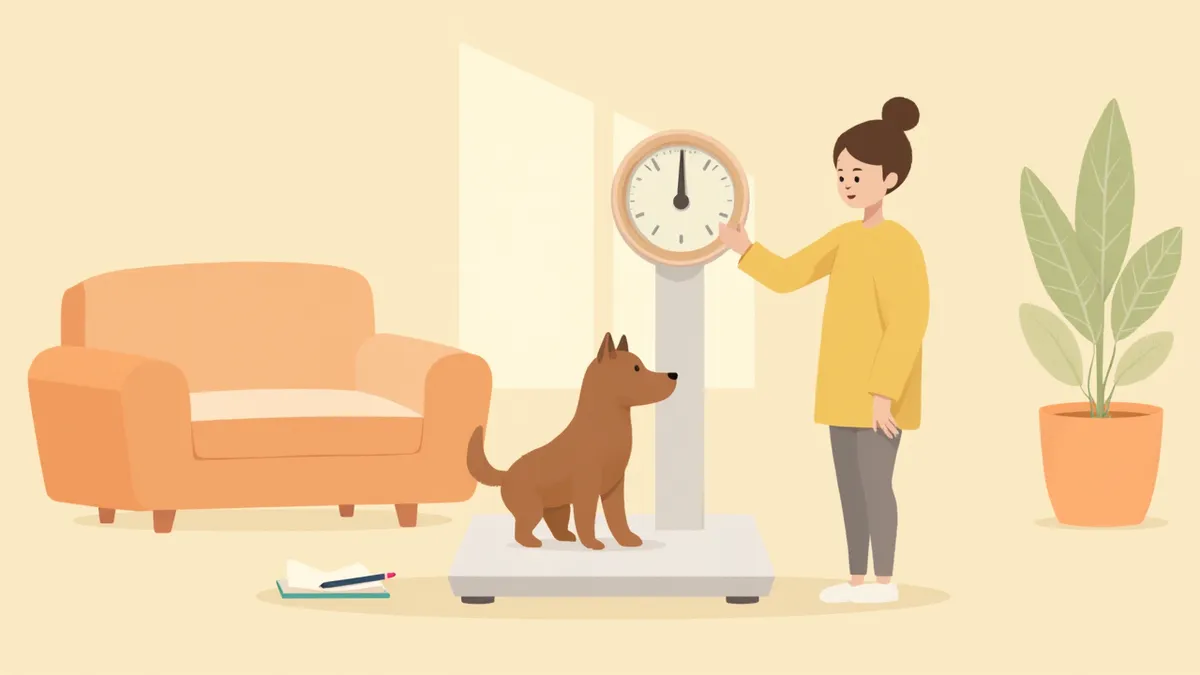
Health Signals Revealed by Weight Changes
Recommended Measurement Frequency (by Body Type and Age)
| Item | Puppy/kitten (under 1 year) | Adult dog/cat (1–7 years) | Senior dog/cat (7 years and older) | On a diet/undergoing treatment |
|---|---|---|---|---|
| Measurement frequency | Once a week | Once a month | Once every 2 weeks | 1–2 times a week |
| Items to record | Weight + growth curve | Weight + BCS | Weight + BCS + appetite | Weight + food intake + stool condition |
| Abnormal criteria (1 month) | No weight gain | Fluctuation of ±10% or more | Fluctuation of ±10% or more | Persistent stagnation relative to target or abnormal changes |
BCS (Body Condition Score) is a 9-point body-shape score, assessed together with the veterinarian.
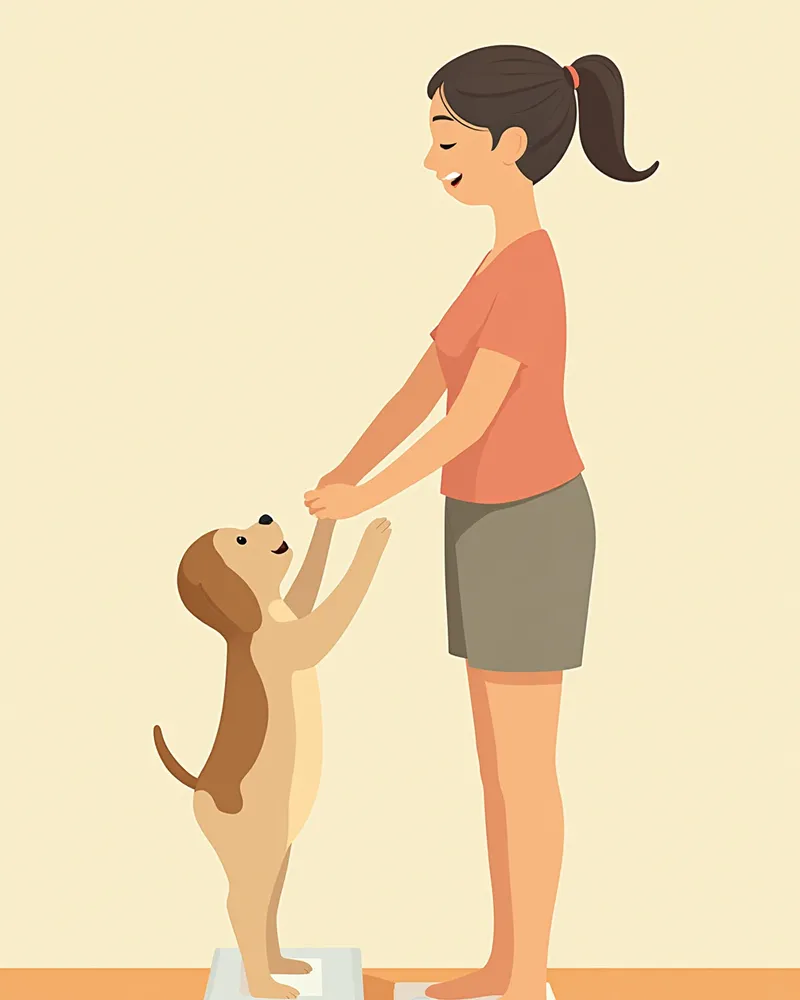
How to Accurately Measure Weight at Home
Seek Veterinary Care Immediately for These Changes
If you notice any of the following signs, please seek veterinary care within 24 to 48 hours: unintentional weight loss that is noticeable despite no dieting; a consistent, steady decline in weight; or weight loss despite normal or even increased appetite (in cats, this may indicate endocrine disorders such as diabetes mellitus, hyperthyroidism, or hyperadrenocorticism). Also watch for sudden, rapid weight gain over a week, which could signal abdominal distension due to ascites or heart failure. Veterinary textbooks emphasize monitoring weight changes alongside deviations from ideal body condition score (BCS), as unintentional weight loss is a significant sign that may stem from multiple overlapping causes. Weight changes are often the earliest indicator of internal disease.
How to Keep Records — A Practical Template
Don’t Just Look at Weight — Check BCS as Well
Breed- and Situation-Specific Precautions
For small and toy breeds (such as Chihuahuas and Pomeranians), even a 100g change represents over 2% of their body weight, so it should be taken seriously. In cats, weight changes can be difficult to detect visually; if your cat appears thin, they may have already lost a significant amount of weight, making regular weigh-ins especially important. We recommend checking your pet’s weight every two weeks during the six months following neutering, around the transition to senior years (approximately age 7), and when switching to a prescription diet.
Reviewed by a veterinarian

Dr. Tony — Punnawat Phongkittirak
VeterinarianA veterinarian who majored in veterinary medicine at Khon Kaen University, Thailand, and completed the IVSA program at North Carolina State University in the United States. Drawing on clinical experience at animal hospitals, he works in the pet healthcare field and is dedicated to building a digital care environment that connects pet parents with veterinarians.
Reviewed 2026-04-26
Frequently Asked Questions
How often should you weigh your pet?
My pet’s weight differs between morning and evening on the same day. Which reading is accurate?
My pet’s weight hasn’t changed, but they look thinner. Is this normal?
The scale has a large margin of error. Which one should I use?
I’ve been on a diet, but my weight hasn’t changed in two weeks. Is that a problem?
Share
Related Guides

Chitosan Effects and Obesity/Fat Absorption
Top 5 Weight-Management Dog Food Recommendations for 2026

7 Best Cat Weight-Loss Diets Recommended by Veterinarians and How to Choose

What is Omeprazole for Dogs and Cats? — Effects of the Acid-Suppressing Medication and Precautions
What is Enalapril? — A Dog Heart Medication: Is It Really Necessary for Your Pet?
Ondansetron: The Ultimate Guide to a Potent Antiemetic for Dogs and Cats
Carprofen (Rimadyl) Pain Reliever Guide
Enrofloxacin (Baytril) Broad-Spectrum Antibiotic

What is Itraconazole? — How to Safely Use This Antifungal for Dogs and Cats
Is Acepromazine Safe for Your Pet?
References
[1] Englar RE. Performing the Small Animal Physical Examination. Wiley/Blackwell; 2017.
[2] Hand MS, Thatcher CD, Remillard RL, et al. Small Animal Clinical Nutrition, 5th ed. Mark Morris Institute; 2010. Chapter 27 Obesity.
[3] Warman S. Weight loss. In: 100 Top Consultations in Small Animal General Practice. Wiley; p.26.
[4] Ettinger SJ, Feldman EC, Cote E. Textbook of Veterinary Internal Medicine, 8th ed. Elsevier; 2017.