Like
Share
멍실장
고양이 체중·비만 예방 관리 자주 묻는 질문 Q&A — 보호자가 꼭 알아야 할 핵심

Feline Weight and Obesity Prevention Management FAQ — Key Points Every Owner Must Know

Lifestyle & Age CareQ&AMeongsiljang Veterinary Advisory Board

Feline obesity can lead to a range of health issues, including diabetes and joint disease. Here’s a concise guide to essential weight management tips and frequently asked questions that every cat owner should know.

The Key to Feline Weight and Obesity Prevention Management is Regular Check-ups
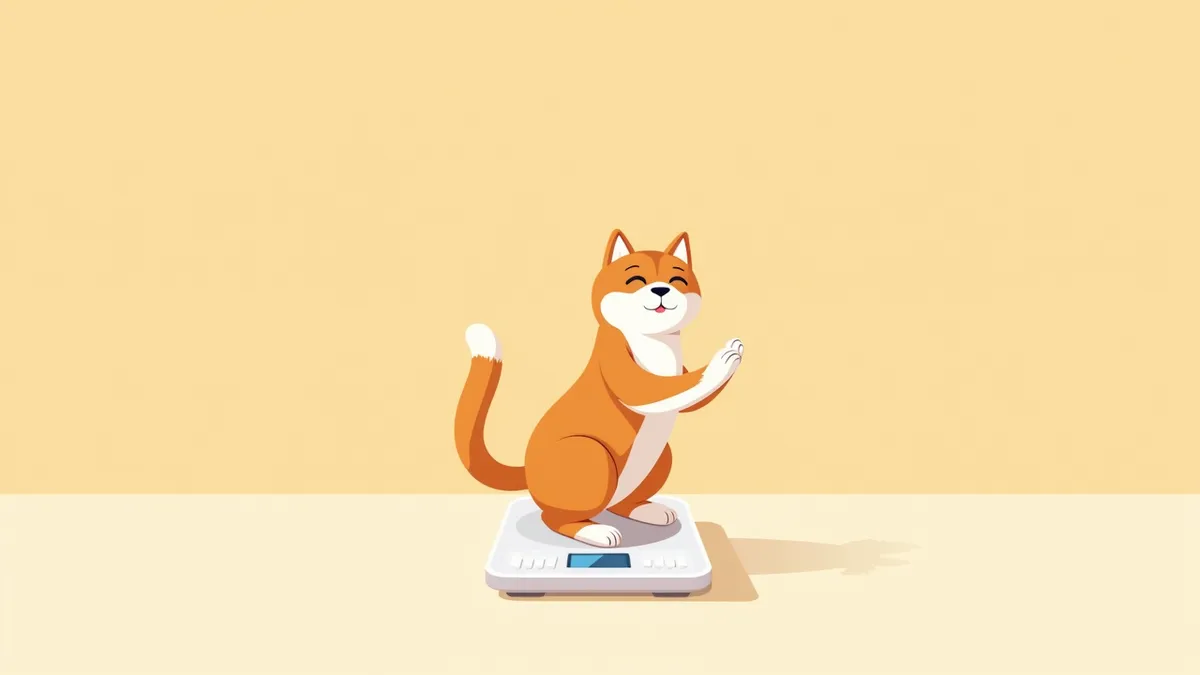
A cat standing on a digital scale.
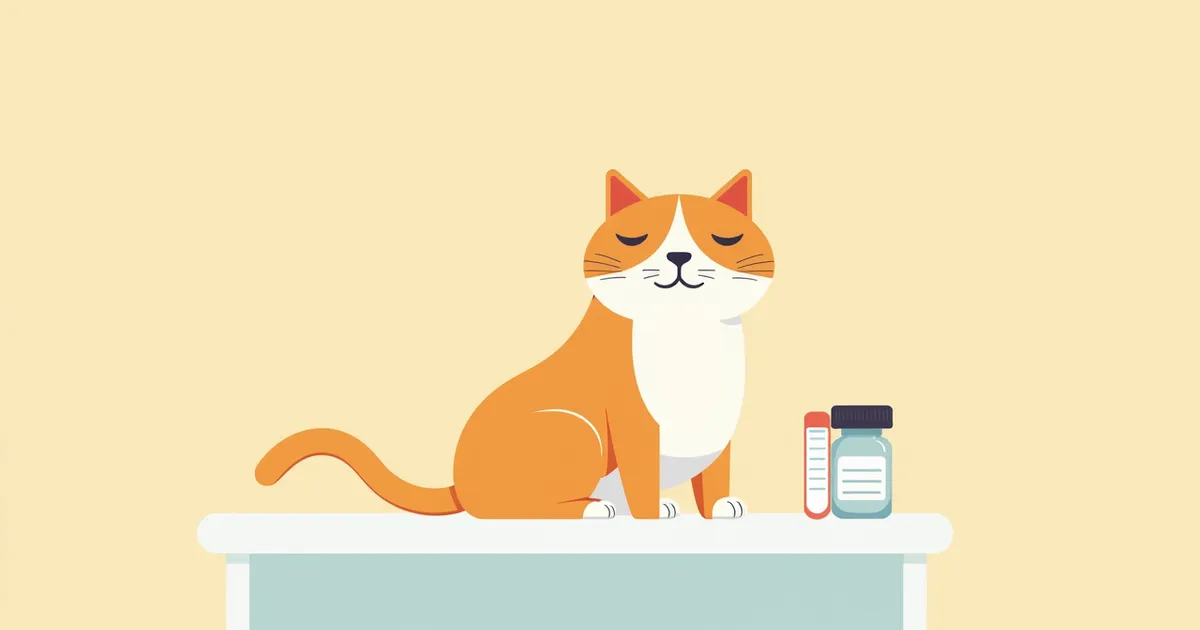
Managing your cat’s weight relies most on daily observation and regular check-ups. - Weight changes: Even small fluctuations can lead to obesity or health issues over time. - Body condition assessment: Ideally, you should be able to feel the ribs without excessive fat covering them, and the waistline should be visible. If the ribs are difficult to feel or the abdomen appears rounded and protruding, your cat is likely overweight. - Diet management: Monitor the total caloric intake from both regular food and treats. It is best to limit treats to no more than 5% of your cat’s daily caloric intake. - Ensuring activity: Provide consistent playtime and use toys to encourage movement. - Record-keeping habits: Regularly weigh your cat and record their Body Condition Score (BCS) to detect changes early. These elements are the key to effective weight management.

The Main Cause of Obesity is an Imbalance Between Food Intake and Physical Activity
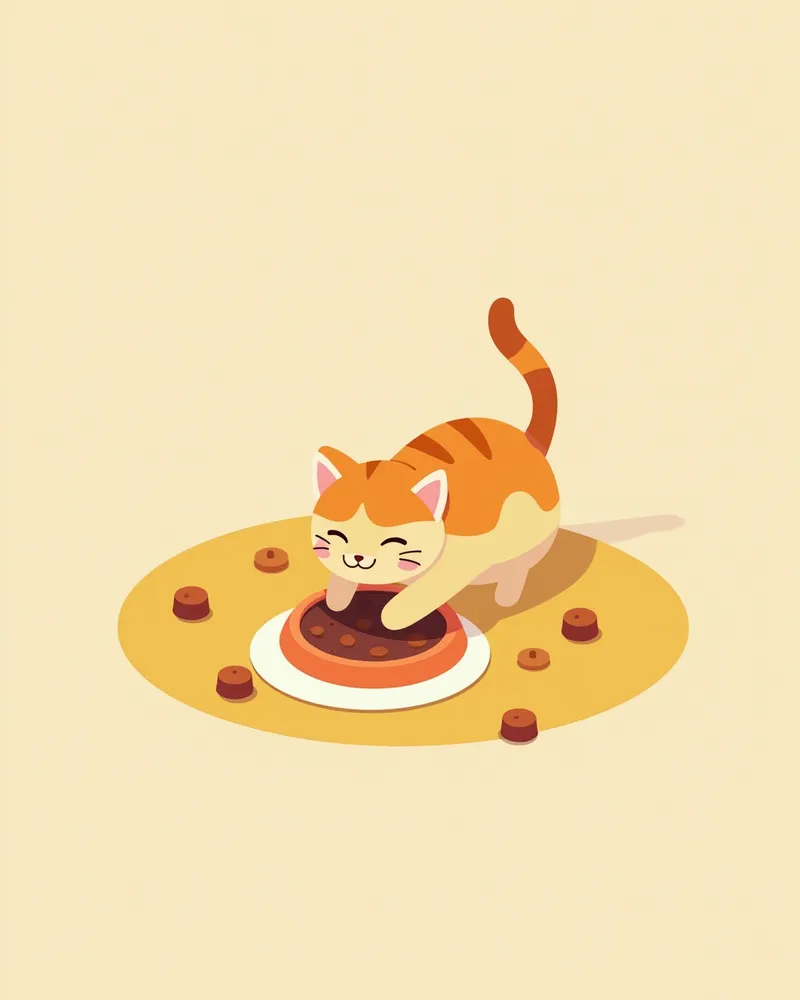
The primary cause of feline obesity is an imbalance between caloric intake and physical activity. - Excessive food intake: Owners often provide more food than recommended by their veterinarian. - Insufficient management after sterilization: Following sterilization, cats tend to become less active, and hormonal changes can make appetite regulation more difficult, increasing the risk of obesity. - Overfeeding treats: Offering treats multiple times a day can easily lead to excessive calorie consumption. - Lack of exercise: A sedentary lifestyle reduces energy expenditure, accelerating weight gain. - Environmental factors: Human-cat interactions, such as feeding habits, can also influence obesity. Managing these factors is essential for preventing obesity.
A cat looking at dry and wet food.

5 Key Checkpoints for Weight Management

There are five key points to keep in mind for managing your cat’s weight. Regularly track weight changes and assess body condition. In particular, if you can’t feel the spine along the back or if the abdomen appears rounded and protruding, your cat is likely overweight. Adjust food portions according to the guidelines recommended by your veterinarian, and appropriately limit treats by considering their calorie density and frequency. To support exercise, consistently provide at least 10 minutes of playtime daily, tailored to your cat’s personality and environment.
The moment a cat leaps to catch a feather wand toy

4 Practical Tips for Weight Loss

Feline weight loss should be gradual and consistent. Sudden reductions in food intake can cause stress. Start by decreasing the daily food portion by 10–15% and increasing the proportion of wet food. Replace dry treats with small pieces of meat or specially formulated health treats. Increase playtime and use puzzle feeders or food-hiding techniques to naturally boost activity levels.
A cat searching for food in a puzzle feeder

Comparison Table of Feline Weight Management Methods

ItemMethodEffectivenessPreparation TimeCost
Portion ControlMediumLowLowLow
Switching to Wet FoodHighLowLowMedium
Using a Puzzle FeederHighMediumMediumMedium
Securing 15 Minutes of Play DailyMediumLowLowLow

Portion control and switching to wet food is the most effective combination.

Immediate Veterinary Visit is Necessary if Weight Increases Rapidly

If your cat’s weight suddenly increases or decreases over a short period, or if their appetite changes significantly from their usual pattern, it could indicate a health issue beyond simple obesity. However, hyperthyroidism is typically characterized by weight loss accompanied by an increased appetite, whereas rapid weight gain is more often linked to obesity or fluid retention. Therefore, it’s important to monitor not just weight numbers, but also changes in appetite and behavior. If you notice any unusual changes, consult your veterinarian for a physical examination and blood tests to determine the underlying cause.

4 Main Causes of Weight Management Failure

Here are common mistakes to avoid when managing your cat’s weight: - Overfeeding treats: Offering treats multiple times a day can cause a rapid spike in calorie intake. - Misjudging portion sizes: Many owners unintentionally feed more than the amount recommended by their veterinarian. - Inadequate record-keeping: Failing to track weight changes makes it easy to miss early warning signs. - Abrupt dietary changes: Suddenly reducing food portions can cause stress, leading to a loss of appetite. - Overlooking environmental factors: A cat’s emotional well-being directly impacts weight management. Effective care requires a systematic approach that considers all these elements.
A cat looking at a weight management schedule.

Obesity Can Shorten a Cat’s Average Lifespan

Obesity is a significant issue that can negatively impact a cat’s health and lifespan. It increases the risk of conditions that diminish quality of life, such as diabetes and arthritis (osteoarthritis), and can also affect overall health. As cats age, it becomes even more important to regularly assess their body condition score (BCS) and manage their weight. Obesity is not merely a cosmetic concern but a health issue that requires proactive management, making early intervention essential.

Reviewed by a veterinarian

Dr. Tony — Punnawat Phongkittirak

Dr. Tony — Punnawat Phongkittirak

Veterinarian

A veterinarian who majored in veterinary medicine at Khon Kaen University, Thailand, and completed the IVSA program at North Carolina State University in the United States. Drawing on clinical experience at animal hospitals, he works in the pet healthcare field and is dedicated to building a digital care environment that connects pet parents with veterinarians.

Frequently Asked Questions

How often should you weigh your cat?
It’s a good idea to regularly measure and record your pet’s weight. You can use a scale at home or have your veterinarian record both weight and body condition score (BCS) during each visit. Organizing this data into a graph makes it easier to track changes over time.
Why are treats harmful for weight management?
Treats are calorie-dense and can affect food intake and appetite regulation. It’s best to maintain appropriate frequency and portion sizes, check calorie information before selecting treats, and limit them to no more than 5% of your pet’s daily caloric intake.
Will feeding only wet food lead to weight loss?
Wet food has a high moisture content, which can help your pet feel full for longer and support weight loss. However, some products are also high in calories. It’s important to choose the right portion size and quality, and work with your veterinarian to adjust your pet’s diet accordingly.
Will my cat become stressed if it eats less?
Sudden reductions in food intake can cause stress. It’s best to gradually decrease the amount by about 10% at a time, provide a stable environment, and monitor for any changes in behavior.
What should I do if my overweight cat doesn’t exercise much?
You can naturally increase your cat’s activity level by incorporating toys into playtime and using puzzle feeders for meals. Consistently engaging in these activities for at least 10 minutes a day, tailored to your cat’s personality, is particularly effective.

Share

Related Guides

References

[1] Burkholder WJ. Use of body condition scores in clinical assessment of the provision of optimal nutrition. J Am Vet Med Assoc 2000;217(5):650-4.

[2] The Dog Care Handbook, Things I Wish My Vet Had Told Me. 2021. Page 123-125.

[3] Applied Veterinary Clinical Nutrition, 2nd Ed. Nestlé Purina PetCare Company, 2018. Chapter 9: Body Condition Scoring.

This information is based on veterinary literature and does not replace diagnosis or treatment. Please consult a veterinarian for specific health concerns.

Metapet Co., Ltd. | CEO: Park Sung-yong | Business Reg. No. 417-88-02562 | Seoul, South Korea | Customer Center

Cat Weight & Obesity Prevention: Owner FAQ | Meongsiljang