Like
Share
멍실장
TPLO 수술 후 재활 프로토콜 완벽 정리

Complete Guide to the Post-TPLO Surgery Rehabilitation Protocol

JointQ&AMeongsiljang Veterinary Advisory Board

We’ve organized an 8-week rehabilitation protocol to help speed up recovery after TPLO surgery, broken down by week. Step-by-step guidance includes cold and warm compresses, passive range-of-motion exercises, aquatic therapy, and weight-bearing training.

Why is Post-TPLO Rehabilitation Essential?
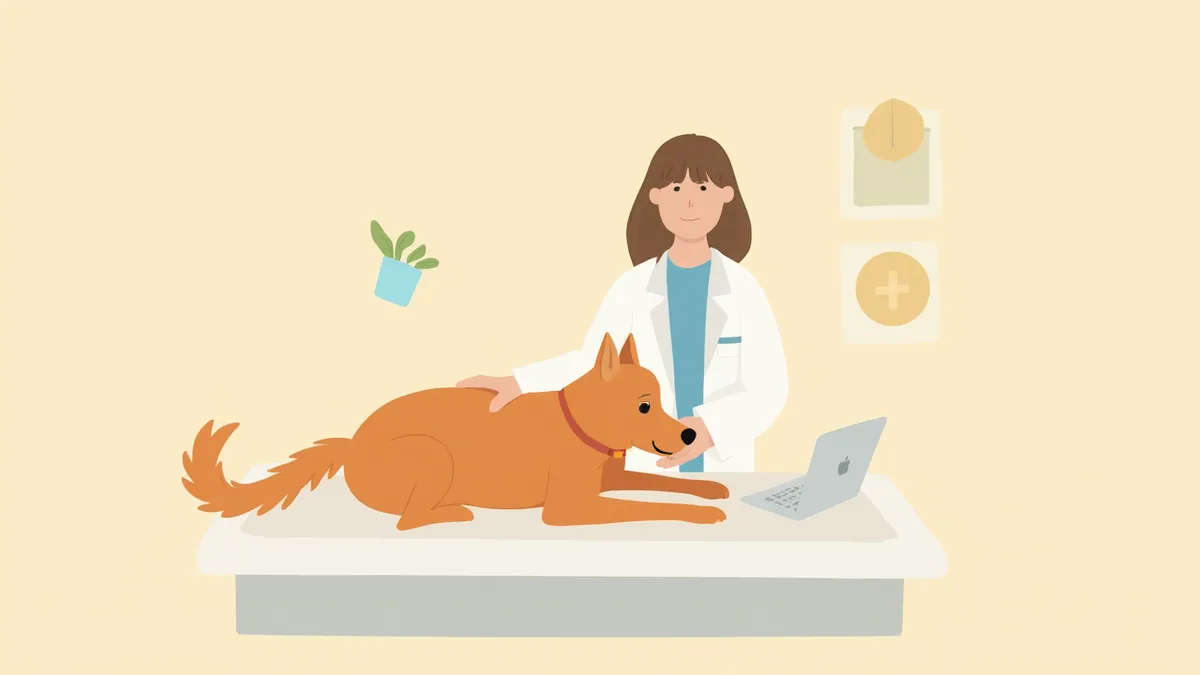
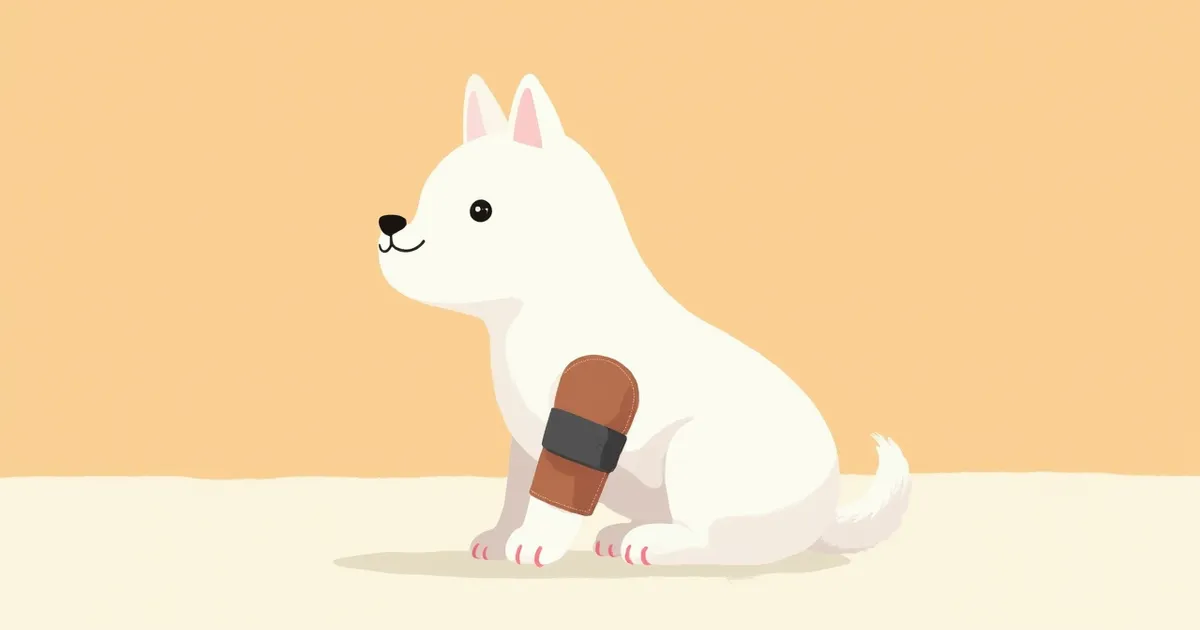
A puppy having its hind legs checked after surgery
Post-TPLO rehabilitation is a gradual process aimed at restoring joint range of motion, muscle strength, and weight-bearing capacity until the osteotomized tibia heals securely. The most critical aspects are providing adequate rest by limiting excessive activity for 6 to 8 weeks after surgery, and performing progressive weight-bearing exercises and rehabilitation under veterinary guidance. Failing to adhere to this protocol can delay bone union, and in overweight dogs, it may slow recovery and increase the risk of damaging the cruciate ligament in the opposite knee. Therefore, it is essential not to increase exercise intensity on your own, but to gradually increase activity strictly according to the schedule set by your veterinarian.

What to Expect Immediately After TPLO Surgery

TPLO is a surgical procedure that involves cutting the upper part of the tibia, adjusting its angle, and securing it with a metal plate. It typically takes 8 to 12 weeks for the bone to fully heal, and during this time, the muscles around the joint can quickly atrophy. Most dogs begin to lightly place their toes on the ground the day after surgery, but pain and swelling persist, and even slight overexertion can cause the fixation screws to loosen. During this period, it is crucial to remember that activity restriction is an essential part of the treatment.

Weekly Rehabilitation Stages at a Glance

ItemWeeks 1–2Weeks 3–4Weeks 5–6Weeks 7–8
Activity rangeAbsolute cage restShort leashed walksGradually increasing walk distanceJogging, aquatic exercise
Daily walk timeWithin 5 minutes (toileting only)5–10 minutes × 2 times15–20 minutes × 2 times30 minutes × 2 times
Recommended exerciseCold compress, passive joint exerciseWeight-shifting trainingRamp walking, figure-8 walkingUnderwater treadmill, balance board
Prohibited activitiesJumping, stairs, playJumping, running, stairsJumping, slippery floorsVigorous play, sudden direction changes

May be adjusted by 1–2 weeks earlier or later depending on the attending veterinarian's follow-up observations.

Weeks 1–2: Cold Compresses and Passive Joint Exercises
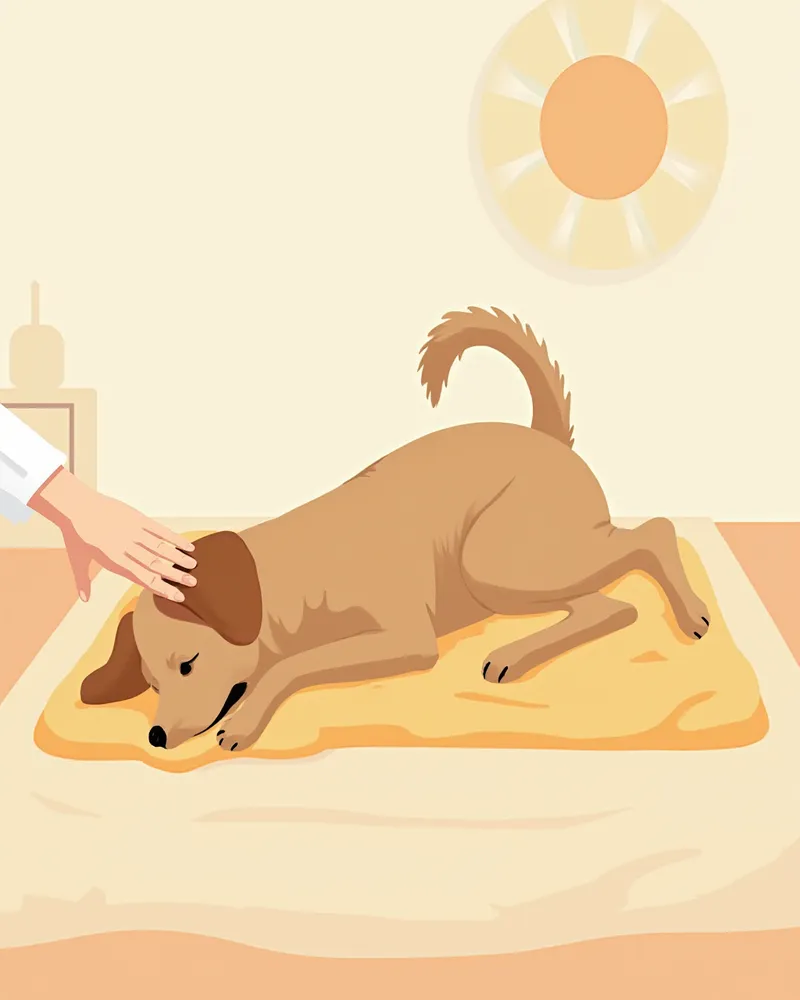
For the first 72 hours after surgery, cold compresses are essential to reduce swelling. Wrap an ice pack in a thin towel and apply it to the knee area 3–4 times a day for 10–15 minutes at a time. After three days, switch to warm compresses. Passive joint exercises involve gently bending and straightening your dog’s knee while they are lying down. Repeat 10–15 repetitions in each direction, 2–3 sets per day, to prevent joint stiffness. If your dog resists strongly due to pain, stop immediately and contact your veterinarian.
Gentle passive range-of-motion exercises for your dog’s knee, performed by the caregiver

Contact the Hospital Immediately If You See These Signs

If any of the following symptoms appear during rehabilitation, contact the hospital where the surgery was performed immediately: sudden swelling, redness, or discharge at the surgical site; complete refusal to bear weight (keeping the foot entirely off the ground); loss of appetite accompanied by a fever above 39.5°C; or a worsening limp. In particular, if your pet’s gait deteriorates after two weeks post-surgery, suspect plate migration or infection.

Weeks 3–6: Weight-Bearing and Muscle Strength Recovery
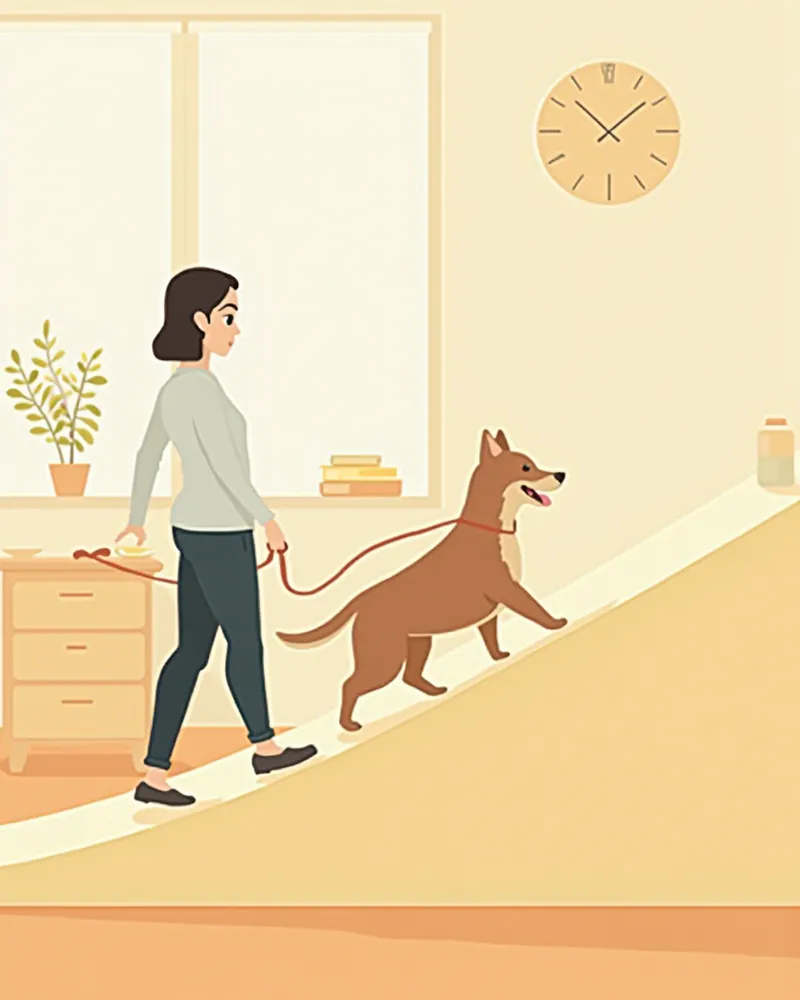
During this phase, the focus of rehabilitation is training your dog to distribute its weight evenly across the operated leg. Weight-shifting exercises involve standing your dog upright and gently swaying its hips side to side to encourage weight bearing on the surgical limb. Incline walking stimulates the hindlimb muscles by having your dog walk up a gentle slope of approximately 10 to 15 degrees. Figure-eight walking helps improve joint stability by placing two cones on the floor and guiding your dog to slowly walk in a figure-eight pattern between them. All exercises must be performed on a non-slip surface under leash control.
A dog undergoing rehabilitation training by slowly walking up and down a gentle ramp.

Weeks 7–8: Aquatic Exercises and Preparation for Return to Activity

Once bone union is confirmed, transition to low-impact aerobic exercises such as underwater treadmill sessions or swimming in a bathtub. Aquatic exercises (swimming and hydrotherapy) are recommended as an effective rehabilitation method for dogs with limb injuries during recovery, as buoyancy reduces stress on the joints while still engaging the muscles. Gradually increase regular walks to about 30 minutes per day by weeks 7–8, and begin light off-leash exercise or jogging slowly after week 8, only after approval from your attending veterinarian. However, avoid high-intensity, high-impact activities such as running and jumping until the bone has fully healed; please refrain from rough play or chasing games with other dogs until your veterinarian gives the go-ahead. To prevent repeating the same injury, also take care of the contralateral knee.

Essential Environmental Management at Home

Half of rehabilitation is about the environment. Please lay non-slip mats throughout the living room and hallways. To prevent jumping, block access to sofas and beds, and use pet stairs if necessary. For weight management, even a 1–2 kg gain from overeating during recovery can place significant stress on the surgical site, so please reduce treats to half the usual amount. The Elizabethan collar must be worn continuously until the sutures are removed (usually 10–14 days).

Reviewed by a veterinarian

Dr. Tony — Punnawat Phongkittirak

Dr. Tony — Punnawat Phongkittirak

Veterinarian

A veterinarian who majored in veterinary medicine at Khon Kaen University, Thailand, and completed the IVSA program at North Carolina State University in the United States. Drawing on clinical experience at animal hospitals, he works in the pet healthcare field and is dedicated to building a digital care environment that connects pet parents with veterinarians.

Frequently Asked Questions

When can my dog start climbing stairs after TPLO surgery?
Generally, activity is only gradually permitted after 6 to 8 weeks post-surgery, once X-rays confirm bone union. Until then, owners must always carry their pets when moving them. Falls down stairs are the most common cause of reoperation, as they can directly lead to plate fracture.
They say the other leg needs surgery too—is that true?
When a cruciate ligament injury occurs on one side, it can place increased stress on the opposite knee. This is especially true for overweight dogs, who tend to have a slower recovery and are at higher risk of injuring the other knee as well. The key to prevention includes strength-building exercises to promote balanced weight distribution, consistent weight management, and measures to prevent slipping on smooth floors.
Is it sufficient to perform rehabilitation therapy only at home?
Mild cases can often recover with home rehabilitation, but we recommend visiting an animal rehabilitation center equipped with an underwater treadmill for large-breed dogs, senior dogs, or those with severe muscle atrophy. Professional treatment one to two times per week can significantly accelerate recovery.
Can giving nutritional supplements after surgery help?
Joint supplements like glucosamine and chondroitin are known to help dogs with cruciate ligament injuries. However, the type of supplement and when to start it may vary depending on the recovery status and any prescribed medications being used concurrently. Please consult your veterinarian before starting any supplement rather than making the decision on your own.
What should I do if my pet scratches the surgical site because it’s itchy?
Scratching or licking before the sutures are removed significantly increases the risk of infection. The Elizabethan collar should be worn around the clock. If your pet continues to scratch excessively, please inform your veterinarian so they can prescribe anti-inflammatory or anti-itch medication.

Share

Related Guides

References

[1] Fossum TW. Small Animal Surgery, 5th ed. Elsevier, 2019 — Chapter on Stifle Joint Surgery

[2] Reader RC, McCarthy RJ, Schultz KL, et al. Comparison of liposomal bupivacaine and 0.5% bupivacaine hydrochloride for control of postoperative pain in dogs undergoing tibial plateau leveling osteotomy. J Am Vet Med Assoc 256:1011-19, 2020

[3] Millis DL, Levine D. Canine Rehabilitation and Physical Therapy, 2nd ed. Saunders, 2014

[4] Small Animal Anesthesia and Pain Management: A Color Handbook, 3rd Edition — Perioperative pain management chapter

This information is based on veterinary literature and does not replace diagnosis or treatment. Please consult a veterinarian for specific health concerns.

Metapet Co., Ltd. | CEO: Park Sung-yong | Business Reg. No. 417-88-02562 | Seoul, South Korea | Customer Center

Post-TPLO Rehab Protocol: Week-by-Week Exercises & Care | Meongsiljang