
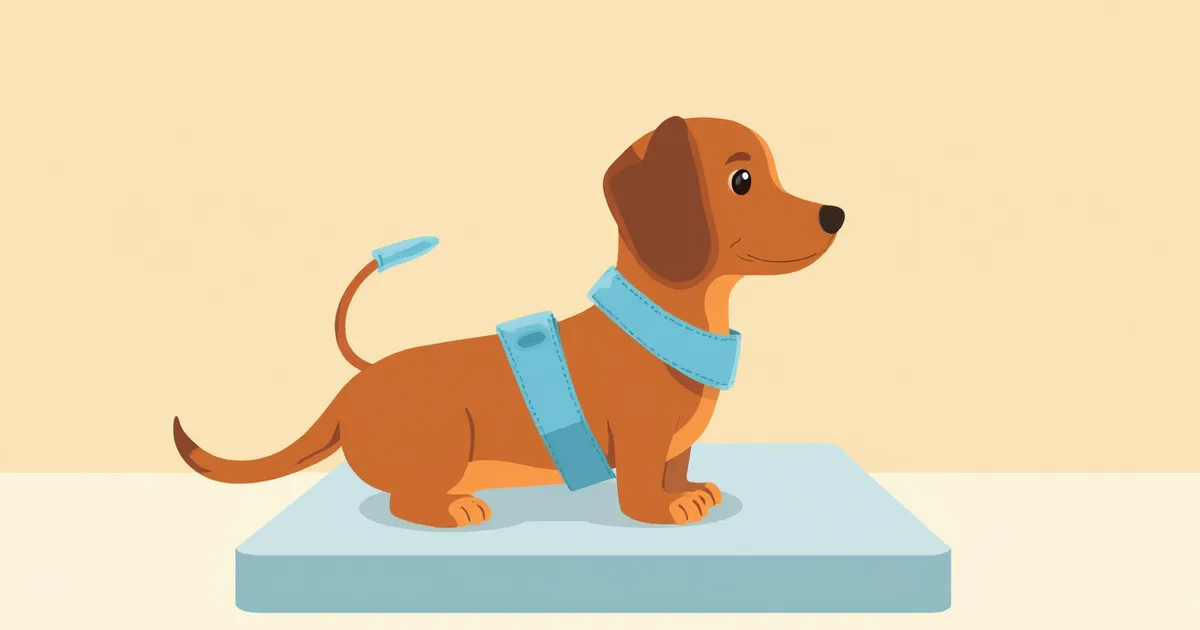
The Complete Guide to Post-Disc Surgery Rehabilitation Protocols
Rehabilitation after disc surgery (IVDD) in dogs is key to restoring mobility and preventing recurrence. Here’s a summary of step-by-step rehab protocols and home care tips.
What is Rehabilitation After Disc Surgery?
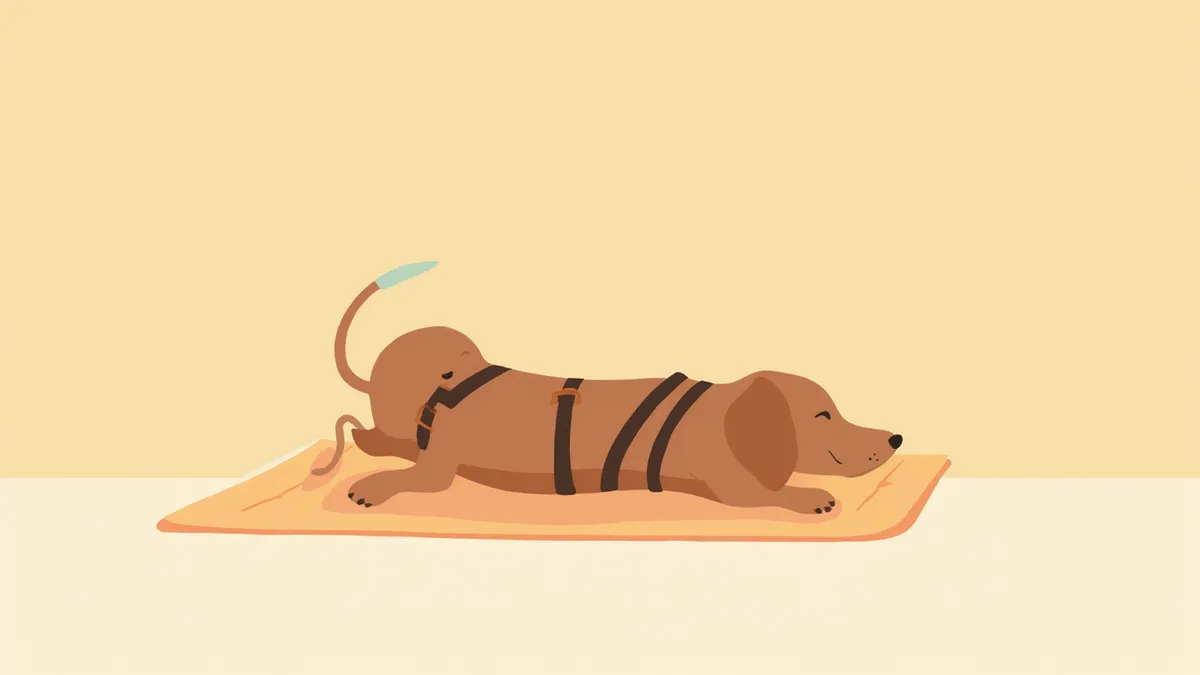
Why is Rehabilitation So Important?
Step-by-Step Rehabilitation Protocols at a Glance
| Item | Stage 1 (0–2 weeks) | Stage 2 (3–4 weeks) | Stage 3 (5–8 weeks) | Stage 4 (9–12 weeks+) |
|---|---|---|---|---|
| Main goal | Pain relief, absolute rest | Restore joint flexibility | Recover muscle strength and weight bearing | Stable gait and return |
| Passive joint exercise | 3–4 times daily (every 6–8 hours) | 3–4 times daily | Maintain | As needed |
| Massage | Possible | Recommended | Recommended | Recommended |
| Aquatic therapy | Not possible | Veterinarian's judgment | Veterinarian's judgment | Veterinarian's judgment |
| Walking | Not possible (carry for toileting) | 5 minutes with sling support | 10–15 minutes | 20–30 minutes |
The above schedule is a general guideline, and the veterinarian must adjust it according to the neurological grade
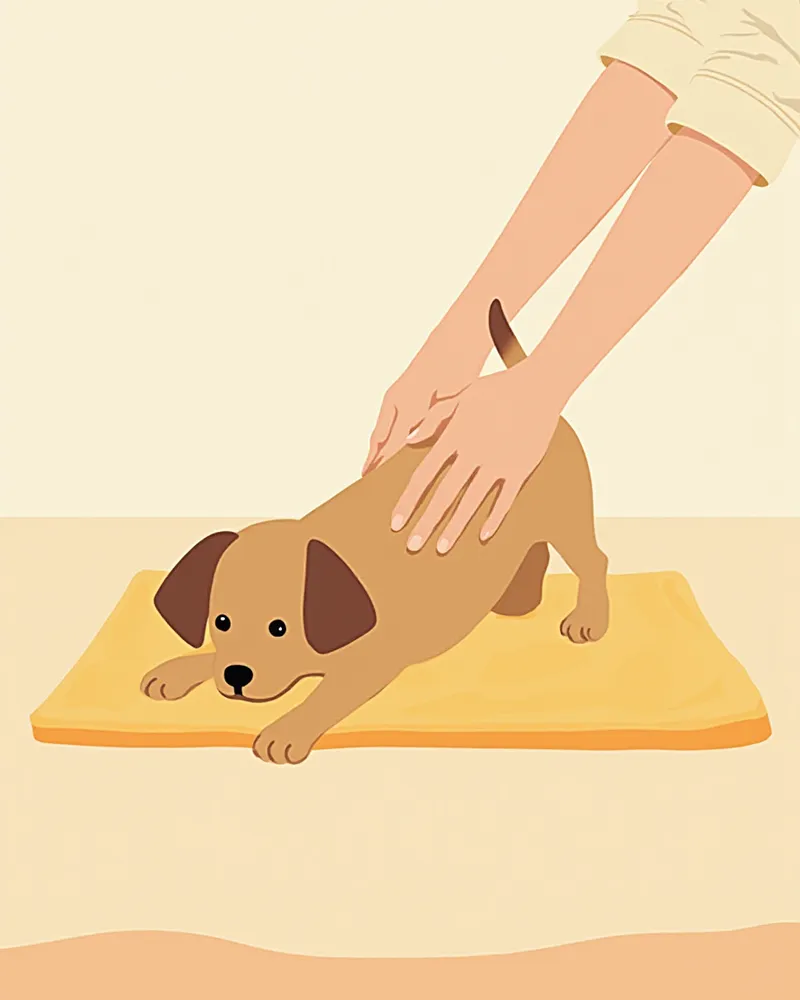
Stage 1 (0–2 Weeks): Strict Rest and Passive Exercises
Go to the Vet Immediately If You See These Signs
Even during rehabilitation, if you notice any of the following symptoms, suspect a relapse or complications: - Sudden worsening of hind leg weakness or progressive paralysis - Inability to urinate or defecate for several days, or a noticeable change in incontinence patterns - Redness, swelling, or discharge at the surgical site - Severe pain causing whining and resistance to touch - No response when toes are pinched Time is critical for nerve recovery. Do not delay—contact the hospital where the surgery was performed immediately.
Stage 2 (3–4 Weeks): Starting Active Exercises
Stages 3–4 (5–12 Weeks): Aquatic Therapy and Return to Walking

Home Environment Setup Checklist
What Dachshund and Welsh Corgi Owners Must Know
Dachshunds are the most representative breed prone to IVDD, accounting for 45–73% of cases, and other chondrodystrophic breeds such as Pekingese, Beagles, and Cocker Spaniels are also reported to be at high risk. In these breeds, it is common to have disc lesions affecting multiple spinal segments simultaneously as the condition progresses chronically, meaning that even if the surgically treated area heals, a new disc herniation can occur at other spinal segments. Therefore, it is advisable to make lifelong habits of avoiding jumping and stairs, managing weight, and using a harness, as well as undergoing regular neurological examinations every six months to one year.
Reviewed by a veterinarian

Dr. Tony — Punnawat Phongkittirak
VeterinarianA veterinarian who majored in veterinary medicine at Khon Kaen University, Thailand, and completed the IVSA program at North Carolina State University in the United States. Drawing on clinical experience at animal hospitals, he works in the pet healthcare field and is dedicated to building a digital care environment that connects pet parents with veterinarians.
Reviewed 2026-04-29
Frequently Asked Questions
When can my pet start walking after disc surgery?
Is hydrotherapy absolutely necessary?
What kind of rehabilitation can caregivers do at home?
Can I continue giving pain medication during rehabilitation?
What happens if rehabilitation isn’t performed?
Share
Related Guides
7 Behavioral Enrichment Strategies for Mental Stimulation Recommended by Veterinarians

Top 5 Calming Supplements for Dogs and Cats in 2026

L-Theanine Effects and Calming Support

Average Cat Lifespan and Secrets to Longevity: A Complete Guide

Types of Dog Allergy Tests and the Procedure

Frequently Asked Questions on Early Detection of Health Issues in Cats — Key Points for Pet Owners

Is My Dog’s Skin Lump Okay? — Key to Distinguishing Lipomas from Malignant Liposarcomas

What is Feline Chronic Kidney Disease (CKD)? — From Early Signs to Stage-by-Stage Management

Complete Guide to Postoperative Recovery and Intensive Care for Cats — Key Points for Pet Owners

Essential Guide to the Safe Use of Dog NSAIDs — Key Information for Pet Owners
References
[1] Fossum TW. Small Animal Surgery. 5th ed. Elsevier; 2018. (Intervertebral Disc Disease 챕터)
[2] Sharp NJH, Wheeler SJ. Small Animal Spinal Disorders: Diagnosis and Surgery. 2nd ed. Elsevier Mosby; 2005.
[3] Millis DL, Levine D. Canine Rehabilitation and Physical Therapy. 2nd ed. Saunders; 2014. (Postoperative Rehabilitation 챕터)
[4] Hosgood G, Scholl DT. Evaluation of age as a risk factor for perianesthetic morbidity and mortality in the dog. J Vet Emerg Crit Care. 1998;8(3):222-36.