

Is protein restriction always necessary for feline liver disease? — How much should it be reduced?
We’ve outlined why a protein-restricted diet is important when liver disease is suspected in cats, along with key tips to avoid common mistakes. Check out the essential questions and answers every pet owner should know.
Why is protein restriction important in feline liver disease?

What is the key to a protein-restricted diet?
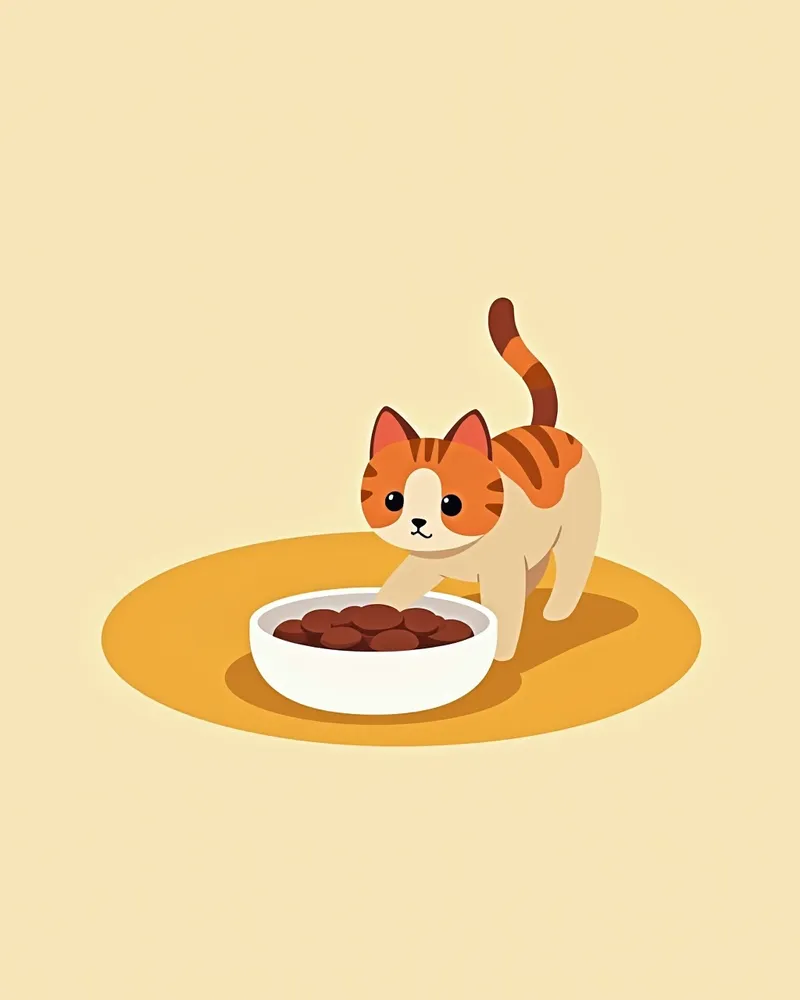
Can a protein-restricted diet cause lethargy in cats?

Comparison of protein-restricted diets: regular food vs. specialty food vs. veterinary prescription food
| Item | Protein Content | Bioavailability | Recommended Timing |
|---|---|---|---|
| Regular Food | Standard | Low | Low |
| Special Diet (General Type) | Adjusted | Moderate | Moderate |
| Veterinary Prescription Diet | Disease-tailored (high bioavailability) | High | High |
Because cats are obligate carnivores with high protein requirements, prescription diets are not unconditionally low-protein but adjust the amount and quality of protein according to the disease stage. In hepatic lipidosis, protein should be supplied sufficiently, and restriction should be considered only in specific situations such as hepatic encephalopathy, so consultation with a veterinarian is essential.
Drastic protein restriction is dangerous
When cats lack sufficient protein and energy, their bodies break down muscle protein, leading to increased ammonia levels that can result in hepatic encephalopathy. This risk is heightened when carbohydrate and fat intake is inadequate, as protein is then used for energy, producing even more ammonia. Since hepatic encephalopathy can cause severe symptoms such as decreased consciousness, seizures, and confusion, it is essential not to restrict protein excessively but instead to transition gradually under veterinary guidance.
What to watch out for when selecting a protein-restricted diet?

How to confirm the effectiveness of a protein-restricted diet?

Reviewed by a veterinarian

Dr. Tony — Punnawat Phongkittirak
VeterinarianA veterinarian who majored in veterinary medicine at Khon Kaen University, Thailand, and completed the IVSA program at North Carolina State University in the United States. Drawing on clinical experience at animal hospitals, he works in the pet healthcare field and is dedicated to building a digital care environment that connects pet parents with veterinarians.
Reviewed 2026-06-07
Frequently Asked Questions
Can a protein-restricted diet cause my cat to lose weight?
Is protein restriction necessary even in the early stages of liver disease?
Can I make a protein-restricted diet for my cat at home?
My pet started vomiting after switching to a protein-restricted diet. Is this normal?
My cat loses its appetite when fed a protein-restricted diet. What should I do?
Share
Related Guides

7 Key Symptoms and Management Essentials for Canine Cholecystitis Recommended by Veterinarians

Top 5 Milk Thistle (Silymarin) Liver Supplements for Dogs — A Comparison Guide Based on Silybin Content and Absorption Rates

Top Prescription Diets for Dogs with Liver Disease and Selection Criteria

Puppy Dental Structure (Number of Deciduous and Permanent Teeth)

The Complete Guide to Pet Medication Storage and Expiration Dates

How to Administer Insulin Injections at Home

Why Is Giving Medication to Dogs So Difficult? — Tips for Easily Administering Pills and Powders

The Ultimate Guide to Ear Medication Administration and Schedule

How to Administer Eye Drops to Dogs and Cats
Types and Usage of Gastrointestinal Medications (Including Omeprazole)
References
[1] Plumb's Veterinary Drug Handbook, 9th Edition, 2022
[2] Handbook of Veterinary Clinical Pathology, 3rd Edition, 2021
[3] BSAVA Manual of Feline Internal Medicine, 8th Edition, 2023