Like
Share
멍실장
고양이 저칼슘혈증 자주 묻는 질문 Q&A — 보호자가 꼭 알아야 할 핵심

What Is Feline Hypocalcemia — Emergency Signs You Shouldn’t Miss

EndocrineQ&AMeongsiljang Veterinary Advisory Board

Feline hypocalcemia is an endocrine disorder in which low blood calcium levels can lead to muscle spasms, weakness, and heart problems. Here’s a summary of the key information every pet owner should know.

What Is Feline Hypocalcemia?
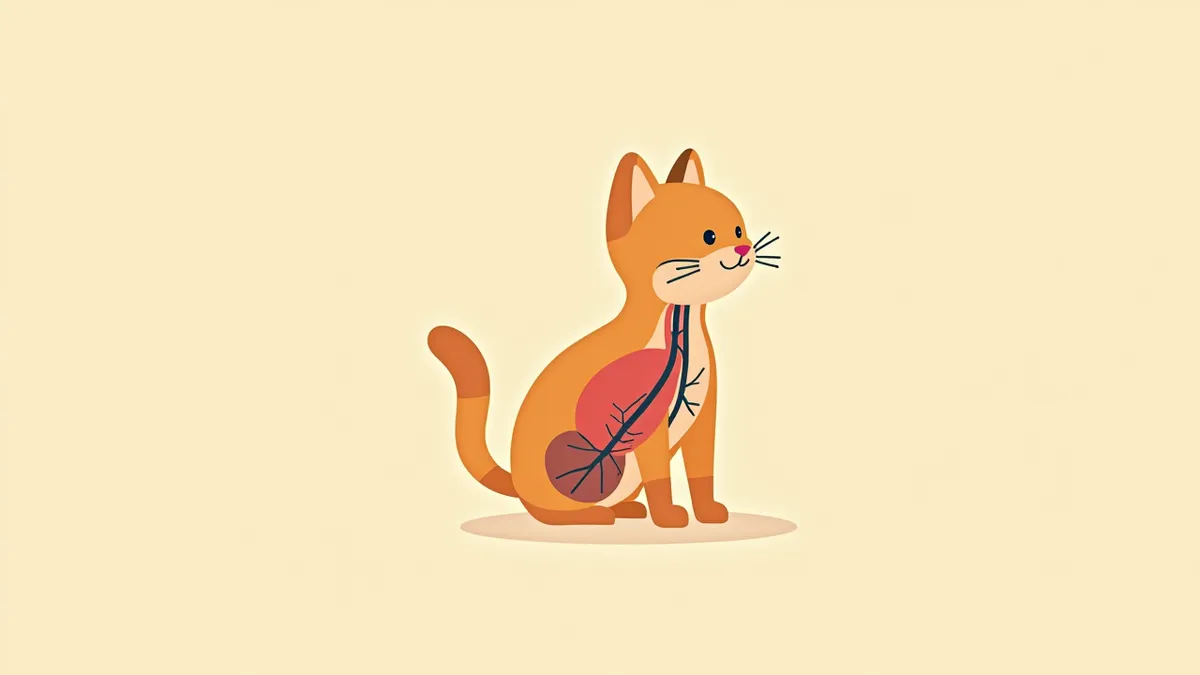
A cat anatomy diagram illustrating the effects of calcium on muscles and nerves
Feline hypocalcemia is a condition in which blood calcium levels drop below normal, disrupting muscle function and nerve transmission. Calcium is an essential electrolyte that not only supports bone structure but also plays a critical role in muscle contraction and neuromuscular signaling. This condition can occur in cats with hypoparathyroidism or chronic kidney disease. Early symptoms are often subtle and easy for pet owners to overlook, but as calcium levels continue to fall, they can lead to facial twitching, muscle tremors, and seizures. In the heart, reduced contractility and heart rate may result in bradycardia, making prompt diagnosis and treatment essential.

What Are the Main Causes of Hypocalcemia in Cats?

Hypocalcemia in cats can develop when chronic kidney disease disrupts the balance between calcium and phosphorus. Cats with kidney disease are prone to decreased calcium ion levels, often accompanied by secondary hyperparathyroidism. - Hypoparathyroidism: Insufficient parathyroid hormone (PTH) impairs proper calcium regulation. This condition can also occur iatrogenically following thyroid or parathyroid surgery. - Nutritional Imbalance: Diets lacking in calcium or vitamin D can lead to nutritional secondary hyperparathyroidism, resulting in low calcium levels. - Eclampsia (Periparturient Hypocalcemia): This occurs due to a rapid loss of calcium during lactation. - Pancreatitis, Sepsis/Systemic Inflammatory Response Syndrome (SIRS), and Urethral Obstruction: Ionized calcium levels may drop in these acute conditions. Your veterinarian will determine the underlying cause through blood tests and develop an appropriate treatment plan.
An image illustrating the impact of reduced kidney function on calcium balance.

What Are the Main Symptoms of Hypocalcemia?
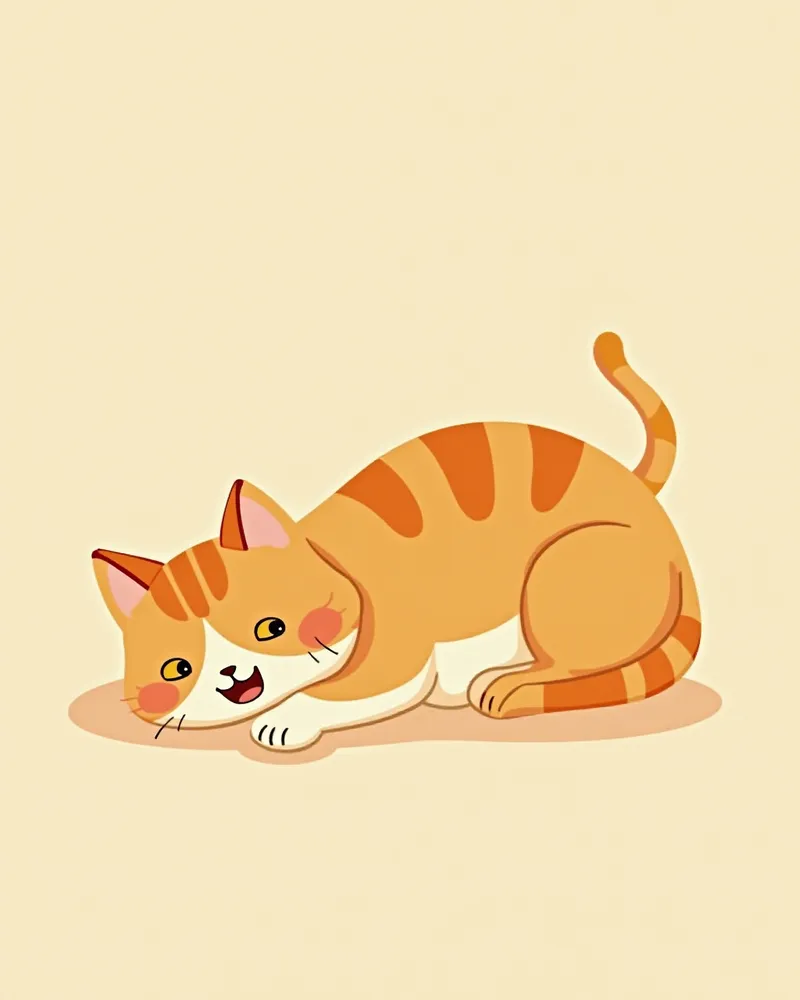
The main symptoms of hypocalcemia in cats include muscle tremors and spasms (fasciculations), weakness, and decreased appetite. In severe cases, seizures may occur, or consciousness may become clouded, leading to a coma. You might also notice facial twitching or rubbing, as well as biting or licking at the paws. In the heart, contractility and heart rate decrease, resulting in bradycardia (slow heart rate), and the QT or ST intervals on an electrocardiogram may lengthen. Signs that owners often overlook are lethargy and loss of appetite. If you notice these changes, along with tremors or seizures, immediate veterinary care is essential.
A cat showing muscle spasms due to hypocalcemia

Symptoms Requiring Immediate Veterinary Visit

If your cat suddenly starts trembling, experiences facial spasms, has seizures, becomes disoriented, or begins biting and licking its paws, seek veterinary care immediately. These signs indicate that hypocalcemia has progressed to a severe stage, which can lead to recurrent seizures and cardiac abnormalities such as reduced contractility and bradycardia. Severe hypocalcemia is life-threatening, so delaying emergency treatment can be dangerous.

How Is Feline Hypocalcemia Diagnosed?
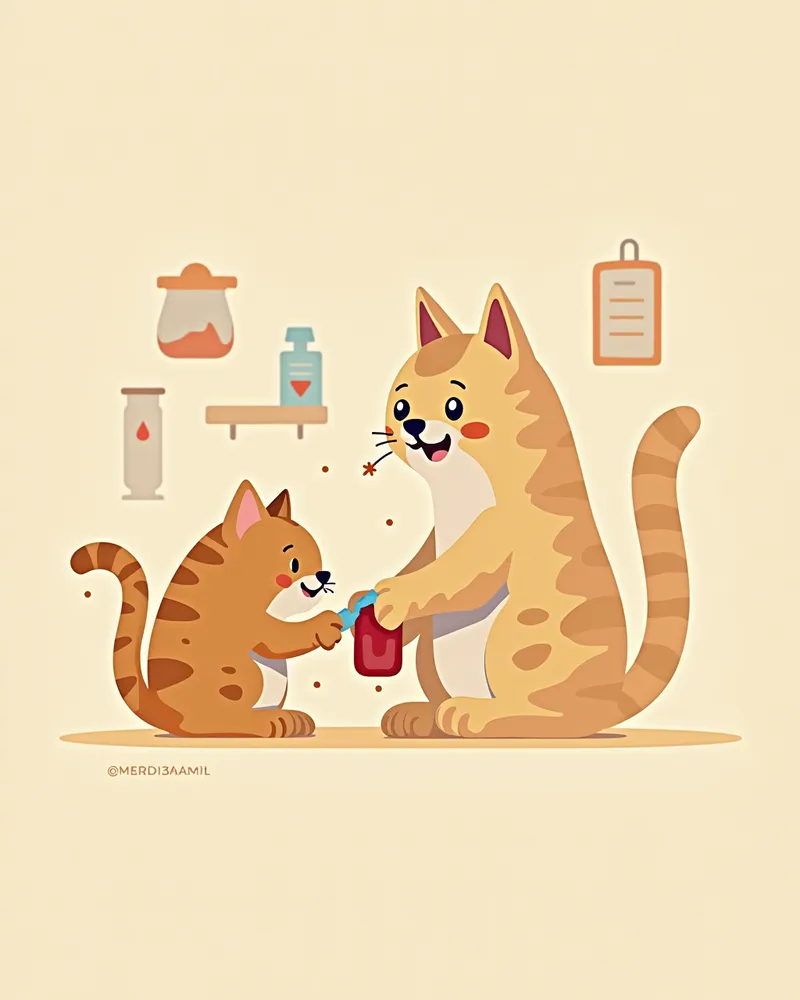
Hypocalcemia in cats is accurately diagnosed through blood tests. - Calcium ion concentration measurement: Checks whether the level of calcium ions in the blood is low. - Parathyroid hormone test: Evaluates whether the parathyroid glands are functioning properly. - Phosphorus level check: Determines if the balance between calcium and phosphorus is disrupted. - Renal function test: Assesses for the presence of chronic kidney disease. - Electrocardiogram (ECG): Checks for any abnormalities in heart rhythm. The veterinarian will combine the symptoms and test results to make a diagnosis and determine the treatment plan.
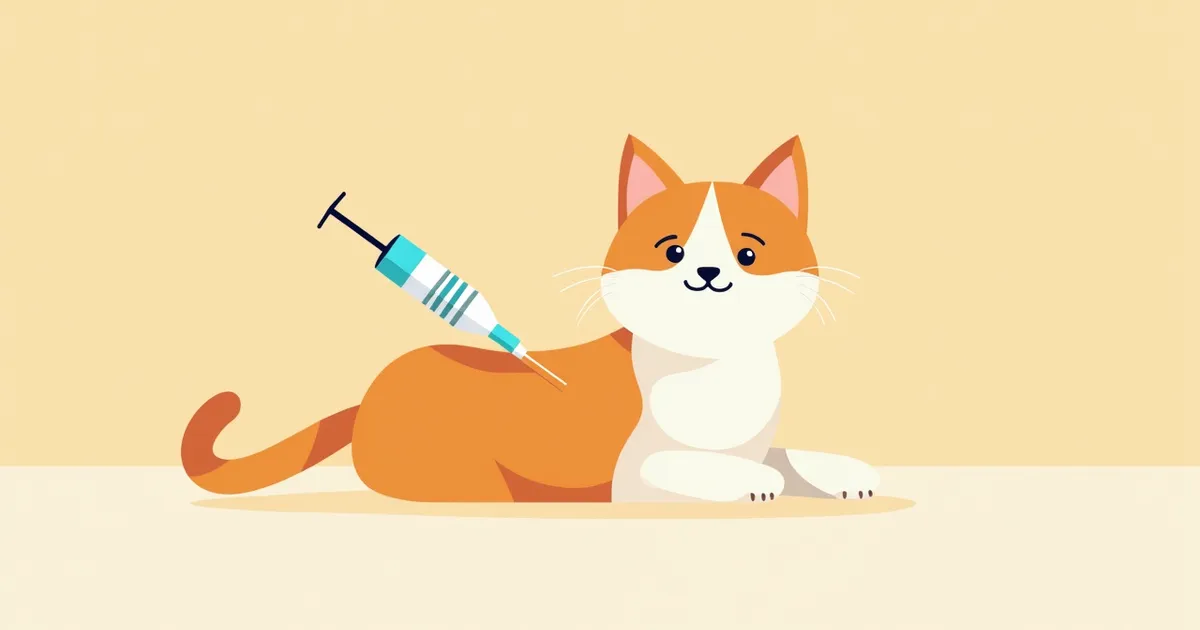
A veterinarian performing a blood test on a cat

What Are the Treatment Options?

Treatment for hypocalcemia involves calcium supplementation and addressing the underlying cause. In acute cases, calcium is administered intravenously to quickly restore levels. Afterward, oral calcium supplements and vitamin D are prescribed. Depending on the cause, kidney protectants, hormone therapy, and dietary adjustments may be necessary. The veterinarian will adjust the dosage based on the pet’s weight and condition. During treatment, regular blood tests are required to monitor calcium levels.
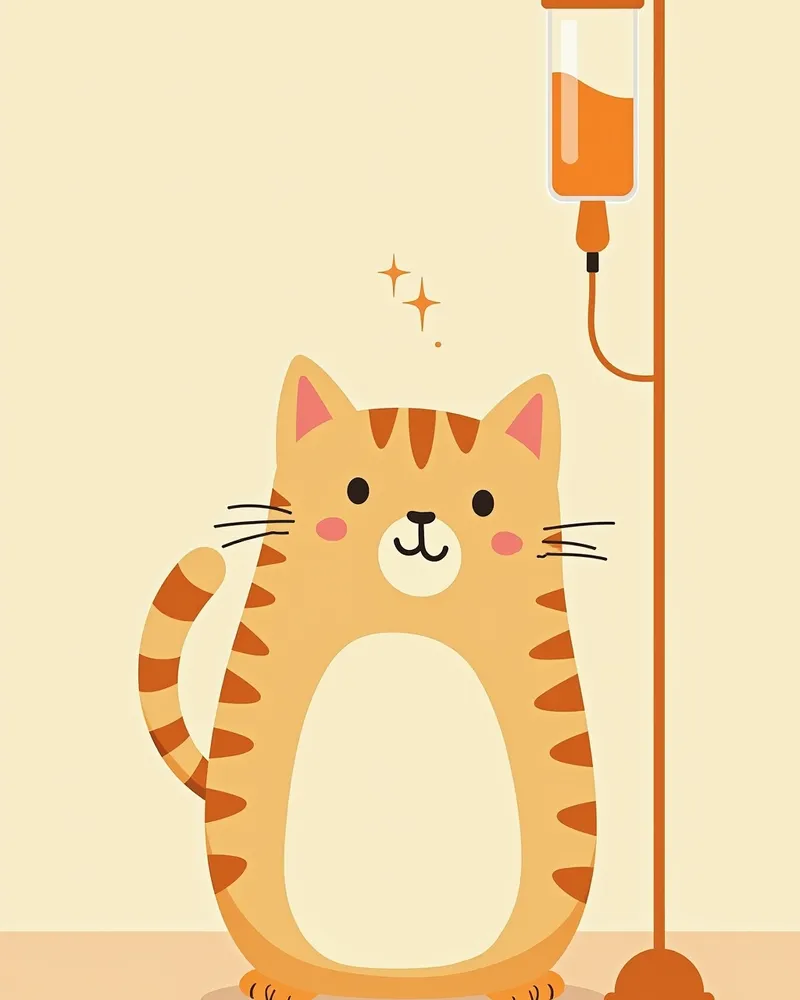
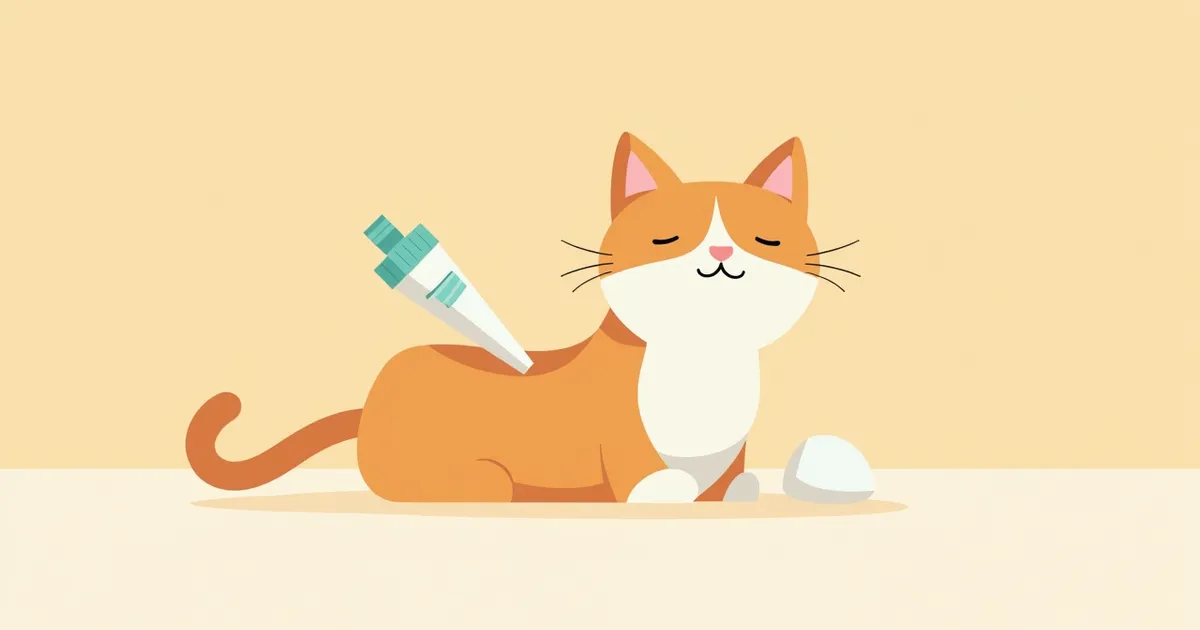
A cat receiving calcium supplementation through an intravenous injection

How to Manage a Cat with Hypocalcemia at Home?
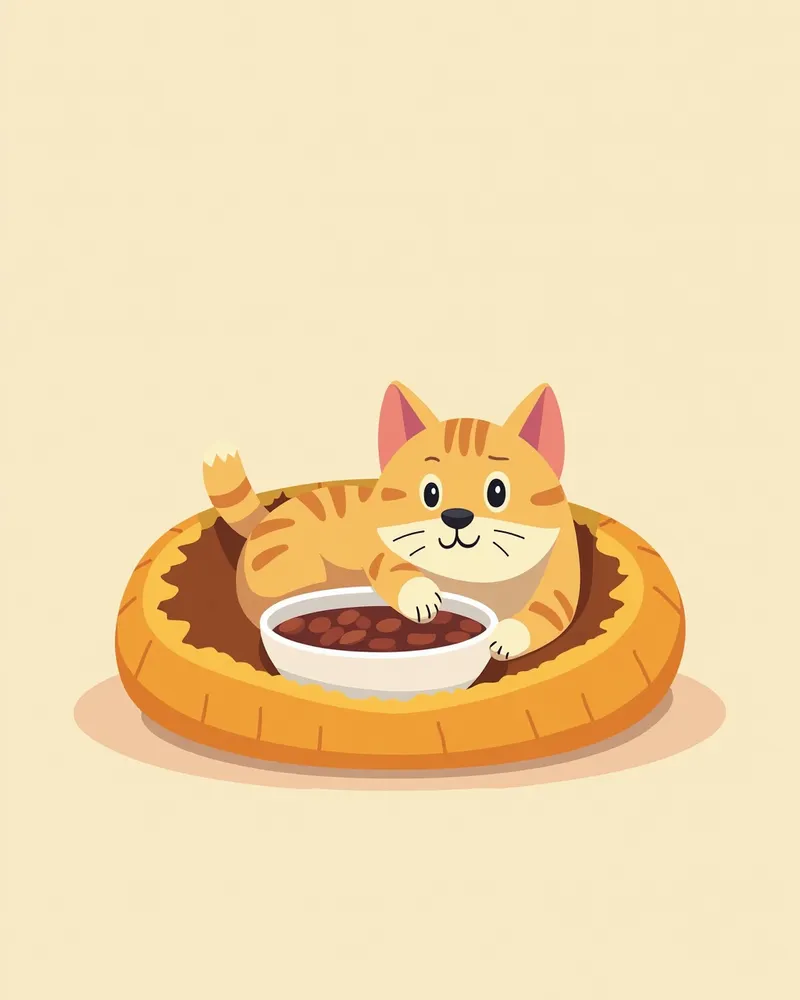
Because feline hypocalcemia is difficult to manage fully at home, it’s essential to follow your veterinarian’s guidance. - Regular Medication: Administer the calcium supplements and vitamin D prescribed by your vet exactly as directed. - Balanced Nutrition: Choose a diet with an appropriate calcium-to-phosphorus ratio. - Encourage Hydration: Refresh the water frequently and place multiple bowls around the house to encourage drinking. - Minimize Stress: Maintain a calm environment and avoid sudden changes. - Monitor Symptoms: Contact your vet immediately if you notice tremors, weakness, or loss of appetite. Regular check-ups will help keep your cat’s condition in check.
Creating a Stable Environment for Cats to Manage Hypocalcemia

Symptoms and Management by Severity of Hypocalcemia

ItemMildModerateSevere
Main symptomsSlight tremor, lethargyMuscle spasms, difficulty walkingDecreased consciousness, cardiac rhythm abnormalities
Treatment methodOral calcium supplementIntravenous calcium injection + supplementEmergency treatment + inpatient care
Need for a veterinary visitChecked at regular checkupsVisit recommended within 1–2 daysImmediate veterinary visit essential

Since worsening symptoms can be life-threatening, early response is important.

Reviewed by a veterinarian

Dr. Tony — Punnawat Phongkittirak

Dr. Tony — Punnawat Phongkittirak

Veterinarian

A veterinarian who majored in veterinary medicine at Khon Kaen University, Thailand, and completed the IVSA program at North Carolina State University in the United States. Drawing on clinical experience at animal hospitals, he works in the pet healthcare field and is dedicated to building a digital care environment that connects pet parents with veterinarians.

Frequently Asked Questions

Can hypocalcemia in cats be treated?
Yes, most pets can recover with proper diagnosis and treatment. However, early detection and consistent care are key.
If hypocalcemia develops, should I change my pet’s diet?
Use a balanced diet recommended by your veterinarian. Food that is either too high or too low in calcium can actually worsen the condition.
Can I give my pet calcium supplements at home without consulting a vet?
No. Overdosing can cause kidney damage or heart problems. Please follow only the dosage and schedule prescribed by your veterinarian.
Can hypocalcemia recur?
Yes, if the underlying cause is chronic, there is a risk of recurrence. Regular check-ups and blood tests are necessary to monitor your pet’s condition.
Can hypocalcemia be fatal in cats?
In severe cases, it can lead to death due to heart failure or brain damage. Immediate treatment is crucial for saving lives.

Share

Related Guides

References

[1] Chew DJ, Leonard M, Muir W. Effect of sodium bicarbonate infusions on ionized calcium and total calcium concentrations in serum of clinically normal cats. Am J Vet Res. 1989;50(1):145–150.

[2] Brown SA. Oxidative stress and chronic kidney disease in cats. J Vet Intern Med. 2008;22(4):887–894.

[3] Feline Emergency and Critical Care Medicine, 2nd Ed. St. Louis: Elsevier Saunders, 2015.

This information is based on veterinary literature and does not replace diagnosis or treatment. Please consult a veterinarian for specific health concerns.

Metapet Co., Ltd. | CEO: Park Sung-yong | Business Reg. No. 417-88-02562 | Seoul, South Korea | Customer Center

What Is Hypocalcemia in Cats? Emergency Signs You Must Not Miss | Meongsiljang