Like
Share
멍실장
고양이 포도·건포도 먹으면? 강아지와 다른 위험도와 증상 총정리

What if a cat eats grapes or raisins? Kidney damage risks and symptoms different from dogs

Emergency/ToxicityQ&AMeongsiljang Veterinary Advisory Board

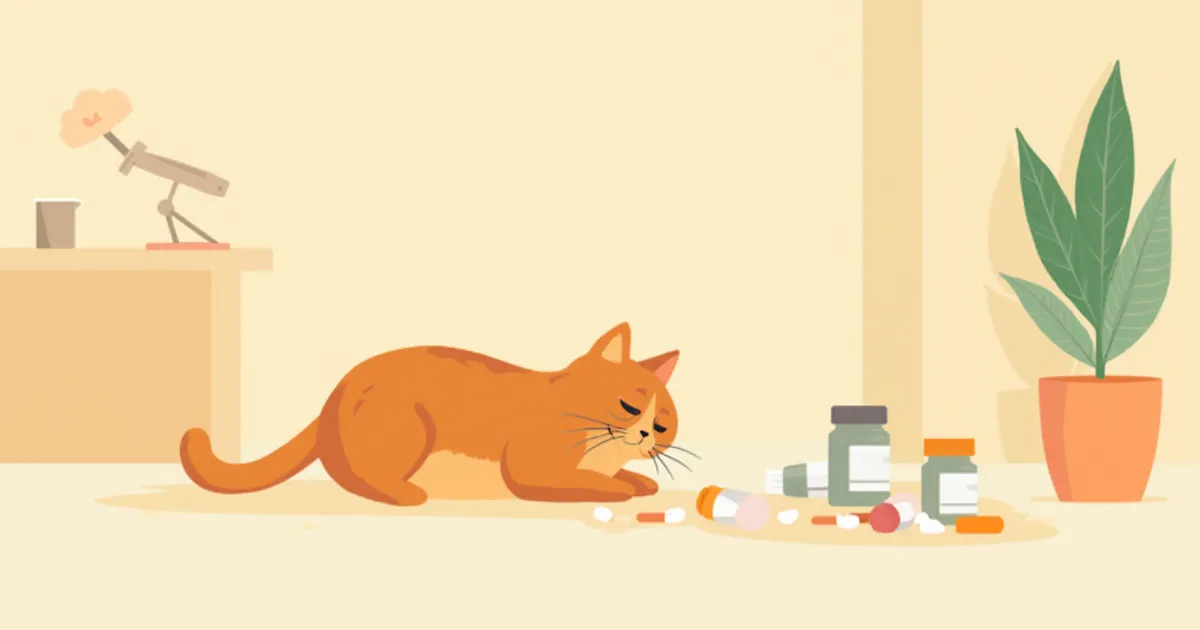
Although there are fewer reported cases in cats than in dogs, consuming grapes or raisins can cause kidney damage and is considered a potential poisoning risk. If you suspect your cat has ingested them, it's safest to contact your veterinarian immediately.

Is it okay for a cat to eat grapes?
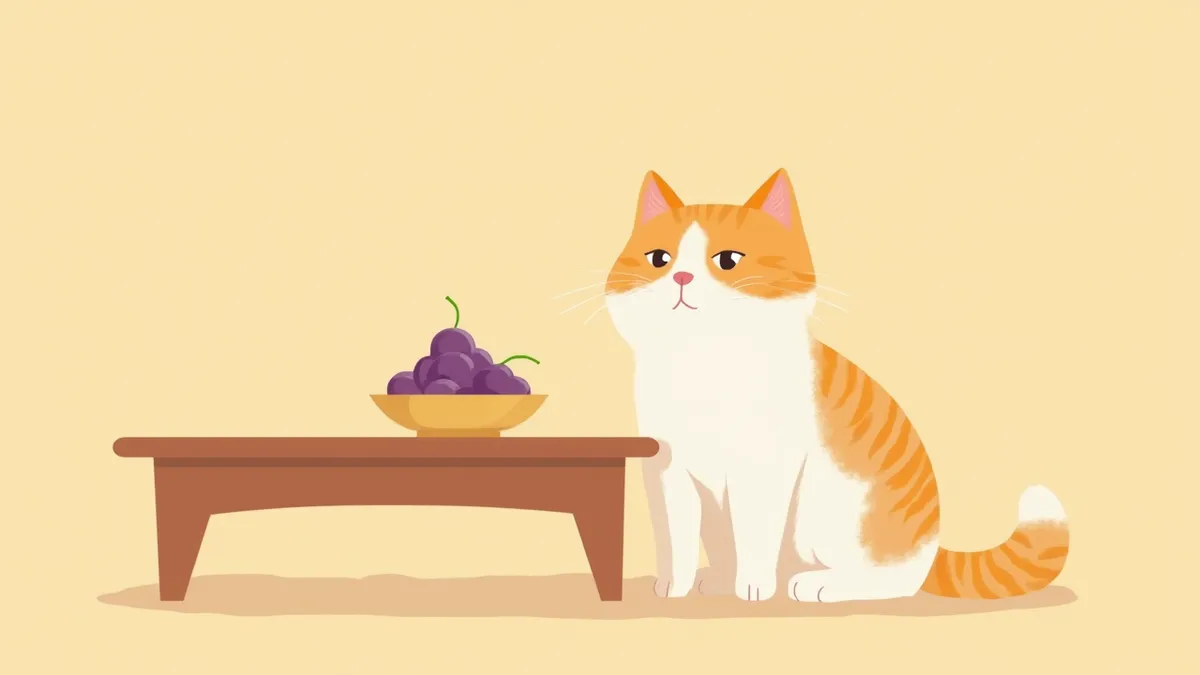
A cat sitting next to a grape
Although there are very few reported cases of cats consuming grapes or raisins compared to dogs, these foods cannot be definitively considered safe for feline consumption. If you suspect your cat has ingested grapes or raisins, the safest course of action is to contact your veterinary clinic immediately. Do not dismiss the situation with a "it’s probably fine" attitude simply because reported cases are rare. While acute kidney injury (AKI) caused by grapes and raisins is well-documented in dogs, it has not been confirmed that cats are free from the same risk. Since it is impossible to predict which individual animals may have a sensitive reaction, the standard protocol is to seek veterinary assessment regardless of the amount consumed.

How does the risk differ between dogs and cats?

In dogs, acute kidney injury following the ingestion of grapes or raisins is relatively well-documented, with tartaric acid identified as the causative agent. Dogs are particularly susceptible because they lack the organic anion transporter (OAT-4) responsible for excreting organic acids through the kidneys. Although there is little evidence of kidney damage in cats via the same mechanism, this does not mean grapes or raisins are safe for them. It is more accurate to classify them as foods whose safety has not been confirmed, rather than foods whose risk has been ruled out.

Dogs vs. Cats — Grape Poisoning Comparison

ItemDogsCats
Number of Reported CasesMany (well-known poisoning)Very few (essentially rarely reported)
Main Site of DamageKidney (acute kidney injury)Kidney (potential, not established)
Suspected Causative ComponentTartaric acid (organic acid)Unclear — not confirmed whether same as in dogs
Lethal DoseLarge individual variation; even small amounts are dangerousUnclear — use caution with any amount
Recommended ActionGo to the hospital immediatelyGo to the hospital immediately

A small number of cases does not mean safety. For both species, the rule is to consult a veterinarian immediately upon ingestion.

Checklist of suspected symptoms after grape or raisin ingestion
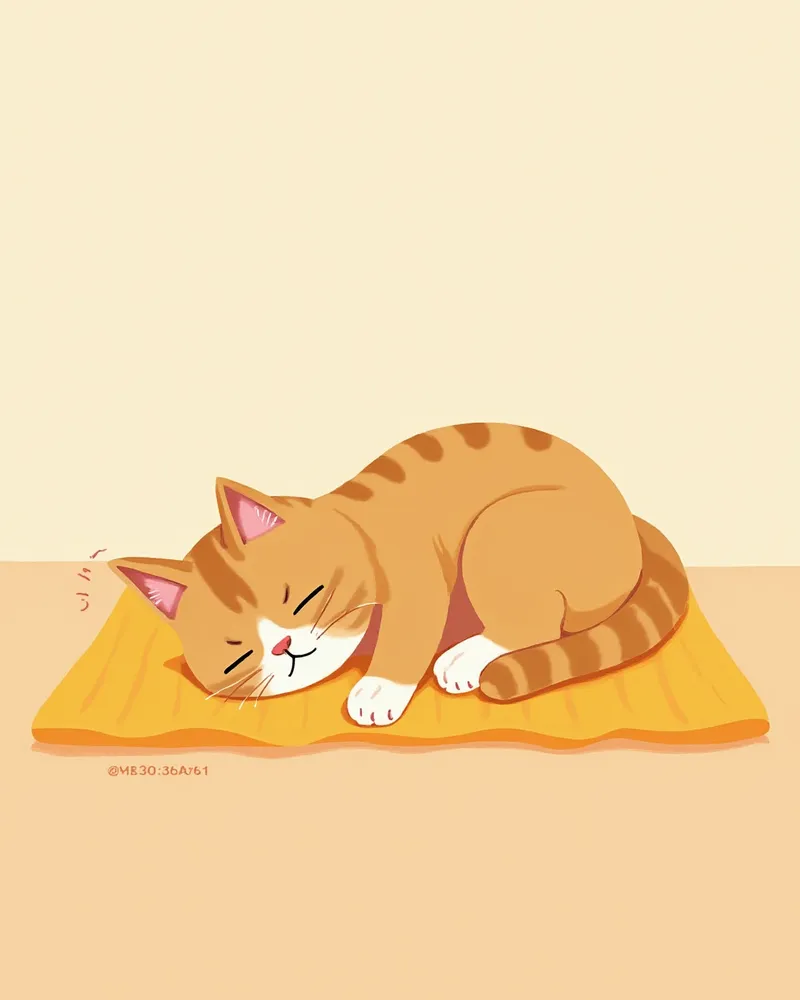
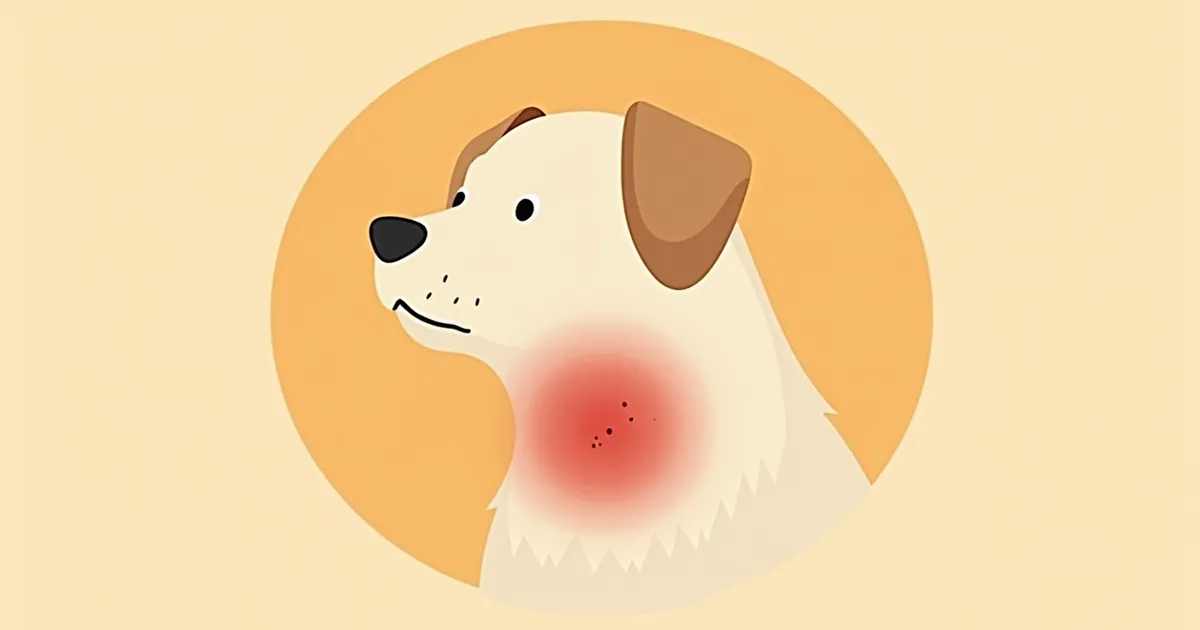
If any of the following signs appear within 6 to 24 hours after ingestion, it may indicate kidney involvement. - Vomiting: This is often the first sign after ingestion. You may see pieces of grape skin or raisins in the vomit. - Loss of appetite: Your pet may refuse to eat even their usual favorite food. - Lethargy and weakness: Noticeable decrease in activity levels compared to normal. - Dehydration: Gums may feel sticky, and skin elasticity may be reduced. - Changes in urine output: Urine production may suddenly decrease (oliguria) or increase compared to normal. - Abdominal discomfort: Your pet may avoid being touched or curl up in a protective posture.
A cat appearing lethargic after eating grapes

Go to the vet immediately in these cases

Contact a 24-hour veterinary clinic immediately if any of the following apply, even if the amount ingested was small: - There is evidence that your pet has eaten grapes, raisins, grape juice, fruit bread, or similar items. - Grape residue is visible in vomit or feces. - Your pet is vomiting repeatedly or has had no appetite for more than 24 hours. - Urine output has suddenly decreased or stopped (oliguria/anuria). - Gums are pale or sticky (signs of dehydration). The sooner you reach the clinic after ingestion, the better the prognosis.

What owners should do before going to the vet

1. Record intake amount and time — Note the exact time, the form consumed (fresh grapes, raisins, juice, bread, etc.), and an estimated count. This information is critical for your veterinarian’s treatment decisions. 2. Preserve vomit and remnants — If your pet vomited, take photos or save the material in a container to bring with you. 3. Do not attempt home treatment — Never induce vomiting at home or give milk or salt water, as this can cause aspiration pneumonia or further injury. Vomiting should only be induced under veterinary guidance. 4. Keep warm and stable during transport — Place a familiar blanket in the carrier and move your pet gently to avoid shaking.

What treatment will be provided at the vet?
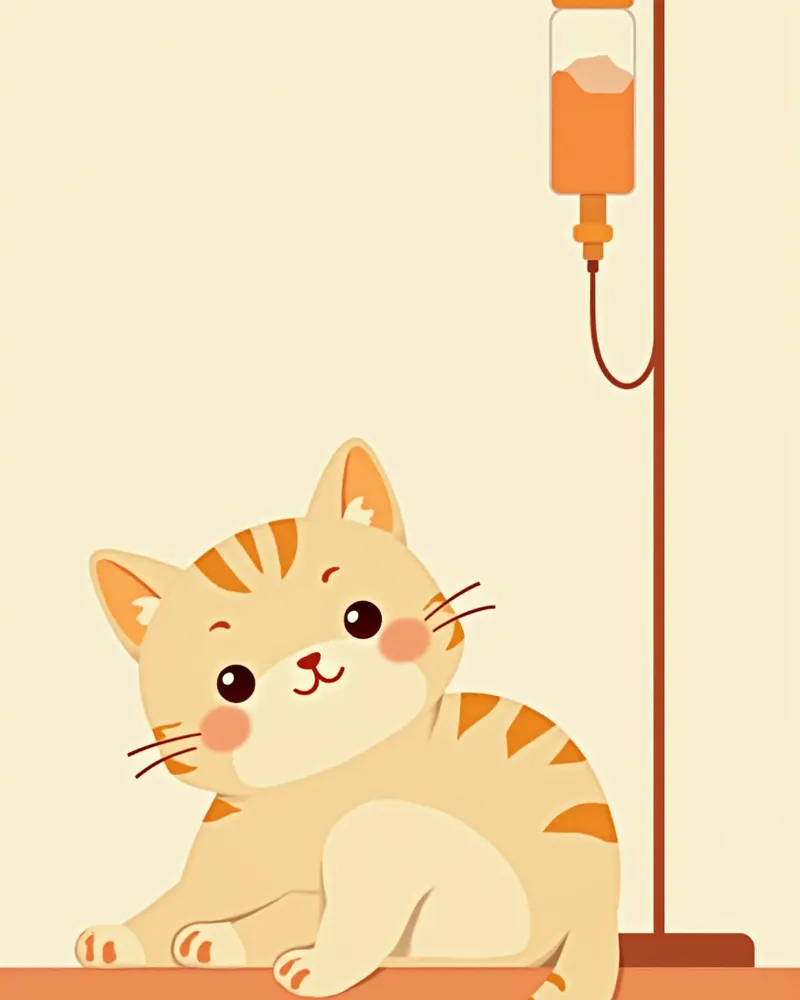
Veterinarians determine the appropriate treatment steps based on when and how much was ingested. - Gastric emptying: If a short time has passed since ingestion, we may induce vomiting or perform gastric lavage to remove the substance before it is absorbed. Because tartaric acid delays gastric emptying, this is typically attempted within 6 to 12 hours of ingestion. - Activated charcoal administration: This method adsorbs remaining toxins in the intestines. Although clear clinical benefits have not been proven, a single dose may be considered if a large amount was ingested. - Fluid therapy: This is a critical treatment that ensures adequate blood flow to the kidneys to prevent damage. Hospitalization for 24 to 48 hours is usually required. - Monitoring kidney values: Blood tests are repeated at admission, and then at 24-hour and 48-hour intervals. - Measuring urine output: We monitor hourly urine volume to detect oliguria or anuria early. If symptoms have progressed, please also review Cat Kidney Disease Symptoms and Management.
A hospitalized cat receiving intravenous fluids

Kidney management continues after recovery

Even if a cat recovers from acute kidney injury, some may go on to develop chronic kidney disease. It’s a good idea to have blood and urine tests done at 1–2 weeks, 1 month, and 3 months after discharge to monitor changes in kidney values. If your cat drinks more water than usual or you notice changes in urine volume or color, please bring them back for a recheck right away.

Other foods to watch out for besides grapes

Be cautious not only with grapes and raisins, but also with other foods in the same family. - Raisin bread, fruit cakes, hot cross buns: These contain raisins. Although tartaric acid is partially broken down during heating and cooking, making them less dangerous than fresh grapes or raisins, large quantities are still unsafe. - Grape juice, wine, balsamic vinegar: Commercial grape juices and wines are reported to pose a lower risk of kidney failure because tartaric acid is removed (detartrated) during production. However, due to the inherent dangers of alcohol, wine and balsamic vinegar should still be avoided. - Chocolate raisins: These can cause combined poisoning from caffeine and theobromine. - Grape seed extract supplements: Never administer human supplements without veterinary guidance. Please check all areas your cat can jump to, such as the kitchen, dining table, and side tables next to the sofa. Cats are highly curious, and accidents involving them tearing open and consuming entire bags are common.

Reviewed by a veterinarian

Dr. Tony — Punnawat Phongkittirak

Dr. Tony — Punnawat Phongkittirak

Veterinarian

A veterinarian who majored in veterinary medicine at Khon Kaen University, Thailand, and completed the IVSA program at North Carolina State University in the United States. Drawing on clinical experience at animal hospitals, he works in the pet healthcare field and is dedicated to building a digital care environment that connects pet parents with veterinarians.

Frequently Asked Questions

My dog ate just one grape—do I really need to go to the vet?
Yes, regardless of the amount ingested, it is always best to contact your veterinarian first for a consultation. Because cases of grape toxicity in cats are rare, there is no clearly established "safe" threshold. Your veterinarian will assess whether treatment is necessary based on when the ingestion occurred, your cat's weight, and their baseline kidney health.
Is it dangerous if my pet just licked the skin or seeds of a grape?
The peel and seeds may also contain suspected toxic substances, so it's safer to inform the vet even if your pet just licked them. However, clinically, the most dangerous scenario is when the flesh is consumed in large amounts.
Is it safe to induce vomiting at home?
Absolutely not. Human-induced vomiting methods (such as salt water or hydrogen peroxide) can cause aspiration pneumonia, gastric mucosal damage, and electrolyte imbalances in cats. Vomiting should only be induced by a veterinarian at an animal hospital.
Are human beverages with a grape flavor (such as grape-flavored medications or grape-flavored jellies) also dangerous?
Products containing grape juice or grape concentrate can be dangerous, but commercially available grape juices with tartaric acid removed are known to carry a lower risk of kidney failure. Products containing only flavorings are relatively low-risk. However, if artificial sweeteners are included, it’s best to check the ingredient list. Xylitol, for example, is toxic to dogs but has been reported to have no toxic effect on cats.
Should I switch to kidney-supportive food after recovery?
If your pet has experienced acute kidney injury, your veterinarian may recommend a renal prescription diet. If they’ve fully recovered without lasting damage, you can continue their regular food, but it’s safest to monitor their kidney values through regular check-ups.

Share

Related Guides

References

[1] Blackwell's Five-Minute Veterinary Consult Clinical Companion, Small Animal Toxicology, 3rd Edition — Grape/Raisin Toxicosis chapter

[2] Coyne SR, Landry GM. Tartaric acid induces toxicity in Madin-Darby Canine Kidney cells, but not Human Kidney-2 cells in vitro and is prevented by organic anion transporter (OAT) inhibition and human OAT-4 transfection. J Vet Emerg Crit Care 2023;33(3):298–304.

[3] Eubig PA, Brady MS, Gwaltney-Brant SM et al. Acute renal failure in dogs after the ingestion of grapes or raisins.

[4] The Dog Care Handbook — Things I Wish My Vet Had Told Me, Vine fruits chapter

This information is based on veterinary literature and does not replace diagnosis or treatment. Please consult a veterinarian for specific health concerns.

Metapet Co., Ltd. | CEO: Park Sung-yong | Business Reg. No. 417-88-02562 | Seoul, South Korea | Customer Center

Cat Ate Grapes or Raisins? Kidney Damage Risk Unlike Dogs | Meongsiljang