
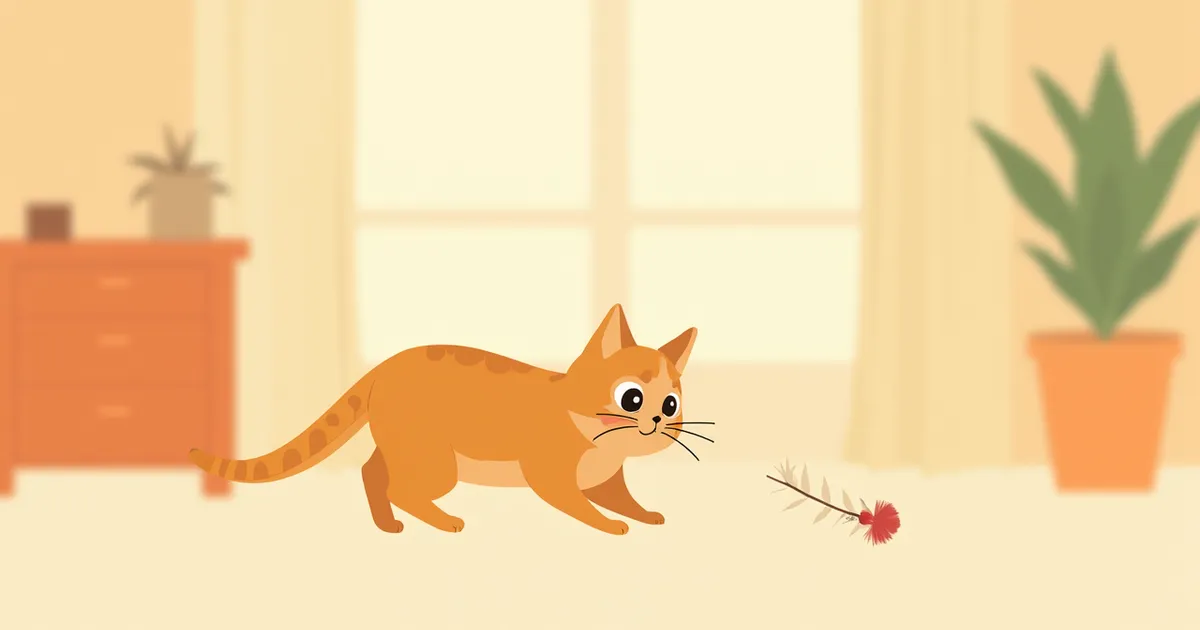
Why Do Cats Hunt? The Key to Play That Satisfies Their Instincts
A cat’s hunting instinct is an innate behavior hardwired into its genes. You can help prevent stress and behavioral issues by engaging your cat in short, focused play sessions that mimic hunting for 10 to 15 minutes each day.
Why Is It Essential to Let Out a Cat’s Hunting Instinct?
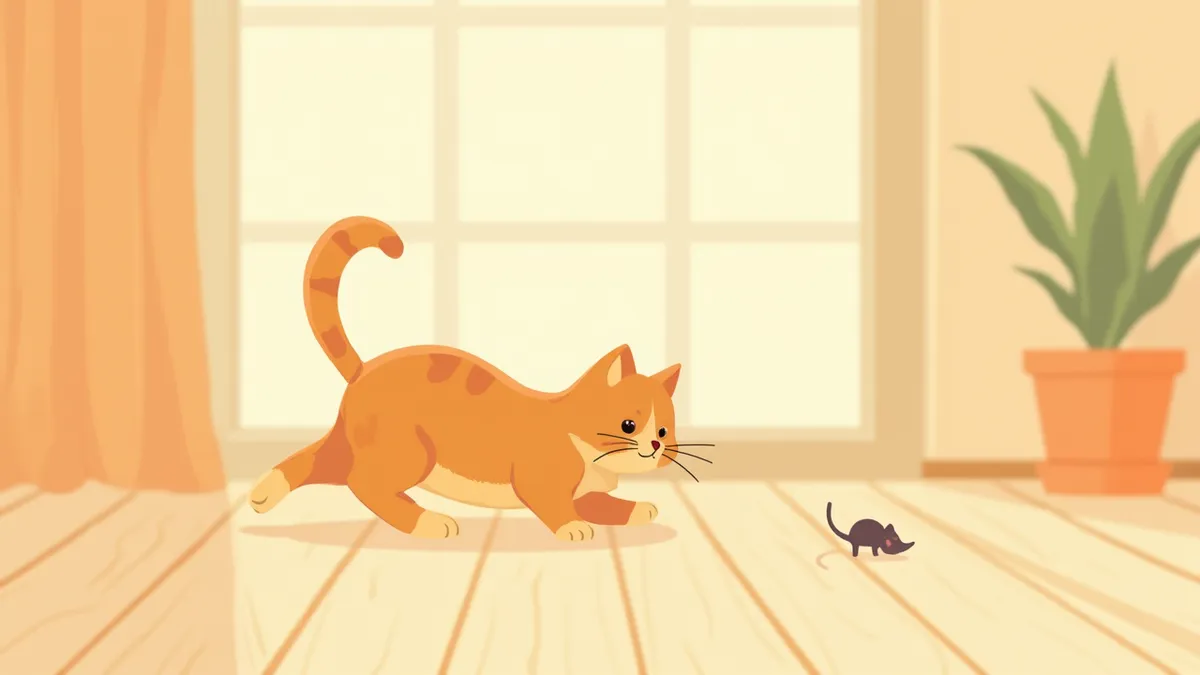
The 4 Stages of a Cat’s Hunting Instinct
Hunting Instinct Satisfaction by Toy Type
| Item | Feather wand | Laser pointer | Puzzle feeder | Wind-up mouse toy |
|---|---|---|---|---|
| Search (observation) stage | True | True | True | True |
| Stalking (tracking) stage | True | True | False | True |
| Chase stage | True | True | False | True |
| Capture (pouncing) | True | False | True | True |
| Dispatch (biting) | True | False | True | True |
| Can play alone | False | False | True | True |
| Recommendation | Best | Auxiliary use only | Doubles as mealtime | When owner is out |
Do not use the laser pointer alone — at the end, always move the light onto a real toy so the cat can 'catch' it
How to Establish a Daily Play Routine
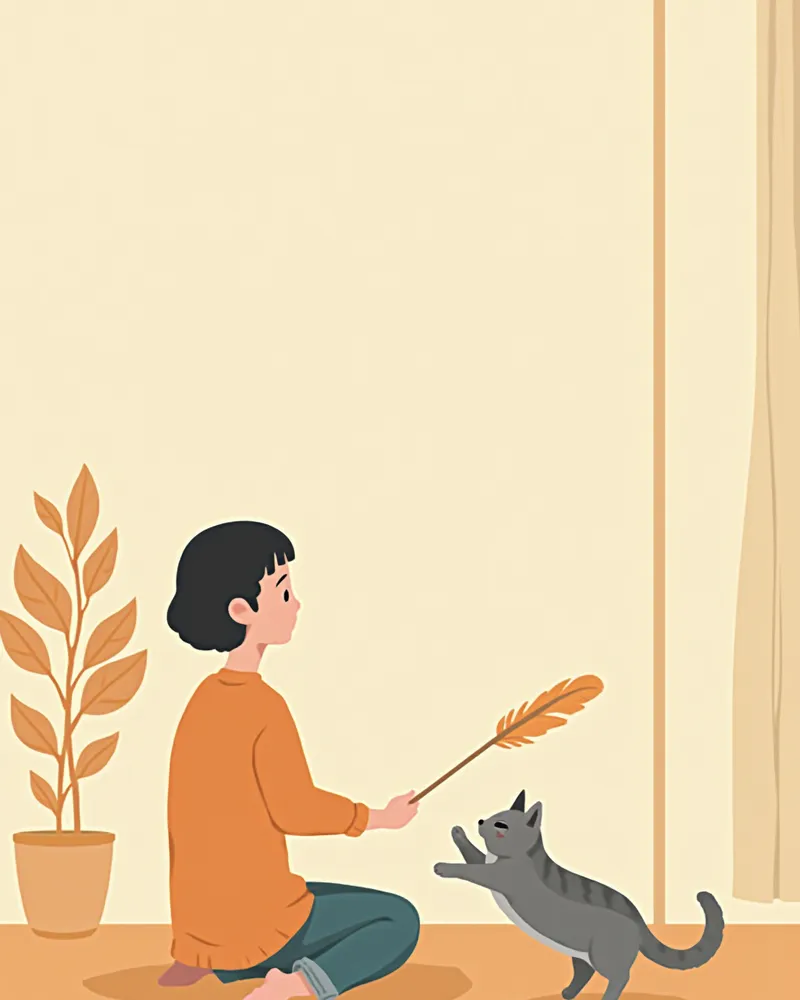
The Dangers of Using Laser Pointers Incorrectly
Prolonged, exclusive use of laser pointers can lead to frustration from the “uncatchable prey” effect, potentially resulting in compulsive behaviors or aggression. A study by Kogan & Grigg (2021) observed a correlation between laser pointer play and obsessive chasing of lights and shadows (while further research is needed to establish causality, this finding warrants attention). If you do use a laser pointer, keep sessions short and always end by directing the beam onto a physical toy so your pet can successfully “catch” it.
Environmental Setup for Cats Playing Alone
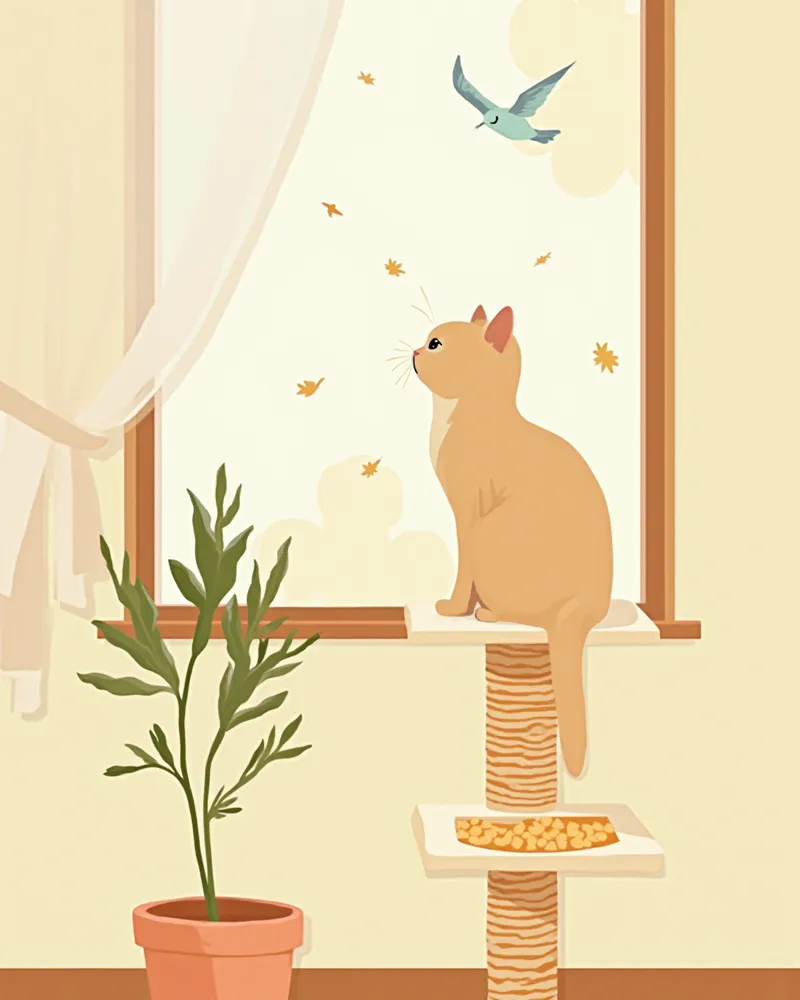
Toy Rotation Is Key
When Hunting Instinct Manifests as 'Aggression'
If your cat repeatedly bites or suddenly pounces on your hands or feet, it’s likely redirecting its hunting instinct toward an inappropriate target. In such cases, stop playing with your hands directly and always use a toy as an intermediary. Cats that are accustomed to treating hands as toys during kittenhood often retain this behavior into adulthood. If the problem persists, consult a veterinary behavior specialist.
Reviewed by a veterinarian

Dr. Tony — Punnawat Phongkittirak
VeterinarianA veterinarian who majored in veterinary medicine at Khon Kaen University, Thailand, and completed the IVSA program at North Carolina State University in the United States. Drawing on clinical experience at animal hospitals, he works in the pet healthcare field and is dedicated to building a digital care environment that connects pet parents with veterinarians.
Reviewed 2026-04-26
Frequently Asked Questions
My cat isn't interested in toys. Does that mean they lack a hunting instinct?
How old should my pet be before I stop playing with them every day?
How do you play with your cats in a multi-cat household?
Is it okay to show live insects to satisfy my pet's hunting instinct?
When is the best time to start using a puzzle feeder?
Share
Related Guides
7 Behavioral Enrichment Strategies for Mental Stimulation Recommended by Veterinarians

Top 5 Calming Supplements for Dogs and Cats in 2026
L-Theanine Effects and Calming Support
Complete Guide to Post-Tooth Extraction Care for Cats — Key Points for Owners
Complete Guide to Post-Tooth Extraction Care for Dogs — Key Points for Pet Owners
How to Administer Insulin to Cats — Key Precautions to Prevent Hypoglycemia
Complete Guide to Dog Insulin Administration and Precautions — Key Points for Pet Owners
Cat Anticonvulsant Medication: Key Points on Side Effects and Administration Management
The Ultimate Guide to the Causes of Canine Stereotypic Behavior and Behavior Modification/Treatment Methods

What is Canine Compulsive Disorder? — From Causes to Behavioral Modification and Treatment Timing
References
[1] Horwitz, D.F. and Mills, D.S., BSAVA Manual of Canine and Feline Behavioural Medicine, 2nd ed., 2009
[2] Bain, M.J. and Fan, C.M., Introduction to Animal Behavior and Veterinary Behavioral Medicine, Chapter 17
[3] Dantas, L.M.S. et al., Food puzzles for cats: Feeding for physical and emotional wellbeing, J. Feline Med. Surg., 2016