Like
Share
멍실장
동결건조 vs 화식 vs 건사료, 우리 아이에겐 뭐가 맞을까요?

Freeze-Dried vs. Cooked vs. Dry Food: Which Is Right for Your Pet?

DigestiveQ&AMeongsiljang Veterinary Advisory Board

We compare the nutrition, safety, cost, and storage of freeze-dried, cooked, and dry food types all at once, and provide you with criteria for choosing the right option for your pet.

Freeze-Dried, Cooked, and Dry Food: What’s the Difference?
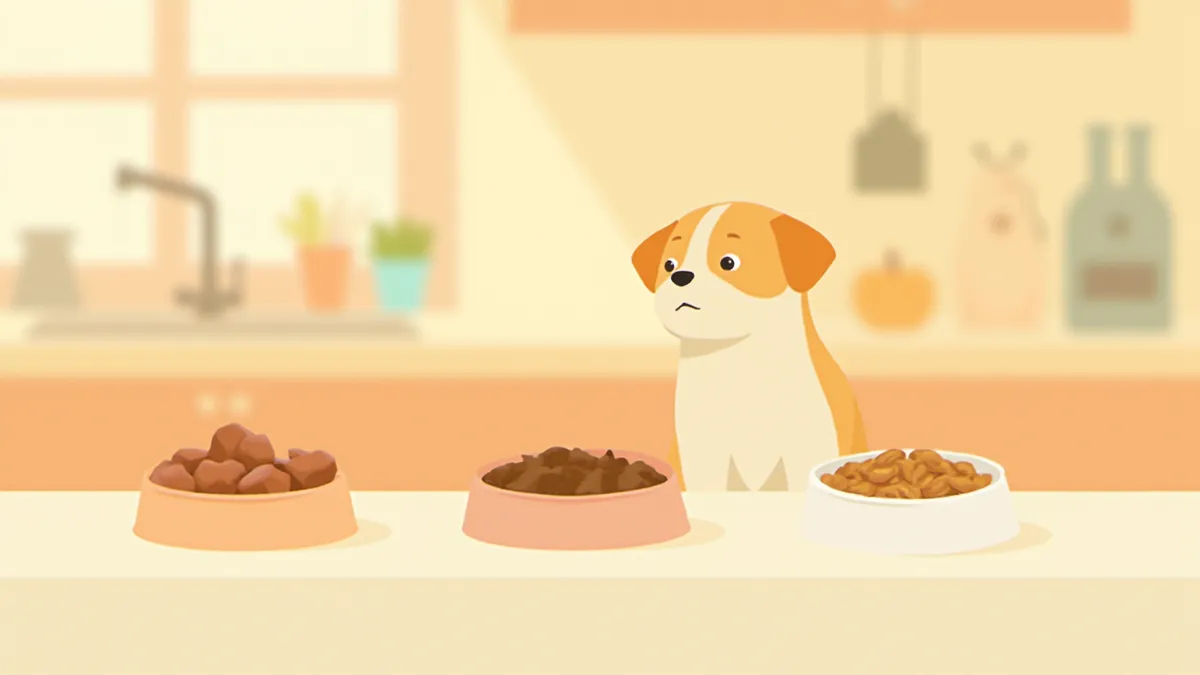
A pet owner comparing freeze-dried, cooked, and dry food options while trying to decide
Comparing food types involves evaluating the nutritional balance, safety, storage stability, and cost of freeze-dried, cooked, and dry kibble diets to choose the best option for your pet. The most critical factor is whether the diet meets "complete and balanced" standards. Regardless of the type, failing to provide daily nutrients that meet Association of American Feed Control Officials (AAFCO) guidelines can lead to long-term health issues. Choose based on nutritional balance, your available time for care, and your pet’s digestive health, rather than price or trends.

Three Food Types, Defined in One Line

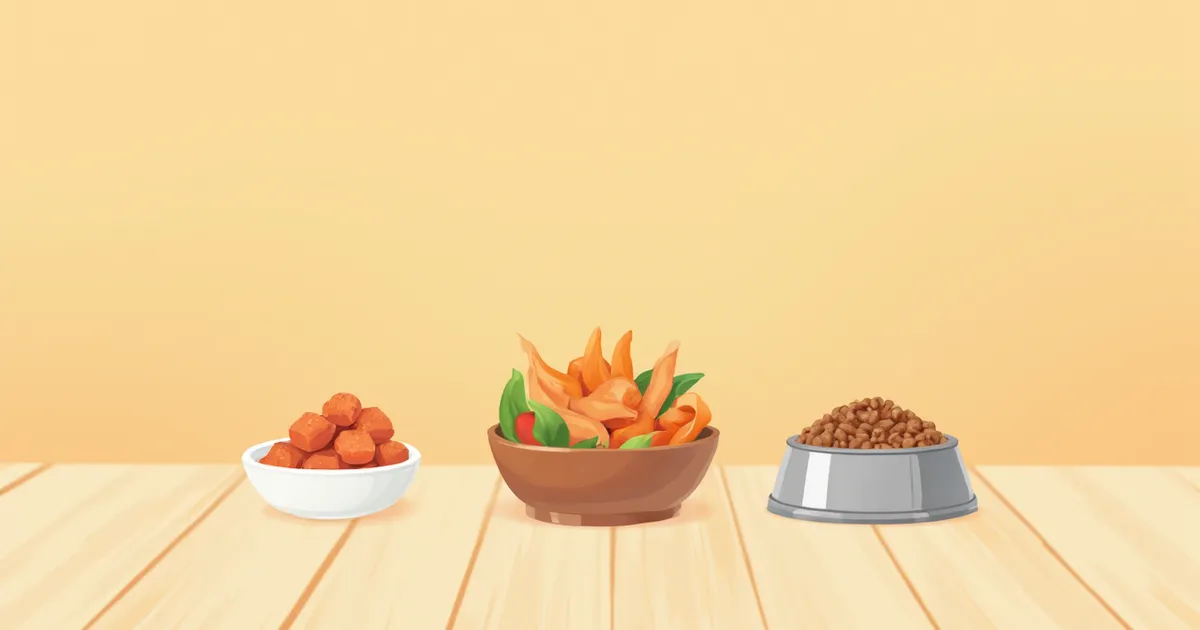
- Dry food: This is the most common type, made by extruding ingredients under high temperature and pressure, then drying them to a moisture content of 8–10%. - Freeze-dried: This food is made by freezing raw or processed meat at sub-zero temperatures and then removing only the moisture in a vacuum. It tends to have minimal nutrient loss. - Home-cooked: This is a diet prepared by the owner, cooking meat, vegetables, and grains at home. While fresh, it requires careful planning to ensure nutritional balance.

At-a-Glance Comparison by Food Type

ItemDry foodFreeze-driedCooked food
Moisture content8–10%2–5%60–70%
Nutritional balance (AAFCO)MeetsMeets (varies by product)Must be designed yourself
PalatabilityModerateHighVery high
Shelf stability6–12 months12–24 monthsRefrigerated 2–3 days
Monthly cost (for 5 kg body weight)KRW 30,000–80,000KRW 150,000–300,000KRW 100,000–200,000
Cooking/prep timeNone5 minutes to rehydrate in water30 minutes–1 hour
Bacterial contamination riskLowLow–mediumMedium

Average general market price as of April 2026. Varies by product and brand.

Freeze-Dried Food: Pros and Cons

- Advantages: Freeze-dried food preserves essential nutrients like enzymes and vitamins, and its high palatability makes it appealing to pets. Since only the moisture is removed, rehydrating it in water gives it a texture similar to cooked food. - Disadvantages: The price is 3 to 5 times higher than dry kibble. Additionally, some products are not heat-treated, leading to reported cases of bacterial contamination such as Salmonella and Listeria. For puppies, senior dogs, or pets with weakened immune systems, it is safer to choose freeze-dried products that have undergone pre-heating treatment.
Freeze-dried food cubes are placed in a white bowl.

Home-Cooked Meals: Diets Made by Owners

Home-cooked meals are made with fresh ingredients, offering exceptional palatability and allowing precise dietary control for pets with allergies or digestive issues. However, to meet AAFCO standards for complete and balanced nutrition, these diets must include not only protein, fat, and carbohydrates but also adequate levels of calcium, phosphorus, taurine (especially for cats), essential amino acids, and trace minerals. Veterinary nutrition research has frequently reported that homemade diets often fall short of AAFCO recommendations for calcium-to-phosphorus ratios, vitamins A and E, and potassium, copper, and zinc. Additionally, studies have shown that homemade elimination diets formulated for allergy testing fail to meet adult maintenance requirements in approximately 89% of dogs and 93% of cats. Furthermore, long-term feeding of general homemade diets without expertly formulated recipes carries a high risk of nutritional imbalance.

Key Considerations When Choosing Home-Cooked or Freeze-Dried Diets

If you plan to feed a home-cooked diet long-term, have the recipe reviewed by a veterinary nutritionist. Cats are especially at risk: a deficiency in taurine or arachidonic acid can lead to heart disease (dilated cardiomyopathy) and blindness. Freeze-dried raw-based products are not recommended for pets with weakened immune systems, pregnant or nursing cats and dogs, or those under one year of age. Regardless of the type of food, avoid sudden changes; gradually transition by mixing the new food with the current diet over 7 to 10 days to prevent diarrhea and vomiting.

Dry Food: Why It Remains the Most Common Choice

Dry kibble is the most reliable choice in terms of nutritional balance, storage convenience, and cost. - Advantages: There is a wide variety of products that meet the standards set by the Association of American Feed Control Officials (AAFCO), and they remain stable for 1–2 months after opening. It is also known to help reduce tartar buildup through the mechanical action of chewing. - Disadvantages: Because dry kibble contains very little moisture, pets that do not drink enough water on their own—especially cats—are at increased risk of chronic dehydration and urinary tract stones. If you are concerned about kidney health, it is advisable to supplement with wet food.
Kibble in a stainless steel bowl

How to Choose the Right Option for Your Pet

- Busy owners or limited budgets: The safest and most efficient approach is to feed dry food that meets AAFCO standards, supplemented occasionally with wet food as a topper. - Picky eaters or palatability issues: Mixing 5–10% freeze-dried food into dry kibble as a topper is a low-stress solution. - Allergies or digestive issues: Home-cooked or prescription dry diets reviewed by veterinary nutritionists are the best choice. - Cats: Due to the risk of chronic dehydration, combining wet or rehydrated freeze-dried food with dry kibble is more beneficial than feeding dry food alone. There is no single right answer. The key is to consider both your pet’s health status and your lifestyle.

Reviewed by a veterinarian

Dr. Tony — Punnawat Phongkittirak

Dr. Tony — Punnawat Phongkittirak

Veterinarian

A veterinarian who majored in veterinary medicine at Khon Kaen University, Thailand, and completed the IVSA program at North Carolina State University in the United States. Drawing on clinical experience at animal hospitals, he works in the pet healthcare field and is dedicated to building a digital care environment that connects pet parents with veterinarians.

Frequently Asked Questions

Is it okay to mix freeze-dried treats with dry kibble?
That’s perfectly fine. In fact, it can enhance palatability and help supplement hydration and enzymes. Just be sure to keep this portion to about 5–20% of your pet’s total daily caloric intake, and adjust the amounts so that the combined calories from both foods don’t exceed the recommended daily total.
Will feeding only wet food lead to nutritional deficiencies?
Homemade diets prepared by pet owners without review by a veterinary nutritionist are frequently associated with deficiencies in calcium, taurine, and essential amino acids. When feeding homemade diets long-term, it is essential to use vitamin and mineral supplements to meet the standards set by the Association of American Feed Control Officials (AAFCO).
Is there really a bacterial risk with freeze-dried raw food?
Yes. The U.S. Food and Drug Administration (FDA) has detected Salmonella and Listeria in some unheated freeze-dried raw pet food products. For puppies, senior dogs, and pets with weakened immune systems, it is safer to choose freeze-dried products that have been heat-treated.
Can cats also eat raw food?
It is possible, but cats are far more particular than dogs. Cats must obtain taurine, arachidonic acid, and vitamin A exclusively from their diet, so deficiencies can lead to heart disease or blindness. Always follow recipes formulated by a board-certified veterinary nutritionist.
How long should it take to transition to a new food?
Typically, transition gradually over 7–10 days. For days 1–3, mix 25% new food; for days 4–6, increase to 50%; for days 7–9, use 75%; and on day 10, switch to 100% new food to help prevent diarrhea and vomiting. If your pet has a sensitive digestive system, extend the transition period up to 14 days.

Share

Related Guides

References

[1] Fascetti AJ, Delaney SJ. Applied Veterinary Clinical Nutrition, 2nd Ed - Chapter 8: Commercial and Home-Prepared Diets

[2] Ettinger SJ, Feldman EC. Textbook of Veterinary Internal Medicine, 8th Ed - Nutrition Section

[3] Nestle Purina. Clinical Medicine of the Dog and Cat, 4th Ed - Nutritional Therapy Chapter

This information is based on veterinary literature and does not replace diagnosis or treatment. Please consult a veterinarian for specific health concerns.

Metapet Co., Ltd. | CEO: Park Sung-yong | Business Reg. No. 417-88-02562 | Seoul, South Korea | Customer Center

Freeze-Dried vs. Cooked vs. Dry Food: Which Is Right for You? | Meongsiljang