
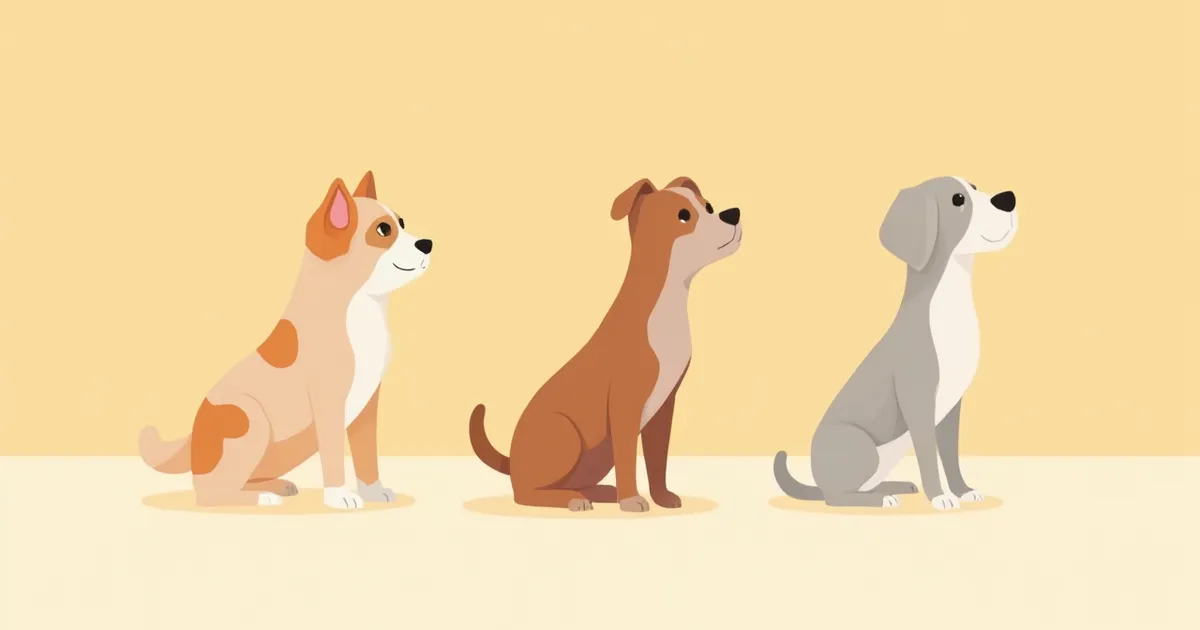
Puppy Head Shapes (Brachycephalic, Mesocephalic, Dolichocephalic)
Puppy head shapes fall into three categories: brachycephalic (short-headed), mesocephalic (medium-headed), and dolichocephalic (long-headed). Each head type has distinct care considerations for breathing, body temperature, dental health, and immune support. Identify your puppy’s head shape and learn the tailored care strategies that best suit them.
What Are Puppy Skull Shapes? Brachycephalic, Mesocephalic, and Dolichocephalic at a Glance
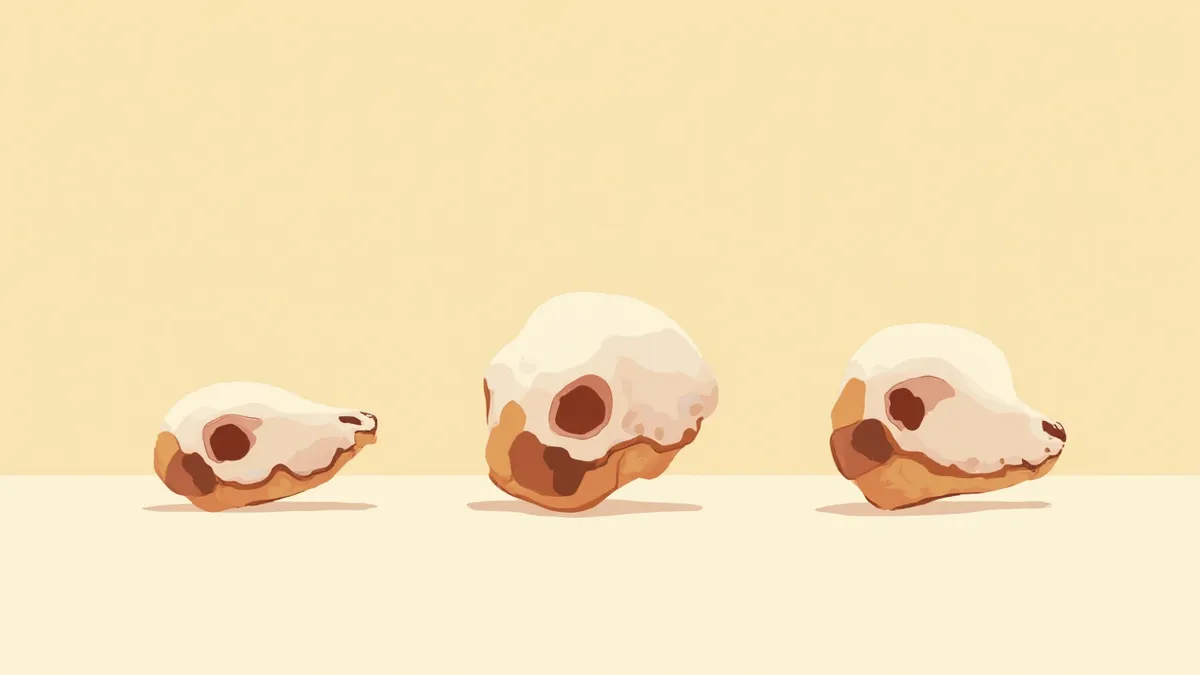
How Are Skull Shapes Classified?
Representative Breeds and Characteristics by Skull Shape
| Item | Brachycephalic | Mesocephalic | Dolichocephalic |
|---|---|---|---|
| Representative Breeds | Bulldog, Shih Tzu, Pekingese, Pug, Boston Terrier | Labrador, Beagle, Jindo, German Shepherd | Greyhound, Collie, Borzoi, Dachshund |
| Muzzle Length | Very short | Normal | Very long |
| Cephalic Index | High (exact numerical criteria not standardized in academia) | Medium | Low (exact numerical criteria not standardized in academia) |
| Key Health Issues | Breathing difficulty (BOAS), heatstroke | Relatively balanced | Testing recommended for nasal discharge or bleeding |
Classification criteria refer to veterinary anatomy textbooks; the boundary values for the cephalic index are not standardized in academia. Some breeds, such as the Cocker Spaniel, are classified as associated with brachycephalic respiratory syndrome depending on the source.
Health Issues Brachycephalic Puppies Must Watch Out For
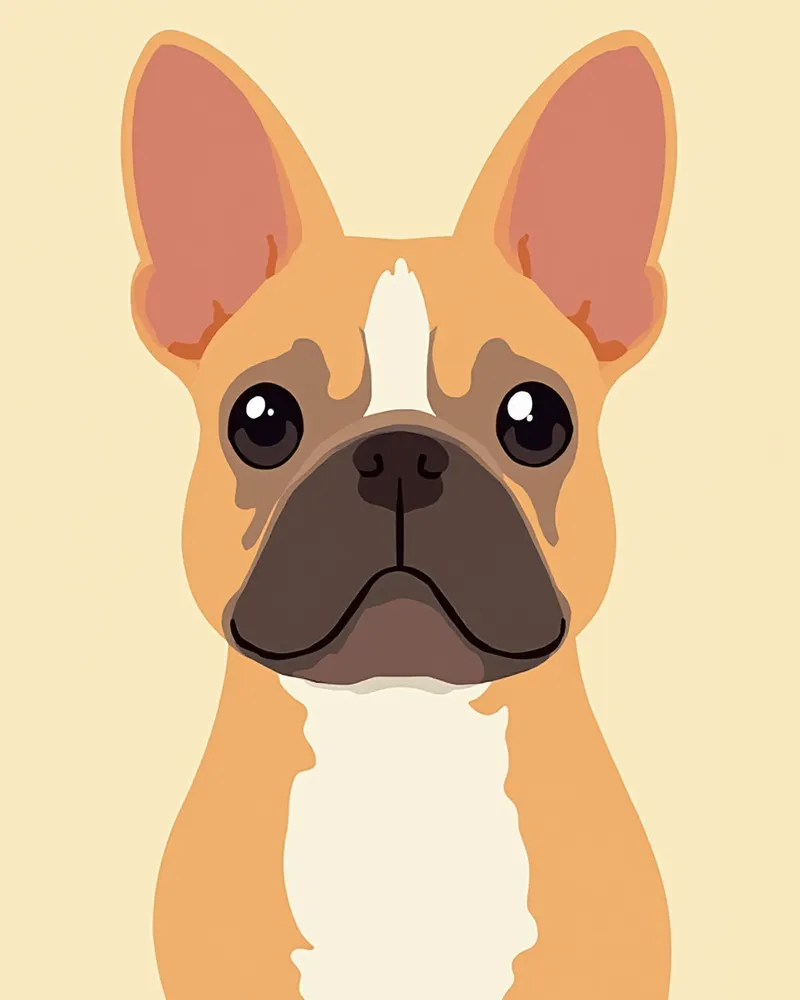
When to Seek Immediate Veterinary Care for Brachycephalic Puppies
If your brachycephalic (short-nosed) dog is breathing more heavily than usual, has a purple-tinged tongue (cyanosis), or takes an unusually long time to recover after a walk, it’s an emergency. If panting doesn’t stop in hot weather or your dog seems disoriented, heatstroke is likely, and you should seek veterinary care immediately. During car rides, keep the air conditioning on high and cool your dog’s paws and belly with lukewarm water.
Health Characteristics of Mesocephalic Puppies
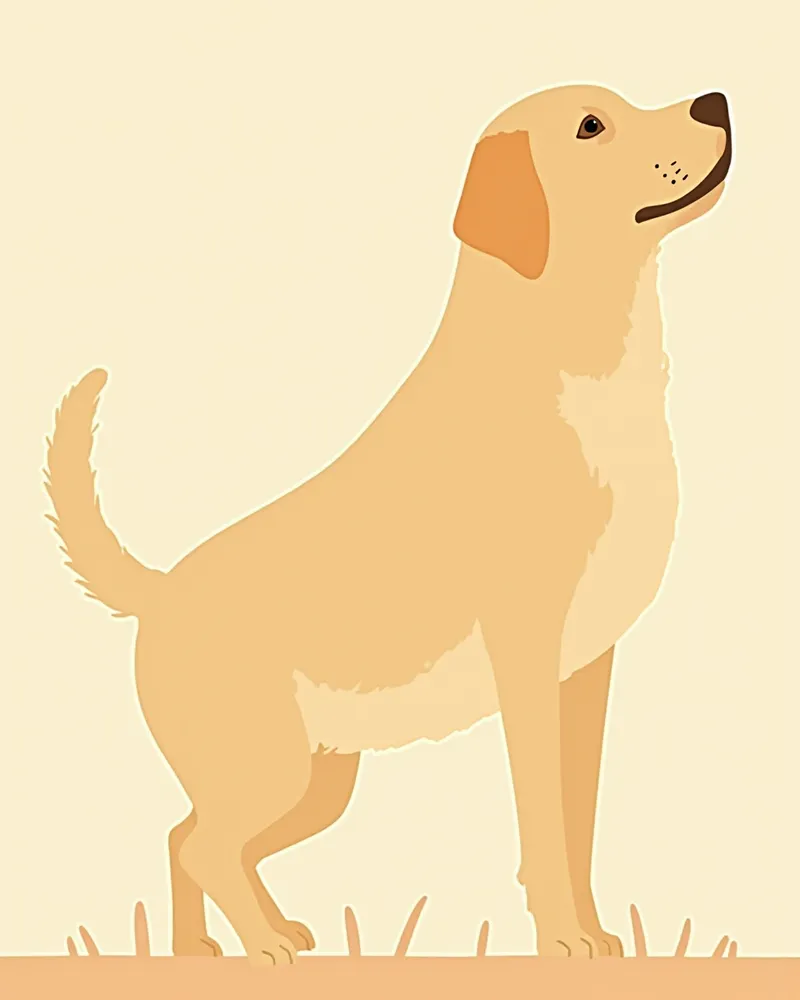
What to Pay Attention to for Dolichocephalic Puppies?
Points to Note Regarding Immunity and Vaccinations by Skull Shape
Brachycephalic breeds are at higher risk of airway obstruction during anesthesia, so it’s important to have a thorough discussion with your veterinarian before surgery, spaying/neutering, or dental scaling, and to have the anesthesia risks assessed in advance. Even though brachycephalic dogs have shorter skulls, the surrounding soft tissues don’t shrink proportionally, making them more likely to bulge into the airway. This anatomical feature can make securing the airway during anesthesia more challenging. After anesthesia, careful attention is needed to maintain the airway and ensure adequate oxygen supply, and close monitoring during recovery is essential. Before any medication is prescribed, be sure to accurately inform your veterinarian of your pet’s breed so that treatment can be tailored to your individual pet. Regardless of head shape, an annual comprehensive health check-up should never be skipped.
Daily Care Points by Skull Shape

Reviewed by a veterinarian

Dr. Tony — Punnawat Phongkittirak
VeterinarianA veterinarian who majored in veterinary medicine at Khon Kaen University, Thailand, and completed the IVSA program at North Carolina State University in the United States. Drawing on clinical experience at animal hospitals, he works in the pet healthcare field and is dedicated to building a digital care environment that connects pet parents with veterinarians.
Reviewed 2026-04-26
Frequently Asked Questions
My dog is a mixed breed. How can I determine his head shape?
Can brachycephalic dogs fly on airplanes?
Should the type of dog food vary depending on the dog's head shape?
Do brachycephalic dogs have a shorter average lifespan?
Does a dog's head shape influence its behavior?
Share
Related Guides

Primary vs. Secondary Veterinary Hospitals: A Comparison

5 Easy-to-Raise Cat Breeds for First-Time Owners — Grooming Difficulty Comparison

Top 7 Short-Legged Dog Breeds

How to Manage Obesity Diets for Dogs and Cats Step by Step?
BARF Raw Diet Guide

How Much Treats Per Day? — The 10% Calorie Rule and How to Calculate It Correctly
What Is a Dog Food Allergy Panel? — A Complete Guide to Cost, Accuracy, and Necessity

Is the Allergy RAST Serum Test Really Necessary for Your Pet?

What is the insulin-glucagon stimulation test for dogs — procedure and precautions?
Laser Tumor Removal: When to Choose It and How It’s Performed
References
[1] Tilley LP, Smith FWK. Blackwell's Five-Minute Veterinary Consult: Canine and Feline. 6th ed. Wiley-Blackwell; 2016
[2] Côté E. Clinical Veterinary Advisor: Dogs and Cats. 3rd ed. Elsevier Mosby; 2015
[3] Ettinger SJ, Feldman EC. Textbook of Veterinary Internal Medicine. 8th ed. Elsevier; 2017
[4] Evans HE, de Lahunta A. Miller's Anatomy of the Dog. 4th ed. Saunders; 2013