Like
Share
멍실장
고양이 갑상선기능항진증 고양이 자주 묻는 질문 Q&A — 보호자가 꼭 알아야 할 핵심

If Your Cat Is Constantly Losing Weight — Symptoms and Diagnosis of Hyperthyroidism

EndocrineQ&AMeongsiljang Veterinary Advisory Board

Feline hyperthyroidism is a common endocrine disorder in older cats, making early diagnosis and appropriate treatment essential. Here’s a summary of key information every pet owner should know.

What Is Feline Hyperthyroidism?
An elderly cat lying on a bed, in an atmosphere reminiscent of a veterinary clinic visit.
Feline hyperthyroidism is a condition in which the thyroid gland overproduces thyroid hormones (T4 and T3). It is most common in senior cats aged 10 years and older (affecting approximately 10% of cats in this age group), with an average age of onset around 13 years. The accelerated metabolic rate leads to simultaneous weight loss and increased appetite. - Hyperthyroidism: A state in which the thyroid gland secretes hormones autonomously, bypassing normal feedback regulation. - Primary Cause: Most cases result from benign adenomatous hyperplasia (adenoma) of one or both thyroid lobes. - Metabolic Changes: Increased energy expenditure leads to rapid weight loss. - Importance of Early Detection: Although symptoms can be subtle, early detection is possible through regular check-ups. Curative outcomes can be expected with treatments such as radioactive iodine therapy.

Why Does Feline Hyperthyroidism Occur?
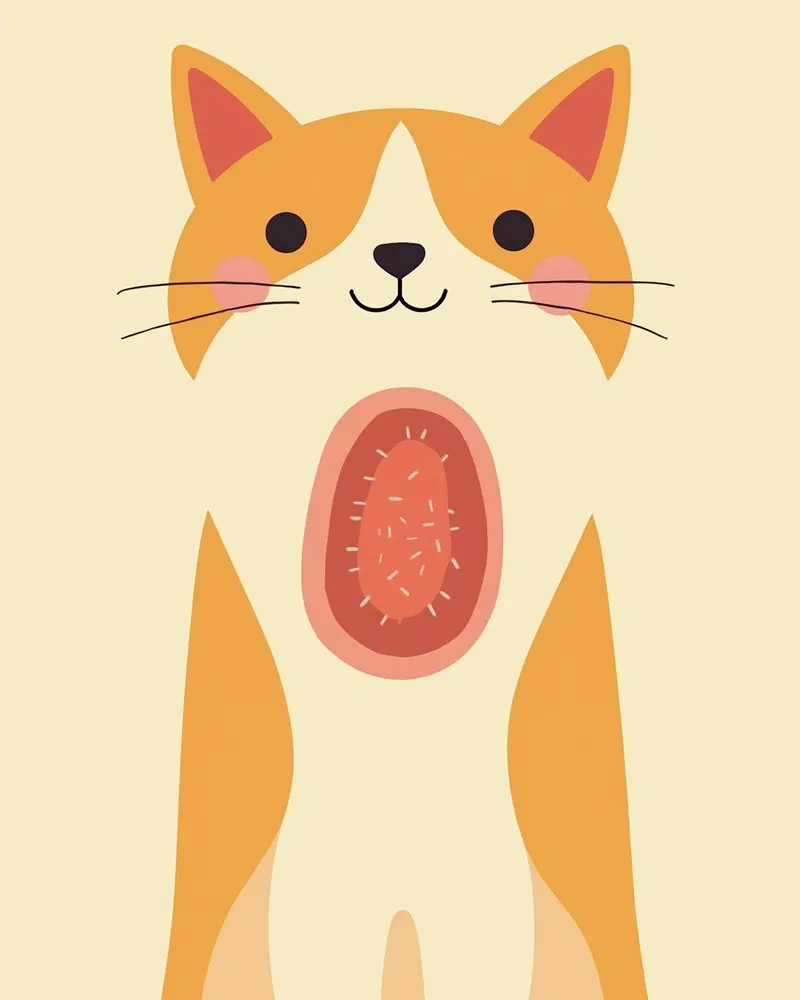
About 98% of cases are caused by benign adenomatous hyperplasia (adenoma) of the thyroid gland. This tissue secretes hormones autonomously, bypassing normal feedback regulation and leading to elevated hormone levels. The exact underlying cause remains unclear. - Breed predisposition: There is no evidence that specific breeds are at higher risk. In fact, purebred cats such as Siamese and Himalayans tend to have a lower risk. - Environmental factors: Some reports suggest that indoor living and consumption of canned (wet) food, particularly fish-flavored varieties, may increase the risk. - Association with aging: The risk of thyroid dysfunction increases with age. - Importance of early diagnosis: Early detection makes management easier and helps improve quality of life.
An anatomical illustration showing an abnormally enlarged thyroid gland in a cat

What Are the Main Symptoms?

The hallmark signs of hyperthyroidism in cats are increased appetite and weight loss. A key characteristic is losing weight despite eating well, which can easily be mistaken for other conditions, so vigilance is important. - Excitement and anxiety: Cats may become more active, moving frequently, and appear easily startled, sensitive, and restless. - Cardiac issues: Tachycardia (rapid heart rate) and arrhythmias (irregular heartbeat) may occur. - Gastrointestinal symptoms: Vomiting and diarrhea may recur. - Other changes: The coat may become rough and unkempt. In some cases (approximately 10%), cats may instead exhibit lethargy and muscle weakness. If any of these symptoms appear, a veterinary visit is essential.
A cat with an anxious expression, its ears pricked forward.

Signs That Require Immediate Veterinary Visit

If your pet experiences severe heart palpitations, difficulty breathing, sudden shock, or severe vomiting or bloody stools, seek veterinary care immediately. These symptoms may indicate serious complications.

How Is It Diagnosed?
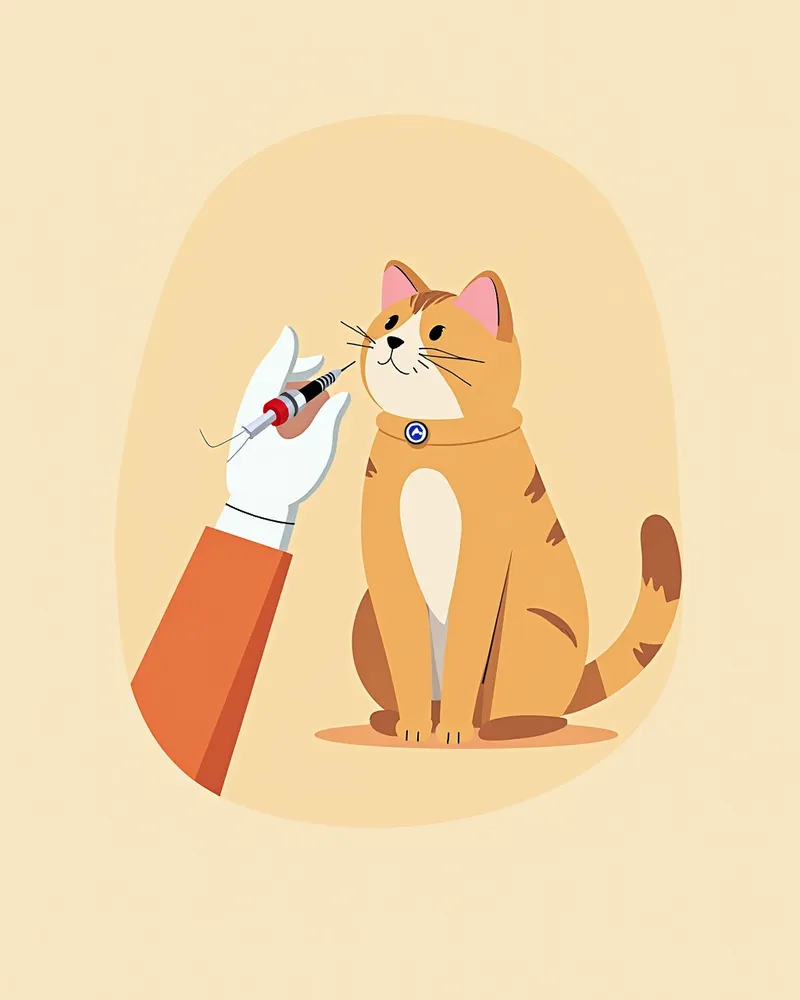
We measure thyroid hormone levels (total T4, TT4) through blood tests. TT4 is the most fundamental test, and it is elevated in about 90% of cats with hyperthyroidism. However, some cats may have the disease even if their T4 levels are within the normal range, so additional testing may be necessary. - Re-testing and additional hormone tests: To improve accuracy, we recheck TT4 after four weeks and measure free T4 (fT4). - T3 suppression test: This is an auxiliary test to confirm whether hormone secretion is suppressed. - Thyroid scan (scintigraphy): This visually identifies the location of thyroid tissue and areas of hyperfunction. - Comprehensive diagnosis: We make an accurate diagnosis by combining clinical symptoms with various test results.
A veterinarian inserting a needle into a cat’s neck to draw blood

What Are the Treatment Options?

There are four treatment options. First, medication (methimazole or carbimazole) suppresses hormone production. This approach is non-invasive and does not require hospitalization, but it demands long-term administration and regular blood tests. Medication must be given at the same time every day and may need to be discontinued if kidney function declines. Second, radioactive iodine therapy selectively destroys overactive thyroid cells while preserving normal tissue, offering a cure in approximately 95% of cases. After this treatment, contact with caregivers should be limited for about two weeks. Third, surgery involves removing the thyroid gland and is suitable when the disease is localized. Fourth, an iodine-deficient diet reduces hormone production. The choice of treatment depends on the cat’s condition and the owner’s circumstances.
A cat undergoing radioactive iodine therapy, appearing calm in a shielded treatment room

Comparison of Treatment Methods

ItemEfficacyCostSide effects
Methimazole medicationControls symptoms, requires ongoing managementRelatively inexpensiveSide effects possible in about 1 in 4 cats
Radioactive iodine therapyAbout 95% cure rateHighTemporary radiation exposure (contact restriction for about 2 weeks)
SurgeryRelatively rapid effectHighAnesthesia/surgery-related risks
Iodine-deficient dietRequires ongoing managementRelatively inexpensiveStrict dietary restriction required

The treatment method varies depending on the cat's health condition and the owner's circumstances. Decide after consulting your veterinarian.

Home Care Tips

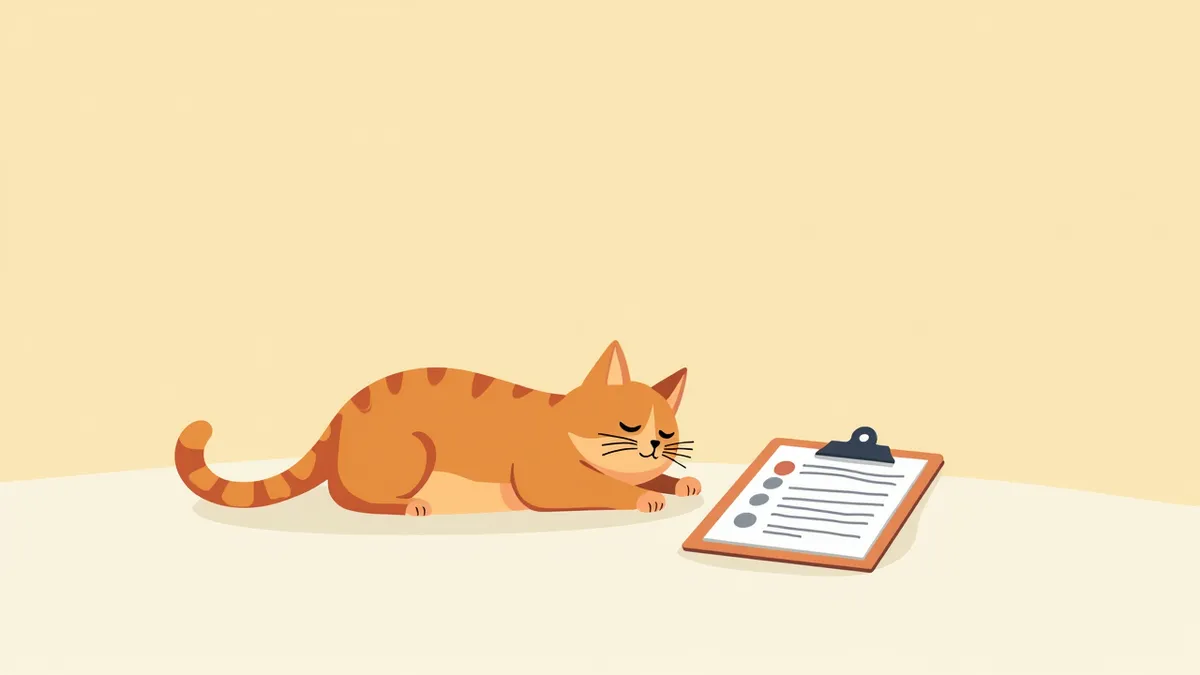
Medications should be given at the correct times and in the exact prescribed doses. Keep a weekly log of your pet’s weight and food intake to track any changes. - Regular check-ups: Have blood tests every 3 to 6 months to monitor hormone levels. - Environmental management: Maintain a quiet, stable environment to minimize stress. - Heart condition monitoring: Seek immediate veterinary care if you notice a rapid heartbeat or difficulty breathing. - Watch for behavioral changes: Sudden shock, collapse, or lethargy are emergency warning signs. Consistent care is key to successful treatment.
An image of a cat eating its food, with a daily record calendar next to it.

Points to Note

If your pet experiences fatigue, loss of appetite, or vomiting while taking medication, consult your veterinarian immediately. After radioactive iodine therapy, limit contact with caregivers for a specified period. Be attentive to any changes in your cat’s behavior.

Reviewed by a veterinarian

Dr. Tony — Punnawat Phongkittirak

Dr. Tony — Punnawat Phongkittirak

Veterinarian

A veterinarian who majored in veterinary medicine at Khon Kaen University, Thailand, and completed the IVSA program at North Carolina State University in the United States. Drawing on clinical experience at animal hospitals, he works in the pet healthcare field and is dedicated to building a digital care environment that connects pet parents with veterinarians.

Frequently Asked Questions

Is feline hyperthyroidism hereditary?
There is no evidence that certain breeds are more prone to this condition; in fact, purebred cats such as Siamese and Himalayans tend to have a lower risk. It is known to be associated with factors such as middle to advanced age, indoor living, and consumption of canned food, although the underlying cause remains unclear.
Can it be cured with medication?
Medications can help manage symptoms, but a complete cure is often difficult. Lifelong treatment may be necessary. Radioactive iodine therapy has shown higher cure rates.
Can it be treated with diet alone?
An iodine-deficient diet can be effective, but it must be carried out under the strict supervision of a veterinarian. No other foods should be given.
Can the condition recur after treatment?
Although the likelihood of recurrence is low, regular check-ups are essential, especially after medication. If the condition does recur, treatment will need to be restarted.
Can cats remain healthy while undergoing treatment?
Yes, with proper treatment and care, most cats can maintain a normal life. Regular check-ups and medication management are key.

Share

Related Guides

References

[1] Peterson ME, Kintzer PP, Hurvitz AI. Methimazole treatment of 262 cats with hyperthyroidism. J Vet Intern Med. 1988;2:150.

[2] Fox P, Peterson M, Broussard J. Electrocardiographic and radiographic changes in cats with hyperthyroidism: comparison of populations evaluated during 1992-1993 vs. 1979-1982. J Am Anim Hosp Assoc. 1998;35:27.

[3] Textbook of Cardiovascular Medicine in Dogs and Cats. Feline Hyperthyroidism section. 2nd Edition.

This information is based on veterinary literature and does not replace diagnosis or treatment. Please consult a veterinarian for specific health concerns.

Metapet Co., Ltd. | CEO: Park Sung-yong | Business Reg. No. 417-88-02562 | Seoul, South Korea | Customer Center

Is Your Cat Always Losing Weight? Hyperthyroidism Q&A | Meongsiljang