Like
Share
멍실장
강아지 수중 재활, 수영과 언더워터 트레드밀 차이와 효과

What is Canine Aquatic Rehabilitation? — Effects of Swimming vs. Underwater Treadmill and When to Use Them

JointQ&AMeongsiljang Veterinary Advisory Board

We’ve put together an easy-to-understand guide for pet owners on the differences between swimming and underwater treadmill therapy, their indications, benefits, and precautions.

What is Canine Aquatic Rehabilitation?
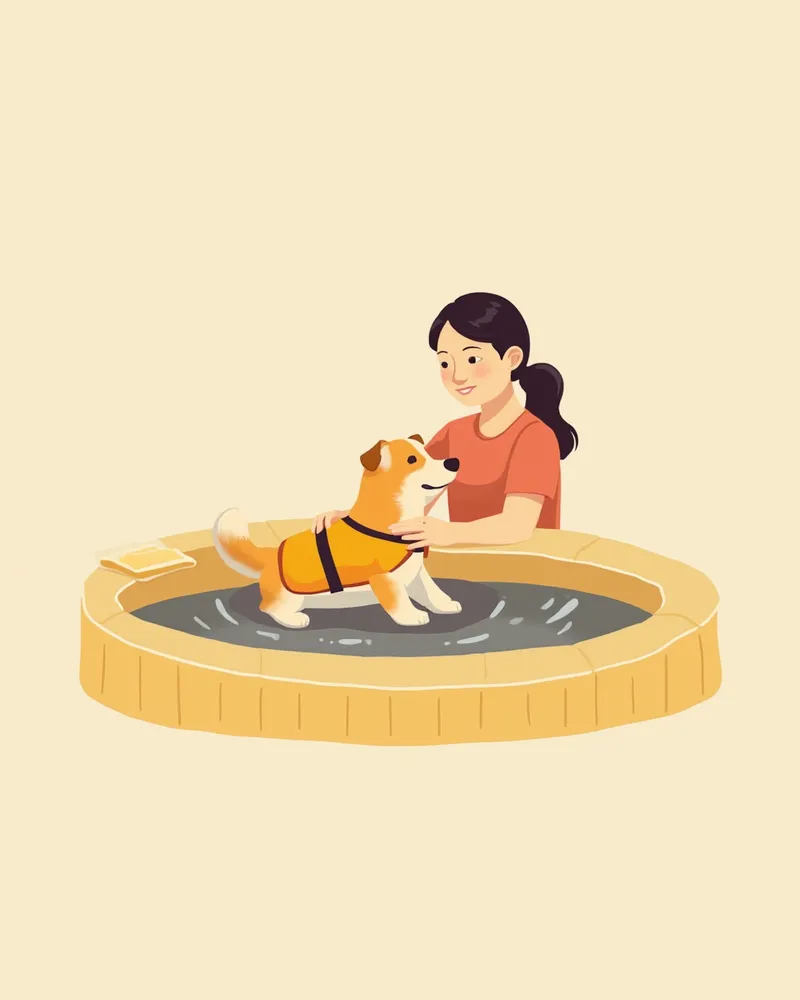
A dog swimming in a rehabilitation pool with a therapist
Canine aquatic rehabilitation is a form of physical therapy that leverages the buoyancy and resistance of water to reduce joint stress while strengthening muscles. The key benefit is that it allows dogs to regain muscle strength with significantly less impact on the joints compared to land-based exercises, making it especially valuable for recovery from arthritis, patellar luxation, and cruciate ligament surgery. Veterinary textbooks highlight swimming as an ideal exercise for osteoarthritis patients because it imposes almost no direct impact on the joints. The buoyancy of water supports the body, reducing the load on the joints, which helps minimize pain while increasing range of motion. This therapy is primarily divided into two methods: swimming and underwater treadmill training.

Why is Exercise in Water Effective?

Water is much denser than air, so moving through it creates significantly more resistance than moving on land. According to veterinary surgical textbooks, this higher density requires greater effort, which in turn strengthens muscle power. In other words, even a small number of movements in water can provide strong stimulation to the muscles. At the same time, buoyancy reduces the load placed on the joints. This means you can protect painful joints while focusing on building muscle. Additionally, the thermal effect of warm water can help promote blood circulation and alleviate pain and swelling.

Swimming vs. Underwater Treadmill Comparison

ItemSwimming (Pool)Underwater Treadmill
Weight BearingAlmost none (no direct joint impact)Adjustable by water level (partial bearing)
Joint FlexionGreatly increasedNatural gait
Joint ExtensionLess effectiveHighly effective
Gait CorrectionDifficultPossible
Recommended Immediately Post-SurgeryLimitedRecommended
Arthritis RecommendationHighVery high
Dogs Afraid of WaterHigh burdenCan start from a low water level

For early post-surgical recovery, an underwater treadmill with adjustable water level is more advantageous.

Which Dogs Need It?

Aquatic rehabilitation is especially beneficial in the following situations: - Recovery after cruciate ligament surgery: Essential for restoring joint stability. - Post-patellar luxation surgery: Rebuilding thigh muscles. - Arthritis and hip dysplasia: Maintaining mobility without pain. - Joint stress due to obesity: Assisting with weight loss. - Recovery from neurological conditions: Relearning how to walk. - Muscle maintenance in senior dogs: Preventing age-related muscle loss. Your veterinarian will diagnose your pet and create a tailored rehabilitation plan.
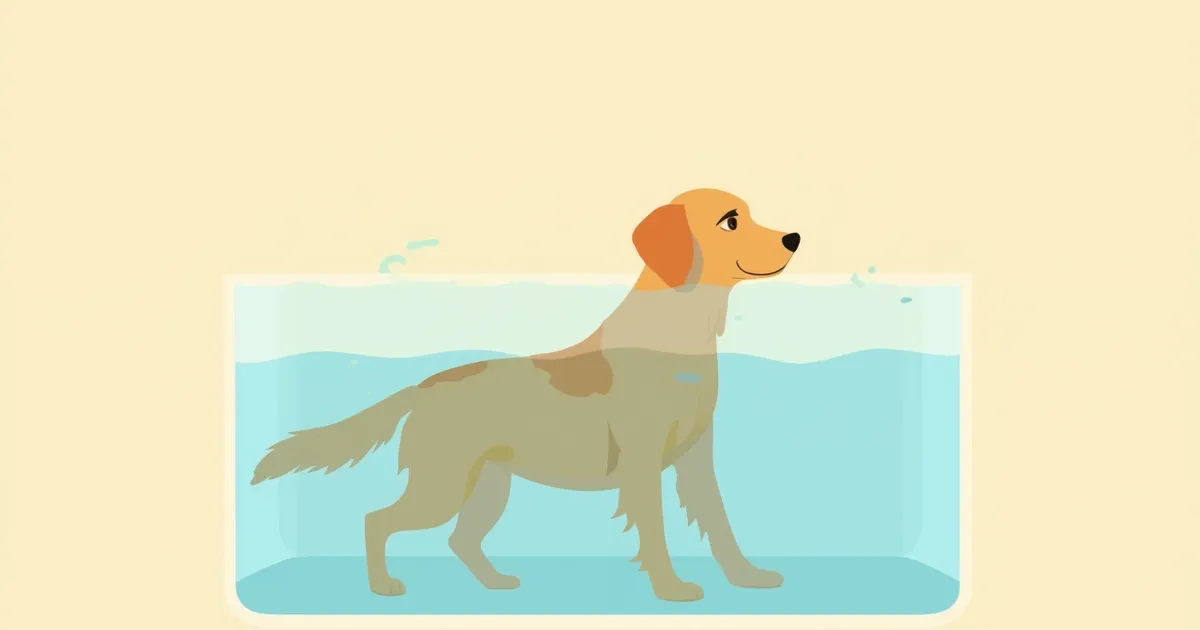
A senior dog undergoing rehabilitation on an underwater treadmill

Points to Check Before Aquatic Rehabilitation

You should avoid underwater rehabilitation or consult your veterinarian in the following situations: if surgical incisions have not yet healed (typically within 14 days), if there is a skin infection or otitis externa, if your pet has an infectious disease such as diarrhea or a urinary tract infection, if they have severe heart or respiratory disease, or if they have a history of seizures, as being in water can be dangerous. Additionally, brachycephalic breeds with short muzzles, such as Bulldogs and Pugs, are at risk of breathing difficulties while swimming, so an underwater treadmill is a safer option.

How Long and How Often Per Session?
Based on veterinary rehabilitation guidelines, start with 10–20 repetitions of the exercise, 3–4 times per day, progressing only as long as your dog doesn’t show signs of fatigue. Typical sessions last 10–20 minutes, 2–3 times per week. In the early post-operative phase, begin with short sessions of about 5 minutes, and gradually increase the duration, intensity, and pace as recovery progresses, guided by your therapist. The most important factor is monitoring your dog for pain signals. If your dog lifts a leg or resists, stop the exercise immediately.
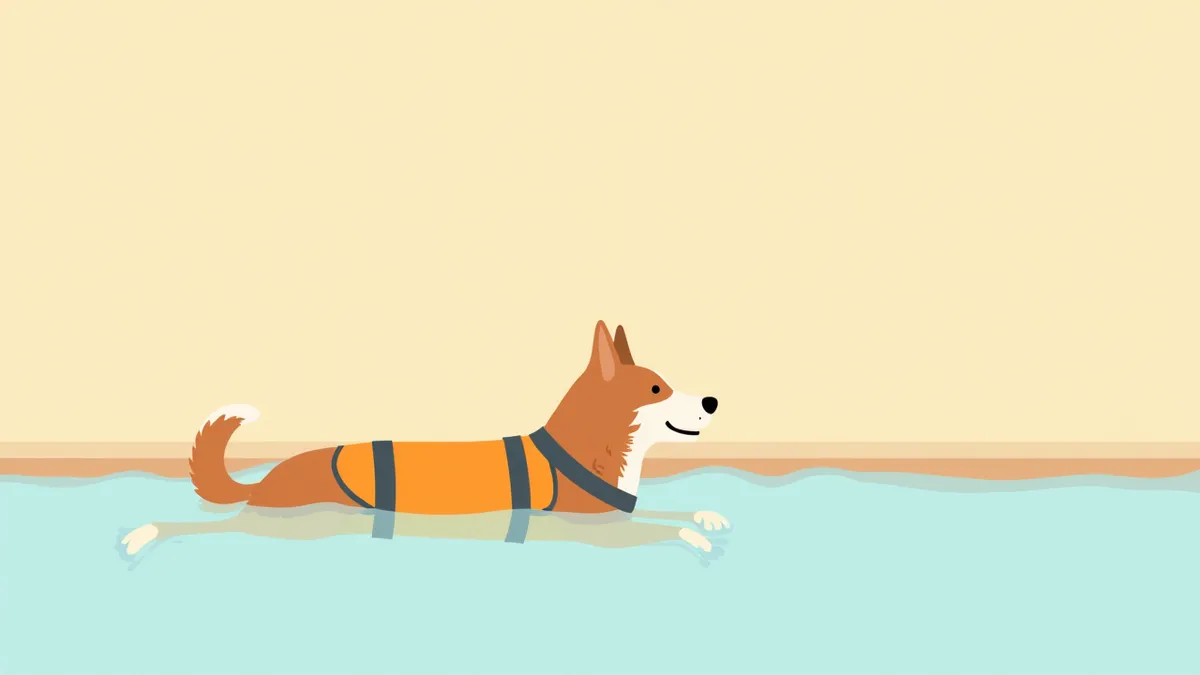
A small dog undergoing aquatic rehabilitation while wearing a life jacket.

Can It Be Done at Home?

We do not recommend self-rehabilitation in home bathtubs or small pools. It is difficult to properly control water temperature and depth, respond to emergencies, and incorrect posture can actually cause joint damage. Rehabilitation must be conducted at a veterinary rehabilitation specialty clinic or a certified rehabilitation center. However, you can perform supplementary rehabilitation exercises at home, such as slow walking, gentle sit-to-stand movements, and balance training on cushions, following your veterinarian's instructions.

Visit the Vet Immediately If These Symptoms Appear After a Session

If you notice any of the following signs after aquatic rehabilitation, stop the sessions immediately and visit your veterinarian: a noticeable worsening of limping on the day of the session or the following day, swelling or warmth in the leg, increased discharge from the surgical site, coughing or difficulty breathing (which may indicate aspiration pneumonia), or a loss of appetite lasting more than 24 hours. In particular, if your pet appears to have swallowed water and continues to cough, suspect aspiration pneumonia.

Reviewed by a veterinarian

Dr. Tony — Punnawat Phongkittirak

Dr. Tony — Punnawat Phongkittirak

Veterinarian

A veterinarian who majored in veterinary medicine at Khon Kaen University, Thailand, and completed the IVSA program at North Carolina State University in the United States. Drawing on clinical experience at animal hospitals, he works in the pet healthcare field and is dedicated to building a digital care environment that connects pet parents with veterinarians.

Frequently Asked Questions

Is it possible for dogs who dislike swimming?
For dogs that refuse to swim altogether, an underwater treadmill is a great alternative. Starting with low water levels and gradually increasing them minimizes psychological stress, while the ability to stand on the ground provides a sense of stability.
When can we start after surgery?
Generally, it’s possible once the surgical incision has fully healed (about 10–14 days). Your veterinarian will assess the wound and recovery progress to determine the appropriate start time.
When will I start seeing results?
While results vary from dog to dog, consistent application—typically two to three times per week—usually yields noticeable improvements in muscle strength and gait within four to six weeks. Many owners begin to feel relief from arthritis pain as early as two to three weeks into treatment.
How much does it cost?
Costs vary significantly between clinics, so it’s best to contact the rehabilitation center you plan to visit for an exact quote. Fees are typically charged per session, though some clinics offer discounted packages for long-term treatment plans.
My pet is afraid of water. Does it need training?
Yes, the first one or two sessions are for acclimation training. The therapist will start by having your pet dip just its paws in the water and then gradually guide it to enter slowly. There’s no forcing, so please don’t worry.

Share

Related Guides

References

[1] Textbook of Veterinary Orthopaedic Surgery - Hydrotherapy and Aquatic Exercise

[2] Small Animal Critical Care Medicine, 3rd Ed - Rehabilitation Therapy

[3] Millis DL, Levine D, Canine Rehabilitation and Physical Therapy, 2nd Ed

This information is based on veterinary literature and does not replace diagnosis or treatment. Please consult a veterinarian for specific health concerns.

Metapet Co., Ltd. | CEO: Park Sung-yong | Business Reg. No. 417-88-02562 | Seoul, South Korea | Customer Center

Canine Aquatic Rehab: Swimming vs. Underwater Treadmill | Meongsiljang