Like
Share
멍실장
강아지 문맥전신단락(PSS) 자주 묻는 질문 Q&A — 보호자가 꼭 알아야 할 핵심

Is My Dog Always Lethargic? — Symptoms and Causes of Portosystemic Shunt (PSS) Q&A

Liver HealthQ&AMeongsiljang Veterinary Advisory Board

Portosystemic shunt (PSS) in dogs is a congenital condition that impairs liver function and can lead to behavioral abnormalities and neurological symptoms. Here’s a summary of the key information every pet owner should know.

What Is Portosystemic Shunt (PSS) in Dogs?
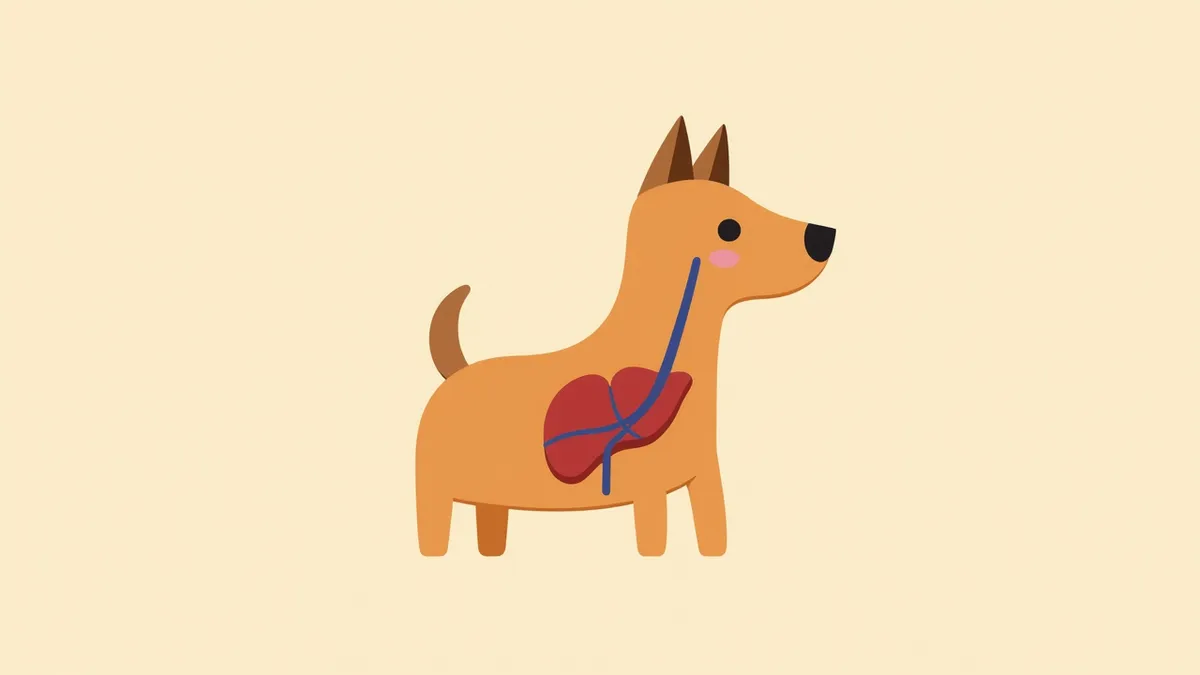
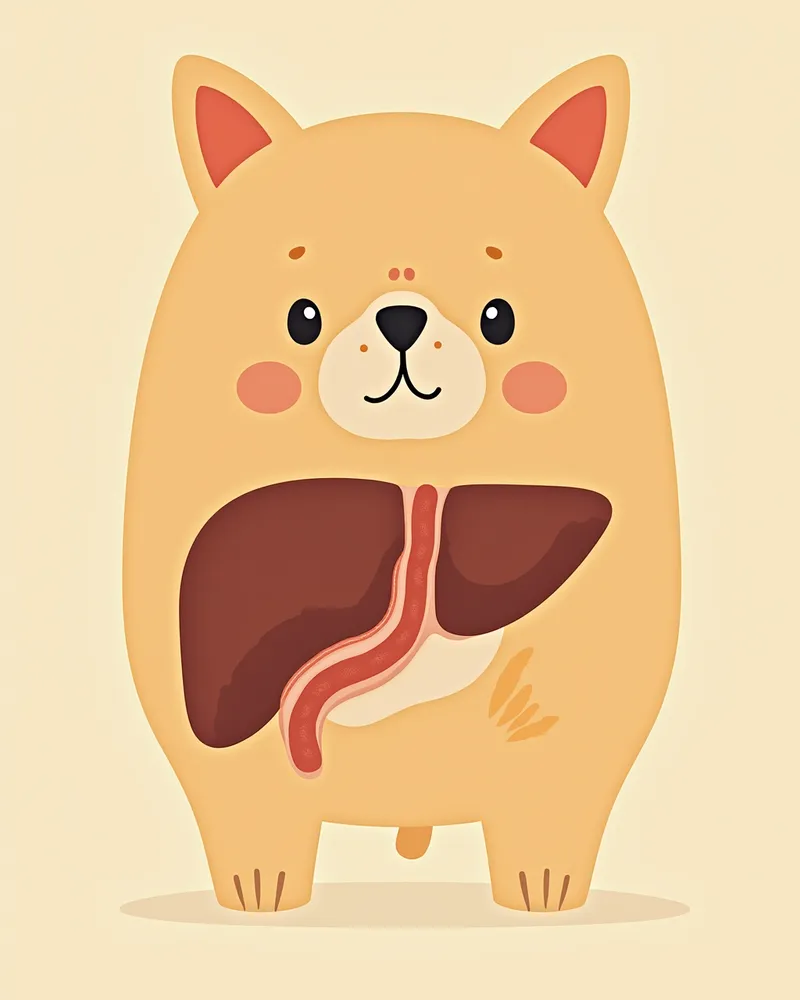
Diagram of the abnormal vascular structure in canine portosystemic shunt (PSS)
Portosystemic shunt (PSS) in dogs is a congenital vascular abnormality in which portal blood that should flow to the liver bypasses it and enters the systemic circulation directly. - Core cause of PSS: Abnormal development of the portal circulation vessels during fetal growth results in blood bypassing the liver and flowing directly into the systemic circulation. - Impaired liver function: Because the liver cannot adequately remove toxins, harmful substances such as ammonia from the gastrointestinal tract circulate throughout the body and affect the brain, potentially causing neurological abnormalities like hepatic encephalopathy. - Commonly affected breeds: Extrahepatic shunts are particularly common in small-breed dogs, with cases reported in Lhasa Apsos, Shih Tzus, Miniature Schnauzers, Pugs, Yorkshire Terriers, Maltese, and Toy Poodles. - Variety of symptoms: Dogs may exhibit a wide range of signs affecting the nervous, digestive, and urinary systems, including growth retardation, behavioral changes, seizures, and decreased consciousness. - Importance of early detection: Because symptoms can be subtle and intermittent, early diagnosis and appropriate treatment are key to improving prognosis and quality of life.

Main Causes and Pathogenesis of PSS

Portosystemic shunts (PSS) are caused by a congenital failure of the portal circulation vessels to develop properly. - Genetic factors: Congenital portosystemic shunts tend to be heritable, and are believed to result from complex (polygenic) predispositions rather than a single causative gene. - Abnormal blood flow pathways: Portal blood that should normally flow to the liver takes an abnormal route, bypassing the liver and entering the systemic circulation directly. - Toxin accumulation: Because the liver cannot adequately filter the blood, harmful substances such as ammonia from the gastrointestinal tract circulate throughout the body and affect the brain, leading to neurological dysfunction. - Neurological symptoms: Hepatic encephalopathy can cause collapse, seizures, decreased consciousness, and behavioral changes, with neurological signs often becoming more pronounced after meals. - Need for early diagnosis: Because symptoms can be subtle and intermittent, regular check-ups are essential for early detection.
Abnormalities in the internal blood vessels of the liver in dogs with PSS

Common Clinical Signs of PSS

Portosystemic shunt (PSS) in dogs can present with a variety of symptoms, so it’s important for pet owners to observe their dogs closely.
Growth retardation: Weight gain may be slower than normal, and overall development can be delayed.
Neurological abnormalities: Symptoms may include wobbliness in the hind legs, sudden collapse, staring spells, or seizures, which may become more noticeable after meals.
Behavioral changes: Signs can include decreased concentration, apathy, or sudden aggression.
Gastrointestinal symptoms: Vomiting after eating or loss of appetite may occur, along with other digestive issues.
Urinary symptoms: Problems related to urination, such as uric acid ammonium stones, may also develop.
If these symptoms persist, immediate veterinary care is necessary.
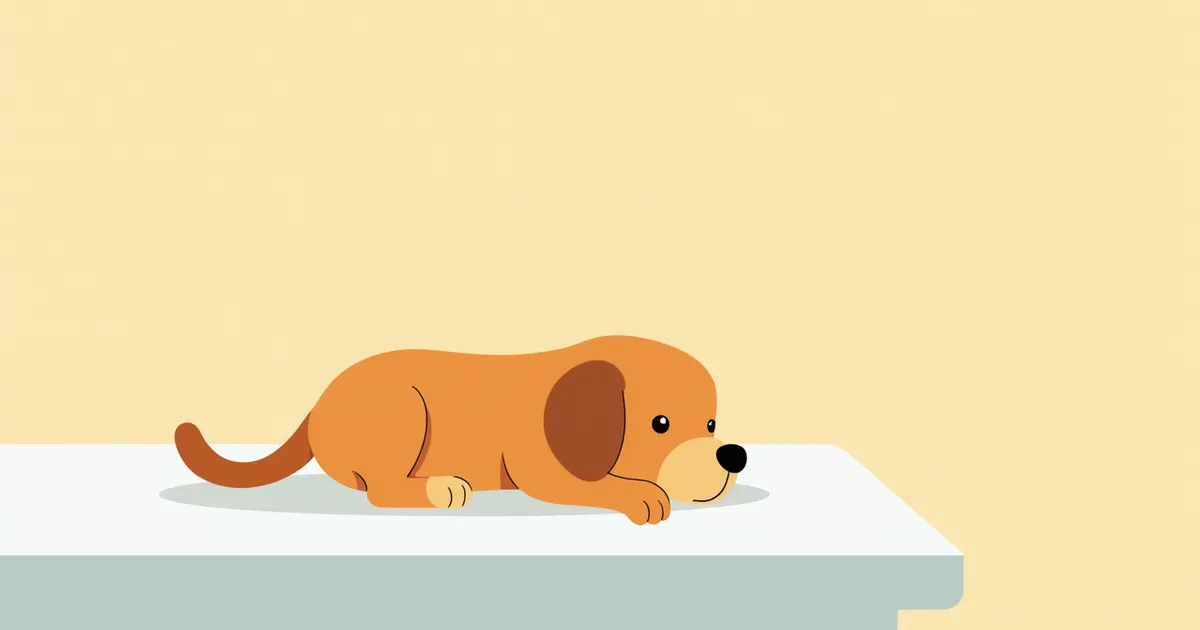
Puppy showing neurological symptoms due to PSS

Signs Requiring Immediate Veterinary Attention

If your dog suddenly collapses, has seizures, or loses consciousness, you should take them to the vet immediately. This is an emergency situation where toxins have accumulated in the brain, so it's crucial to seek veterinary care without delay.

Diagnostic Methods and Procedures for PSS
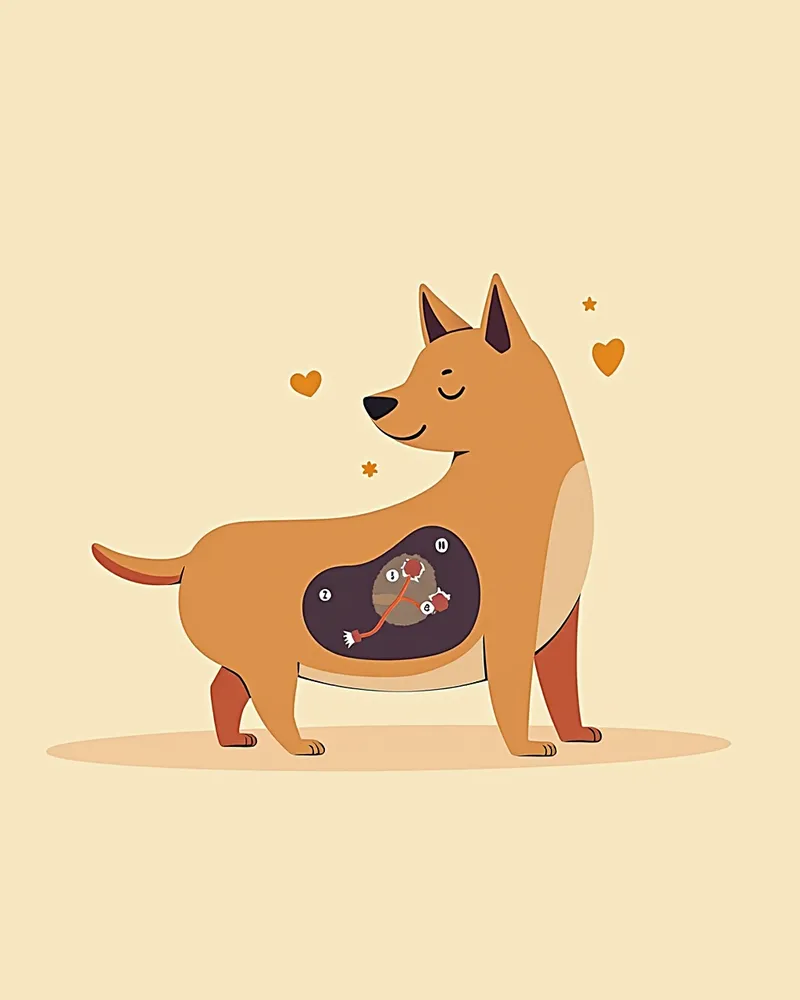
Portosystemic shunt (PSS) is accurately diagnosed through a combination of tests. - Blood tests: Ammonia levels may be elevated, and liver function tests may reveal abnormalities. - Ultrasound: This allows direct visualization of abnormal blood flow in the portal vein. - Advanced imaging: CT or MRI scans help pinpoint the exact location and structure of the abnormal blood vessels. - Confirming the diagnosis: A definitive PSS diagnosis is made by integrating results from multiple tests, and a thorough preoperative assessment is essential. - Importance of early diagnosis: Detecting PSS early, even before symptoms appear, significantly improves treatment outcomes.
Ultrasound examination scene for PSS diagnosis

Treatment Options and Step-by-Step Management for PSS
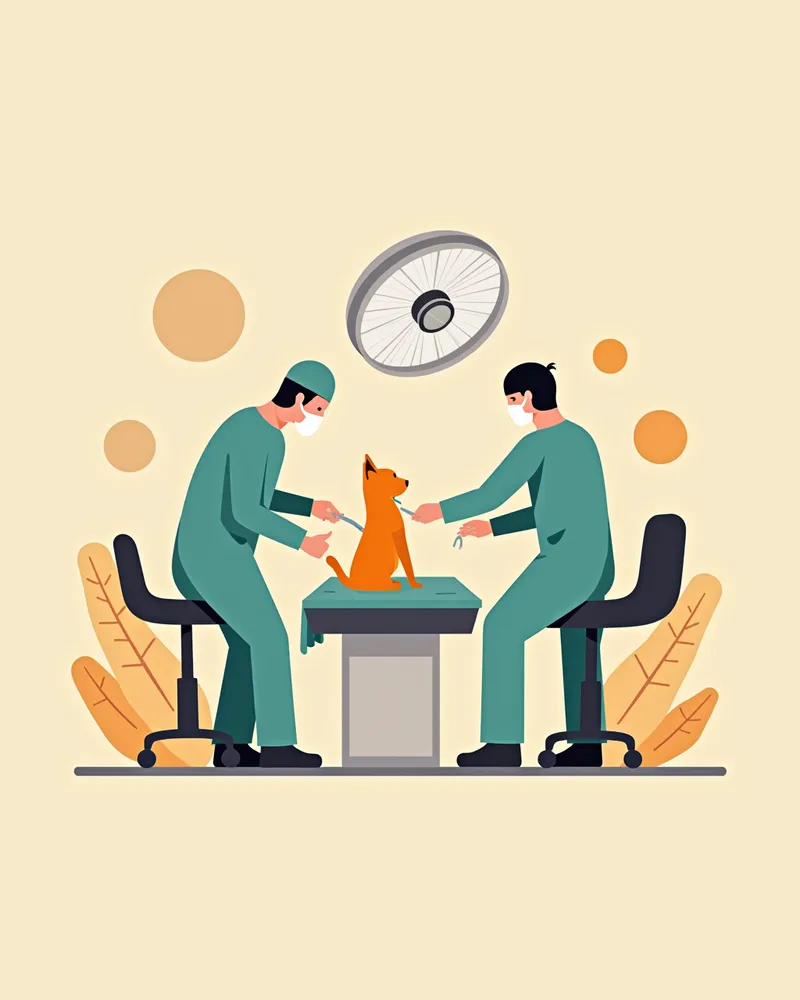
Surgical correction is considered the most effective treatment for portosystemic shunts (PSS). - Surgical treatment: The abnormal blood vessel is gradually blocked or narrowed to redirect blood flow through the liver, aiding in the recovery of liver function. - Pre-operative preparation: Before surgery, ammonia and toxin levels are reduced and the patient’s condition is stabilized using lactulose, antibiotics, a protein-controlled diet, and fluid therapy. - Post-operative care: After surgery, careful monitoring and consistent management are essential to watch for complications such as bleeding, hypoglycemia, seizures, and portal hypertension. - Dietary management: Rather than excessively restricting protein, it should be adjusted to an appropriate level, and a prescription diet for liver disease should be used to reduce the burden on the brain. - Regular check-ups: Liver function and ammonia levels must be continuously monitored even after surgery. - Treatment prognosis: With early and appropriate treatment, many dogs achieve stable conditions, though the course and prognosis can vary from individual to individual.
The veterinary team prepares for the PSS surgery.

Home Care and Precautions

Consistent care remains essential even after surgery. - Adhere to the prescribed diet: Follow the liver-specific prescription diet recommended by your veterinarian, but be careful not to restrict protein excessively. - Choose the right protein sources: Plant-based and dairy proteins, such as tofu or cottage cheese, are generally better tolerated than red meat, fish, or organ meats. Dietary fiber can also be beneficial. - Minimize stress: Avoid sudden environmental changes and excessive exercise; maintaining a stable daily routine is key. - Regular walks and rest: Avoid overexertion while maintaining a balance of appropriate rest and gentle walks. - Routine check-ups: Regularly monitor liver function and ammonia levels to assess your pet’s condition. - The owner’s role: Quickly noticing any changes in symptoms and maintaining open communication with your veterinarian will help ensure stable, effective management.
Special dietary therapy for managing PSS

Comparison of PSS Treatment Options: Surgery vs. Medical Management

ItemSurgical TreatmentMedical Treatment
EffectivenessHigh (possibility of complete cure)Moderate (focused on symptom relief)
CostHigh (includes surgical fees)Low (mainly medication costs)
Risk of Side EffectsPossibility of post-surgical complicationsLiver burden with long-term use
Suitable TimingOver 6 months of age, when in good healthAdjunctive treatment when surgery is not possible

Surgery is the most effective treatment, but whether it is possible depends on the individual's health condition.

Reviewed by a veterinarian

Dr. Tony — Punnawat Phongkittirak

Dr. Tony — Punnawat Phongkittirak

Veterinarian

A veterinarian who majored in veterinary medicine at Khon Kaen University, Thailand, and completed the IVSA program at North Carolina State University in the United States. Drawing on clinical experience at animal hospitals, he works in the pet healthcare field and is dedicated to building a digital care environment that connects pet parents with veterinarians.

Frequently Asked Questions

Is PSS genetic?
Yes, congenital portosystemic shunts (PSS) have a genetic predisposition and are frequently reported in small and toy breeds. However, since it is a complex, multifactorial condition with no single causative gene identified, it is currently difficult to predict through established single-gene testing.
Does PSS worsen with age?
Portosystemic shunts (PSS) are congenital vascular abnormalities. In older dogs, however, studies have shown a higher risk of neurological complications after surgery, so it is advantageous to diagnose and treat the condition as early as possible.
How long does the recovery period after surgery take?
Recovery time varies depending on the individual pet and the surgical method used. After surgery, your pet should rest adequately as directed by the veterinarian, and then gradually increase their activity level.
Can dogs with PSS go for walks?
To minimize stress before and after surgery, only short, quiet walks are allowed. Activity levels should be adjusted according to your veterinarian's instructions.
Can PSS be cured?
In many cases, surgically blocking or narrowing the abnormal blood vessels can improve symptoms and allow for recovery of liver function. However, there is a risk of complications such as bleeding, hypoglycemia, seizures, and portal hypertension, and regular check-ups and care are necessary even after surgery.

Share

Related Guides

References

[1] Fowler, L.B., C.M. Johannes, A. O’Connor, et al. 2020. Ecological level analysis of primary lung tumors in dogs and cats and environmental radon activity. J Vet Intern Med 34(6):2660–2670.

[2] Worley, D.R. 2014. Incorporation of sentinel lymph node mapping in dogs with mast cell tumours: 20 consecutive procedures. Vet Comp Oncol 12:215–226.

[3] Yoshida, K., T. Yanai, T. Iwasaki, et al. 1999. Clinicopathological study of canine oral epulides. J Vet Med Sci 61:897–902.

This information is based on veterinary literature and does not replace diagnosis or treatment. Please consult a veterinarian for specific health concerns.

Metapet Co., Ltd. | CEO: Park Sung-yong | Business Reg. No. 417-88-02562 | Seoul, South Korea | Customer Center

Is Your Dog Always Lethargic? Portosystemic Shunt (PSS) Q&A | Meongsiljang