Like
Share
멍실장
고양이 기관지확장증 자주 묻는 질문 Q&A — 보호자가 꼭 알아야 할 핵심

Feline Bronchiectasis FAQ — Key Information Every Pet Owner Should Know

RespiratoryQ&AMeongsiljang Veterinary Advisory Board

Feline bronchiectasis is a condition that causes chronic coughing and difficulty breathing, making early detection and management crucial. We’ve compiled the essential information every pet owner should know.

What is feline bronchiectasis?
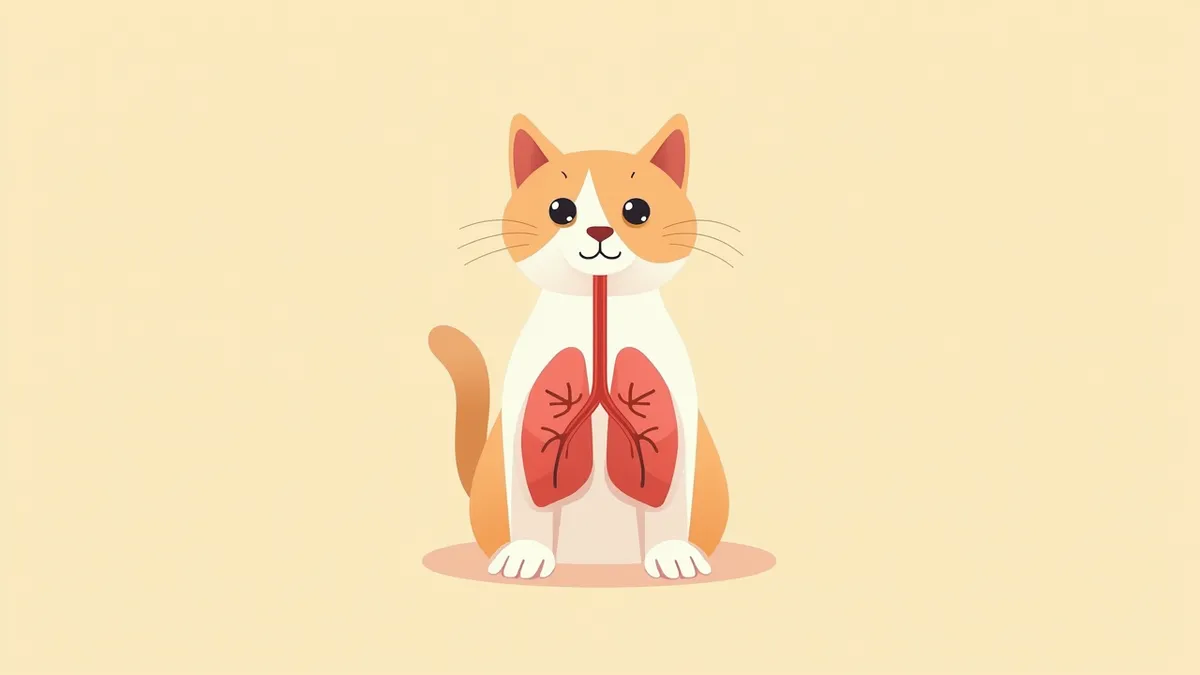
An anatomical illustration of a cat with bronchiectasis
Feline bronchiectasis is a chronic respiratory disease in which the airways become abnormally and permanently dilated and distorted due to the destruction of the elastic and muscular components of the bronchial walls. This structural change is often accompanied by the accumulation of thick airway secretions, which obstruct airflow and lead to recurrent coughing and difficulty breathing. Since it most commonly develops as a secondary condition following other underlying respiratory diseases, cats with pre-existing respiratory issues are at higher risk. - Destruction of the bronchial walls: Damage to the elastic and muscular components of the bronchial walls results in permanent dilation and distortion, making the airways hypersensitive to external irritants. - Accumulation of secretions: Thick airway secretions build up and block the airways, worsening breathing difficulties and exacerbating symptoms. - Chronic inflammation and recurrent infections: The buildup of secretions creates an environment prone to bacterial infections, leading to cycles of inflammation and further airway damage. - Characteristics in cats: In cats, coughing is often mistaken for hairballs, and expiratory dyspnea (difficulty exhaling) is commonly observed.

Why does coughing persist?

The main reason coughing persists in bronchiectasis is that structural damage to the bronchial walls causes the airways to abnormally widen, making it difficult for the body to clear thick secretions on its own. As secretions accumulate in the airways and inflammation makes them hypersensitive to irritation, the cough reflex is repeatedly triggered. If a bacterial infection is added, it creates a vicious cycle that worsens the damage. In bronchiectasis, the cough is often wet or resembles dry heaving. - Impaired secretion clearance: Damaged airways cannot effectively expel thick secretions. - Persistent airway irritation: Inflamed bronchi react easily to external stimuli, frequently triggering the cough reflex. - Recurrent infections: Accumulated secretions make bacterial infections more likely, leading to repeated inflammation. - Increased airway hyperresponsiveness: Airway inflammation heightens sensitivity to irritants, resulting in more frequent coughing.
A cat coughing after exercise

What are the main symptoms?

The main symptoms of feline bronchiectasis include recurrent coughing, difficulty breathing, shortness of breath, and decreased activity levels. Expiratory dyspnea, where it is difficult to exhale, is common, and coughing may be mistaken for hairball vomiting. Severe, repeated coughing can lead to vomiting, and in rare cases, complications such as pneumothorax or pneumomediastinum may occur. - Persistent coughing: Often presents as a wet, hacking cough or dry heaving. - Difficulty breathing: Rapid breathing or visible difficulty exhaling may be observed. - Decreased activity: The cat tires more easily than usual and shows less interest in play. - Vomiting after coughing: Severe coughing can irritate the stomach, leading to vomiting. - Complications of severe coughing: Repeated, intense coughing can rarely cause pneumothorax (air leaking into the chest cavity) or pneumomediastinum.
A vivid capture of the moment a cat coughs

Characteristics of cough types and how to manage them

ItemCharacteristicsManagement
Persistent coughLow cough frequency but lasting all day; a hospital visit is needed if the cough worsensRegular recordkeeping is needed to track changes in the cough pattern and identify the cause
Post-exercise coughSudden coughing after a walk or playIt is important to reduce stress before and after exercise and to adjust the exercise intensity
Post-meal coughCoughing during or after eatingTry adjusting the eating speed and controlling it with small, frequent meals
Nighttime coughCoughing mainly worsens at nightKeeping a cough log at the bedside to identify the symptom pattern is helpful

Accurately identifying the type of cough changes the direction of treatment.

How is it diagnosed?
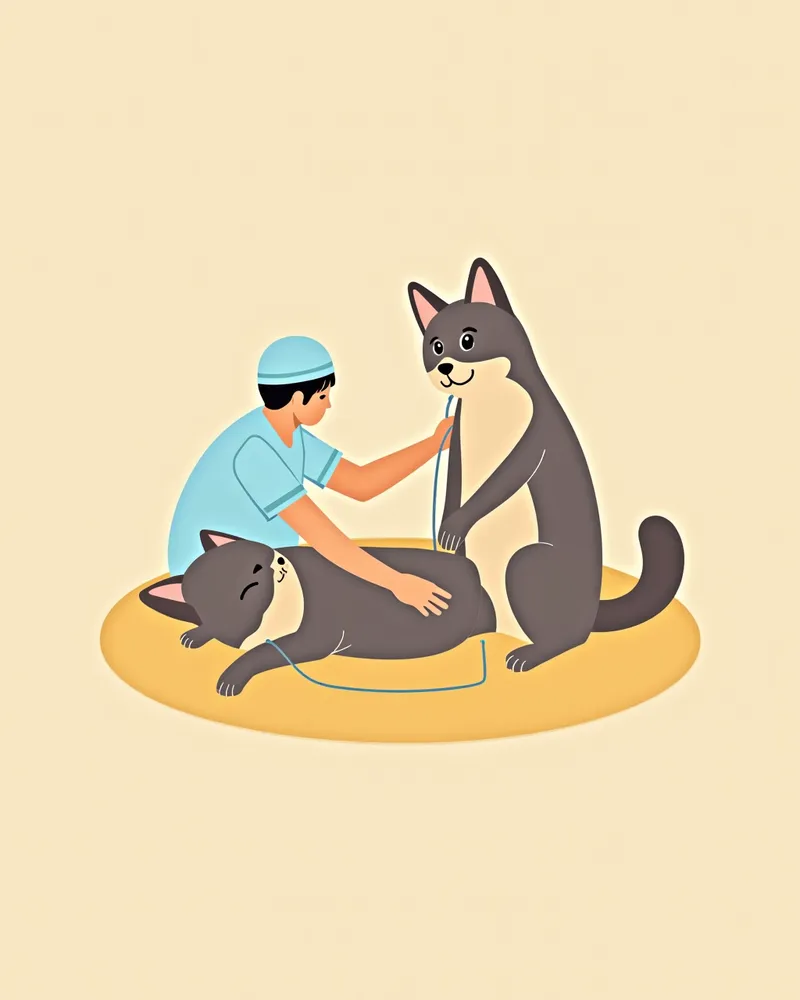
Feline bronchiectasis is diagnosed using chest X-rays, bronchoscopy, and CT scans. While chest X-rays can reveal bronchial dilation and mucus accumulation, their diagnostic precision is limited. - Bronchoscopy: This method offers high accuracy by allowing direct visualization of the interior of the airways. - CT Scans: These provide detailed images of airway structures, enabling precise assessment of the extent of dilation. - Blood Tests: These help evaluate inflammatory markers and detect infections, providing supplementary information to support the diagnosis. - Cough Records: Detailed logs from pet owners regarding cough frequency, timing, and potential triggers serve as valuable reference data for diagnosis.
A veterinarian performing a bronchoscopic examination on a cat

What are the treatment methods?

Bronchiectasis is an irreversible condition, so the goal of treatment is to manage clinical symptoms and slow disease progression rather than achieve a cure. The cornerstone of therapy involves bronchodilators, anti-inflammatory medications (primarily glucocorticoids), and antibiotics when bacterial infection is present. However, bronchiectasis in cats is a chronic condition that can be more difficult to manage than other airway diseases. - Consistency in medication: Because it is a chronic condition, consistent administration is necessary to maintain therapeutic effects. - Infection management: Recurrent bacterial infections should be treated with antibiotics based on culture and sensitivity testing whenever possible, to break the cycle of worsening damage. - Environmental control: It is important to reduce stress, use air purifiers, and avoid exposure to cigarette smoke. - Eliminating cough triggers: Minimize exposure to irritants such as dust, perfumes, and chemical substances. - Regular check-ups: Ongoing communication with your veterinarian is essential for adjusting medications and monitoring your pet’s condition.
A cat taking its medication

Signs that require immediate veterinary care

If your pet’s cough suddenly worsens, they begin panting, their mouth turns blue, they repeatedly vomit from coughing, or their consciousness becomes clouded, seek veterinary care immediately. These symptoms may indicate an acute respiratory exacerbation or insufficient oxygen supply. Cats, in particular, can quickly develop respiratory distress when weakened, making early veterinary evaluation essential.

Daily care tips

Daily care is the cornerstone of managing feline bronchiectasis. Key measures include using air purifiers, avoiding tobacco smoke, preventing excessive exercise, and creating a low-stress environment. - Air quality management: Purify indoor air to minimize airway irritation. - Stress reduction: Since stress can worsen coughing in cats, a calm and stable environment is essential. - Exercise moderation: Avoid strenuous activity, as it increases respiratory burden. - Dietary adjustments: If coughing intensifies after meals, try feeding smaller, more frequent portions. - Regular check-ups: Routine veterinary visits are necessary to promptly monitor changes in condition and adjust medication as needed.
A cat resting comfortably in a calm, stable environment.

Reviewed by a veterinarian

Dr. Tony — Punnawat Phongkittirak

Dr. Tony — Punnawat Phongkittirak

Veterinarian

A veterinarian who majored in veterinary medicine at Khon Kaen University, Thailand, and completed the IVSA program at North Carolina State University in the United States. Drawing on clinical experience at animal hospitals, he works in the pet healthcare field and is dedicated to building a digital care environment that connects pet parents with veterinarians.

Frequently Asked Questions

Is feline bronchiectasis treatable?
While a complete cure may be challenging, symptoms can be effectively managed and disease progression slowed through medication and environmental control. Daily care is key to treatment.
Should I give medication right away when my pet starts coughing?
If your pet’s coughing persists, consult your veterinarian before administering any medication. Self-prescribing is dangerous and should never be done.
What should I do at home if my pet starts coughing?
Using an air purifier, removing stressors, ensuring adequate hydration, and adjusting exercise levels can all be helpful. However, it’s essential to have the underlying cause accurately diagnosed at a veterinary clinic.
Can bronchiectasis be transmitted to other cats?
Since it is not an infectious disease, it will not spread to other cats. However, stress and environmental factors can be shared.
When should you take your cat to the vet if it’s coughing?
If your pet’s cough lasts for more than a week, or if they’re having trouble breathing or losing their appetite, it’s important to visit the vet right away. If the cough gets worse or is accompanied by difficulty breathing, seek veterinary care immediately.

Share

Related Guides

References

[1] Lynelle R. Johnson et al. (2023) Small Animal Critical Care Medicine, 3rd Edition. Elsevier.

[2] Canine and Feline Respiratory Medicine, 3rd Edition (2022). Wiley-Blackwell.

[3] Textbook of Respiratory Disease in Dogs and Cats (2021). Elsevier.

This information is based on veterinary literature and does not replace diagnosis or treatment. Please consult a veterinarian for specific health concerns.

Metapet Co., Ltd. | CEO: Park Sung-yong | Business Reg. No. 417-88-02562 | Seoul, South Korea | Customer Center

Feline Bronchiectasis FAQ: Symptoms to Management | Meongsiljang