
Like
Share
멍실장
강아지 고양이 약물 알러지 증상과 대처 방법

Drug Allergies in Dogs and Cats: Symptoms to Watch For and Emergency Response

ImmunityQ&AMeongsiljang Veterinary Advisory Board

Drug allergies in dogs and cats can manifest as skin, gastrointestinal, or respiratory symptoms anywhere from a few minutes to several days after administration. Here’s a summary of early warning signs and emergency response steps.

What Are Drug Allergies?
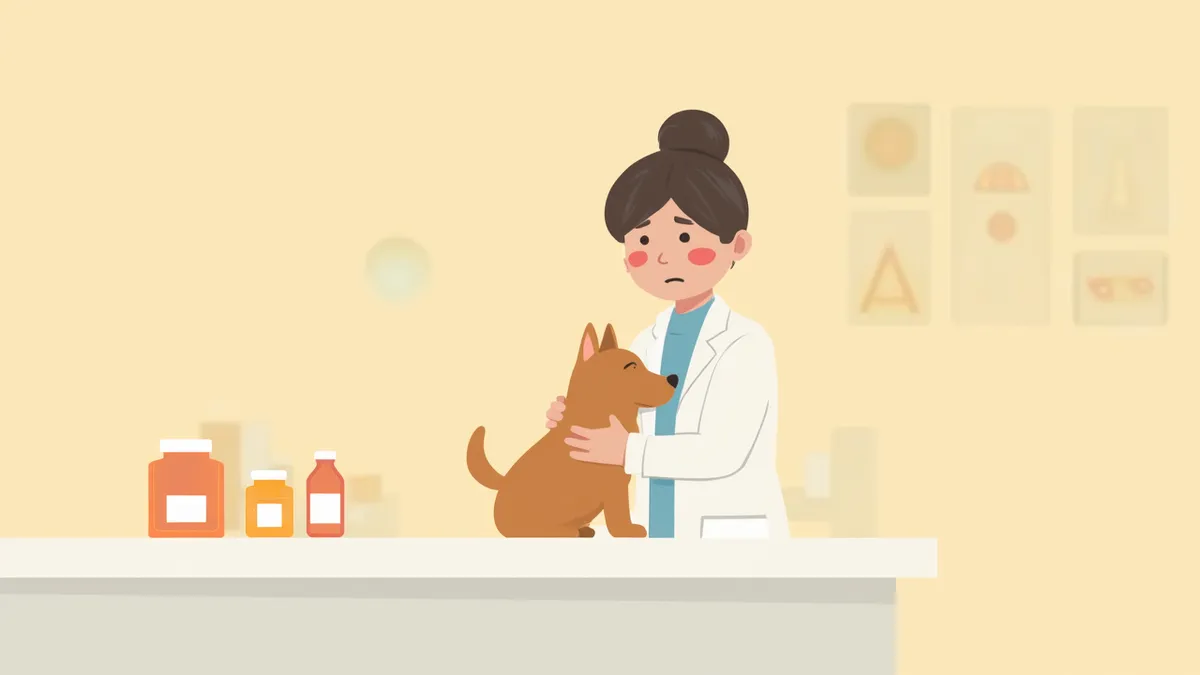
A worried pet parent holding their dog beside a medicine cabinet
Pet drug allergies occur when the immune system mistakenly identifies a medication’s active ingredient as a harmful substance, triggering hypersensitivity reactions in the skin, digestive tract, or respiratory system. Early recognition is key. If you notice signs such as facial swelling, hives, vomiting, or difficulty breathing within minutes to several days after administering the medication, seek veterinary care immediately. Reactions can become more severe with repeated exposure to the same drug, so it is important to record any adverse reaction, no matter how minor.

Why Do Drug Allergies Occur?

Drug allergies are not caused by the inherent toxicity of the ingredient, but rather by an immune hypersensitivity reaction. According to veterinary immunology textbooks, antibodies are produced upon first exposure, and symptoms typically appear starting from the second exposure. Almost any medication can be a trigger, including antibiotics (such as penicillins), nonsteroidal anti-inflammatory drugs (NSAIDs), vaccine components, anesthetics, and dewormers. Certain breeds may be more sensitive to specific drugs, and reactions can vary depending on the route of administration (injection, oral, or topical), even with the same medication.

Classification by Onset Time of Symptoms

Drug allergies are broadly categorized into two types based on how quickly symptoms appear. Check the table below to see which category your pet’s symptoms fall into.

Immediate vs. Delayed Allergic Reactions

ItemImmediate TypeDelayed Type
Onset TimingA few minutes to 1 hour after dosingSeveral hours to several days after dosing
Typical SymptomsFacial swelling, hives, difficulty breathing, shockItching, rash, vomiting, diarrhea, fever
Risk LevelVery high (emergency)Moderate (ongoing observation needed)
ResponseImmediate emergency roomStop medication and visit clinic same day

For both types, the rule is to notify your veterinarian immediately

Key Symptoms Not to Miss

Here are the key signs you can monitor at home:
Facial swelling: Noticeable puffiness around the muzzle and eyelids.
Hives: Red, raised bumps appearing on areas with shorter fur, such as the belly and armpits.
Itching: Sudden, intense scratching or licking after medication.
Vomiting or diarrhea: Unusual patterns, especially immediately following administration.
Difficulty breathing: Pale or bluish gums and tongue, accompanied by panting.
Lethargy or collapse: Sudden weakness, collapse, or delayed responsiveness.
A close-up of a dog’s face showing swelling around the muzzle.

Go to the Emergency Room Immediately If You See These Symptoms

If your pet’s gums or tongue appear pale or bluish, their breathing becomes rapid and labored, they suddenly collapse, or swelling in the face and neck progresses quickly, it may indicate anaphylactic shock. This is a life-threatening emergency that can escalate within minutes, so head immediately to the nearest 24-hour veterinary clinic. To help speed up emergency treatment, write down the name, dosage, and time of administration of any medications given, and bring this information with you.

How to Respond at Home

Even with mild symptoms, always seek a veterinarian’s assessment before attempting home treatment. 1. Stop medication immediately: Do not discard the remaining medication; keep it for reference. 2. Document symptoms with photos or video: When photographing swelling or rashes, include a common object for scale to help gauge size. 3. If oral medication was given, provide only water: Do not attempt to induce vomiting on your own. 4. Monitor body temperature and respiratory rate: Check for any changes compared to your pet’s normal baseline. 5. Contact your clinic: Provide the medication name, dosage, and time of administration. Never administer human allergy medications (antihistamines) without veterinary guidance. Incorrect dosages can be even more dangerous.
A pet owner taking photos of their dog’s skin condition with a smartphone

How Will the Vet Diagnose It?

The veterinarian will first correlate the medication history with the onset of symptoms and rule out other potential causes, such as infections, parasites, or food allergies. Intradermal skin tests and serum specific IgE tests are used to identify environmental allergens and plan immunotherapy after a definitive diagnosis of atopic dermatitis; they are not applicable for diagnosing drug allergies. According to veterinary dermatology textbooks, there are currently no tests that can reliably predict drug allergies in advance, making medication history and clinical signs the most critical basis for diagnosis. As a standard principle, any medication that has previously triggered a reaction should be documented in the medical record and avoided for the rest of the patient’s life.

Precautions by Breed and Situation

Certain breeds, such as Shetland Sheepdogs, Australian Shepherds, Doberman Pinschers, and Yorkshire Terriers, are more frequently reported to experience adverse skin reactions to medications. In particular, sulfonamide antibiotics (combined with trimethoprim), penicillins and cephalosporins, neomycin, and cyclosporine have been more commonly associated with adverse skin reactions. Because cats metabolize drugs differently than dogs, certain active ingredients can be toxic to them, so never administer human medications to your pet without veterinary guidance. If your pet has a history of allergies, be sure to inform the new veterinary clinic before any treatment begins.

Reviewed by a veterinarian

Dr. Tony — Punnawat Phongkittirak

Dr. Tony — Punnawat Phongkittirak

Veterinarian

A veterinarian who majored in veterinary medicine at Khon Kaen University, Thailand, and completed the IVSA program at North Carolina State University in the United States. Drawing on clinical experience at animal hospitals, he works in the pet healthcare field and is dedicated to building a digital care environment that connects pet parents with veterinarians.

Frequently Asked Questions

Since this is the first time your pet is taking this medication, could there be an allergic reaction?
Yes, it is possible. With delayed-type reactions, the first dose may only sensitize the body without causing symptoms, but some medications can trigger an immediate reaction by directly releasing inflammatory mediators even on first exposure. For injectable medications, it is safest to monitor the patient at the clinic for a period after the first dose.
If a medication has caused an allergic reaction before, can it never be used again?
In principle, it is safest to avoid it for life. However, in very rare situations where no alternative medication is available, a veterinarian may carefully assess the risks and determine an appropriate approach. Under no circumstances should this decision be made by the pet owner alone.
Can I give my pet an allergy medication meant for humans?
No, that’s not safe. Even if the active ingredient is the same, the appropriate dosage per body weight and the safety margin are completely different. Cats, in particular, have different metabolic pathways, so an ingredient that is safe for other animals can be toxic to them. Please only use medications prescribed by a veterinarian.
My pet’s face swelled after vaccination—should I avoid future vaccines?
Vaccines are often essential, so it’s safer to adjust management strategies rather than avoid them altogether. Since vaccines are antigens that can rarely trigger allergic reactions or anaphylaxis, if your pet has had a reaction in the past, proceed cautiously with methods agreed upon by your veterinarian, such as pre-treatment with antihistamines or extending the post-vaccination observation period at the clinic. Be sure to document any reaction history in your pet’s medical records.
Can symptoms that appear several days after administering medication still be a side effect of the drug?
Yes, delayed-type allergic reactions can manifest as skin rashes or changes in kidney function anywhere from five days to several weeks after administration. If your pet has started any new medications within the past two weeks, please be sure to share a complete list with us during the visit.

Share

Related Guides

References

[1] BSAVA Manual of Canine and Feline Dermatology, 4th Edition

[2] Veterinary Immunology, 11th Edition, Tizard IR

[3] Plumb's Veterinary Drug Handbook, 10th Edition

This information is based on veterinary literature and does not replace diagnosis or treatment. Please consult a veterinarian for specific health concerns.

Metapet Co., Ltd. | CEO: Park Sung-yong | Business Reg. No. 417-88-02562 | Seoul, South Korea | Customer Center

Drug Allergies in Dogs & Cats: Symptoms & Emergency Care | Meongsiljang