Like
Share
멍실장
약 먹이기 요령과 투약 보조 용품 총정리

Why Is Giving Medication to Dogs So Difficult? — Tips for Easily Administering Pills and Powders

ImmunityQ&AMeongsiljang Veterinary Advisory Board

Giving medication is one of the most challenging tasks for pet owners. We’ve compiled practical tips for different situations, such as using pill pockets, pill dispensers, and treat-wrapping techniques, along with guidance on how to use these helpful tools.

What Is Medication Administration? Core Tips
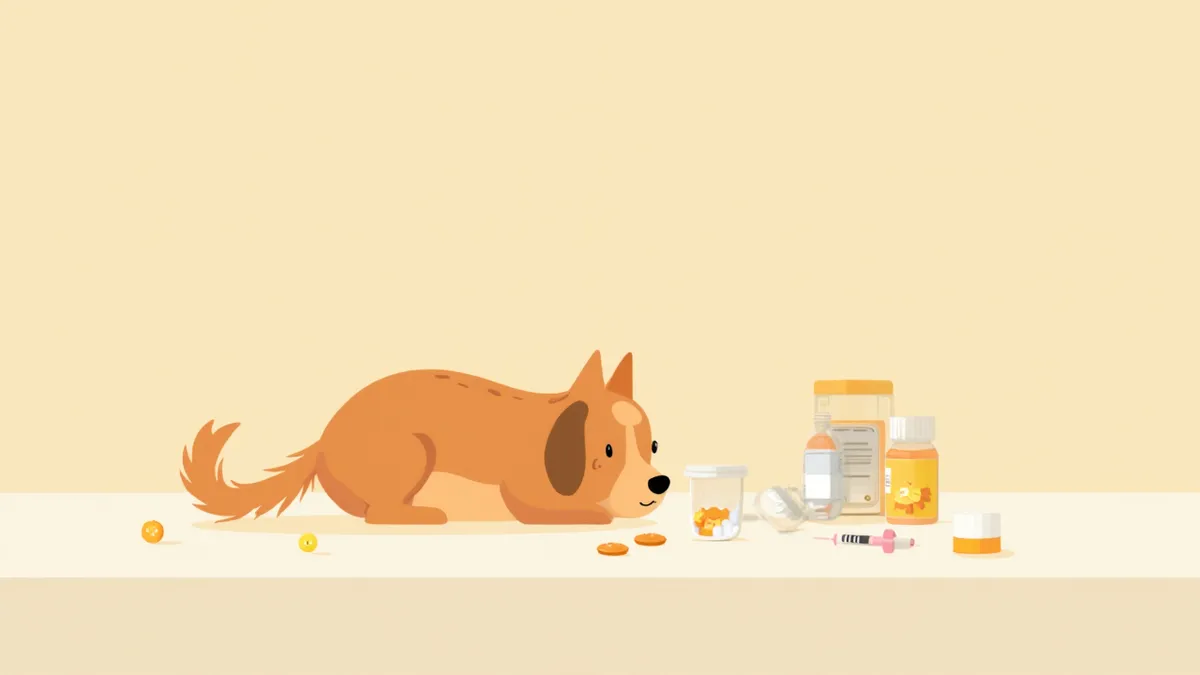
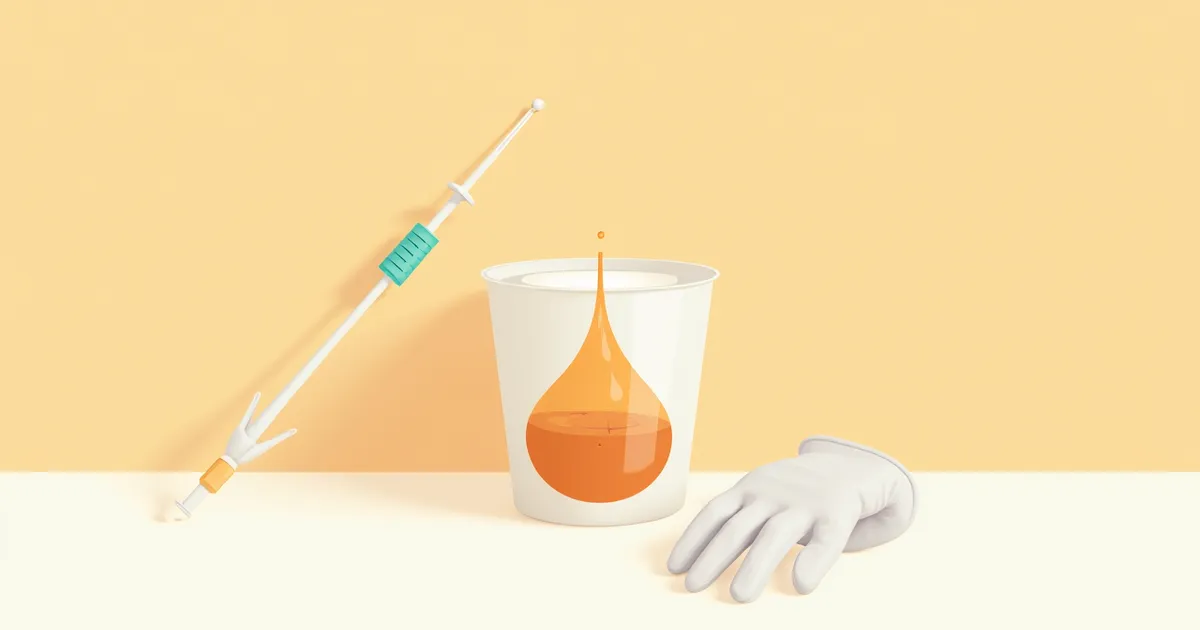
The guardian prepares the medication and auxiliary supplies for administration.
Administering medication to dogs and cats involves ensuring they swallow oral medications—such as pills, powders, or syrups—at the correct dosage and time. The most critical aspect is ensuring the medication is swallowed and not vomited back up. Using auxiliary tools like pill pockets can significantly increase the success rate. The key is to choose a method that suits both the type of medication and your pet's personality.

Why Is Medication Administration Difficult?

Dogs and cats naturally resist oral medication, often refusing to swallow pills when they detect the taste or texture. Cats, in particular, are sensitive to foreign objects in their mouths and may immediately spit out anything placed inside. Repeated failed attempts can lead to accumulated anxiety, fear, and stress, which may cause the pet to become less responsive to the medication, potentially requiring higher doses to achieve the same effect. This, in turn, increases the risk of side effects. Therefore, it is crucial to keep your pet calm and approach the process with a clear strategy from the first attempt, ensuring a smooth and successful experience.

Basic Administration Tips by Medication Form

The approach varies depending on the medication form. - Tablets: Hide them in a treat or place them deep in the mouth at the back of the tongue, then close the mouth. - Capsules: Administer as with tablets, but give them whole without crushing to avoid damaging the sustained-release coating. - Powders: Mix a small amount into wet food or a lickable treat to improve palatability. - Syrups/Liquids: Slowly administer into the side of the mouth between the cheek and teeth using a dosing syringe. Never lift the nose upward to force the head back, as this can cause the medication to enter the airway.

Comparison of Medication Administration Aids

ItemPill pocketOral dosing syringePill crusher
Main useHide pills and capsulesAdminister liquid and powdered medicationCrush and split pills
Ease of useEasyModerateEasy
Suitability for dogsHighModerateHigh
Suitability for catsModerateHighHigh
Expected price rangeKRW 5,000–12,000KRW 3,000–8,000KRW 3,000–7,000

Prices are based on retail prices at general animal hospitals and pet supply stores. There are differences between products.

How to Use Pill Pockets (Treat Wrapping)
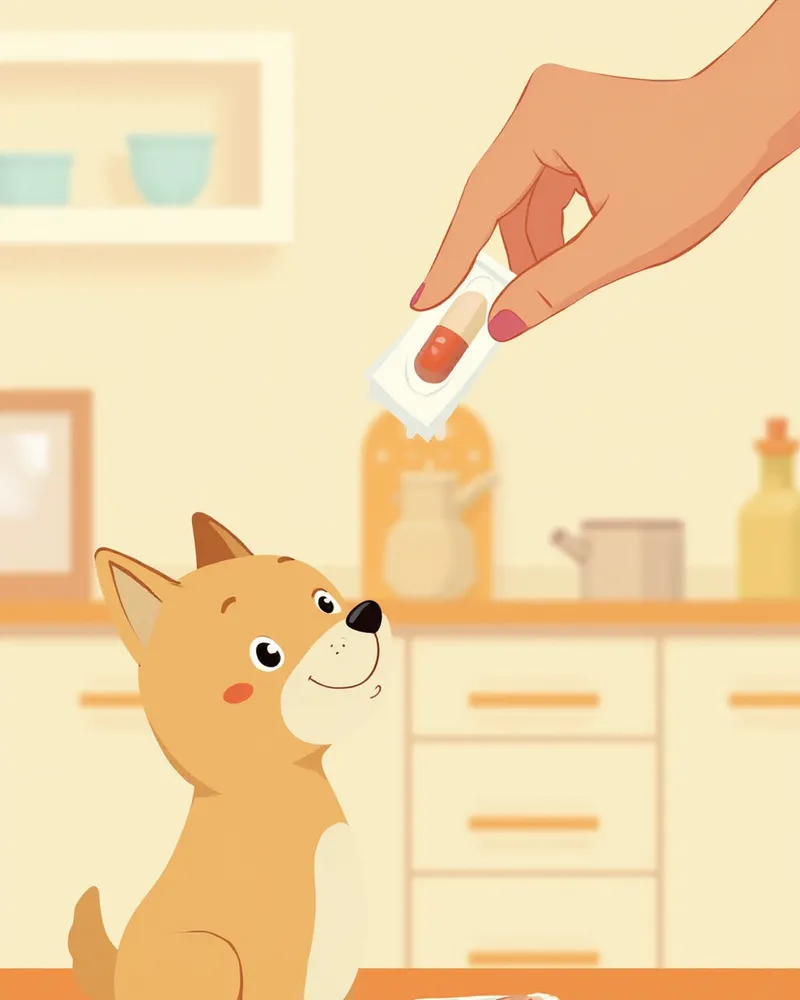
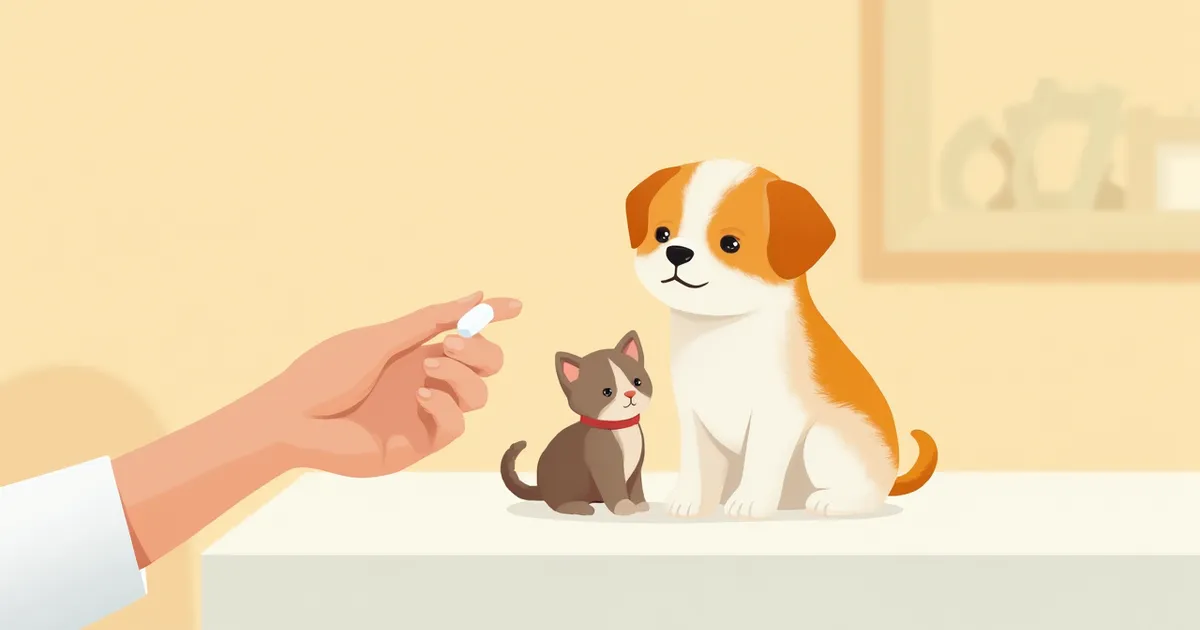
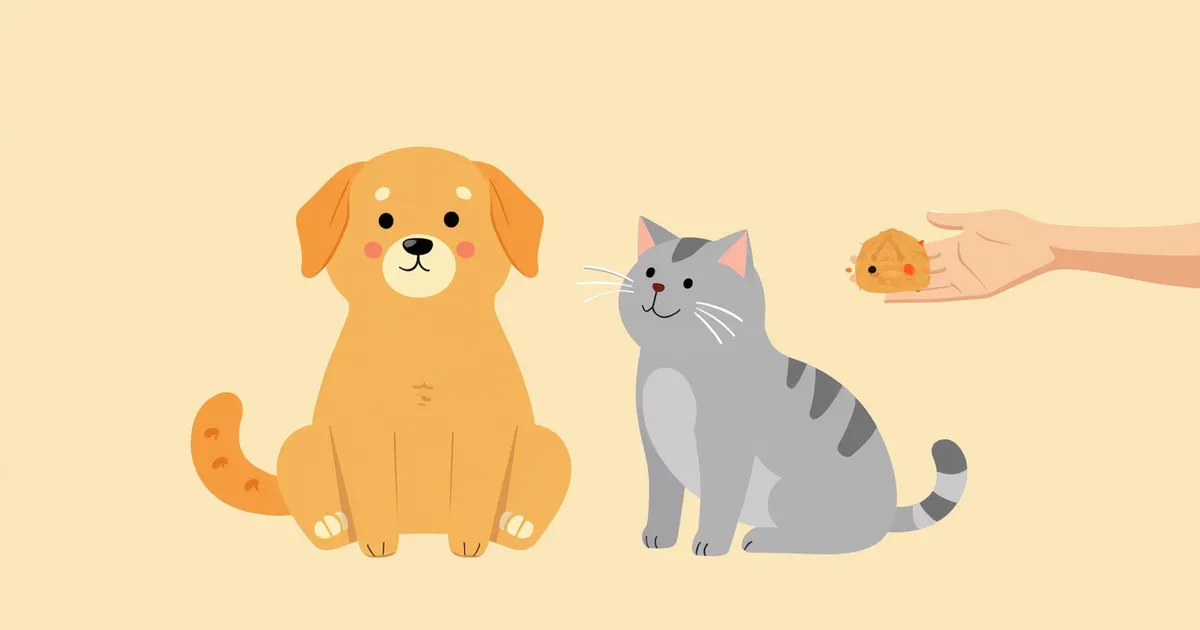
Pill pockets are soft, hollow treats designed to neatly encase medication. Many pet owners use the "three-treat method," which follows this sequence: 1. First, give one empty pill pocket so your pet associates it with a tasty reward. 2. Next, give the pill pocket containing the medication. This is the key step. 3. Immediately follow with another empty pill pocket (three treats total, given quickly in succession). Offering the treats in a rhythmic, countable pattern helps your pet anticipate the next one, reducing resistance. Practicing with empty pill pockets when no medication is needed makes actual dosing much easier. Since cats are naturally suspicious, ensure the pill is completely hidden in the center of the pocket and keep the treat small enough to be swallowed rather than chewed. You can also use cheese or boiled chicken breast as alternatives.
A scene showing a pill hidden in a filler pocket being given to a dog.

Foods You Should Never Give With Medication

Grapes, xylitol, chocolate, onions, and garlic can cause poisoning even in small amounts. Hiding medication in these foods can lead to emergencies regardless of the drug's effectiveness. Additionally, dairy products can interfere with the absorption of certain antibiotics (tetracyclines and quinolones). Since food restrictions vary by medication, always ask your veterinarian, "Can I hide it in any treat?" when receiving a prescription.

How to Use a Cat Medication Dispenser (Liquid Medication)
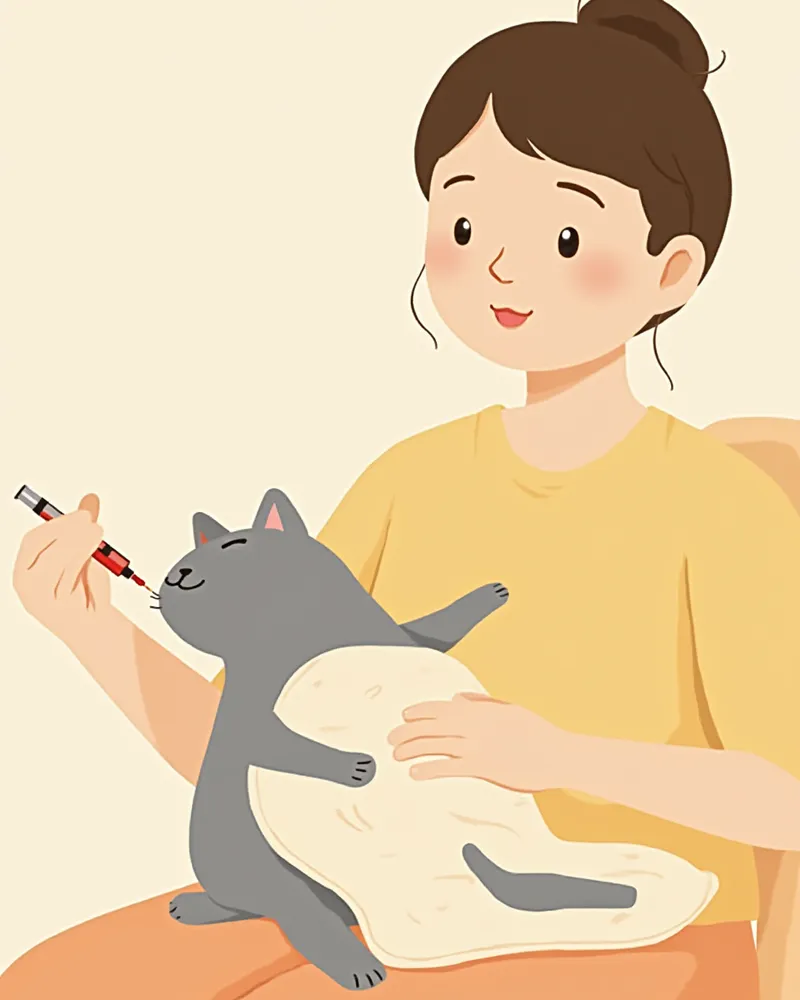
For some cats, liquid medication is easier to administer than pills. 1. Place your cat on your lap or a table and gently wrap your arms around them from behind. 2. Gently insert the tip of the syringe into the space between the cheek and behind the canine teeth. 3. Administer the liquid slowly in small amounts, divided into 2–3 doses (giving it all at once may cause choking). 4. After administration, gently stroke the underside of the neck to encourage swallowing. If your cat resists, gently wrap them in a towel to secure their front paws. Do not tilt their head upward.
A cat being slowly given liquid medication using a dosing syringe.

What to Check After Administering Medication

Giving your pet medication isn’t the end of the process—you should observe them for 1–2 minutes afterward. - Confirm swallowing: Look for signs such as licking the nose with the tongue or swallowing saliva. - Check for regurgitation: Inspect the surrounding area, including carpet fibers and cushion crevices, to ensure the medication wasn’t spit out. - Monitor for side effects: Contact your veterinarian if you notice vomiting, diarrhea, or excessive drooling. After administering tablets or capsules, offer a small amount of food or carefully give a few milliliters of water using a syringe to help the medication pass smoothly from the esophagus into the stomach. Tablets swallowed dry can remain lodged in the esophagus and cause irritation. Additionally, the timing of administration varies depending on the medication—some must be given with food, while others require an empty stomach. Always follow the “before meals” or “after meals” instructions on the prescription.

Situations Requiring Consultation With a Veterinarian

If your pet keeps spitting out the medication or runs away with it in their mouth, do not force it, as this can damage your bond and make long-term treatment more difficult. Additionally, never crush or split sustained-release or enteric-coated tablets, as doing so alters their absorption rate and increases the risk of side effects. If administering medication proves consistently difficult, the quickest solution is to consult your veterinarian about switching to a more palatable chewable or liquid formulation containing the same active ingredient.

Reviewed by a veterinarian

Dr. Tony — Punnawat Phongkittirak

Dr. Tony — Punnawat Phongkittirak

Veterinarian

A veterinarian who majored in veterinary medicine at Khon Kaen University, Thailand, and completed the IVSA program at North Carolina State University in the United States. Drawing on clinical experience at animal hospitals, he works in the pet healthcare field and is dedicated to building a digital care environment that connects pet parents with veterinarians.

Frequently Asked Questions

My pet threw up the medication. Should I give it again?
If the vomited pill is mostly intact, you can try administering it again. However, if the medication has dissolved in saliva or crumbled, or if you're unsure how long your pet held it in their mouth, some of the dose may have already been absorbed. In such cases, do not re-administer the medication on your own; instead, contact your prescribing veterinarian for guidance.
Can I crush the pill to give it to my pet?
Regular tablets can be split or crushed using a pill crusher. However, you should never split sustained-release tablets, enteric-coated tablets, or capsules. If the coating is damaged, the medication may be released all at once, leading to adverse side effects. Always ask your veterinarian, "Is this medication safe to split?" when receiving a prescription.
Is it safe to give multiple medications at the same time?
It’s fine to give medications that your veterinarian has specifically instructed you to administer together. However, mixing supplements or medications from other clinics on your own can lead to drug interactions that reduce effectiveness or cause toxicity. Always inform your veterinarian about all medications and supplements your pet is taking so they can check for potential interactions.
What treats can be used as a substitute when filler pockets are not available?
Boiled chicken breast, cream cheese, mashed sweet potato, and a small amount of unsalted butter are good options. Their soft texture makes them easy to wrap around pills and highly palatable. However, since dairy products can interfere with certain antibiotics, please check which class your prescribed medication belongs to before use.
How do I train my pet to take medication?
Regularly practice giving treats from an empty pill pocket or as standalone snacks. By using positive reinforcement to train the “open mouth and swallow” routine even when no medication is involved, you’ll significantly reduce resistance during actual dosing. Short, frequent sessions of one to two times per day are most effective.

Share

Related Guides

References

[1] Plumb, D.C., Plumb's Veterinary Drug Handbook, 9th Ed, 2018

[2] Ettinger, S.J. et al., Textbook of Veterinary Internal Medicine, 8th Ed, 2017

[3] Little, S.E., The Cat: Clinical Medicine and Management, 2012

This information is based on veterinary literature and does not replace diagnosis or treatment. Please consult a veterinarian for specific health concerns.

Metapet Co., Ltd. | CEO: Park Sung-yong | Business Reg. No. 417-88-02562 | Seoul, South Korea | Customer Center

Why Is Giving Dogs Medication So Hard? Pill & Powder Tips | Meongsiljang