Like
Share
멍실장
강아지 당뇨병 증상과 관리 방법

Symptoms and Management of Canine Diabetes

WeightQ&AMeongsiljang Veterinary Advisory Board

I’ve compiled the hallmark symptoms of canine diabetes, along with insulin therapy and dietary management strategies, based on veterinary textbooks. Early detection and consistent care are key.

How to Recognize and Manage Canine Diabetes

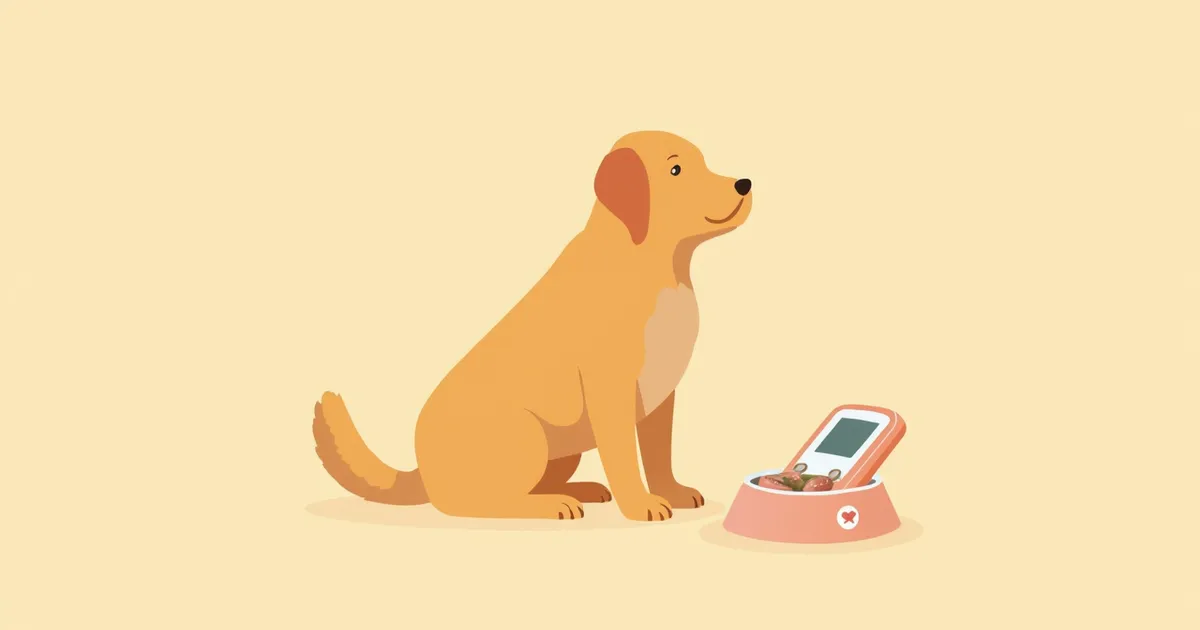
An illustration of a puppy sitting next to a blood glucose meter
Canine diabetes is an endocrine disorder in which abnormal insulin secretion or action leads to persistently high blood sugar. It occurs when the body lacks sufficient insulin or when insulin doesn’t work properly, causing blood glucose levels to rise. While similar to human diabetes, most dogs have insulin-dependent diabetes, making insulin injections essential. The condition tends to develop in middle-aged to senior dogs, and the risk of onset varies depending on individual factors such as breed, hormonal status, and genetic predisposition.

Suspect Diabetes If You Notice These Symptoms

The hallmark signs of canine diabetes often appear together as a quartet of symptoms.
Excessive thirst (polydipsia): Elevated blood sugar causes the body to demand more fluids. If you notice your dog’s water bowl emptying faster than usual, it may be a warning sign.
Frequent urination (polyuria): The body attempts to flush out excess glucose through urine, leading to a significant increase in urine volume.
Increased appetite (polyphagia): Because glucose cannot enter the cells, the body continuously signals hunger.
Weight loss: Despite eating more, your dog may lose weight because the body is unable to utilize glucose as an energy source.

Checklist for Suspected Diabetes in Your Pet

If your pet exhibits two or more of the symptoms below, please visit a veterinary clinic for blood and urine tests.
SymptomCheckpoint
Increased water intakeDrinks significantly more water than usual
Increased urine outputRequires more frequent changes of urine pads
Weight lossRibs are palpable despite normal food intake
Increased appetiteContinues to seek food even after eating kibble
Cloudy eyesPupils appear white and hazy
LethargyRefuses walks or sleeps excessively

How Insulin Therapy Is Administered

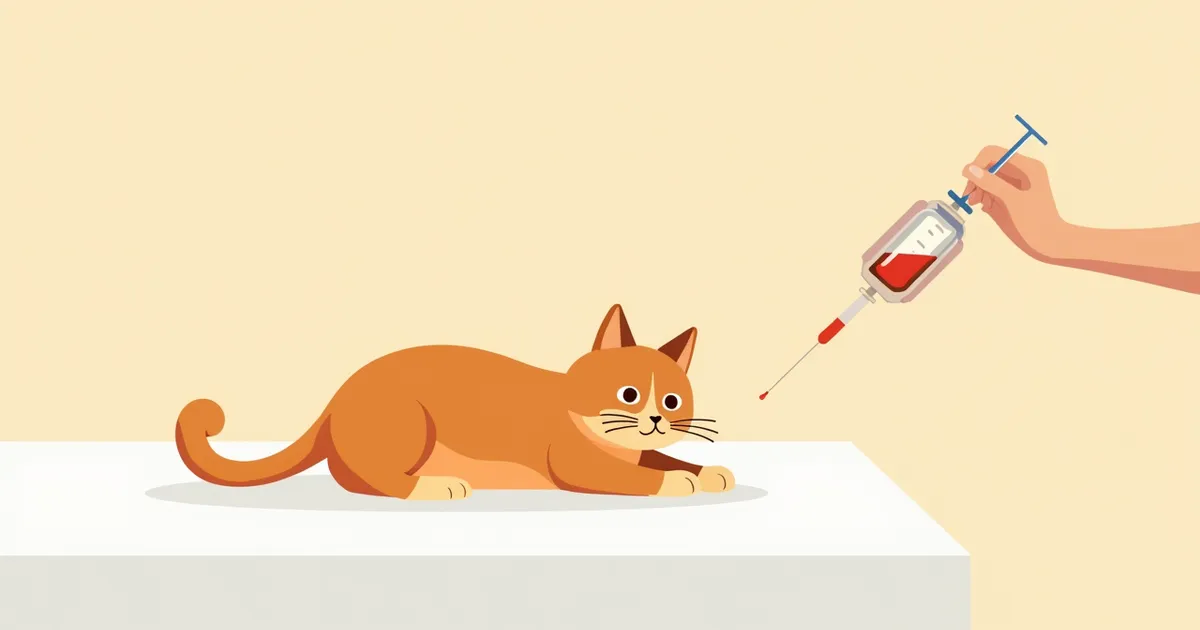
Most cases of canine diabetes are managed with insulin injections. According to veterinary internal medicine textbooks, insulin is typically administered subcutaneously once or twice daily, usually right after meals. Your veterinarian will determine the dosing schedule and dosage based on your dog’s weight and blood glucose levels. Treatment generally begins with a low dose, which is then adjusted after carefully monitoring the response over intervals of two to four days. Insulin must be stored in the refrigerator and should be mixed by gently rolling it between your palms rather than shaking it. With direct instruction from your veterinarian, pet owners can easily learn how to administer the injections themselves.
An illustration of a pet owner administering an insulin injection to a dog.

How to Respond to Hypoglycemia Emergencies

Administering too much insulin or giving an injection after your pet has skipped a meal can lead to hypoglycemia. If you notice sudden neurological symptoms such as stumbling, seizures, or confusion, contact your veterinarian immediately and seek urgent care. Hypoglycemia is a medical emergency that can cause permanent neurological damage without prompt treatment. Never adjust the insulin dosage on your own.

Dietary Management Is Half the Treatment

According to veterinary textbooks, the most important aspect of caring for a diabetic dog is consistent meal management: feeding a set amount at the same time every day. This is because aligning meal times with insulin activity helps stabilize post-meal blood sugar fluctuations.
Consistent Meal Times: The key is to feed the same amount at the same time each day. Typically, meals are divided equally into two feedings per day to match insulin activity. If blood sugar levels are difficult to stabilize, your veterinarian may recommend dividing the daily ration into three or four smaller meals.
Diet Composition: Increasing dietary fiber can help moderate post-meal blood sugar spikes. Always consult your veterinarian before making any changes to your dog’s diet.
Treat Restrictions: Treats high in simple sugars or scavenged foods can cause unstable blood sugar levels. Always consult your veterinarian before giving your dog any treats.
An illustration of a puppy next to a bowl filled with a healthy diabetic diet.

Monitoring You Can Do at Home

Managing diabetes is just as much about daily observation at home as it is about treatment at the veterinary clinic.
Record water intake: Fill the water bowl with the same amount each day and check how much is left to monitor changes in water consumption.
Weigh your pet: Weigh your pet once a week at the same time and record the results. Sudden weight changes may indicate unstable blood sugar control.
Check urine condition: Observe the volume and color of the urine. If the urine is excessively dilute or produced in large amounts, it may suggest that blood sugar is not being well controlled.
Monitor energy levels: If your pet seems unusually lethargic or lacks energy, let your veterinarian know.

Be Sure to Know About Diabetic Complications

If your dog’s diabetes remains uncontrolled for an extended period, eye complications can develop. If you notice the pupil becoming cloudy or hazy, please seek evaluation from a veterinary ophthalmologist. Additionally, diabetic ketoacidosis (a dangerous condition in which the blood becomes acidic) is a serious complication of diabetes, representing an emergency characterized by the simultaneous occurrence of hyperglycemia, ketonemia, and metabolic acidosis. Because diabetic ketoacidosis can be life-threatening without immediate treatment, early detection through regular blood and urine tests is crucial.

Which Dogs Are More Prone to Diabetes?

Diabetes can affect any dog, but certain factors increase the risk.
Age: It tends to be more common in middle-aged to senior dogs.
Sex: Hormonal fluctuations during estrus cycles or pregnancy can increase insulin resistance. Unspayed females are repeatedly exposed to these hormonal changes.
Obesity: Overweight and obesity are confirmed risk factors for developing diabetes.
Individual predisposition: Established risk factors include age, obesity, spay/neuter status, and sex. Genetic predisposition may also play a role in individual dogs.
Maintaining a healthy weight and scheduling regular health check-ups help with early detection and prevention of diabetes.
Illustration of dog breeds prone to diabetes

Reviewed by a veterinarian

Dr. Tony — Punnawat Phongkittirak

Dr. Tony — Punnawat Phongkittirak

Veterinarian

A veterinarian who majored in veterinary medicine at Khon Kaen University, Thailand, and completed the IVSA program at North Carolina State University in the United States. Drawing on clinical experience at animal hospitals, he works in the pet healthcare field and is dedicated to building a digital care environment that connects pet parents with veterinarians.

Frequently Asked Questions

Can a dog’s diabetes be cured?
Unfortunately, most cases of canine diabetes are difficult to cure and require lifelong insulin therapy and dietary management. However, with consistent care, dogs can still enjoy a healthy, normal daily life.
Can pet owners administer insulin injections themselves?
Yes, once a veterinarian teaches you the injection technique, you can easily administer it at home. It may feel a bit nerve-wracking at first, but you’ll quickly get used to it. Subcutaneous injections are much simpler than intramuscular ones.
Can I give treats to a diabetic dog?
It’s best to avoid treats high in simple sugars. Small amounts of boiled chicken breast or low-carb vegetables can be given as treats, but always consult your veterinarian before offering them. Remember to include treat calories in your pet’s daily intake.
How is a diabetes test performed in dogs?
We check blood sugar levels through a blood test and measure glucose and ketone levels in the urine. After confirming the diagnosis, we conduct a blood glucose curve test to monitor how blood sugar changes throughout the day, which helps us adjust the insulin dosage accordingly.
How much does diabetes management cost?
The cost varies depending on the type of insulin, the prescribed diet, and the frequency of regular check-ups. Please consult your veterinarian for a detailed cost estimate. While check-ups are more frequent during the initial stabilization period, they can be reduced to every 1-3 months once your pet's condition stabilizes.

Share

Related Guides

References

[1] The Dog Care Handbook, Things I Wish My Vet Had Told Me — Diabetes Mellitus Management

[2] Notes on Canine Internal Medicine, 4th Ed — Endocrine: Diabetes Mellitus

[3] Clinical Medicine of the Dog and Cat, 4th Ed — Chapter 12: Endocrine Disorders

This information is based on veterinary literature and does not replace diagnosis or treatment. Please consult a veterinarian for specific health concerns.

Metapet Co., Ltd. | CEO: Park Sung-yong | Business Reg. No. 417-88-02562 | Seoul, South Korea | Customer Center

Canine Diabetes: Symptoms and Management | Meongsiljang