Like
Share
멍실장
고양이 녹내장 약물·수술 치료 자주 묻는 질문 Q&A — 보호자가 꼭 알아야 할 핵심

Feline Glaucoma: Medication or Surgery? — Key Q&A on Treatment Options

Eye HealthQ&AMeongsiljang Veterinary Advisory Board

Feline glaucoma is a serious condition that can lead to vision loss. We’ve compiled the essential information every pet owner should know about the effectiveness, timing, and potential side effects of medical and surgical treatments.

Feline glaucoma is a serious ocular condition that can lead to vision loss
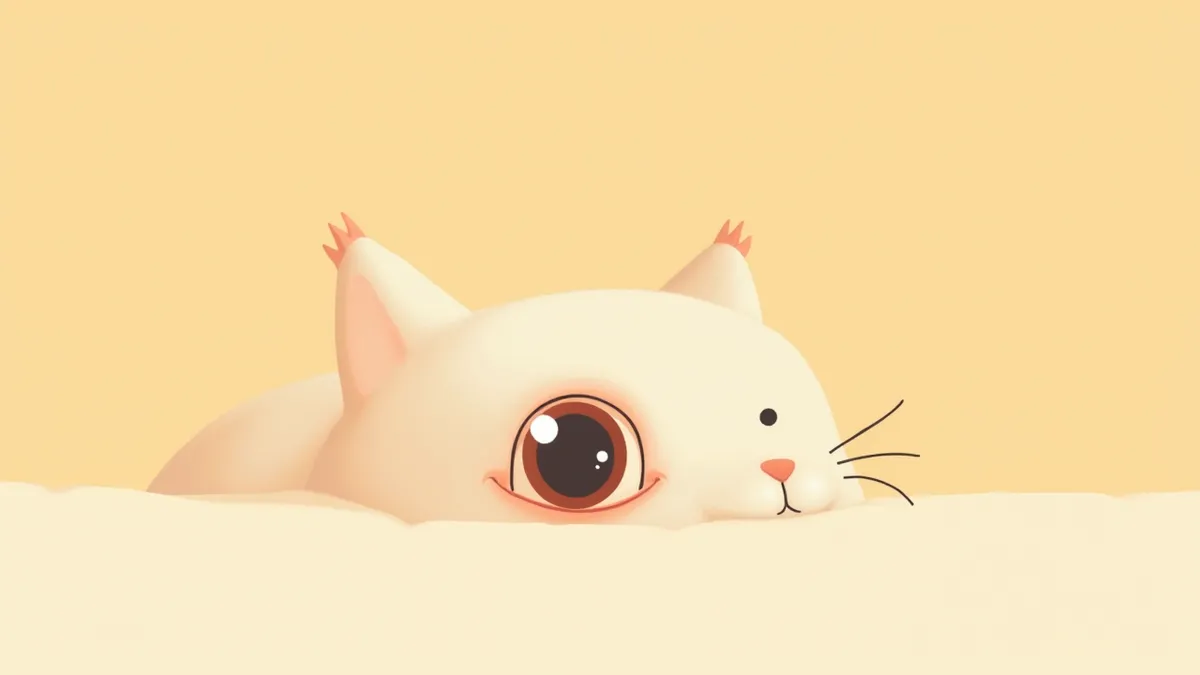
A realistic image of a cat's eye showing early signs of glaucoma
Feline glaucoma is a condition in which impaired drainage of aqueous humor—the fluid that fills the eye—causes persistently elevated intraocular pressure, leading to progressive damage to the optic nerve. In the early stages, the eye may appear red or the cornea cloudy, but as the disease progresses, the eyeball enlarges (buphthalmos), vision declines rapidly, and the cat experiences pain. In cats, glaucoma is most commonly secondary, arising from underlying conditions such as trauma, inflammation, or tumors, whereas primary glaucoma caused by breed-specific factors is very rare. However, congenital glaucoma can occur in young cats, so vigilance is important. Early detection and prompt control of intraocular pressure are key to preserving vision, and any symptoms warrant an immediate veterinary visit. Treatment aims to lower intraocular pressure to protect the optic nerve and alleviate pain.

Glaucoma is mostly caused by impaired function of the eye's cell membrane
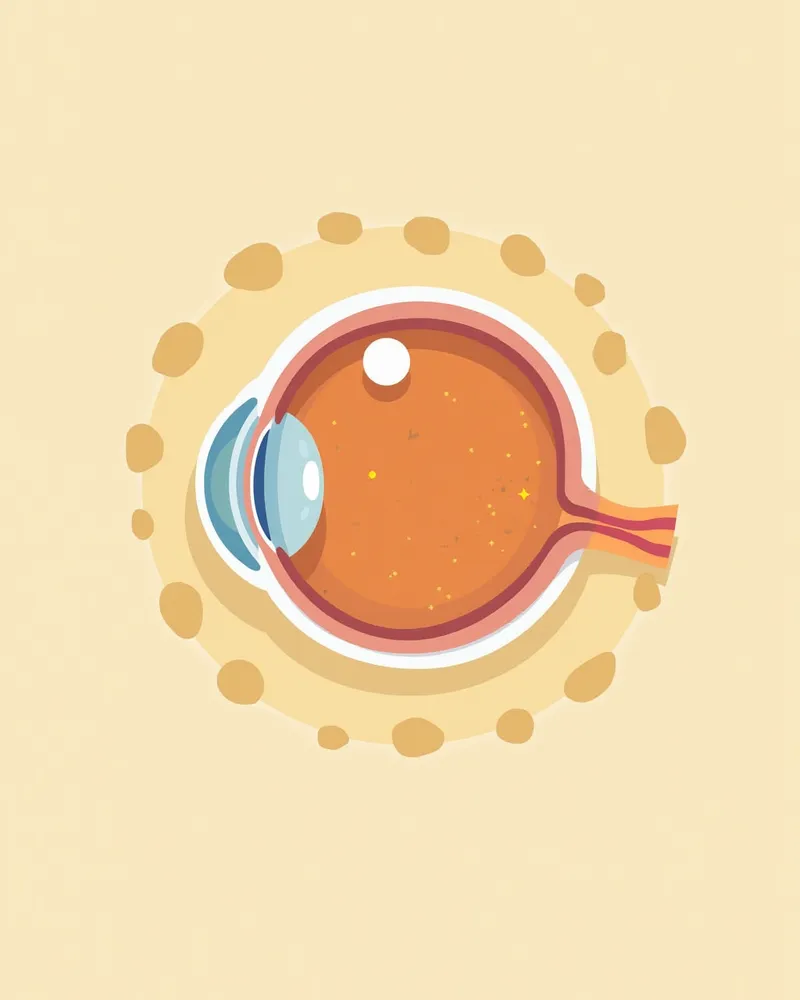
Feline glaucoma occurs when the drainage pathways for aqueous humor within the eye (the anterior chamber angle and trabecular meshwork) become blocked or dysfunctional, leading to increased intraocular pressure. In cats, secondary glaucoma—triggered by underlying ocular or systemic conditions such as trauma, uveitis, tumors, cataracts, lens abnormalities, or intraocular hemorrhage—is far more common than primary glaucoma, which is very rare and typically linked to specific breeds. Therefore, it is crucial to lower intraocular pressure while simultaneously identifying and treating the underlying cause. Older cats or those with chronic eye conditions require regular ophthalmic examinations. If any symptoms appear, even mildly, consult a veterinarian immediately. Diagnosis is confirmed by accurately measuring intraocular pressure using a tonometer. The success of treatment depends on early diagnosis and prompt intervention for the underlying disease.
An educational diagram illustrating the tear circulation system in a cat's eye

The cornerstone of treatment is lowering intraocular pressure and preventing optic nerve damage
The cornerstone of treating feline glaucoma is maintaining consistently low intraocular pressure to prevent optic nerve damage and alleviate pain. The primary goals are to preserve as much remaining vision as possible and to slow the progression of retinal damage. However, it is important to understand that because vision is often difficult to restore by the time glaucoma is diagnosed in cats, preserving sight is not always achievable. Treatment typically begins with medications to regulate intraocular pressure, with surgery considered if drug therapy fails to control the condition. The specific treatment approach depends on the stage of the disease, the cat’s overall health, and any underlying causes, making ongoing communication with your veterinarian essential. Regular check-ups and strict adherence to medication schedules form the foundation of treatment, with pain relief and improving quality of life serving as key objectives.
A realistic image of a veterinarian measuring intraocular pressure in a cat's eye.

Immediate veterinary visit required for signs of severe discomfort, persistent tearing, or eye rubbing

If your cat is rubbing its eyes, squinting or experiencing eyelid spasms, has persistent tearing, redness, or shows signs of pain, you should visit a veterinary clinic immediately. This could be a sign of a sudden increase in intraocular pressure, causing severe discomfort. Glaucoma is an emergency condition, and to prevent vision loss, it's crucial to recognize the symptoms quickly and begin treatment to lower intraocular pressure as soon as possible.

Medication is effective in lowering intraocular pressure, but long-term use may cause side effects
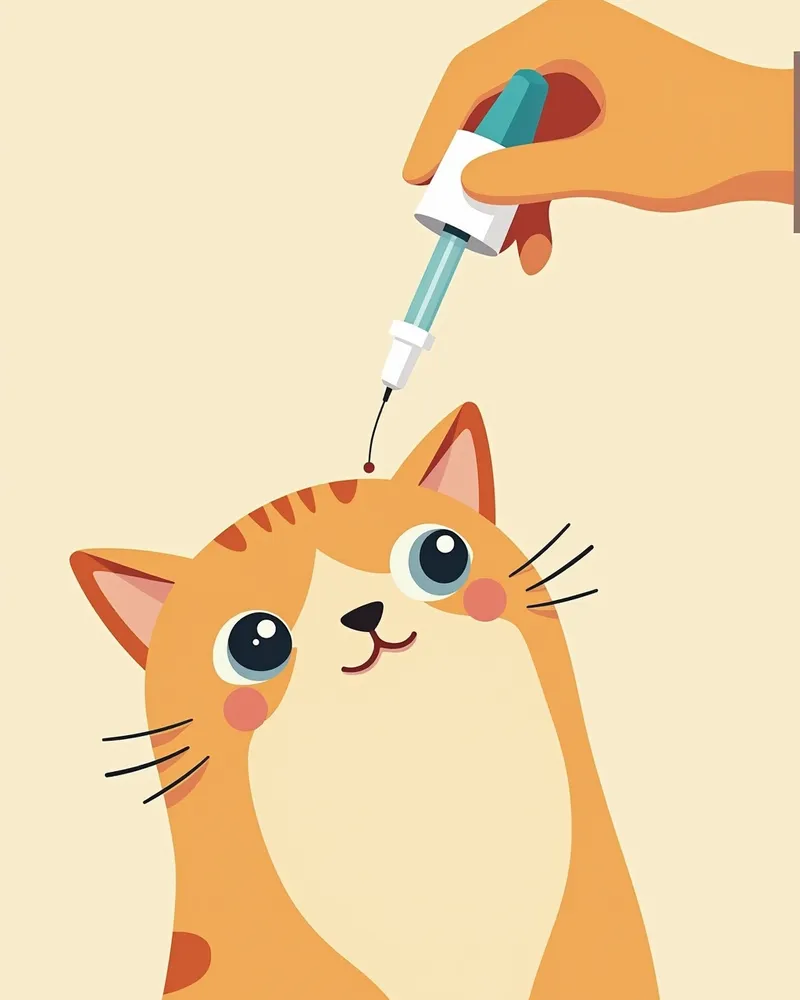
Medication for feline glaucoma helps lower intraocular pressure, with eye drops such as carbonic anhydrase inhibitors (e.g., dorzolamide, brinzolamide) that reduce aqueous humor production being commonly used. Although eye drops are somewhat less effective than systemic medications, they are preferred due to their fewer side effects. With long-term use, local side effects such as ocular irritation and redness may occur, while systemic medications can affect appetite and cause gastrointestinal symptoms. In cases of acute, significant increases in intraocular pressure, eye drops alone are insufficient; osmotic diuretics like mannitol must be administered intravenously first to rapidly reduce pressure. The veterinarian will regularly monitor the eye condition and overall health to adjust medication, and will reassess the treatment plan if efficacy decreases or side effects become severe. Because missing doses can cause intraocular pressure to spike again, consistent attention from the pet owner is essential.
A realistic image of a veterinarian administering eye drops to a cat

Surgery should be considered to preserve vision when medication fails to control the condition
If eye pressure remains unstable or vision loss continues despite medication, surgery may be considered. The goal of surgery is to regulate intraocular pressure, which can help preserve vision and alleviate pain when possible. However, in cases where vision recovery is unlikely and pain is severe, procedures aimed at relieving pain—such as enucleation (eye removal), ciliary body cryoablation or chemical ablation, or intraocular prosthesis implantation—may ultimately be necessary. The surgical approach depends on the cat’s condition and underlying disease. Regular check-ups and ongoing medication management remain essential after surgery. Surgery is not a cure but part of long-term care, and the owner’s commitment to careful pre- and post-operative management significantly impacts treatment outcomes.
A realistic image of a cat's eye during surgery

Medication vs. Surgery: Comparing Effectiveness, Timing, and Side Effects

ItemMedical TreatmentSurgical Treatment
Speed of EffectEye drops act gradually; in the acute phase, IV mannitol rapidly lowers pressureControls intraocular pressure after surgery
DurabilityPressure may rise again when medication is stoppedRelatively sustained pressure control
Potential Side EffectsLocal irritation, congestion, etc. (eye drops tend to have few side effects)Carries risks associated with anesthesia and surgery
Appropriate TimingEarly stage, when controllable with medicationPainful eye that cannot be controlled with medication or where vision recovery is difficult

The choice of treatment is determined by the cat's condition and the veterinarian's judgment.

After surgery, prevent eye rubbing and administer eye drops exactly as prescribed

After surgery, it’s important to keep your cat from scratching or rubbing its eyes by fitting it with an Elizabethan collar (e-collar) to prevent self-injury. Additionally, administer the prescribed eye drops, antibiotics, anti-inflammatory medications, and pain relievers exactly as directed by your veterinarian, ensuring you don’t miss any doses. Neglecting proper care can lead to infection, recurrence, or delayed wound healing.

Reviewed by a veterinarian

Dr. Tony — Punnawat Phongkittirak

Dr. Tony — Punnawat Phongkittirak

Veterinarian

A veterinarian who majored in veterinary medicine at Khon Kaen University, Thailand, and completed the IVSA program at North Carolina State University in the United States. Drawing on clinical experience at animal hospitals, he works in the pet healthcare field and is dedicated to building a digital care environment that connects pet parents with veterinarians.

Frequently Asked Questions

Can feline glaucoma be cured?
While a complete cure is difficult, stabilizing intraocular pressure through medication or surgery can slow vision loss and reduce pain.
Is medication alone sufficient?
In the early stages, intraocular pressure can be managed with medication, but if the condition progresses or isn’t controlled by drugs alone, surgery may be considered. In many cases, cats diagnosed with glaucoma have already experienced significant vision loss, making it difficult to preserve sight through medication alone.
Can my cat develop the illness again after surgery?
While there is a possibility of recurrence, regular check-ups and medication management can help minimize it. Post-surgery care is also important.
Is there a genetic component to feline glaucoma?
Primary glaucoma caused by breed-specific genetic factors is very rare in cats. Most cases are secondary glaucoma, which develops as a complication of other conditions such as trauma, inflammation, or tumors, while congenital glaucoma can occur in young cats. Therefore, diagnostic testing to identify the underlying cause is more important than focusing on specific breeds.
How does a cat’s life change after surgery?
After surgery, it’s important to protect your cat’s eyes and ensure they receive their medications as prescribed. Most cats can resume their normal daily activities.

Share

Related Guides

References

[1] Fossum TW. (2007). Small Animal Surgery. 3rd ed. Elsevier.

[2] Hosgood G, Scholl DT. (1998). Evaluation of age as a risk factor for perianesthetic morbidity and mortality in the dog. J Vet Emerg Crit Care, 8(3):222-236.

[3] Plumb's Veterinary Drug Handbook, 9th ed. (2022). Wiley-Blackwell.

This information is based on veterinary literature and does not replace diagnosis or treatment. Please consult a veterinarian for specific health concerns.

Metapet Co., Ltd. | CEO: Park Sung-yong | Business Reg. No. 417-88-02562 | Seoul, South Korea | Customer Center

Feline Glaucoma: Medication vs. Surgery? Essential Treatment Q&A | Meongsiljang