

What Is My Cat Feeling Right Now? — Reading Emotional Signals Through Ear Position
A cat’s ear position and movement are the most honest indicators of its emotions. Here’s a breakdown of what each position means and how to respond.
What Are Feline Ear Signals? The Language of Emotions Read Through the Ears

Why Ears Are Used for Emotional Expression
Emotions by Ear Position at a Glance
| Item | Facing forward | Flattened to the sides | Pinned back | Each ear separately | Pointed sharply forward |
|---|---|---|---|---|---|
| Emotional state | Relaxed & interested | Anxious & fearful | Angry & about to attack | Uncertain & uncomfortable (wary) | Curious & hunting instinct |
| Urgency | Safe | Caution | Danger | Caution | Safe |
| Guardian action | Carry on as usual | Reduce stimulation | Back away immediately | Keep observing | OK to offer play |
Interpret together with tail and pupil size for accuracy
Detailed Interpretation by Ear Position
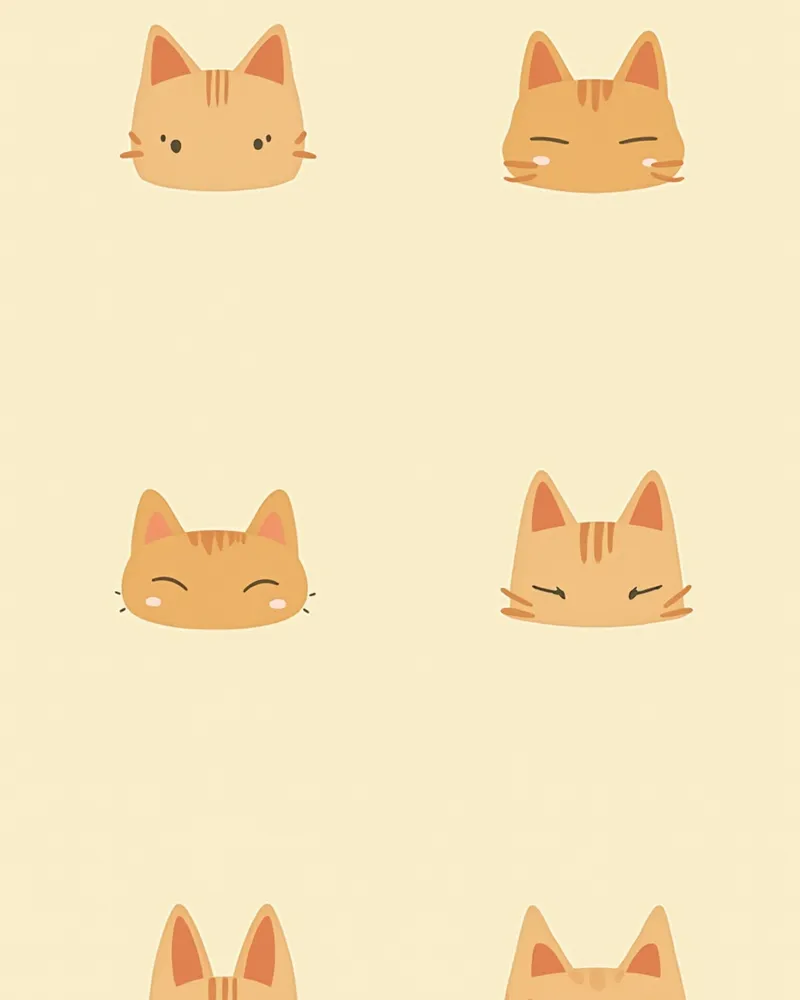
When to Step Back Immediately
When a cat’s ears are pinned flat against its head, its pupils are fully dilated, and you hear a low growl, it is in the pre-attack stage. Reaching out or attempting to pick it up at this point may result in scratches to the back of your hand or face. Avoid making eye contact and quietly give the cat space. It is important to wait patiently until its excitement subsides and to ensure the cat has access to a safe area where it can calm down on its own. If this behavior recurs, it indicates that there are stressors in the environment.
How to Read Along with the Tail and Pupils

Health Issues to Suspect When Ear Position Differs from Normal
If You Frequently See Stress Signals
If your cat frequently displays “airplane ears” or flattens its ears often, it’s a sign that environmental enrichment is needed. Provide vertical spaces (such as cat trees), hiding spots (like boxes or cat tunnels), and a quiet area for meals. In multi-cat households, it’s essential to provide enough litter boxes for each cat and maintain optimal hygiene. Prolonged stress can lead to various physical health issues, including feline idiopathic cystitis (FIC).
An Observation Routine Owners Can Practice

Reviewed by a veterinarian

Dr. Tony — Punnawat Phongkittirak
VeterinarianA veterinarian who majored in veterinary medicine at Khon Kaen University, Thailand, and completed the IVSA program at North Carolina State University in the United States. Drawing on clinical experience at animal hospitals, he works in the pet healthcare field and is dedicated to building a digital care environment that connects pet parents with veterinarians.
Reviewed 2026-04-23
Frequently Asked Questions
Does frequently pinning the ears back always indicate aggression?
Do kittens show the same ear signals as adult cats?
Is it okay if only one ear keeps flopping to the side?
Are airplane ears always a bad sign?
When should you take your pet to the vet if their ears look different from before?
Share
Related Guides

Primary vs. Secondary Veterinary Hospitals: A Comparison

5 Easy-to-Raise Cat Breeds for First-Time Owners — Grooming Difficulty Comparison

Top 7 Short-Legged Dog Breeds

Is medication really necessary for correcting puppy behavior? — How do the effects and side effects differ?
My Cat Panics at the Vet — How to Reduce Veterinary Fear

Why Has My Cat Become So Sensitive? — Causes of Territorial Stress and When to Intervene
Why Does My Cat Wake Me Up at Dawn? — Causes of Sleep Disruption and the Right Time to Act
Cat Suddenly Biting and Scratching — Causes and Correction of Play Aggression
My Cat Keeps Licking Themselves — Is Excessive Grooming Normal?
Cats Keep Fighting — Causes and Intervention Timing for Multi-Cat Household Conflicts
References
[1] Bradshaw JWS, Cameron-Beaumont C. The signalling repertoire of the domestic cat and its undomesticated relatives. The Domestic Cat: The Biology of its Behaviour, 2nd ed, 2000
[2] Rodan I, Heath S. Feline Behavioral Health and Welfare, Elsevier, 2016
[3] Scherk M. The cat-friendly practice. BSAVA Manual of Feline Practice, 2013
[4] Little SE. The Cat: Clinical Medicine and Management, 2nd ed, Elsevier, 2020