
Causes of Dog Barking and Correction Methods
Understand the reasons behind your dog’s barking by identifying the specific type, and learn effective correction methods tailored to each situation.
You Can Only Correct Barking by Properly Understanding Why Your Dog Barks
Identifying the Cause by Barking Type
Overview of Characteristics by Barking Type
| Item | Alert Barking | Demand Barking | Anxiety Barking | Excitement Barking |
|---|---|---|---|---|
| Main Situation | Detecting strangers/sounds | Demanding treats/walks/attention | When left alone | Before walks/play |
| Sound Characteristics | Repetitive/warning barks | Repetitive/persistent barks | Continuous/monotonous barks | Rapid consecutive barks |
| Accompanying Behavior | Aroused physical response | Staring at owner, pawing | Pacing, destructive behavior | Spinning in circles |
| Correction Difficulty | Moderate | Easy | Difficult | Moderate |
Based on veterinary behavioral science textbooks
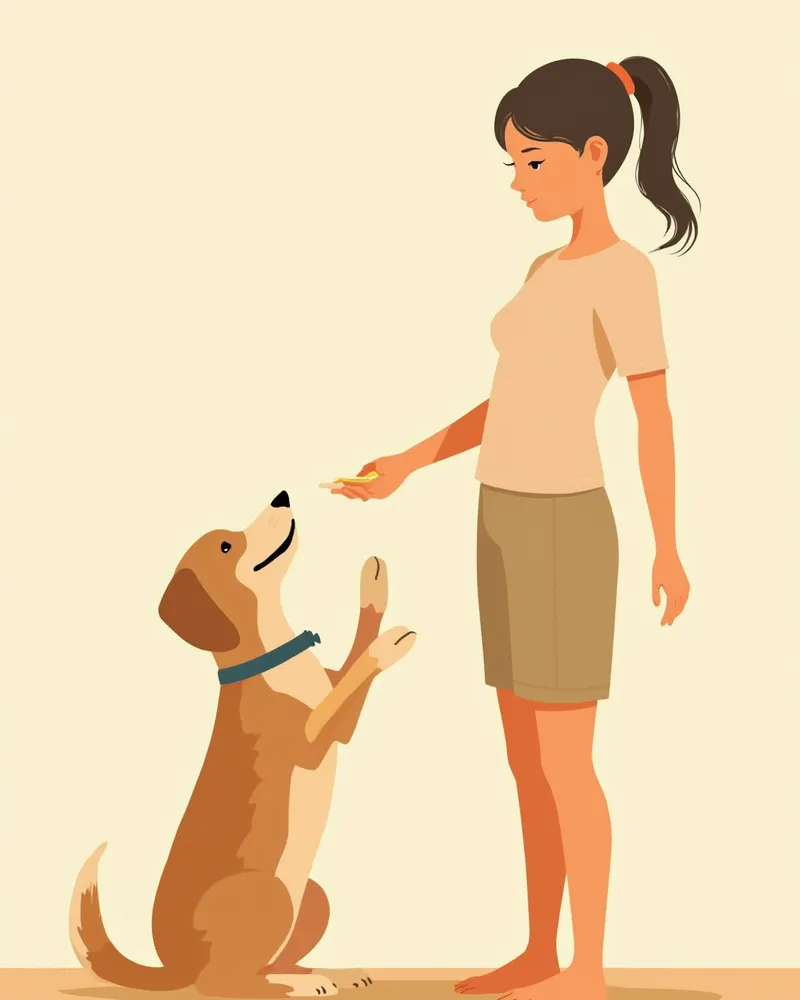
Correcting Demand Barking: Ignore When Barking, Reward When Quiet
Correction Methods You Should Never Use
Yelling at or physically punishing a dog for barking can increase its anxiety and worsen the behavior. Using a muzzle to suppress barking or spraying water each time the dog barks can also damage the bond of trust. Ultrasonic anti-barking devices may heighten anxiety, so avoid using them without consulting your veterinarian. While punishment-based training may stop barking in the short term, it carries the risk of leading to aggression or fear-based responses.
Correcting Alert Barking and Anxiety Barking
Reducing Barking Through Environmental Management

When to Consult a Veterinarian
If your dog suddenly starts barking excessively, shows aggression while barking, or displays persistent signs of separation anxiety, seek help from a veterinarian or a certified animal behaviorist. In senior dogs, sudden behavioral changes such as nighttime barking may indicate underlying health issues like pain or illness, so it’s important not to dismiss them as mere bad habits. Since identifying the root cause of the barking is the first step toward effective correction, we recommend starting with a health checkup to rule out any medical causes whenever you notice unusual behavioral changes.
Reviewed by a veterinarian

Dr. Tony — Punnawat Phongkittirak
VeterinarianA veterinarian who majored in veterinary medicine at Khon Kaen University, Thailand, and completed the IVSA program at North Carolina State University in the United States. Drawing on clinical experience at animal hospitals, he works in the pet healthcare field and is dedicated to building a digital care environment that connects pet parents with veterinarians.
Reviewed 2026-04-16
Frequently Asked Questions
My dog only barks at night. Why is that?
How long does it take to correct a dog's barking behavior?
Do anti-barking collars work?
My dog barks at other dogs. What should I do?
Does my dog only bark when left alone? Could it be separation anxiety?
Share
Related Guides
7 Behavioral Enrichment Strategies for Mental Stimulation Recommended by Veterinarians
Top 5 Calming Supplements for Dogs and Cats in 2026
L-Theanine Effects and Calming Support
The Ultimate Guide to Dog Brushing and Coat Care

Why Does Sudden Food Change Cause Diarrhea? — A Safe Transition Method Without Gastrointestinal Burden
Guide to Selecting Senior Cat Food (Age 7 and Older)
How to Choose Large-Breed Dog Food and Determine Feeding Amounts
The Ultimate Guide to Selecting Food and Feeding Amounts for Small-Breed Dogs
Guide to Using Secondary Veterinary Hospitals (Referral Hospitals): When to Visit and How to Prepare
Dog Rehabilitation Center Guide: When and How to Start?
References
[1] Beaver BV, Introduction to Animal Behavior and Veterinary Behavioral Medicine, Wiley-Blackwell
[2] Little B, The Dog Care Handbook: Things I Wish My Vet Had Told Me, 2024
[3] Horwitz DF, Neilson JC, Veterinary Guide to Preventing Behavior Problems in Dogs and Cats, Blackwell Publishing
[4] Yin S, McCowan B, Barking in domestic dogs: context specificity and individual identification, Animal Behaviour, 2004;68(2):343-355