Like
Share
멍실장
고양이 빗질 방법과 털관리 완벽 가이드

The Ultimate Guide to Cat Brushing and Coat Care

Skin & CoatQ&AMeongsiljang Veterinary Advisory Board

We’ve put together a comprehensive guide covering brushing frequency by coat type, how to choose the right brush, step-by-step brushing techniques, and health warning signs to watch for during grooming.

Why Is Brushing Your Cat Essential?
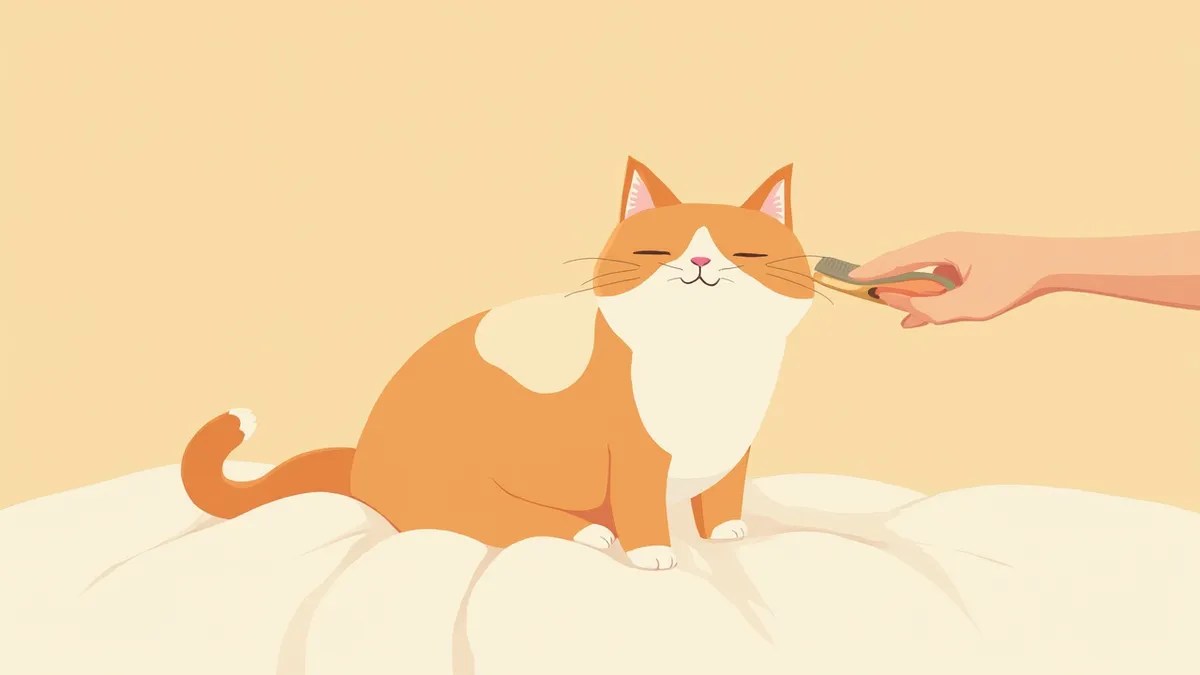
A cat sitting comfortably while its owner gently brushes its fur.
Brushing your cat is not just about grooming—it’s a fundamental part of health care. Regular brushing helps remove dead hair and dust, keeping the skin and coat clean. For long-haired breeds, neglecting brushing can lead to tangles, which may cause skin issues or hairballs. Additionally, brushing allows you to naturally check for lumps, wounds, or signs of parasites on the skin, providing an early health check benefit.

Brushing Frequency by Coat Type

The frequency of brushing your cat depends on its coat type.
Short-haired cats: Brushing once or twice a week is sufficient. Although their short fur is less prone to tangling, regular brushing helps remove dead hair and prevents skin irritation.
Medium-haired cats: Brushing two to three times a week is appropriate. During the spring and autumn shedding seasons, daily brushing is fine.
Long-haired cats: Daily brushing is necessary. Breeds such as Persians, Ragdolls, and Maine Coons have abundant undercoats that can tangle if left unbrushed for even a single day.

Features and Uses of Different Brush Types

ItemSlicker BrushPin BrushRubber BrushComb
Suitable Coat TypeLong/medium hairLong hairShort/medium hairAll types
Main UseDetanglingFinishing touchesRemoving dead hair/massageChecking for fine tangles
Usage TipGently, without touching the skinBrush in the direction of hair growthRub gently in circular motionsChoose products with rounded tips

It's effective to use several types together depending on the cat's coat condition and personality

Proper Brushing Techniques: A Step-by-Step Guide
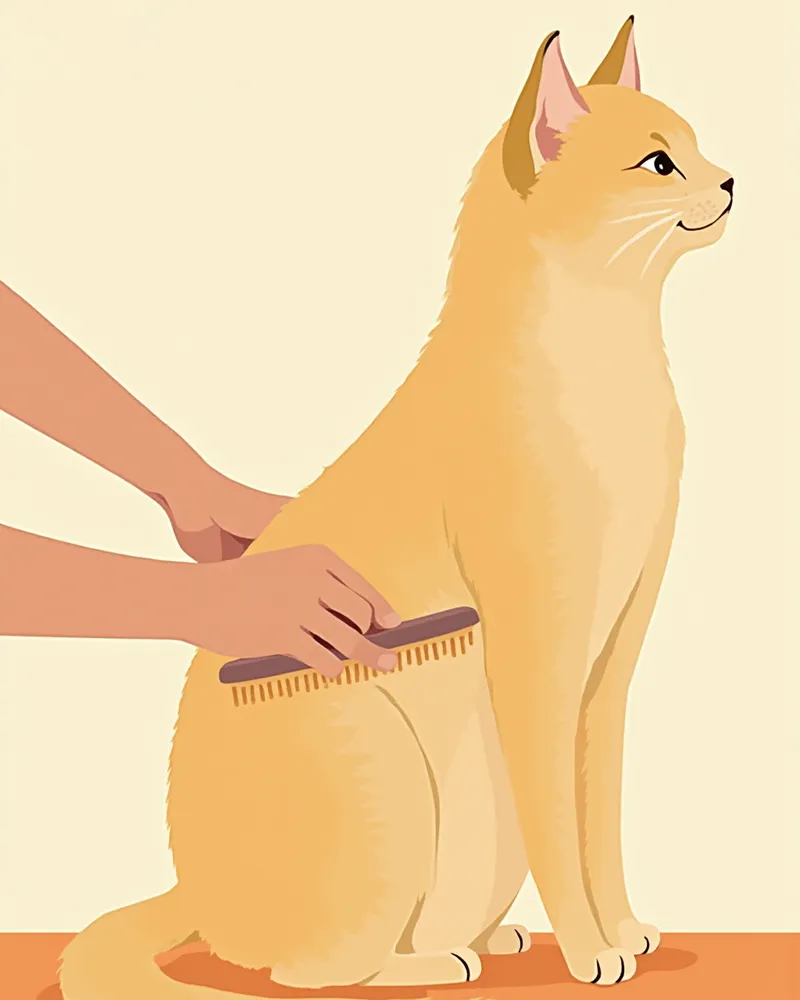
Step 1 — Choose a relaxed moment: Start right after your cat wakes from a nap or during a calm period after a meal. It’s best to avoid grooming when they’re actively playing.
Step 2 — Brush in the direction of the fur: Gently brush from head to tail and from back to belly, following the natural lay of the coat. Brushing against the grain can make your cat uncomfortable.
Step 3 — Pay close attention to tangle-prone areas: The armpits, belly, and inner hind legs are common spots for mats and tangles. For long-haired breeds, be especially thorough in these areas.
Step 4 — Finish with a gentle sweep: Run a soft brush over the entire coat at the end to restore shine. Begin with just 1–2 minutes per session and gradually increase the time as your cat gets used to it.
Brushing a long-haired cat in the direction of its hair growth

Do Not Force-Brush Tangled Fur

Forcing apart tangled fur mats can tear the skin and cause severe pain to your cat. Gently work out small tangles with your fingers, but leave severely matted areas to a veterinarian or professional groomer to avoid causing harm. We do not recommend cutting the mats yourself with scissors, as this poses a significant risk of injuring the skin.

How to Help Cats Who Dislike Brushing Adjust
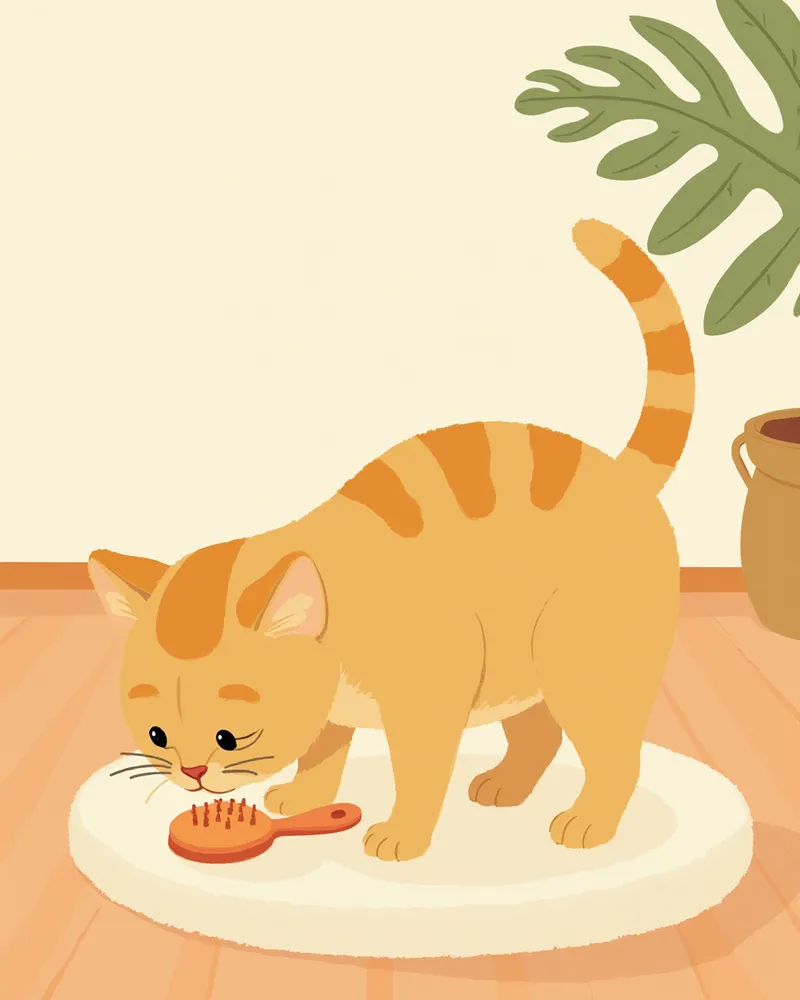
Many cats dislike being brushed at first. Forcing the issue can backfire, so the key is to help them adjust gradually. Short and frequent sessions: Start with just 30 seconds to one minute, then immediately reward your cat with a treat. This helps create a positive association with brushing. Start with favorite spots: Begin with areas your cat enjoys being petted, such as under the chin, on the cheeks, or on the forehead, to reduce resistance. Try different brushes: Simply switching to a different type of brush can change your cat’s reaction. Rubber brushes, for example, often feel more like a massage and are generally less likely to cause resistance.
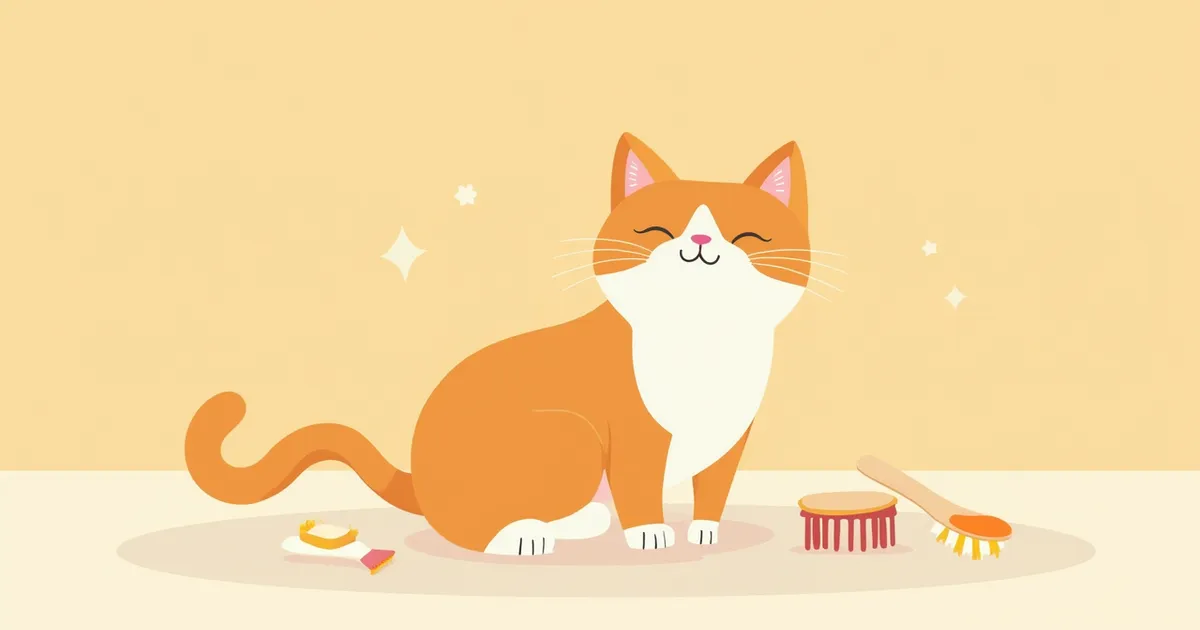
A cat carefully examining a rubber brush placed on the floor

Health Warning Signs to Check for While Brushing
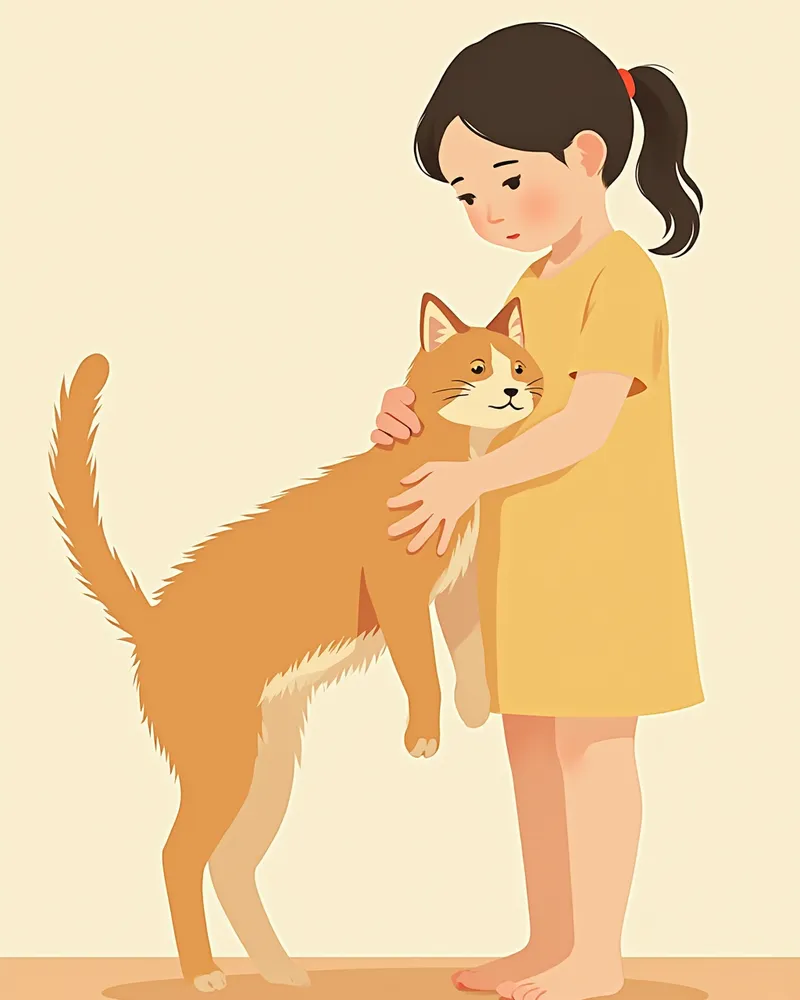
Brushing your cat is a great opportunity to closely check their physical condition. Veterinary internal medicine textbooks also emphasize the condition of the fur and skin as indicators of health. Consider visiting an animal hospital if you notice any of the following signs.
Sudden excessive hair loss: If your cat is losing a lot of hair outside of the seasonal shedding period, it could be due to stress or a skin disease.
Red spots, scabs, or dandruff: These could indicate allergies, fungal infections, or external parasites.
Pain response in specific areas: If your cat flinches or becomes aggressive when touched, there may be an issue with their joints or beneath the skin.
Oily or dry, brittle fur: This could be a sign of systemic illness or a decline in overall condition. Cats often groom less effectively when they are sick or in pain.
A pet owner carefully checking their cat’s skin and coat condition while brushing

Excessive Grooming May Be a Sign of Stress

If your cat is obsessively licking a specific area, causing hair loss or exposing the skin, it could be a sign of stress-related overgrooming (psychogenic alopecia). According to veterinary behavior textbooks, chronic stress or persistent anxiety are the main causes, and overgrooming can occur when a cat’s needs are unmet or when it’s repeatedly exposed to stressful situations. In such cases, brushing alone won’t solve the problem, so consulting a veterinarian is essential.

Reviewed by a veterinarian

Dr. Tony — Punnawat Phongkittirak

Dr. Tony — Punnawat Phongkittirak

Veterinarian

A veterinarian who majored in veterinary medicine at Khon Kaen University, Thailand, and completed the IVSA program at North Carolina State University in the United States. Drawing on clinical experience at animal hospitals, he works in the pet healthcare field and is dedicated to building a digital care environment that connects pet parents with veterinarians.

Frequently Asked Questions

At what age should you start brushing your cat?
The younger, the better. Starting with a soft brush for short sessions at 2-3 months of age helps ensure that even as an adult cat, your pet will have little resistance to brushing.
My cat bites or scratches me when I brush them. What should I do?
When a cat becomes aggressive, it’s often a sign that they’re uncomfortable. Stop immediately, reward them with a treat, and try again next time for a shorter duration. If your cat consistently resists a specific area, it could indicate pain, so we recommend consulting your veterinarian.
Is it okay to bathe my pet frequently instead of brushing them?
Cats are meticulous self-groomers, so bathing them too frequently can actually cause stress. For a healthy cat, regular brushing is far more effective for coat care than bathing.
How often should I brush my pet during shedding season?
During the spring and fall shedding seasons, pets lose significantly more fur than usual. Even short-haired breeds benefit from more frequent brushing during these times. Regular brushing helps remove dead hair and dust, keeping both the coat and skin clean and healthy.
Do indoor cats also need to be brushed?
Yes, indoor cats also need regular brushing. While cats naturally groom themselves to stay clean, older cats or those with health issues may struggle to do so effectively, making your help with brushing especially beneficial. Regular brushing removes dead hair and dust, helping to keep your cat’s skin and coat healthy.

Share

Related Guides

References

[1] Atkinson, T. A Professional's Guide to Feline Behaviour: Understanding, Improving and Resolving Problems, 2024

[2] Little, S.E. The Cat: Clinical Medicine and Management, 2nd Edition, Elsevier, 2012

[3] Hill, P., Warman, S., Shawcross, G. 100 Top Consultations in Small Animal General Practice, Wiley-Blackwell

This information is based on veterinary literature and does not replace diagnosis or treatment. Please consult a veterinarian for specific health concerns.

Metapet Co., Ltd. | CEO: Park Sung-yong | Business Reg. No. 417-88-02562 | Seoul, South Korea | Customer Center

Cat Brushing and Coat Care: The Complete Guide | Meongsiljang