

When is a feline liver ultrasound absolutely necessary? — Key Q&A on the process, cost, and results
Feline liver ultrasound is an important tool for the early detection of liver disease. We’ve compiled the key information every pet owner should know in a Q&A format.
What is a feline liver ultrasound?
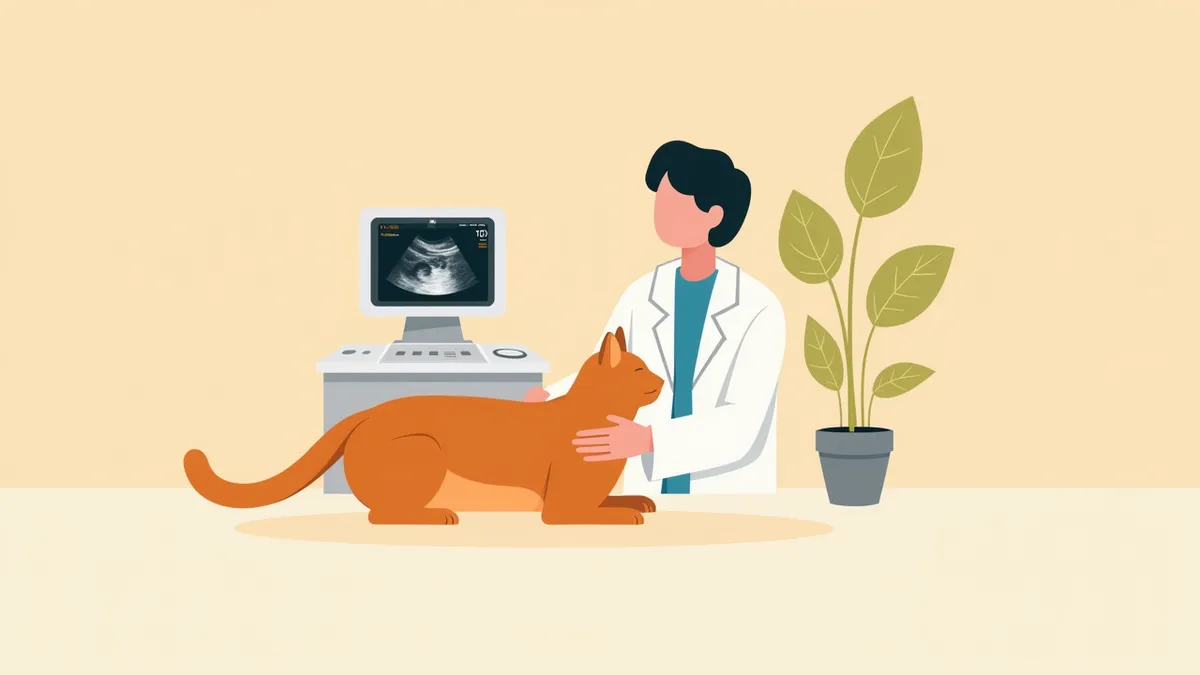
Why is a feline liver ultrasound necessary?
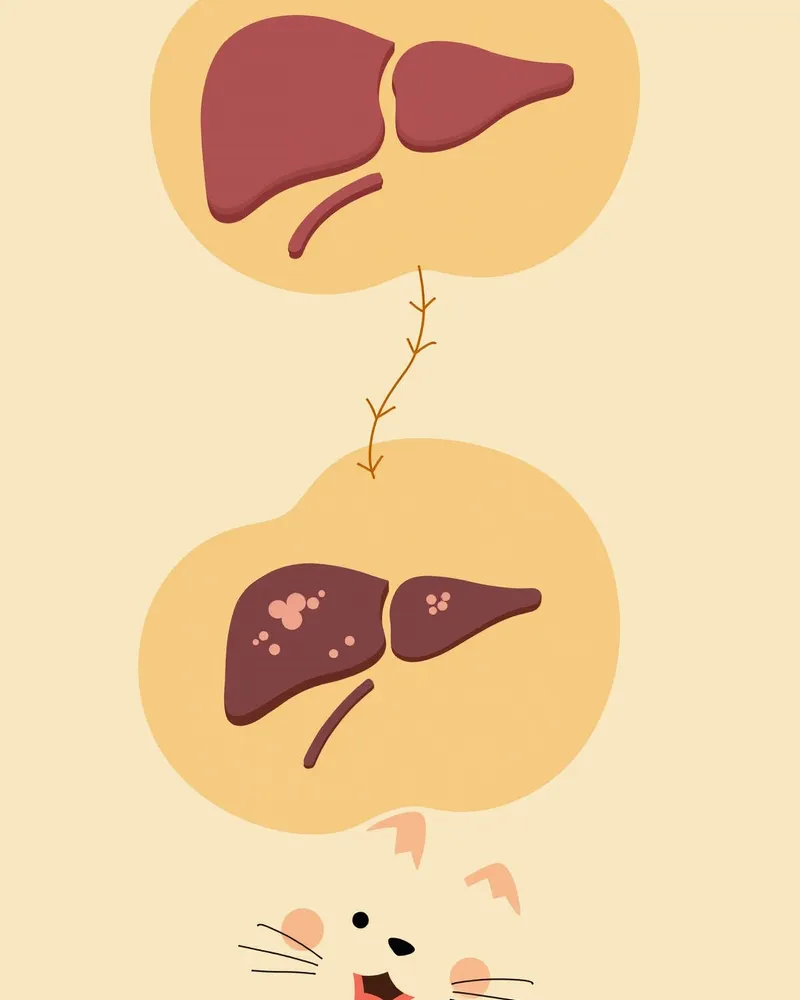
How to prepare for the examination?

What is the examination process like?
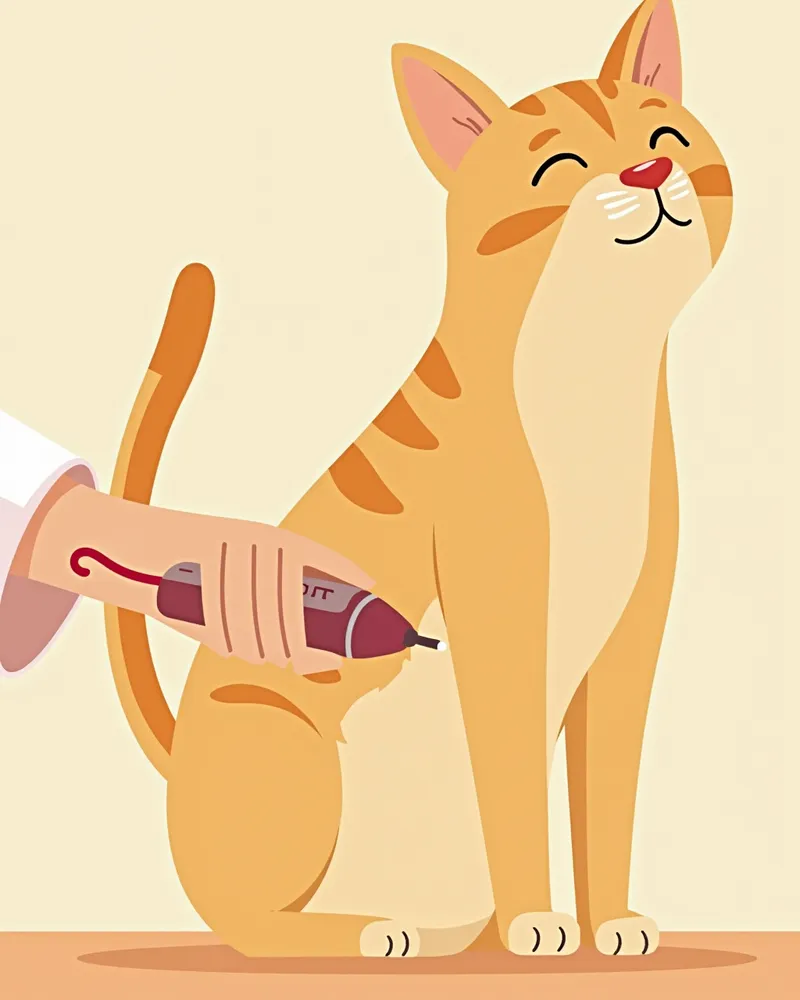
Feline liver ultrasound vs. blood test comparison
| Item | Liver Ultrasound | Blood Test |
|---|---|---|
| Test Purpose | Assess liver structure and lesions | Evaluate liver function/damage values |
| Accuracy | Useful for identifying lesion location and size, but a biopsy is needed for definitive diagnosis | Can detect functional abnormalities, but identifying the cause is difficult |
| Time Required | 10–20 minutes | Results within 1–2 days after testing |
| Non-invasiveness | Completely non-invasive | Blood draw required |
The two tests are complementary. Use ultrasound to confirm the location and structure of lesions, blood tests to check liver function and damage values, and consider a biopsy if a definitive diagnosis is needed.
Seek immediate examination in these cases
Loss of appetite, vomiting, diarrhea, yellowing of the eyes or skin, or abdominal distension may indicate liver dysfunction. It is especially important to consult a veterinarian promptly and undergo diagnostic testing if your cat appears lethargic for an extended period.
How to interpret the examination results?
Precautions after the examination

Reviewed by a veterinarian

Dr. Tony — Punnawat Phongkittirak
VeterinarianA veterinarian who majored in veterinary medicine at Khon Kaen University, Thailand, and completed the IVSA program at North Carolina State University in the United States. Drawing on clinical experience at animal hospitals, he works in the pet healthcare field and is dedicated to building a digital care environment that connects pet parents with veterinarians.
Reviewed 2026-06-05
Frequently Asked Questions
Does an ultrasound of a cat's liver hurt?
Does the test require anesthesia?
If the test results are abnormal, is treatment always necessary?
Should I have regular liver ultrasound exams?
Is fatty liver disease treatable?
Share
Related Guides

7 Key Symptoms and Management Essentials for Canine Cholecystitis Recommended by Veterinarians

Top 5 Milk Thistle (Silymarin) Liver Supplements for Dogs — A Comparison Guide Based on Silybin Content and Absorption Rates

Top Prescription Diets for Dogs with Liver Disease and Selection Criteria

Dog MRI Scan Costs and When It Is Necessary

Causes and Prevention of Canine Urinary Tract Stones

Dog Health Checkup Costs and Test Items

Patellar Luxation in Dogs: Symptoms and Stage-Specific Management

Canine Hydronephrosis FAQ — Key Information Every Owner Must Know
Frequently Asked Questions on the Safety of Anesthesia for Your Dog’s Dental Treatment — Key Information Every Pet Owner Should Know

Frequently Asked Questions on Teaching Your Cat to Tolerate Tooth Brushing — Key Points for Pet Owners
References
[1] Textbook of Cardiovascular Medicine in Dogs and Cats, 2020
[2] Feline Emergency and Critical Care Medicine, 2nd Ed, 2021
[3] Clinical Medicine of the Dog and Cat, 4th Ed, 2022