
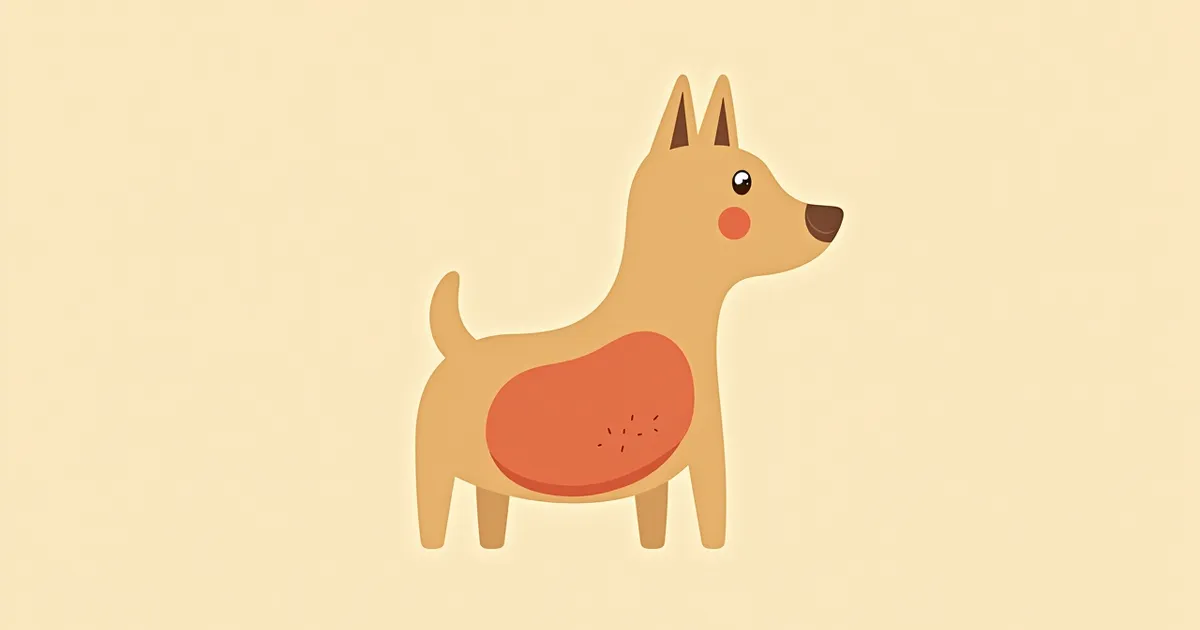
Dog Bladder Diverticulum FAQ — Key Information Every Pet Owner Should Know
A bladder diverticulum in dogs is a pouch-like protrusion in the bladder wall that can lead to infections or urinary difficulties. Here’s a Q&A summary of the key information every pet owner should know.
What Is a Bladder Diverticulum in Dogs?
What Are the Main Causes of Bladder Diverticula?
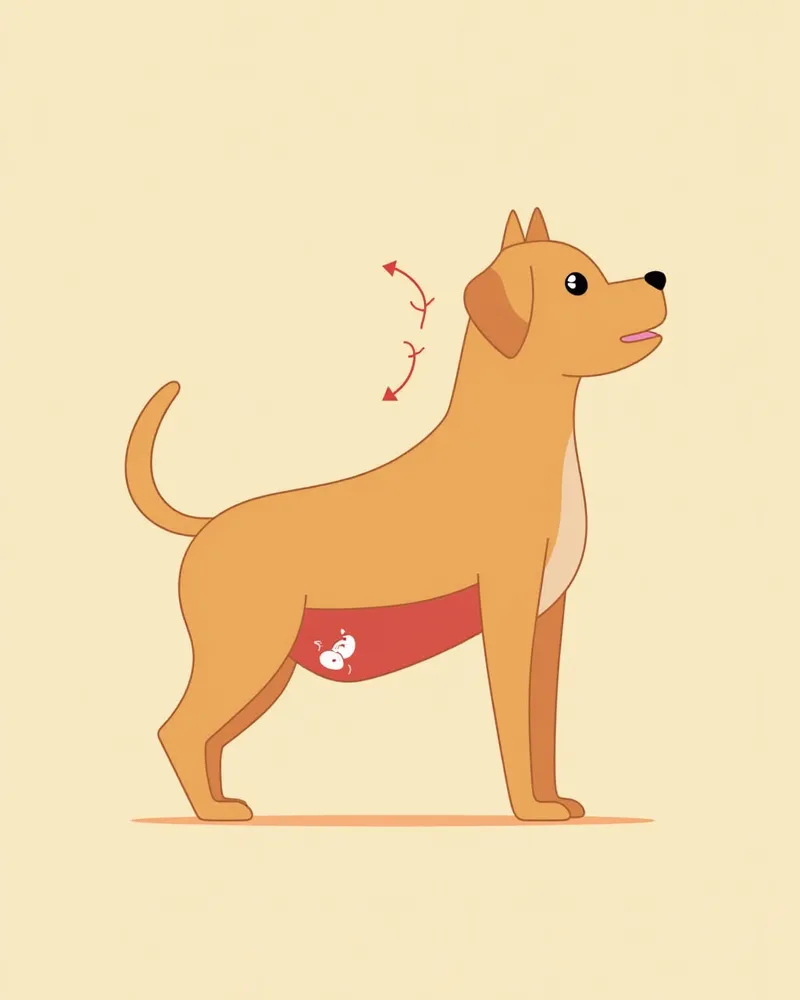
What Are the Main Symptoms of a Bladder Diverticulum?
Signs Requiring Immediate Veterinary Visit
If your dog tries to urinate but nothing comes out, or shows extreme pain while urinating, you should go to the vet immediately. This could indicate a blocked bladder or severe infection, which can be life-threatening. Additionally, if there is recurrent blood in the urine or the urine has a strong odor, urgent veterinary care is necessary.
Comparison of Diverticulum Types and Treatment Approaches
| Item | Cause | Main Symptoms | Treatment Direction |
|---|---|---|---|
| Congenital Diverticulum | Genetic structural abnormality | Difficulty voiding urine, recurrent infection | Surgical treatment is common |
| Post-Traumatic Diverticulum | Damage after trauma or surgery | Painful urination, hematuria | Surgery or observation-focused |
| Chronic Inflammation–Induced Diverticulum | Long-term cystitis | Strong urine odor, increased urination frequency | Medication + surgery considered |
The treatment direction varies depending on the diverticulum's size, location, and symptom severity. The veterinarian makes the determination.
How Is It Diagnosed?
What Are the Treatment Options?

Home Care Management Points
Breeds and Age Groups to Watch
Bladder diverticula have been reported in certain breeds and can develop due to structural abnormalities within the bladder or underlying medical conditions. Since some breeds have a genetic predisposition, be sure to review breed-specific traits and health records before adopting. Early detection and management are essential.
Reviewed by a veterinarian

Dr. Tony — Punnawat Phongkittirak
VeterinarianA veterinarian who majored in veterinary medicine at Khon Kaen University, Thailand, and completed the IVSA program at North Carolina State University in the United States. Drawing on clinical experience at animal hospitals, he works in the pet healthcare field and is dedicated to building a digital care environment that connects pet parents with veterinarians.
Reviewed 2026-06-29
Frequently Asked Questions
Is a dog's bladder diverticulum untreatable?
Does a cyst always require surgical removal?
Does a bladder stone cause difficulty urinating?
Can cecal impaction recur?
Are bladder diverticula hereditary?
Share
Related Guides

Top 5 Prescription Diets for Feline FLUTD — Comparison by Struvite and Calcium Oxalate Stones

Top 7 Prescription Diets for Feline Bladder and Urinary Tract Health Recommended by Veterinarians — Including Selection Criteria

Top 5 Cranberry Urinary Supplements for Dogs — Preventing Cystitis
Causes and Management of Feline Aggression — Why the Sudden Biting and Scratching?

My Cat Keeps Licking — Is This Normal? Causes and Solutions for Excessive Grooming

Causes of Nighttime Vocalization in Cats and How to Address Them
Dog Resource Guarding: Causes and Correction Methods
How to Manage Thunderstorm Phobia in Dogs?
How to Teach Your Puppy Sit, Stay, and Down — When Is the Best Time for Rewards?

What is Clicker Training for Dogs? — How to Start Properly from Timing to Rewards
References
[1] Plumb's Veterinary Drug Handbook, 9th ed. (2022). Wiley-Blackwell.
[2] Fossum, T. W. (2013). Small Animal Surgery, 4th ed. Elsevier.