Like
Share
멍실장
강아지 방광 신경 자극 치료 자주 묻는 질문 Q&A — 보호자가 꼭 알아야 할 핵심

Frequently Asked Questions About Bladder Nerve Stimulation Therapy for Dogs — Key Information Every Pet Owner Should Know

UrinaryQ&AMeongsiljang Veterinary Advisory Board

Bladder nerve stimulation therapy is an effective treatment for dogs with chronic bladder issues. We’ve compiled the essential information every pet owner should know in a Q&A format.

What Is Bladder Nerve Stimulation Therapy for Dogs?
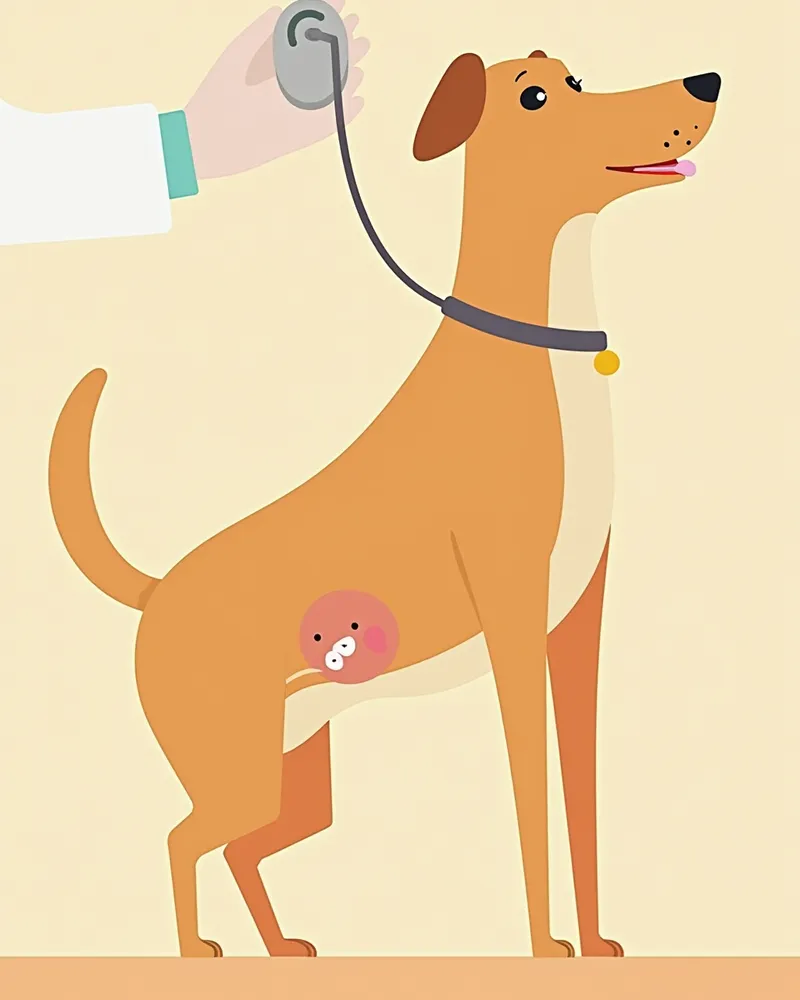
Bladder dysfunction in dogs occurs when the bladder fails to contract or relax properly, disrupting the normal process of urine storage and release. This issue is often linked to neurological control abnormalities, making it essential to accurately identify the underlying cause before initiating treatment. According to veterinary textbooks, management of bladder dysfunction primarily involves medications, continuous or intermittent catheterization, and assisted voiding techniques such as manual bladder compression at regular intervals. The technique referred to as "nerve stimulation" is described in textbooks mainly as an adjunct for precise administration of regional anesthesia, and it is not considered a standard established treatment involving device insertion into the bladder. Therefore, the most appropriate treatment plan should always be determined individually through diagnosis and consultation with a veterinarian.
The process of inserting a bladder nerve stimulation therapy device in dogs

Why Is Bladder Nerve Stimulation Therapy Necessary?

If your dog frequently urinates or has repeated accidents, it may indicate a problem with the nerve function that controls the bladder. These urinary issues or incontinence can be related to trauma, spinal cord lesions, age, or neurological diseases. In particular, if there are problems with the nerves, such as diseases in the lumbosacral (lower back and hip) area or spinal cord injuries, controlling urination can become difficult. In such cases, it is important to also check perineal sensation and anal reflexes. While medication can be helpful, its effectiveness varies depending on the cause and may have limitations, so it is necessary to first identify the cause through neurological examinations and bladder function assessments. Based on the results, it is important to consult with your veterinarian to develop a treatment plan tailored to your dog.
A puppy undergoing bladder nerve stimulation therapy

How Is the Treatment Process Conducted?
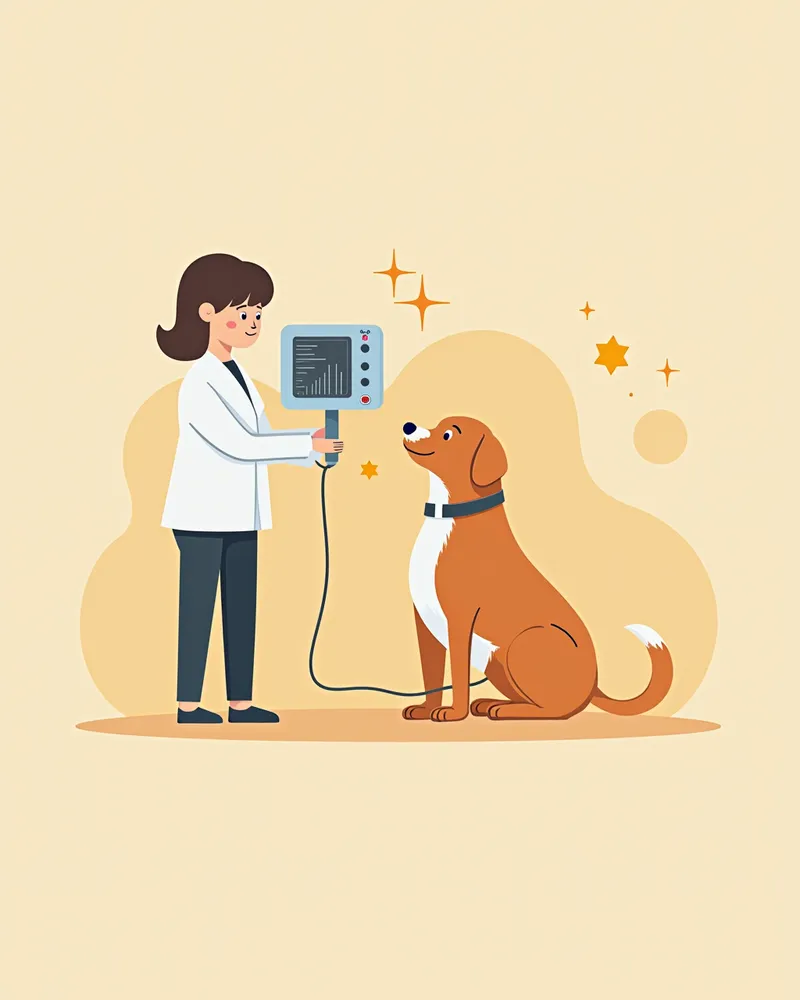
Treatment begins based on the veterinarian’s diagnosis. A neurological assessment, urination function tests, and checks of perineal sensation and anal reflexes are performed, along with imaging studies such as X-rays, CT, or MRI if necessary, to identify the underlying cause. In cases involving nerve involvement, such as lumbosacral disorders, determining the specific affected area helps guide the treatment plan. Once the cause is identified, the veterinarian will recommend management strategies tailored to the dog’s condition. Standard approaches include medication, continuous or intermittent catheterization, and manual bladder compression at regular intervals. After starting treatment, regular follow-up visits are essential to monitor urination status and response, adjusting the approach as needed.
Adjusting the intensity of the puppy's bladder nerve stimulation device

Bladder Nerve Stimulation Therapy vs. Medication Therapy Comparison

ItemProcedural Approaches such as Nerve StimulationSupportive Management such as Medication and Catheterization
Duration of EffectVaries by cause and condition; no textbook-established standard effect has been confirmedMay help if it matches the cause, but the effect varies
Side EffectsThere may be risks related to anesthesia, the procedure, and devicesVaries by type of medication, so veterinary instructions are needed
Need for SurgeryMay be neededGenerally not needed (catheterization and compression are non-surgical)
Management FrequencyRegular veterinary visits are neededRegular medication or regular catheterization is needed according to prescription and instructions

Choose the treatment method in consultation with your veterinarian, considering the dog's condition and cause and the caregiver's living circumstances.

What Should Be Noted After Treatment?

After treatment, it’s a good idea to limit strenuous activity for a period of time as directed by your veterinarian. If a procedure was performed, swelling or pain may develop at the site, so careful monitoring is necessary. Owners should closely observe any changes in their dog’s behavior. Keep track of changes in urination frequency and patterns, bowel habits, appetite, and activity levels, and contact your veterinarian immediately if any abnormal signs appear. If you’re performing catheterization or manual bladder compression at home, it’s important to strictly follow the technique and schedule taught by your veterinarian. Additionally, regular check-ups are recommended to monitor urinary function and recovery progress, ensuring that the treatment effects are well maintained.
A puppy under post-treatment care and its owner

Signs That Require Immediate Veterinary Visit

If your dog suddenly stops urinating altogether or shows severe pain while trying to urinate after treatment, seek veterinary care immediately. A bladder that fails to empty and continues to fill with urine can be a medical emergency, potentially requiring catheterization to drain the urine. Additionally, swelling, pus discharge, or fever at the procedure site may indicate an infection. If your dog becomes unusually lethargic or loses its appetite, these could be signs of systemic deterioration. Because these symptoms can have serious health consequences, do not hesitate to contact your veterinarian right away.

What Are the Advantages and Disadvantages of the Treatment?

One advantage of treating bladder dysfunction is that it doesn’t rely solely on medication; instead, multiple approaches can be considered based on the underlying cause. If you’re concerned about the burden of long-term drug use, supplementary bladder management techniques such as catheterization or manual bladder compression can be used to assist with urination. However, procedural interventions carry risks associated with anesthesia and the procedures themselves, and depending on the method, ongoing management and adjustments may be required. Furthermore, treatments involving the insertion of devices into the bladder are not yet firmly established as standard protocols in veterinary textbooks, making it difficult to definitively determine their efficacy and risks. Therefore, it’s important to have a thorough discussion with your veterinarian before starting treatment to fully understand the pros and cons.
Comparison of the puppy’s condition before and after treatment

Summary of Frequently Asked Questions
Is surgery always necessary to treat bladder dysfunction in dogs? Not necessarily. In many cases, urination can be assisted through medications, catheterization, or manual bladder compression, with the most suitable approach determined by your veterinarian’s diagnosis. How long does treatment last? The effectiveness and duration vary depending on the individual dog’s condition and underlying cause. If the issue stems from a neurological disorder, long-term management may be required. What should I do if my dog starts having urinary incontinence again after treatment? Your veterinarian will reassess the situation, which may involve adjusting medications or management strategies, or investigating other potential causes. Treatment costs vary based on diagnostics, medications, procedures, and follow-up care, so it’s best to discuss this with your veterinarian.
Explaining the cost of bladder nerve stimulation therapy for dogs

Reviewed by a veterinarian

Dr. Tony — Punnawat Phongkittirak

Dr. Tony — Punnawat Phongkittirak

Veterinarian

A veterinarian who majored in veterinary medicine at Khon Kaen University, Thailand, and completed the IVSA program at North Carolina State University in the United States. Drawing on clinical experience at animal hospitals, he works in the pet healthcare field and is dedicated to building a digital care environment that connects pet parents with veterinarians.

Frequently Asked Questions

Which dogs are good candidates for bladder nerve stimulation therapy?
Treatment is considered when there are abnormalities in bladder contraction or urinary control, or when the condition does not respond well to medication. The most appropriate approach is determined through a veterinarian’s diagnosis, including neurological examinations. Standard management options outlined in veterinary textbooks include medication, continuous or intermittent catheterization, and manual bladder compression.
What should I do if my dog becomes anxious after treatment?
Your pet may feel anxious due to discomfort or pain at the treatment site, but they will gradually adapt. If the anxiety persists, your veterinarian can review pain management options, adjust the treatment plan, or recommend behavioral management strategies.
What happens when the device reaches the end of its lifespan?
Treating bladder conditions by inserting devices isn't clearly established as a standard approach in veterinary textbooks, so it's difficult to definitively determine the lifespan of the device or when it needs replacement. If your pet has undergone this type of treatment, your veterinarian will regularly monitor their condition and guide you on any necessary follow-up care.
Should I continue giving the medication after treatment?
Even if the treatment is working well, be sure to follow your veterinarian’s instructions until the medication is fully discontinued, as the type or dosage may need to be adjusted depending on the situation.
Is this treatment covered by insurance?
Since coverage varies depending on each insurance provider’s policy, it’s a good idea to check with your veterinarian whether your pet’s treatment is eligible for insurance reimbursement.

Share

Related Guides

References

[1] K. A. Brueker and S. J. Withrow. (1988). Intestinal leiomyosarcoma in six dogs. Journal of the American Animal Hospital Association, 24(3):281–284.

[2] J. M. Simpson et al. (2001). Subnormal concentrations of serum cobalamin (vitamin B12) in cats with gastrointestinal disease. Journal of Veterinary Internal Medicine, 15: 26–32.

[3] Textbook of Respiratory Disease in Dogs and Cats. (2023). Chapter 83: Neurological and Functional Disorders of the Urinary Tract. Elsevier.

This information is based on veterinary literature and does not replace diagnosis or treatment. Please consult a veterinarian for specific health concerns.

Metapet Co., Ltd. | CEO: Park Sung-yong | Business Reg. No. 417-88-02562 | Seoul, South Korea | Customer Center

Dog Bladder Nerve Stimulation Therapy: Key FAQs | Meongsiljang