Like
Share
멍실장
고양이 발치 후 관리 자주 묻는 질문 Q&A — 보호자가 꼭 알아야 할 핵심

Cat Post-Extraction Care FAQ — Key Points Owners Must Know

Oral HealthQ&AMeongsiljang Veterinary Advisory Board

After your cat’s dental extractions, the key to recovery is pain management and preventing infection. Here are the essential care steps you need to follow.

What Is Post-Extraction Care for Cats?

Recovering after a dental extraction, the cat is resting on a soft pillow.
Caring for your cat after a tooth extraction involves thorough protective measures to support healing at the surgical site and alleviate pain. During the recovery period, careful attention is needed to prevent infection and self-injury, following your veterinarian’s instructions. - Post-surgery recovery: Limit your cat’s activity and provide a quiet, stable environment during the recovery period. - Infection prevention: Administer any prescribed antibiotics exactly as directed for the full duration, and regularly check your cat’s mouth. - Diet management: Once your cat has fully recovered from anesthesia, offer small, frequent meals of soft food as instructed by your veterinarian. - Medication management: Give pain relievers and antibiotics at the correct dosage and times as directed by your veterinarian. - Behavioral monitoring: Closely observe changes in your cat’s appetite, activity level, and oral condition.

Key Principles of Post-Extraction Care

Post-extraction care for cats focuses on three key areas: pain management, infection prevention, and preventing self-injury. - Pain Management: Pain may occur after extraction, so administer the veterinarian-prescribed pain medication exactly as directed, adhering strictly to the specified timing and dosage. - Infection Prevention: Ensure your cat completes the full course of prescribed antibiotics and regularly check their oral cavity for any signs of infection. - Preventing Self-Injury: Keep an Elizabethan collar on your cat to prevent them from licking or rubbing the surgical site. - Dietary Adjustments: Once your cat has fully recovered from anesthesia, offer small, frequent meals of soft food as directed by your veterinarian. - Behavioral Monitoring: Closely observe your cat’s appetite, activity level, and mental state. Contact your veterinarian immediately if you notice any abnormal signs.
The cat is wearing an Elizabethan collar, with a soft food bowl placed nearby.

Pain Management After Extraction

Cats may experience pain after tooth extraction, so it’s important to carefully manage their discomfort following your veterinarian’s guidance. - Administer pain medication: Give the prescribed pain medication exactly as directed by your vet, ensuring the correct dosage and timing. - Monitor after administration: Watch closely for any unusual reactions such as changes in behavior, vomiting, or diarrhea after giving the medication. - Recognize signs of pain: If your cat stops eating, holds their paw up, or breathes heavily, they may be in significant pain. - Consult your vet: If pain persists or doesn’t improve after medication, contact your veterinarian right away. - Medication safety: Never use human pain relievers for your cat. Only give medications as prescribed by your vet. - Regular check-ins: Schedule regular follow-ups with your vet during recovery to monitor how well the pain is being managed.
The veterinarian is preparing a painkiller injection for the cat.

Step-by-Step Post-Extraction Care Checklist

ItemMain Management ItemsPrecautions
Immediately after surgery (anesthesia recovery period)Determine feeding time per veterinarian's instructions, provide waterFit an Elizabethan collar
Early recovery periodStart with small amounts of soft foodConfirm medication is being taken
Later recovery periodMonitor progress, schedule veterinary follow-upKeep the collar on

Be sure to follow the veterinarian's instructions at each stage.

Signs Requiring Immediate Veterinary Attention

If your cat experiences severe bleeding within 24 hours after tooth extraction, collapses or loses consciousness, or is unable to eat due to severe pain, contact your veterinarian immediately.

Feeding Methods After Extraction

After tooth extraction, wait until your cat has fully recovered from anesthesia, then offer soft jelly or soup-style food as directed by your veterinarian, and avoid giving hard kibble. - Manage meal times: Divide meals into small, frequent portions to allow your cat to eat slowly and swallow comfortably. - Food temperature: Warm the food slightly to reduce irritation in the mouth and stimulate appetite. - Post-meal monitoring: Watch for coughing, vomiting, or blood in the mouth after eating. - Feeding environment: Provide a quiet, calm space for meals, away from conflicts with other animals. - Consult your veterinarian: Contact your vet if your cat refuses to eat or continues to have difficulty swallowing.
A cat eating soft food, with a spoon nearby.

The Importance of Wearing an Elizabethan Collar

The Elizabethan collar is a key piece of equipment that prevents your cat from licking or rubbing the surgical site. - Site Protection: Wearing the collar significantly reduces the risk of infection or re-injury at the surgical site. - Duration of Use: The collar must be worn for the entire period specified by your veterinarian; removing it prematurely can hinder recovery. - Managing Discomfort: Even if the collar seems uncomfortable for your cat, it must be worn for the required duration. Consult your veterinarian if necessary. - Proper Fit: A collar that is too tight or too loose will be ineffective, so choose the size recommended by your veterinarian. - Activity Restriction: Limit your cat’s activity range while wearing the collar and prevent collisions with sharp objects or walls. - Regular Checks: Inspect the collar daily to ensure it is properly fitted and check for any marks or irritation on your cat’s neck.
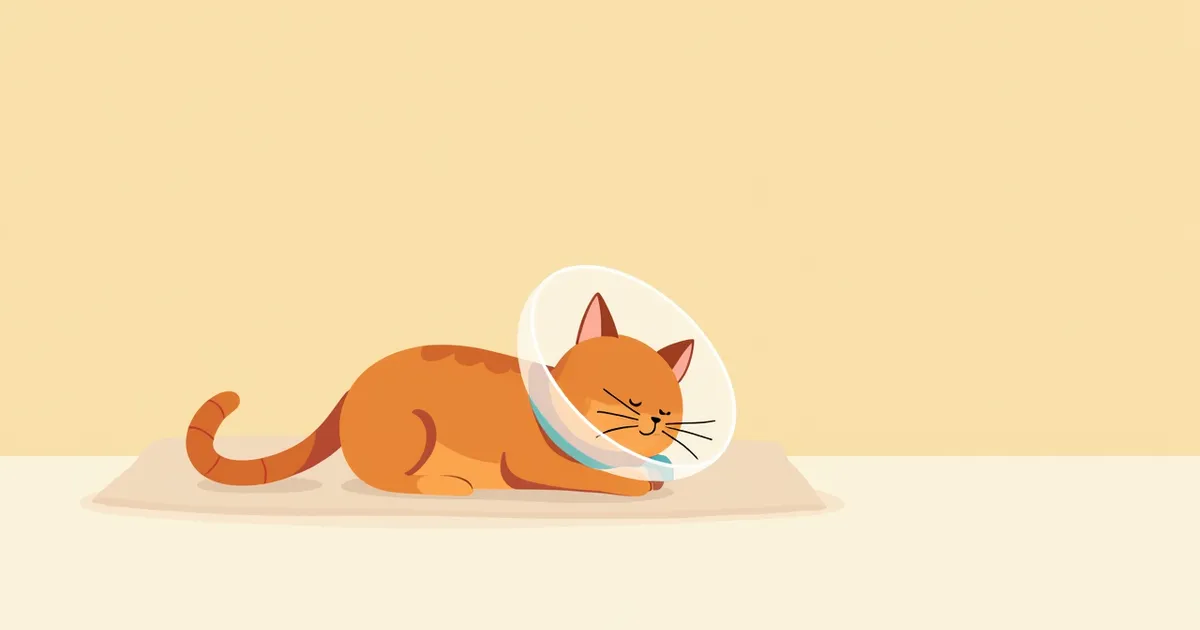
While wearing an Elizabethan collar, the cat appears slightly uncomfortable but remains safe.

Precautions: Avoid Mistakes While Wearing the Collar

If the collar is too tight and causes breathing difficulties, or if your cat frequently gets caught on it, remove it immediately and consult your veterinarian. An ill-fitting collar can significantly increase the risk of injury.

Reviewed by a veterinarian

Dr. Tony — Punnawat Phongkittirak

Dr. Tony — Punnawat Phongkittirak

Veterinarian

A veterinarian who majored in veterinary medicine at Khon Kaen University, Thailand, and completed the IVSA program at North Carolina State University in the United States. Drawing on clinical experience at animal hospitals, he works in the pet healthcare field and is dedicated to building a digital care environment that connects pet parents with veterinarians.

Frequently Asked Questions

How many days after a tooth extraction should I feed my pet?
Once your pet has fully recovered from anesthesia, offer soft food as directed by your veterinarian. Warming the food slightly and providing small, frequent meals can help stimulate their appetite. Adjust their diet in consultation with your vet based on their recovery progress.
How long should my pet wear an Elizabethan collar?
It’s more important to wear the device for the period specified by your veterinarian rather than a set number of days. It needs to be worn until the surgical site has healed sufficiently, and the timing for removal should always be determined in consultation with your vet.
What should I do if my pet continues to experience pain after a tooth extraction?
Administer the veterinarian-prescribed pain medication exactly as directed, and contact the clinic immediately if the pain persists. Your pet may require additional treatment.
Is it normal to have a little bleeding after a tooth extraction?
Minor bleeding may occur. However, if it persists or worsens, please inform your veterinarian, and seek immediate veterinary care if the bleeding is severe.
What should I do if my cat tries to take off its collar?
Attempting to remove a collar can be a sign of self-inflicted injury. Do not remove the collar; instead, consult your veterinarian. If necessary, alternative supportive devices may be considered.

Share

Related Guides

References

[1] The Cat, Clinical Medicine and Management, 2nd Edition, 2023

[2] Techniques in Small Animal Wound Management, 2022

[3] Veterinary Dental Surgery, 3rd Edition, 2021

This information is based on veterinary literature and does not replace diagnosis or treatment. Please consult a veterinarian for specific health concerns.

Metapet Co., Ltd. | CEO: Park Sung-yong | Business Reg. No. 417-88-02562 | Seoul, South Korea | Customer Center

Cat Tooth Extraction Aftercare: 5 Frequently Asked Questions | Meongsiljang