Like
Share
멍실장
고양이 복수 천자(심장성 복수) 자주 묻는 질문 Q&A — 보호자가 꼭 알아야 할 핵심

Frequently Asked Questions About Feline Abdominal Paracentesis (Cardiac Ascites) — Key Information for Pet Owners

HeartQ&AMeongsiljang Veterinary Advisory Board

Feline ascites is a condition in which fluid accumulates in the abdominal cavity due to impaired heart function. Early diagnosis and management are important because this condition can lead to difficulty breathing and weight gain.

What is feline abdominal paracentesis?

A cat with ascites, showing a distended abdomen and appearing uncomfortable
Feline abdominal paracentesis is a procedure that relieves symptoms by draining excess fluid that has accumulated in the abdominal cavity due to compromised heart function. - Compromised heart function: When the heart cannot pump blood effectively, pressure within the veins (hydrostatic pressure) rises, causing fluid to accumulate in the abdominal cavity. - Symptoms of ascites: Signs include a distended abdomen, panting, reduced activity, and difficulty breathing. - Diagnostic methods: A veterinarian confirms the presence of ascites through abdominal ultrasound and radiography (X-rays), and determines whether paracentesis is necessary. - Purpose of treatment: The goal is to improve the cat’s quality of life by removing fluid to ease breathing and reduce discomfort. However, not all fluid is removed at once; the procedure is performed safely under the veterinarian’s judgment.

Why is abdominal paracentesis necessary?
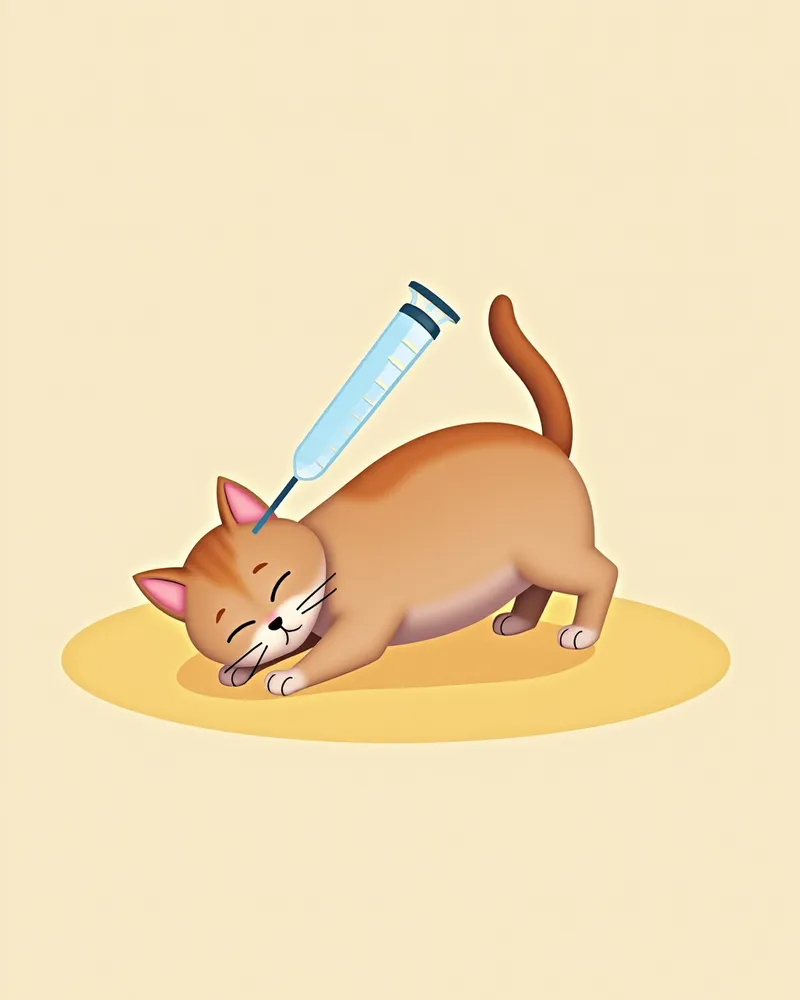
Abdominocentesis plays a crucial role in improving your cat’s breathing and reducing discomfort by removing fluid that has accumulated in the abdominal cavity. - Improved Breathing: Excessive abdominal fluid can compress the diaphragm and lungs, making it difficult to breathe. Removing this fluid through abdominocentesis helps alleviate respiratory distress. - Relief from Discomfort and Poor Circulation: Large amounts of abdominal fluid can cause abdominal distension, discomfort, and reduced blood flow (circulation). Draining the fluid helps ease these symptoms. - Enhanced Quality of Life: After the procedure, your cat may show improved activity levels and appetite, making daily life much more comfortable. - Criteria for the Procedure: Your veterinarian will assess the need for abdominocentesis by evaluating factors such as weight changes, breathing condition, and the degree of abdominal swelling. - Emergency Situations: If your cat experiences severe breathing difficulties or signs of poor circulation (shock), immediate intervention is necessary.
A veterinarian performing an abdominal paracentesis on a cat

What is the procedure for abdominal paracentesis?
Abdominocentesis is a procedure that most cats tolerate well without sedation or anesthesia. The cat is gently positioned in a comfortable standing or lateral recumbent posture, and the abdomen is aseptically disinfected before proceeding. - Procedure Preparation: The veterinarian uses ultrasound to precisely assess the volume and location of the ascites, determining the optimal puncture site. If the cat is uncooperative, local anesthesia (local block) may be used as an adjunct. - Procedure Process: A fine aspiration needle is accurately inserted into the abdominal cavity, and fluid is slowly withdrawn over several minutes. Once inserted, the needle’s direction is not changed to prevent organ damage. - Monitoring: Heart rate, respiration, and body temperature are continuously monitored during and after the procedure, with immediate intervention if any abnormal signs appear. - Recovery Process: While temporary fatigue or discomfort may occur after the procedure, most cats stabilize relatively quickly. - Safety: Risks are minimized through aseptic preparation and ultrasound guidance, but because complications can rarely occur, careful observation continues after the procedure.
A cat that is stable after abdominal fluid drainage

Immediate veterinary visit required in these cases

If your cat is panting, its abdomen is swelling rapidly, or it shows severe shock symptoms (dizziness, collapse), you need to go to the vet immediately. This is an emergency situation that requires urgent abdominal paracentesis. If ascites accumulates quickly, it can obstruct breathing, so owners must recognize changes promptly and take action.

How to manage care after abdominal paracentesis?
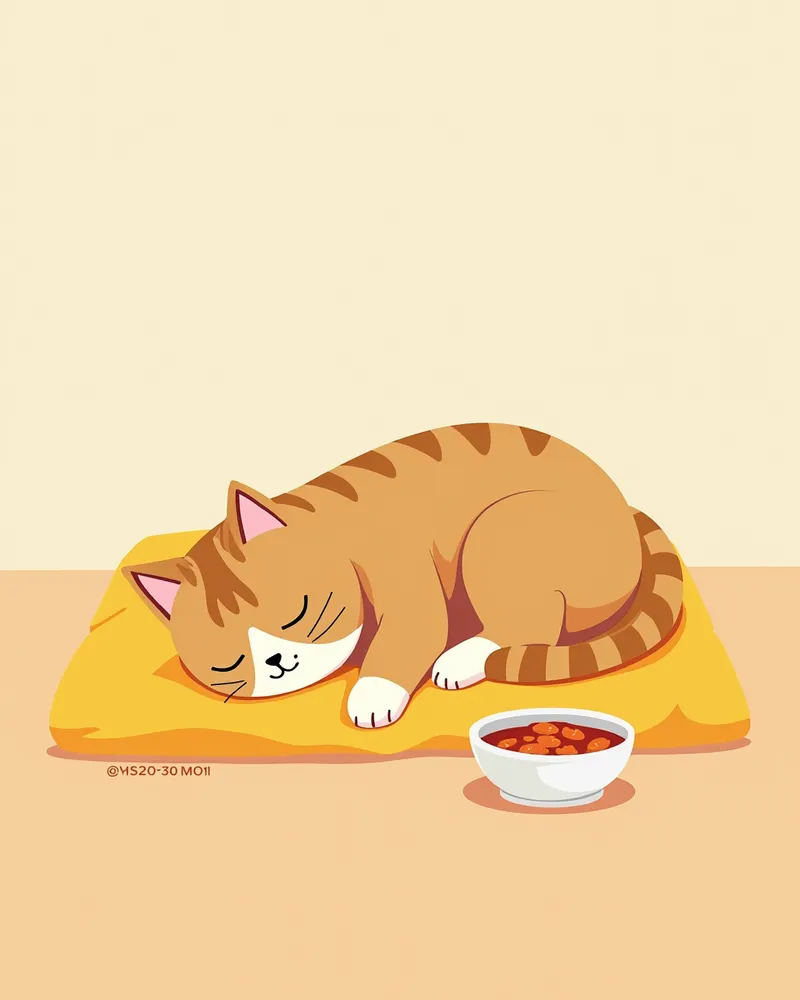
After abdominal fluid drainage, your cat should rest for at least 24 hours. - Limit activity: Reduce physical exertion and prevent jumping or running. - Diet management: Strictly follow the veterinarian-prescribed diet and minimize salt intake. - Medication administration: Administer heart medications and diuretics at the exact prescribed times without missing any doses. - Preventing recurrence: Regular check-ups and weight monitoring are essential to prevent the reaccumulation of abdominal fluid. - Monitoring condition: Carefully record changes in breathing, appetite, and activity levels for 1–2 days after the procedure and share these observations with your veterinarian.
A cat resting after abdominal fluid drainage, along with a healthy meal

Before and after abdominal paracentesis: Changes in condition

ItemBefore TappingAfter Tapping
Respiratory StatusPanting, short of breathBreathing becomes noticeably easier
Abdominal ShapeSwollen and distendedSwelling noticeably reduced
Activity LevelHas difficulty movingDaily activities become easier
AppetiteDecreasedAids recovery

Abdominocentesis helps relieve symptoms but does not drain all the fluid at once, and treatment of the underlying heart condition is also needed.

What are the risks of abdominal paracentesis?
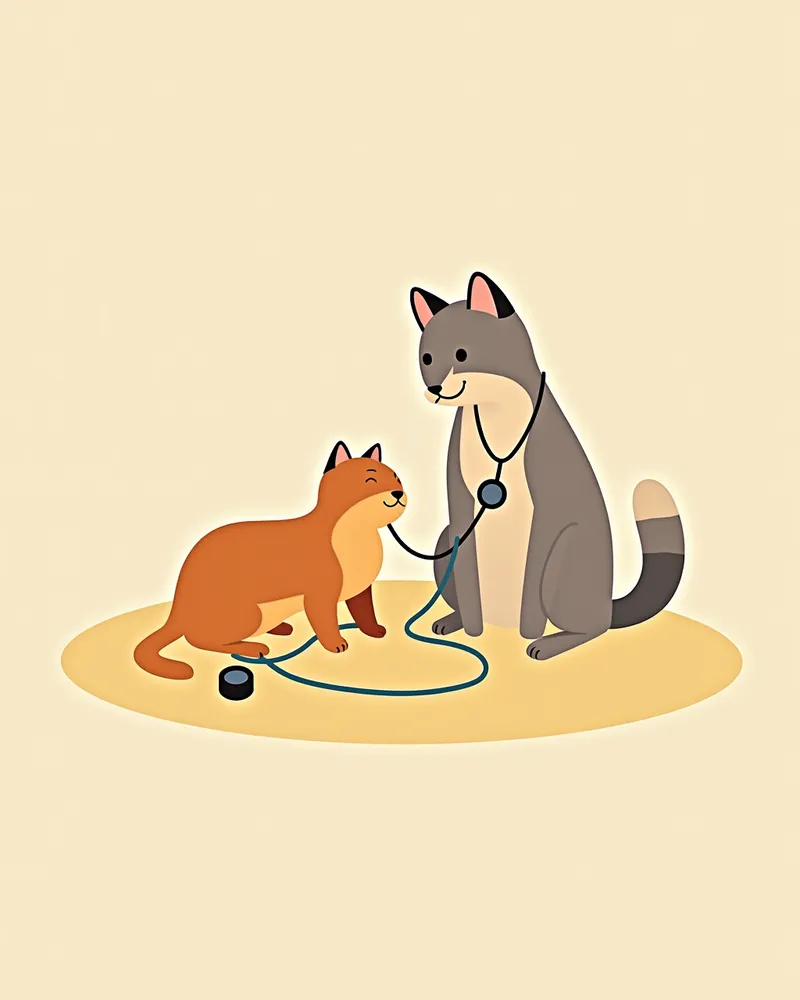
Abdominocentesis is generally a relatively safe procedure, though complications can rarely occur. - Risk of infection: Bacteria can enter through the puncture site, potentially causing or spreading infection, so proper disinfection and hygiene are essential. - Bleeding or tissue damage: Needles may inadvertently puncture blood vessels or organs within the abdominal cavity, leading to bleeding or injury; however, ultrasound guidance minimizes this risk. - Stress from rapid fluid removal: Removing fluid too quickly or in large volumes can cause it to reaccumulate faster or lead to electrolyte imbalances and kidney strain, so we avoid draining all fluid at once. - Post-procedure monitoring: The veterinarian carefully monitors your pet’s condition after the procedure to check for any abnormal signs. - Preventive measures: Before the procedure, the vet evaluates your cat’s overall health to identify and prepare for any potential risk factors in advance.
A veterinarian checking a cat's condition after abdominal paracentesis

Caution: Attention needed for repeated procedures

If repeated abdominal taps are necessary, improving heart function should be the top priority. Simply draining the fluid doesn’t address the underlying issue, so you’ll need to work with your veterinarian to develop a heart medication plan. Frequent taps can place undue stress on your cat, making it essential to treat the root cause.

Reviewed by a veterinarian

Dr. Tony — Punnawat Phongkittirak

Dr. Tony — Punnawat Phongkittirak

Veterinarian

A veterinarian who majored in veterinary medicine at Khon Kaen University, Thailand, and completed the IVSA program at North Carolina State University in the United States. Drawing on clinical experience at animal hospitals, he works in the pet healthcare field and is dedicated to building a digital care environment that connects pet parents with veterinarians.

Frequently Asked Questions

Is ascites drainage painful?
Most cats tolerate the procedure well with gentle restraint alone, without the need for sedation or general anesthesia. Local anesthesia may be used as an adjunct if necessary, and significant pain during the procedure is rare. While some temporary discomfort may occur afterward, most cats recover quickly.
How often should abdominal paracentesis be performed?
The frequency of ascites recurrence varies. Typically, a veterinarian will monitor your pet regularly and decide on treatment as needed. If recurrences are frequent, treating the underlying heart condition is more important than simply draining the fluid.
Can I perform abdominal paracentesis at home?
Absolutely not. Abdominal paracentesis requires strict aseptic preparation and precise technique, so it must only be performed at a veterinary clinic under the supervision of a veterinarian.
What should I do if my cat collapses after abdominal fluid drainage?
You should go to the hospital immediately. There may be complications such as bleeding or electrolyte imbalances, so it is necessary for the owner to take immediate action.
How should I feed my pet after abdominal paracentesis?
After the procedure, let your cat rest for a short while, then offer a small amount of water and a cat-specific meal. Follow the diet recommended by your veterinarian.

Share

Related Guides

References

[1] Bain, M.J. and Fan, C.M. (2012). Animal behavior case of the month. J. Am. Vet. Med. Assoc. 240 (6): 673–675.

[2] Textbook of Cardiovascular Medicine in Dogs and Cats (2019). Chapter 7: Fluid Accumulation in the Abdomen. Elsevier.

[3] AAFP (2024). 2024 AAFP indoor/outdoor lifestyle position statement. Journal of Feline Medicine and Surgery, 26(2). doi:10.1177/1098612x241227827.

This information is based on veterinary literature and does not replace diagnosis or treatment. Please consult a veterinarian for specific health concerns.

Metapet Co., Ltd. | CEO: Park Sung-yong | Business Reg. No. 417-88-02562 | Seoul, South Korea | Customer Center

Cat Abdominocentesis FAQ: Cardiac Ascites Explained | Meongsiljang